
Fill Dirt Calculator
— How Much Do You Need?
Accurate fill dirt volume, truckload, and cost estimates for backfill, grading, and leveling.
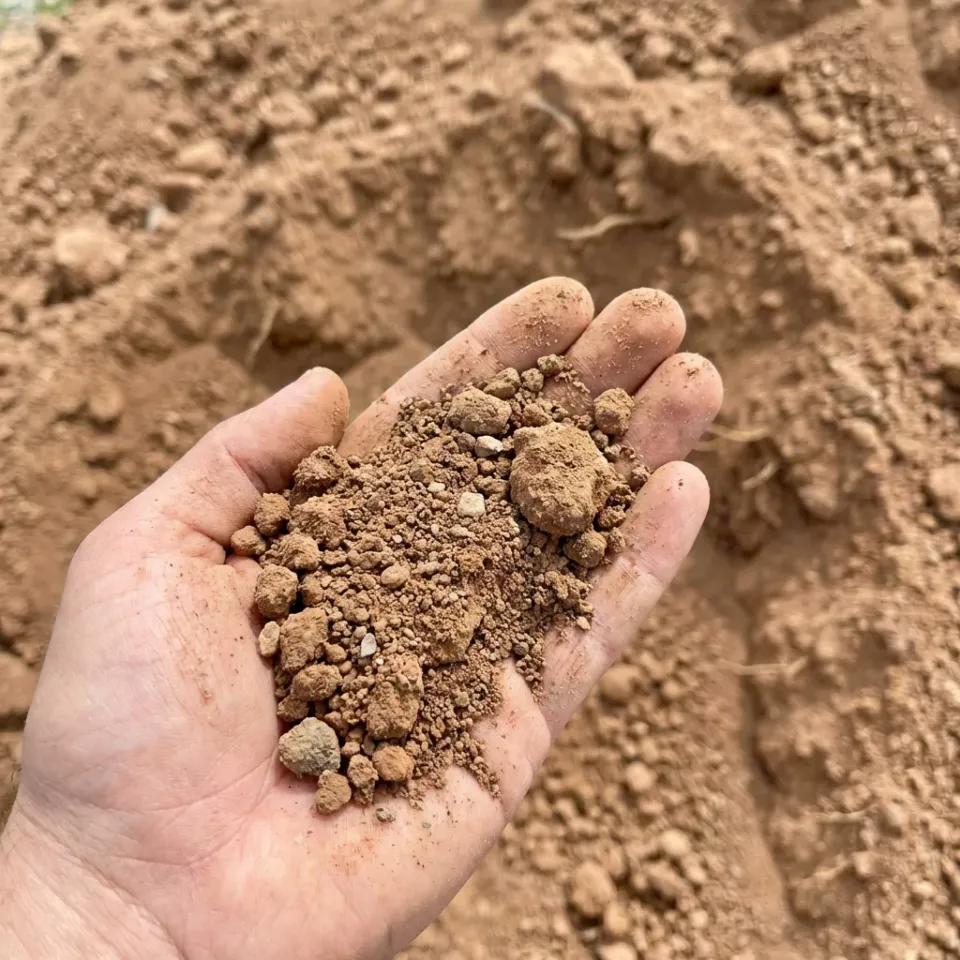
How to Use This Fill Dirt Calculator
Planning a fill dirt project requires precise measurements to ensure you order enough material without overspending.
- 1 Enter Dimensions — Input the length and width of your area in feet. Round up slightly for a buffer.
- 2 Choose Depth — Select the depth in inches. For most fill dirt projects, 3–6 inches is standard.
- 3 Review Results — Instantly see cubic yards and tons needed to accurately plan your order.
Visual Area Guide
Use these diagrams to measure your project area correctly.
Rectangular Area
Measure length × width for square or rectangular areas. Most driveway, patio, and grading projects use this method.
Circular Area
Measure the radius (half the diameter) for round beds, drain fields, or circular landscaping. Formula: π × radius².
Material Coverage & Grading
Common fill dirt grades based on USCS/ASTM D2487 and ASTM D2321 classifications used in construction and landscaping applications.
| Grade | Application |
|---|---|
| Class I | Highest-quality structural fill per ASTM D2321, corresponding to USCS groups GW, GP, SW, and SP with ≤5% fines passing the No. 200 sieve. Well-graded, clean gravels and sands with Cu ≥4 and 1≤Cc≤3 for maximum compaction density. Ideal for applications requiring high load-bearing capacity and excellent drainage. |
| Class II | General-purpose structural fill per ASTM D2321, corresponding to USCS groups GM and SM with 5–12% fines (GP and SP are excluded at this fines level as they require <5% fines) and PI non-plastic to 4. Moderate fines content provides slight cohesion while retaining good compactability at 95%+ Proctor density. Suited for embankments, utility trench backfill, and general site grading where some cohesion aids stability. |
| Class IIIA | Fine-grained fill per ASTM D2321 and USCS groups ML, SM, and CL with fines content exceeding 12%, LL<50, and moderate PI. Lower permeability and higher frost heave risk limit use to non-structural applications. Best suited for final grading cover layers, landscaping berms, and non-load-bearing terrain shaping. |
| Class IIIB | Cohesive fine-grained fill corresponding to USCS groups SC and CL with high fines content (>12%), moderate plasticity, and low permeability (<10⁻⁴ cm/s). Requires sheepsfoot roller compaction with careful moisture control in thin lifts. Used for non-structural bulk fill, site contouring, and economy fill applications where load-bearing is not required. |
| Select Fill | Contractor-grade designation for premium low-fines fill (≤5% passing No. 200), typically sourced from screened borrow pits or processed bank run material aligned with USCS GW/SW. Achieves 95–98% relative density under vibratory roller compaction in lifts ≤8 inches. Preferred for building pads, foundation backfill, and highway embankments requiring minimal post-construction settlement. |
| Common Fill | Economy-grade unprocessed or lightly processed native soil with variable fines content, typically sourced from on-site excavation spoil or local borrow. Composition varies widely and may include silty or clayey fractions exceeding 12% passing No. 200. Used for bulk grading, landscape berms, and low-cost void filling where structural performance and drainage are secondary concerns. |
Plan Your Next Project
Culvert Calculator
Culvert calculator — estimate pipe sizing and surrounding gravel backfill. Enter pipe diameter, trench width, and run length for volume in cubic yards.
Retaining Wall Calculator
Retaining wall calculator — estimate backfill gravel, base stone, and block count for your project. Input wall height and length for a materials breakdown.
Berm Calculator
Berm calculator — estimate fill dirt or soil volume for a landscape berm. Enter base width, height, and length for cubic yards and proper grading.
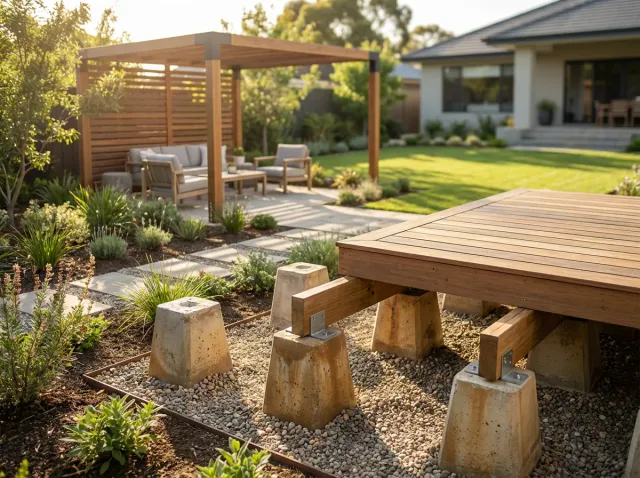
Deck Footings Calculator
Deck footing calculator — estimate footing size, depth, and concrete volume for your posts. Enter beam span, post spacing, and soil type for specs.
Frequently Asked Questions
What is fill dirt, and how is it different from topsoil?
Fill dirt is the layer of soil found below the topsoil, typically starting two or more feet beneath the surface. It is low in organic matter, which makes it stable and less prone to settling over time. Topsoil, by contrast, is the nutrient rich upper layer where plants grow. It decomposes and can shift, which is why it is not ideal for structural work. Think of fill dirt as the foundation for grading and volume, and topsoil as the finish layer for growing plants.
What is fill dirt used for?
Fill dirt is used to add volume and change elevation. Homeowners use it to fill low spots, raise the grade around a foundation so water drains away, and level ground before laying a patio, driveway, or other surface. Contractors use it for grading lots, backfilling around walls, filling eroded areas, and preparing a site before pouring concrete. It is a structural material, not a growing medium, so plan to add topsoil if you intend to grow grass or gardens on top.
What is the best fill dirt for my project?
The best fill dirt is clean and free of debris like asphalt, rocks, or trash. Clean fill dirt compacts well and stays in place. Well-graded or sandy fill dirt is generally the stronger choice as it drains better, compacts more predictably, and is less prone to swelling or shifting with moisture changes. Clay-heavy fill can be problematic for most applications as it expands and contracts with moisture, which can cause heaving and instability over time. Hello Gravel sources fill dirt from a vetted network of local haulers, ensuring you receive material that is appropriate for your area. If you have questions about composition for your project, the Hello Gravel team can help.
Can I use fill dirt to level my yard?
Yes. Fill dirt is commonly used to level a yard by adding volume to low spots or sloped areas. For small adjustments you can spread it and rake it yourself. For larger changes, use equipment to spread and compact the material in lifts. If you plan to grow grass, cap the area with 4 to 6 inches of topsoil after leveling. To estimate how much fill you need, use the Hello Gravel calculator. For example, at 6 inches depth, 10 cubic yards covers about 540 square feet, but the calculator will give a precise number for your area.
Will grass or plants grow in fill dirt?
Grass and plants do not grow well directly in fill dirt because it is low in nutrients and organic matter. It is common to place fill dirt to change the grade and then add 4 to 6 inches of topsoil on top for growing grass or gardens. If you are not planning to plant, you can proceed without topsoil. If you are growing, plan the topsoil cap from the start and consider ordering both materials through Hello Gravel.
Other Material Calculators
Delivery Logistics & Truck Info
Know your delivery options and access requirements before scheduling your order.
Truck Capacities
- Standard Dump Truck 10–14 tons
- Tandem Axle 14–18 tons
- Semi End Dump 20–25 tons
A standard cubic yard weighs approximately 2,000–2,700 lbs depending on material and moisture.
Site Access Requirements
- Trucks require a minimum 12-ft wide, overhead-clear access path
- Soft ground or slopes over 10% may limit truck access — contact us before ordering
- Ensure no underground utilities or irrigation lines are in the drop zone
- Mark your desired drop location clearly before delivery
Important Notes
- Delivery estimates are based on available inventory and route proximity
- Minimum order quantities apply — typically 5 cubic yards or 1 truckload
- Material certification is available upon request for permitted projects
- Always confirm local grading ordinances before major material placement