
Culvert Calculator
— How Much Do You Need?
Quick culvert material calculator: estimate gravel, bedding stone, and truckload needs for accurate delivery.
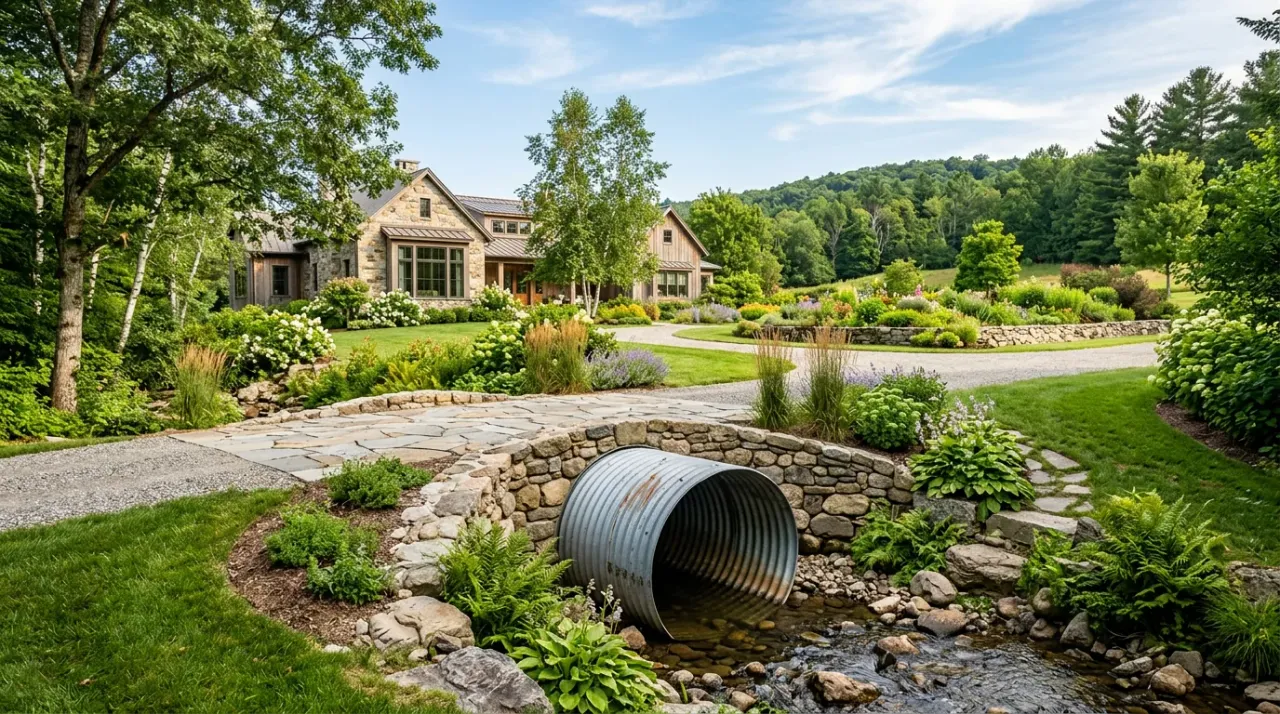
How to Use This Culvert Calculator
Planning a culvert requires precise measurements to ensure you order enough material without overspending.
- 1 Measure Area: Measure the length and width of your planned culvert area in feet.
- 2 Determine Depth: For most culvert projects, a depth of 4 to 6 inches is recommended for stability.
- 3 Review Results: The calculator provides both cubic yards (for bulk volume) and tons (for ordering weight).
Common Materials for Culverts
Proper aggregate selection for bedding, backfill, and erosion protection is critical to ensuring structural stability, positive drainage, and long-term culvert performance under load.
| Material | Description | Best For | Est. Cost |
|---|---|---|---|
| #57 Crushed Stone | Clean, angular 3/4-inch to 1-inch crushed stone with excellent drainage characteristics and minimal fines. | Pipe Bedding, Haunch Backfill, Select Backfill, Load Distribution | $$ |
| Crusher Run (QP) | Dense-graded crushed stone blend ranging from 3/4-inch down to fines, compacting into a stable, interlocked mass. | High-Traffic Base, Structural Backfill, Embankment Fill | $ |
| Riprap | Large, angular cobbles or broken stone typically 6 to 12 inches in size used for heavy-duty erosion control. | Inlet Protection, Outlet Scour Control, Embankment Armor | $$$ |
| Pea Gravel | Smooth, rounded gravel particles ranging from 1/4 to 3/8 inch in diameter with a uniform gradation. | Pipe Cushion Bedding, Uniform Embedment, Limited Use | $$ |
Understanding the Cost
Several factors influence the final price of your culvert project.
Material Volume
The dimensions of your project directly dictate the tonnage needed. Deeper bases require significantly more material.
Delivery Distance
Transport logistics play a major role. Being closer to the quarry or depot reduces delivery fees significantly.
Material Type
Decorative stones cost more than utility grades. Choose based on your project's functional and aesthetic requirements.
Recommended Products for Your Culvert
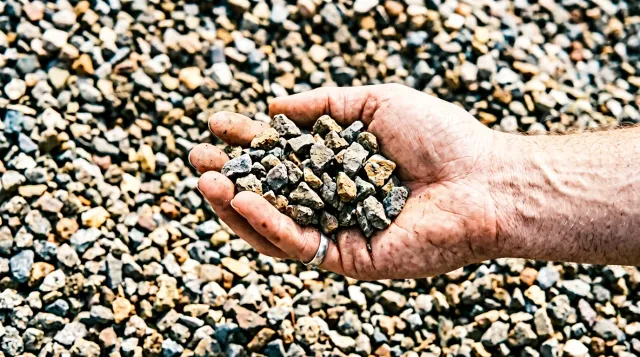
Gravel Calculator
This gravel calculator estimates cubic yards, tons, and coverage for any area. Enter dimensions and depth for driveways, patios, paths, and landscaping.
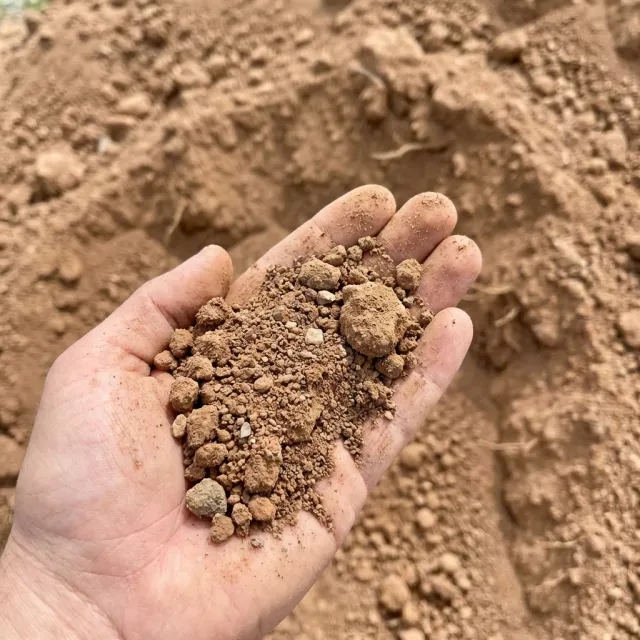
Fill Dirt Calculator
This calculator estimates fill dirt volume with a built-in compaction factor so you order enough. Works for grading, foundations, and backfill projects.
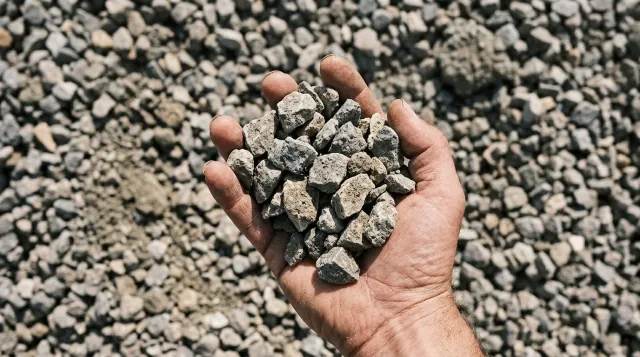
Crushed Stone Calculator
This calculator estimates crushed stone quantity and weight. Enter dimensions for results in cubic feet, cubic yards, and tons with density factored in.
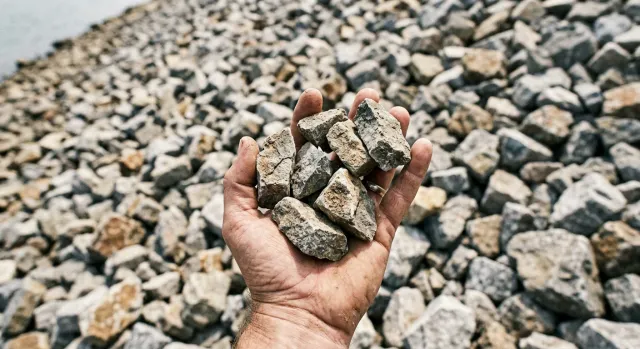
Rip Rap Calculator
Rip rap calculator — estimate tonnage based on your slope or shoreline dimensions. Converts between cubic yards, cubic feet, and tons for erosion control.
Frequently Asked Questions
What is a culvert, and what does it do?
A culvert is a pipe or enclosed channel that lets water pass underneath a road or driveway instead of crossing over it. It keeps drainage flowing, reduces erosion, and connects the ditch system with the crossing. The pipe is just one part of the system; bedding beneath, backfill around it, and a compacted surface on top are also critical for long-term performance.
What is the difference between a culvert and a ditch?
A ditch is an open shallow channel that carries surface water along the ground. A culvert is a pipe that goes under a crossing (like a driveway) so water can continue to move through the ditch system without pooling at the crossing. They work together to keep drainage moving smoothly.
Does every driveway need a culvert?
Not every driveway needs one, but if your driveway crosses a roadside ditch or water path, you likely do. A culvert lets water pass under the driveway and helps prevent erosion, flooding, and road damage. Local rules may require a culvert or permit for new driveways.
What are the main types of culverts?
The three main types are pipe culverts, box culverts, and arch culverts. Pipe culverts are the common round pipes made from corrugated metal or HDPE. Box culverts are square or rectangular and made from concrete. Arch culverts span wider openings and are used on larger roads or drainage projects.
Why do you need gravel under and around a culvert?
Gravel provides a stable base and helps water drain away. Bedding under the pipe creates a level foundation to prevent settling and cracking. Backfill gravel around and above the pipe protects it from crushing and allows drainage. A properly bedded and backfilled culvert lasts longer.
More Project Calculators
Playground Calculator
This calculator estimates mulch, rubber, or wood fiber surfacing for playgrounds. Enter area and recommended depth to get cubic yards and tons.
Chicken Coop Calculator
Use this calculator to estimate how much gravel your coop base requires. Input dimensions and depth for volume in cubic yards and stone type guidance.
Basketball Court Calculator
Court base calculator — estimate gravel, sand, and sub-base quantities for backyard or regulation basketball courts. Input court size for material totals.
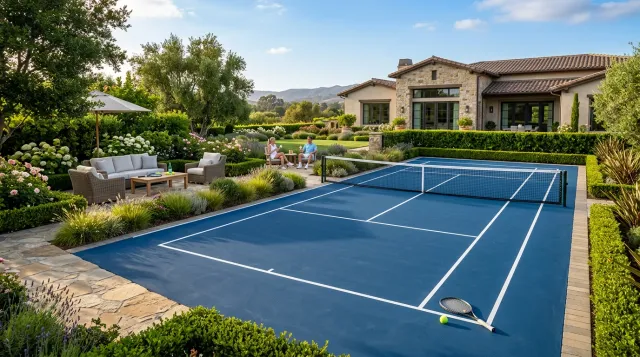
Tennis Court Calculator
Use this calculator to estimate the crushed stone base for a new or resurfaced tennis court. Enter dimensions and depth for volume and tonnage.
Delivery Logistics & Truck Info
Know your delivery options and access requirements before scheduling your order.
Truck Capacities
- Standard Dump Truck10–14 tons
- Tandem Axle14–18 tons
- Semi End Dump20–25 tons
A standard cubic yard weighs approximately 2,000–2,700 lbs depending on material and moisture.
Site Access Requirements
- Trucks require a minimum 12-ft wide, overhead-clear access path
- Soft ground or slopes over 10% may limit truck access — contact us before ordering
- Ensure no underground utilities or irrigation lines are in the drop zone
- Mark your desired drop location clearly before delivery
Important Notes
- Delivery estimates are based on available inventory and route proximity
- Minimum order quantities apply — typically 5 cubic yards or 1 truckload
- Material certification is available upon request for permitted projects
- Always confirm local ordinances before major material placement