
Chicken Coop Cost Calculator
— How Much Do You Need?
Quickly estimate bulk gravel, sand, or topsoil for your coop base, run, and pads — fast truckload delivery.
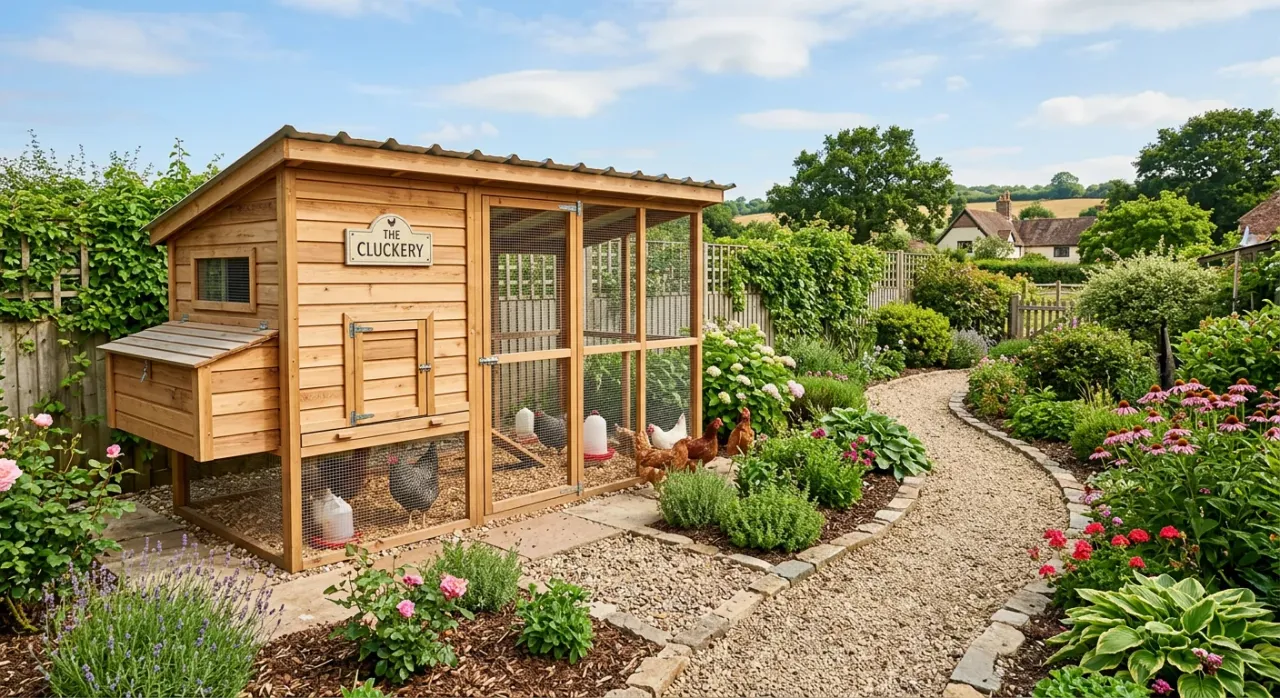
How to Use This Chicken Coop Calculator
Planning a chicken coop requires precise measurements to ensure you order enough material without overspending.
- 1 Measure Area: Measure the length and width of your planned chicken coop area in feet.
- 2 Determine Depth: For most chicken coop projects, a depth of 4 to 6 inches is recommended for stability.
- 3 Review Results: The calculator provides both cubic yards (for bulk volume) and tons (for ordering weight).
Common Materials for Chicken Coops
Choosing the right base material ensures proper drainage, predator deterrence, and a stable foundation for both the coop structure and attached run.
| Material | Description | Best For | Est. Cost |
|---|---|---|---|
| #57 Crushed Stone | Angular, 3/4-inch crushed limestone or granite fragments that compact firmly while allowing water to drain freely. | Coop Base Pad, Run Flooring, Predator-Proof Apron, Drainage Layer | $$ |
| Crusher Run (QP) | A blend of crushed stone fines and aggregate particles ranging from 3/4 inch down to dust, creating a dense, interlocking layer when compacted. | Subbase Leveling, Coop Pad Foundation, High-Traffic Run Areas | $ |
| Fill Dirt | Unscreened native soil excavated from construction sites, composed of clay, silt, and small aggregate with no organic material. | Site Grading, Subgrade Leveling, Pre-Gravel Base Prep | $ |
| Coarse Sand | Coarsely graded, angular to sub-rounded sand particles typically ranging from 0.5 to 2mm in diameter with minimal fines. | Dust Bath Areas, Nesting Box Litter Base, Limited Use | $ |
Understanding the Cost
Several factors influence the final price of your chicken coop project.
Material Volume
The dimensions of your project directly dictate the tonnage needed. Deeper bases require significantly more material.
Delivery Distance
Transport logistics play a major role. Being closer to the quarry or depot reduces delivery fees significantly.
Material Type
Decorative stones cost more than utility grades. Choose based on your project's functional and aesthetic requirements.
Recommended Products for Your Chicken Coop

Gravel Calculator
This gravel calculator estimates cubic yards, tons, and coverage for any area. Enter dimensions and depth for driveways, patios, paths, and landscaping.
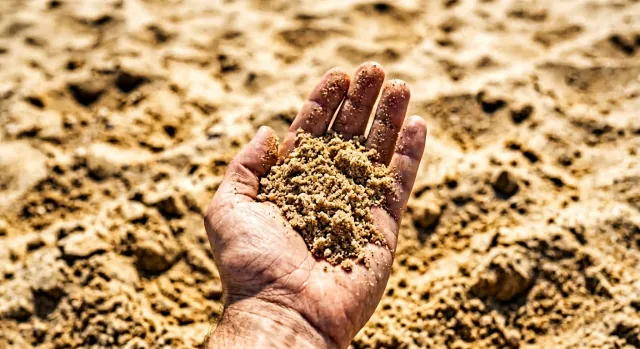
Sand Calculator
Use this sand calculator to estimate cubic yards, tons, and bags. Covers fill, leveling, and bedding sand with weight and cost estimates included.
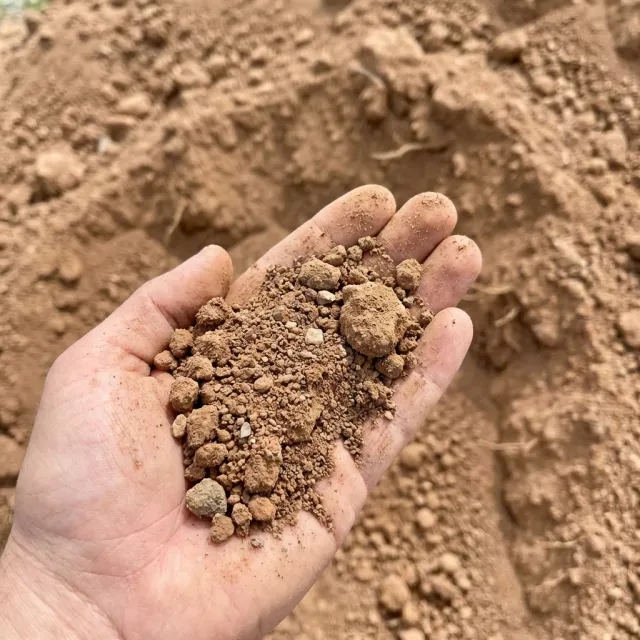
Fill Dirt Calculator
This calculator estimates fill dirt volume with a built-in compaction factor so you order enough. Works for grading, foundations, and backfill projects.
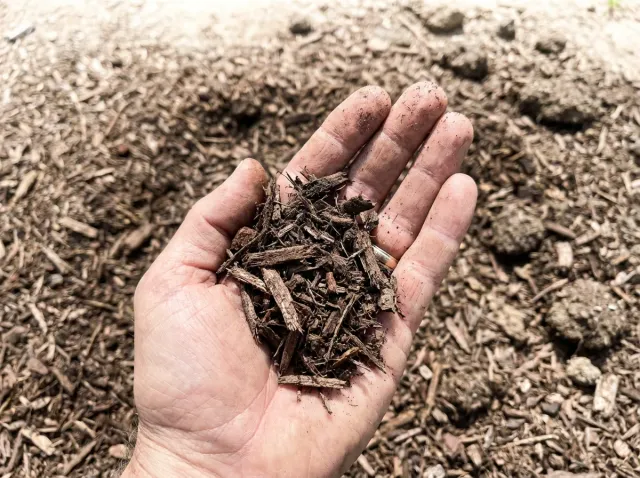
Mulch Calculator
Mulch calculator — enter bed dimensions and depth to estimate how many cubic yards or bags your landscaping project requires. Results update instantly.
Frequently Asked Questions
What is the best gravel or aggregate material for a chicken run?
When it comes to chicken runs, drainage and stable footing are your two biggest priorities, and the right aggregate material addresses both at once. Pea gravel is a popular choice because its smooth, rounded texture is comfortable for chickens to walk on and easy for you to rake clean. Crushed stone, such as 3/4-inch clean crushed stone, packs down more firmly and creates excellent drainage for areas that see a lot of rain or have heavy clay soil underneath. If your run sits on particularly soft or poorly draining ground, a layered approach works well. A base layer of crushed stone handles drainage, while a top layer of coarser sand or pea gravel gives your birds a comfortable, clean surface to walk and forage on. Both options resist turning to mud in wet weather, which is one of the most common and frustrating problems backyard chicken keepers deal with. Getting the right material down from the start saves you a lot of cleanup and rework over time. Hello Gravel offers gravel and crushed stone for bulk delivery to your property. Use the Hello Gravel calculator to estimate how much you need based on your run dimensions, or reach out to the team if you want help choosing the right material for your specific setup.
How much gravel or sand do I need for a chicken run?
The amount you need depends on the size of your run and how deep you want your material layer. For most chicken runs, a depth of 3 to 4 inches is a solid starting point. At 3 inches deep, one cubic yard of material covers roughly 100 square feet. So a 10-foot by 20-foot run, which is 200 square feet, would need around 2 cubic yards at that depth. If you want to go 4 inches deep for better drainage on clay-heavy or low-lying ground, plan for a bit more material. It is always better to have a little extra than to run short mid-project. Keep in mind that Hello Gravel delivers materials in bulk by the truckload. If your run is on the smaller side, it is worth thinking about other projects on your property at the same time, such as a path to the coop or a leveling base under the coop itself, so you can make the most of your delivery. The best way to get an accurate number is to plug your exact dimensions and target depth into the Hello Gravel calculator. If you are unsure what depth makes sense for your soil or climate, the Hello Gravel team is happy to walk you through it.
Why is proper drainage so important under and around a chicken coop?
Poor drainage creates a chain reaction of problems that most chicken keepers do not anticipate until they are already dealing with them. When water pools under or around the coop, it creates persistently muddy conditions that are hard on your chickens' feet, attract flies and rodents, and cause the wood structure of the coop to rot much faster than it otherwise would. Wet bedding inside the coop is also a source of respiratory issues for your flock, especially during cooler months. A base of gravel or crushed stone under and around the coop helps water drain away quickly instead of sitting on the surface. Even a 4-inch layer of crushed stone under the coop footprint and throughout the run makes a meaningful difference, particularly in wet climates or on ground that does not drain naturally. Think of the material beneath your coop as infrastructure doing quiet but important work every time it rains. Getting that base layer right from day one saves you time, money, and a great deal of frustration down the road. Hello Gravel can deliver the gravel or crushed stone you need to build that drainage base properly. Reach out to the team or use the calculator to figure out how much your project requires.
What are the most common site preparation mistakes when setting up a chicken coop?
The most frequent mistake is skipping site preparation entirely and placing the coop directly on bare soil. Bare soil compacts over time, drains poorly, and quickly turns muddy in wet weather. It also gives burrowing predators a much easier path under the coop and into the run. A second common mistake is choosing a low-lying spot that collects runoff from the rest of the yard. Even ground that looks relatively level can be a collection point for water during heavy rain. Over time, that standing water creates the exact muddy, unsanitary conditions you are trying to avoid. A third issue is using too thin a layer of material. A light dusting of gravel looks tidy at first but does not provide meaningful drainage or stability. Three to four inches of compacted gravel or crushed stone is what actually holds up over time. Skimping on depth usually means adding more material later anyway, so it is worth doing it right the first time. Taking time to grade the site, lay down an adequate base, and position the coop on well-drained, slightly elevated ground will pay off for years. If you are not sure how to assess your site or how much material you need to correct it, the Hello Gravel team can help you think through the plan before you order.
Where should I place my chicken coop, and how does the ground surface affect that decision?
Placement makes a bigger difference than most people expect. The best spot for a coop gets some shade during the hottest part of the day, has good air circulation, and sits on ground that drains well after rain. You want to avoid the lowest areas of your yard, spots that sit in constant shadow and stay damp, and areas directly under large trees where debris and moisture accumulate. The ground surface under and around the coop plays a central role in how easy your setup is to maintain. A gravel or crushed stone base keeps the area from turning into a muddy mess, makes cleanup faster and easier, and helps deter animals from digging underneath the structure. If your preferred spot has soft, uneven, or sloped ground, fill dirt can be used to bring it up and level it out before you lay your gravel base. If you are working with a noticeably sloped yard, a modest amount of fill dirt can help you create a level pad first, and then your gravel base goes on top of that. Hello Gravel offers both fill dirt and a range of gravel options for exactly this kind of two-step site prep. The team can help you figure out what combination makes sense for your specific ground conditions.
More Project Calculators
Playground Calculator
This calculator estimates mulch, rubber, or wood fiber surfacing for playgrounds. Enter area and recommended depth to get cubic yards and tons.
Basketball Court Calculator
Court base calculator — estimate gravel, sand, and sub-base quantities for backyard or regulation basketball courts. Input court size for material totals.

Tennis Court Calculator
Use this calculator to estimate the crushed stone base for a new or resurfaced tennis court. Enter dimensions and depth for volume and tonnage.

Pergola Calculator
Pergola calculator — estimate how much gravel or crushed stone you need under footings and pad. Input dimensions for cubic yards, tons, and cost.
Delivery Logistics & Truck Info
Know your delivery options and access requirements before scheduling your order.
Truck Capacities
- Standard Dump Truck10–14 tons
- Tandem Axle14–18 tons
- Semi End Dump20–25 tons
A standard cubic yard weighs approximately 2,000–2,700 lbs depending on material and moisture.
Site Access Requirements
- Trucks require a minimum 12-ft wide, overhead-clear access path
- Soft ground or slopes over 10% may limit truck access — contact us before ordering
- Ensure no underground utilities or irrigation lines are in the drop zone
- Mark your desired drop location clearly before delivery
Important Notes
- Delivery estimates are based on available inventory and route proximity
- Minimum order quantities apply — typically 5 cubic yards or 1 truckload
- Material certification is available upon request for permitted projects
- Always confirm local ordinances before major material placement