
Tennis Court Calculator
— How Much Do You Need?
Calculate truckload quantities of crushed stone, base material, drainage rock, and sand for your tennis court project.
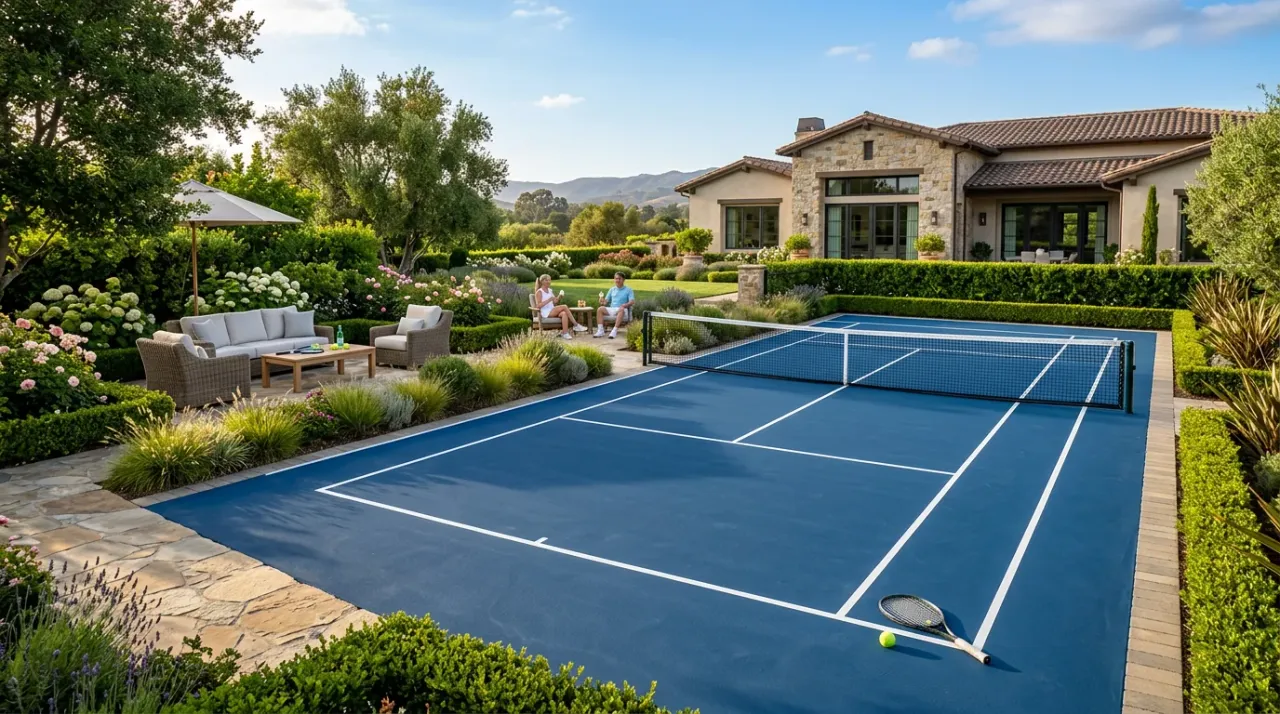
How to Use This Tennis Court Calculator
Planning a tennis court requires precise measurements to ensure you order enough material without overspending.
- 1 Measure Area: Measure the length and width of your planned tennis court area in feet.
- 2 Determine Depth: For most tennis court projects, a depth of 4 to 6 inches is recommended for stability.
- 3 Review Results: The calculator provides both cubic yards (for bulk volume) and tons (for ordering weight).
Common Materials for Tennis Courts
Proper aggregate selection and compaction are critical for tennis court longevity, as an unstable or poorly drained base leads to surface cracking, settling, and uneven play conditions.
| Material | Description | Best For | Est. Cost |
|---|---|---|---|
| Crusher Run (QP) | Blended crushed stone and stone dust ranging from 3/4 inch down to fines, forming a dense, self-binding compacted layer. | Subbase Compaction, Base Course, Load-Bearing Foundation | $ |
| #57 Crushed Stone | Clean, angular crushed stone nominally 3/4 inch in size with excellent void space for drainage and compaction. | Aggregate Base Course, Drainage Layer, Under Asphalt or Concrete | $$ |
| #21A Crushed Limestone | Graded crushed limestone blend of coarse and fine particles, 1 inch minus, that compacts to a stable, firm surface. | Subbase Stabilization, Expansive Soil Correction, Base Layer Compaction | $ |
| Concrete Sand (ASTM C33) | Fine, washed natural or manufactured sand with particles typically between 0.15 mm and 4.75 mm meeting ASTM C33 gradation. | Drainage Cushion Layer, Synthetic Overlay Bedding, Limited Use | $ |
Understanding the Cost
Several factors influence the final price of your tennis court project.
Material Volume
The dimensions of your project directly dictate the tonnage needed. Deeper bases require significantly more material.
Delivery Distance
Transport logistics play a major role. Being closer to the quarry or depot reduces delivery fees significantly.
Material Type
Decorative stones cost more than utility grades. Choose based on your project's functional and aesthetic requirements.
Recommended Products for Your Tennis Court
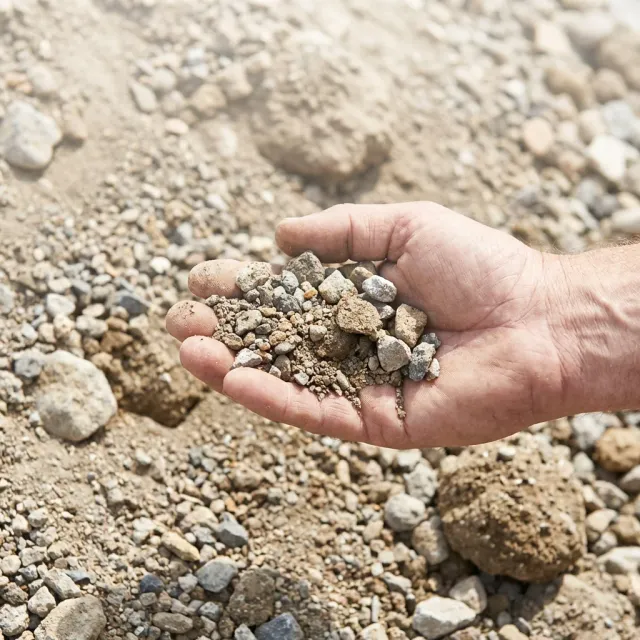
Road Base Calculator
Road base calculator — enter length, width, and depth to estimate volume and tonnage for crushed limestone, recycled concrete, and aggregate base.
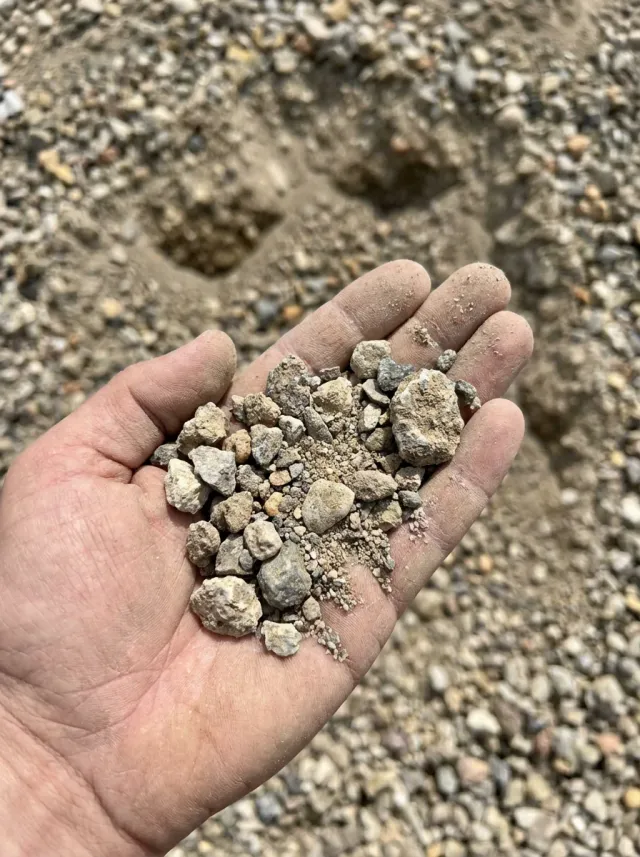
Class 5 Gravel Calculator
Calculate and estimate Class 5 aggregate for driveways, parking areas, and roads. Enter your area to get volume and weight with compaction depth guidance.
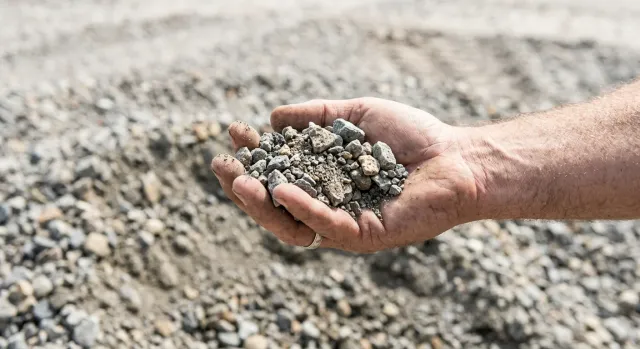
Crusher Run Calculator
Crusher run calculator — enter width, length, and thickness to estimate cubic yards and tons for a solid, compactable driveway or parking pad base.
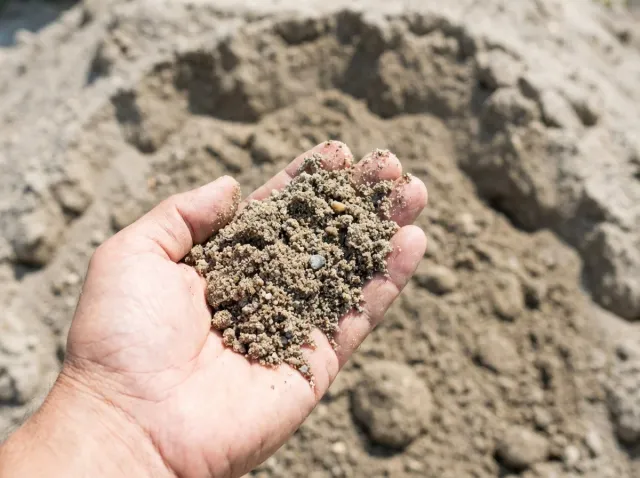
Concrete Sand Calculator
Concrete sand calculator — estimate volume and weight based on your project's length, width, and depth. Results in cubic yards and tons, ready for ordering.
Frequently Asked Questions
What size is a standard tennis court, and why does it matter when ordering aggregate?
A standard tennis court has a playing surface that measures 78 feet long by 36 feet wide for doubles play, or 78 feet long by 27 feet wide for singles. However, the run-off space around the perimeter matters for safety, so the recommended footprint for a recreational hard court is at least 120 feet by 60 feet, or 7,200 square feet. That footprint is what you must excavate, grade, and base with stone. When calculating how much gravel, crushed stone, or crusher run to order, use the full 120 by 60 area. If your court is a different size, plug your exact dimensions into the Hello Gravel calculator for a precise estimate.
What are the four types of tennis courts, and how does each one affect the aggregate base I need?
The four main types of tennis courts are hard courts, clay courts, grass courts, and indoor carpet courts. Each type uses a different finished surface, but all need a solid aggregate base underneath. Hard courts are usually finished with asphalt or concrete on top of a compacted crushed stone base. Clay courts also require a compacted stone base before the clay. Grass courts rely on stable, well-draining soil and a proper grade, while indoor carpet courts involve base work mainly for floor prep. Hello Gravel can supply the base materials in bulk by the truckload for these projects.
What type of aggregate works best as a base for a tennis court?
The best aggregate depends on the court type, but most residential courts use one or more layers of compacted crushed stone. For a hard court, a base layer of crusher run or processed gravel that compacts tightly is common, often followed by a thinner clean crushed stone layer before the surface goes down. For a clay court, the stone base provides drainage and structure, with coarser stone at the bottom and finer materials above before the clay goes on. Drainage is essential to prevent water from pooling and causing issues.
How deep should the aggregate base be under a tennis court?
For most hard court or clay court builds, the base should be at least 4 to 6 inches of compacted crushed stone. Some facilities use up to 8 inches in heavy-use areas or where ground conditions require it. Depth depends on soil, drainage, climate, and use. If your subgrade drains well, 4 inches may be enough; if not, you may want more. A typical 7,200 square foot court at 4 inches of depth needs about 133 tons; at 6 inches, about 200 tons. Use the Hello Gravel calculator for a precise figure based on your dimensions and depth.
How much aggregate will I need to order for a full tennis court base?
For a standard 120 by 60 foot court, about 133 tons of crushed stone or crusher run are needed at 4 inches of compacted depth, and about 200 tons at 6 inches. If you are building multiple layers for a clay court, count each layer separately. These numbers assume typical compaction and material types; your exact tonnage can vary with material gradation and installation methods. Hello Gravel is built for bulk truckload deliveries, and the calculator will give you an exact quantity for your dimensions and depth.
More Project Calculators
Playground Calculator
This calculator estimates mulch, rubber, or wood fiber surfacing for playgrounds. Enter area and recommended depth to get cubic yards and tons.
Chicken Coop Calculator
Use this calculator to estimate how much gravel your coop base requires. Input dimensions and depth for volume in cubic yards and stone type guidance.
Basketball Court Calculator
Court base calculator — estimate gravel, sand, and sub-base quantities for backyard or regulation basketball courts. Input court size for material totals.
Pergola Calculator
Pergola calculator — estimate how much gravel or crushed stone you need under footings and pad. Input dimensions for cubic yards, tons, and cost.
Delivery Logistics & Truck Info
Know your delivery options and access requirements before scheduling your order.
Truck Capacities
- Standard Dump Truck10–14 tons
- Tandem Axle14–18 tons
- Semi End Dump20–25 tons
A standard cubic yard weighs approximately 2,000–2,700 lbs depending on material and moisture.
Site Access Requirements
- Trucks require a minimum 12-ft wide, overhead-clear access path
- Soft ground or slopes over 10% may limit truck access — contact us before ordering
- Ensure no underground utilities or irrigation lines are in the drop zone
- Mark your desired drop location clearly before delivery
Important Notes
- Delivery estimates are based on available inventory and route proximity
- Minimum order quantities apply — typically 5 cubic yards or 1 truckload
- Material certification is available upon request for permitted projects
- Always confirm local ordinances before major material placement