Playground Calculator
— How Much Do You Need?
Estimate tons and truckloads of wood fiber, sand or rubber mulch for safe playground surfacing.
How to Use This Playground Calculator
Planning a playground requires precise measurements to ensure you order enough material without overspending.
- 1 Measure Area: Measure the length and width of your planned playground area in feet.
- 2 Determine Depth: For most playground projects, a depth of 4 to 6 inches is recommended for stability.
- 3 Review Results: The calculator provides both cubic yards (for bulk volume) and tons (for ordering weight).
Common Materials for Playgrounds
Choosing the right material ensures proper impact attenuation, drainage, and safety compliance for the critical fall heights associated with playground equipment.
| Material | Description | Best For | Est. Cost |
|---|---|---|---|
| Pea Gravel | Smooth, rounded ⅜-inch stone particles, naturally tumbled and free of sharp edges. | Loose-Fill Surfacing, Impact Attenuation, Equipment Up to 5 Ft High | $ |
| #57 Crushed Stone | Angular, 3/4-inch washed crushed stone that compacts firmly while allowing water drainage. | Sub-Base Drainage, Equipment Footings, Compacted Base Layer | $ |
| Mason Sand | Fine, washed angular sand with uniform particle size, free of silt and organic material. Suitable for leveling and base prep but not approved as playground safety surfacing. | Leveling Base Layer, Sub-Surface Bedding, Not Recommended as Primary Surface Fill | $ |
| Fill Dirt | Unscreened native soil used for bulk grading and elevation changes, variable in composition. | Site Grading, Subgrade Preparation, Limited Use | $ |
Understanding the Cost
Several factors influence the final price of your playground project.
Material Volume
The dimensions of your project directly dictate the tonnage needed. Deeper bases require significantly more material.
Delivery Distance
Transport logistics play a major role. Being closer to the quarry or depot reduces delivery fees significantly.
Material Type
Decorative stones cost more than utility grades. Choose based on your project's functional and aesthetic requirements.
Recommended Products for Your Playground
Pea Gravel Calculator
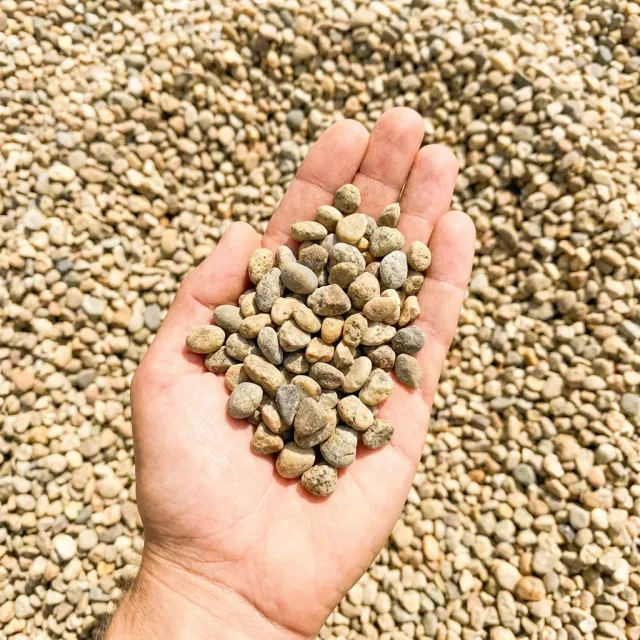
Pea gravel calculator — enter your project dimensions to estimate volume in cubic yards, tons, and bags. Ideal for pathways, patios, and ground cover.
River Rock Calculator
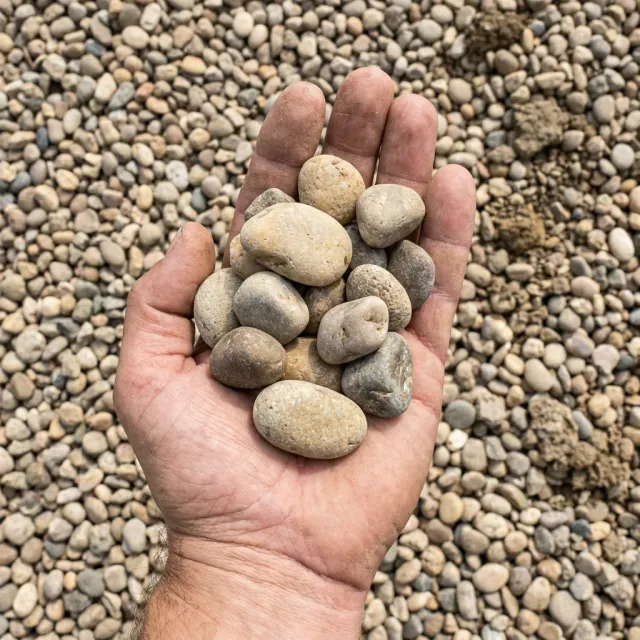
This calculator estimates river rock by the ton for flowerbeds, dry creek beds, and borders. Adjusts for rock size — larger stones cover less per ton.
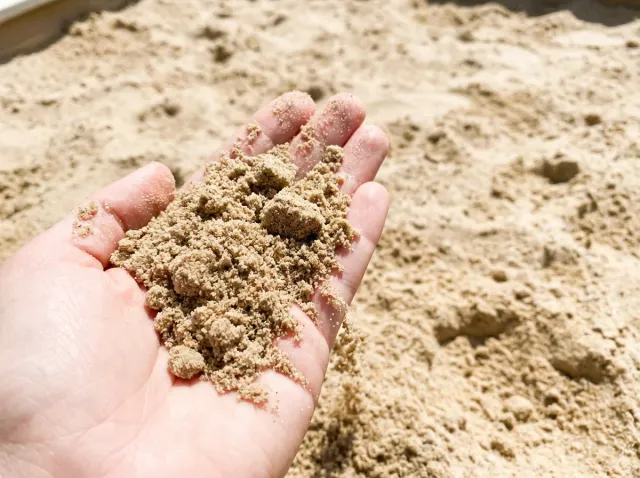
Play Sand Calculator
Play sand calculator — estimate exactly how many pounds or bags will fill your sandbox or sand table. Supports rectangular and circular shapes at any depth.
Frequently Asked Questions
What types of aggregate materials work best for playground surfacing?
The two most popular choices for playground surfacing are pea gravel and coarse play sand. Pea gravel is a smooth, rounded stone, typically around 3/8 inch in size, that drains well, resists compaction, and holds up to heavy foot traffic. Play sand is finer and softer, making it a natural fit for sandbox areas and play zones designed for younger children. Both materials are available through Hello Gravel in bulk truckload quantities. The right material often comes down to your personal preference, your children's ages, and how you want the area to look and function day to day. Pea gravel tends to stay put better under swings and high-traffic spots, while sand offers a softer feel and is easier for little ones to dig in. If you are not sure which one fits your project best, the Hello Gravel team is happy to talk it through with you before you place your order.
How deep should playground surfacing material be to keep kids safe?
Depth is one of the most important factors when it comes to playground safety, so it is worth getting right before you order. The U.S. Consumer Product Safety Commission recommends a minimum of 9 inches of uncompressed loose-fill material for play equipment up to 8 feet tall, and at least 12 inches for equipment between 8 and 10 feet in height. Keep in mind that pea gravel and sand both compress over time with regular use. High-traffic spots, especially under swings and at the base of slides, tend to thin out faster than the rest of the area. Installing your surfacing a bit deeper than the minimum from the start gives you a buffer as the material settles. The protective zone should also extend at least 6 feet outward in every direction from the edges of your equipment. Planning for these factors upfront saves you from coming up short on material or having to reorder sooner than expected.
How much material do I need for my playground project?
The quantity you need depends on two things: the size of your play area and the depth of coverage you are targeting. As a practical reference point, covering a 400 square foot area (roughly 20 feet by 20 feet) at 9 inches of depth requires approximately 11 cubic yards of material, which works out to around 15 to 16 tons of pea gravel. Your actual number will vary depending on your dimensions, the specific material you choose, and how much you want to account for settling. The easiest way to land on the right quantity is to use the Hello Gravel online calculator. You enter your area dimensions and desired depth, and it gives you a precise estimate tailored to your project. That way you are not guessing, and you can order with confidence knowing you have enough material to do the job right.
Do I need a drainage base layer under my playground surfacing?
A drainage base is not always required, but it is a smart investment if your yard has clay-heavy soil or sits in an area that collects water after rain. When moisture gets trapped under loose-fill surfacing, it leads to pooling, compaction, and muddy conditions that reduce how well the material absorbs impact. A 4-inch layer of crushed stone or drainage gravel installed beneath your surfacing helps water move through quickly and keeps the top layer performing the way it should. If your yard has naturally sandy soil and drains well on its own, you may be able to go straight to your surfacing material without a base. When you are not sure, the Hello Gravel team can help you think through your site conditions and decide whether a base layer belongs in your order. Both the base material and the surfacing material can be delivered together or separately depending on your timeline.
How should I prepare the ground before my playground material is delivered?
Good site preparation makes a real difference in how long your playground surfacing holds up. Start by clearing the area of grass, roots, rocks, and any debris. Grade the surface so it is reasonably flat and address any low spots where water might pool after rain. Many homeowners lay a weed barrier fabric before adding their surfacing material. This simple step prevents weeds from growing up through the gravel or sand, which can be hard to deal with once the area is filled. Installing your edging or border before your delivery arrives is also a good move. It tells your driver exactly where the material is going and helps keep the deposit as close to your target zone as possible. Having the ground fully prepped before your delivery date means you can start spreading material right away without delay.
More Project Calculators
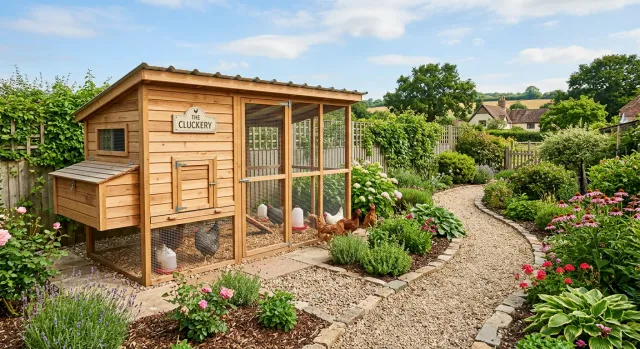
Chicken Coop Calculator
Use this calculator to estimate how much gravel your coop base requires. Input dimensions and depth for volume in cubic yards and stone type guidance.
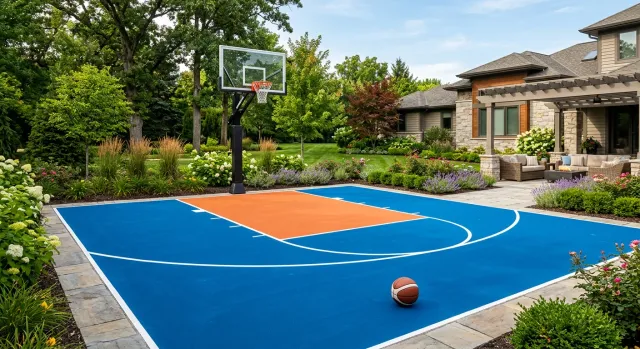
Basketball Court Calculator
Court base calculator — estimate gravel, sand, and sub-base quantities for backyard or regulation basketball courts. Input court size for material totals.
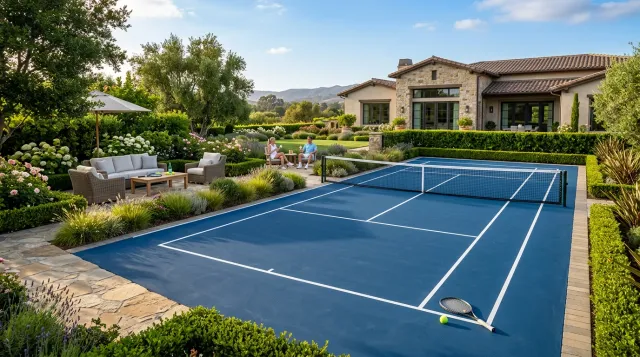
Tennis Court Calculator
Use this calculator to estimate the crushed stone base for a new or resurfaced tennis court. Enter dimensions and depth for volume and tonnage.
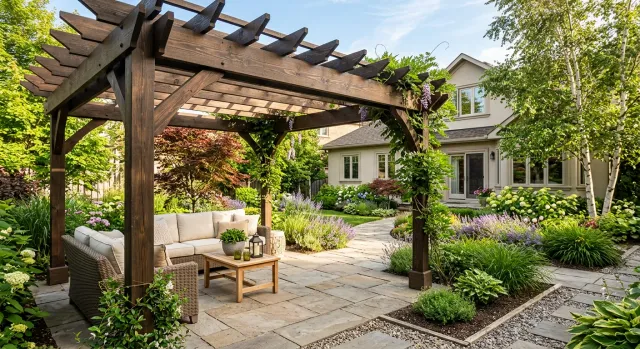
Pergola Calculator
Pergola calculator — estimate how much gravel or crushed stone you need under footings and pad. Input dimensions for cubic yards, tons, and cost.
Delivery Logistics & Truck Info
Know your delivery options and access requirements before scheduling your order.
Truck Capacities
- Standard Dump Truck10–14 tons
- Tandem Axle14–18 tons
- Semi End Dump20–25 tons
A standard cubic yard weighs approximately 2,000–2,700 lbs depending on material and moisture.
Site Access Requirements
- Trucks require a minimum 12-ft wide, overhead-clear access path
- Soft ground or slopes over 10% may limit truck access — contact us before ordering
- Ensure no underground utilities or irrigation lines are in the drop zone
- Mark your desired drop location clearly before delivery
Important Notes
- Delivery estimates are based on available inventory and route proximity
- Minimum order quantities apply — typically 5 cubic yards or 1 truckload
- Material certification is available upon request for permitted projects
- Always confirm local ordinances before major material placement