
Pergola Calculator
— How Much Do You Need?
Estimate gravel, sand, or crushed stone for pergola footings and base — truckload delivery.
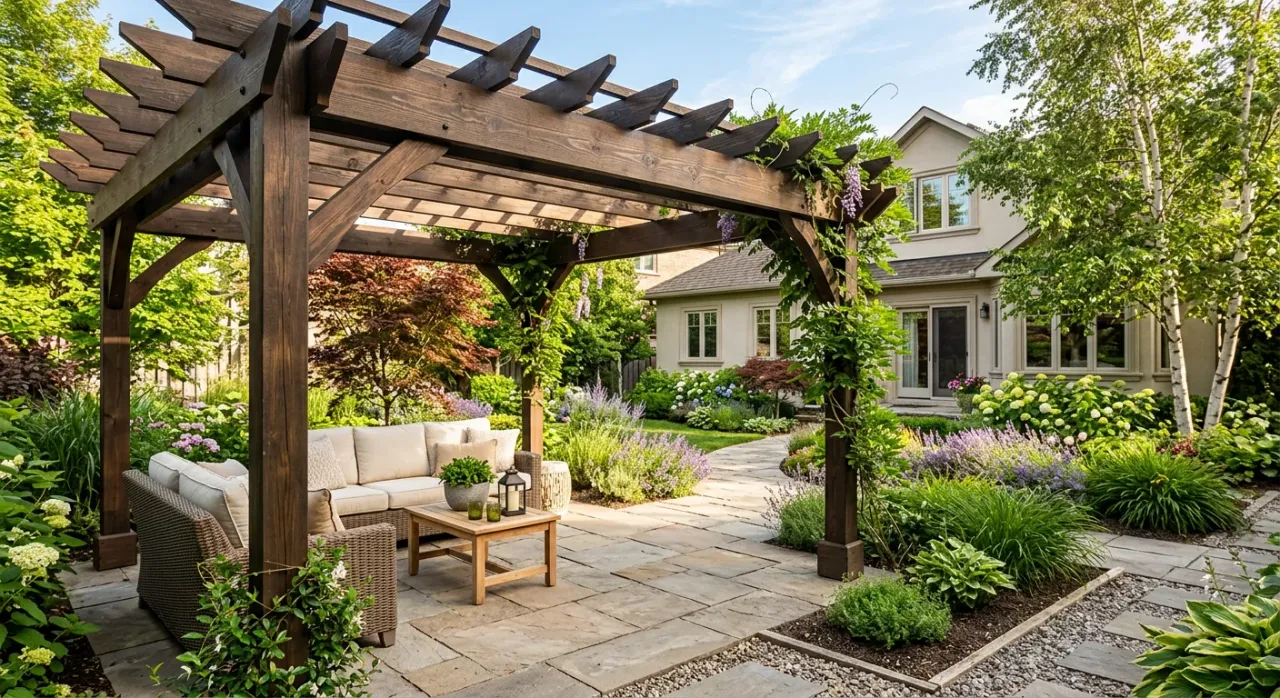
How to Use This Pergola Calculator
Planning a pergola requires precise measurements to ensure you order enough material without overspending.
- 1 Measure Area: Measure the length and width of your planned pergola area in feet.
- 2 Determine Depth: For most pergola projects, a depth of 4 to 6 inches is recommended for stability.
- 3 Review Results: The calculator provides both cubic yards (for bulk volume) and tons (for ordering weight).
Common Materials for Pergolas
Selecting the right base and footing material ensures proper drainage, compaction, and long-term stability for pergola posts under wind, snow, and frost loads.
| Material | Description | Best For | Est. Cost |
|---|---|---|---|
| #57 Crushed Stone | Angular, 3/4-inch clean crushed limestone or granite that resists compaction while allowing free drainage. | Footing Drainage Base, Post Hole Fill, Gravel Base Layer | $ |
| Crusher Run (QP) | Dense-graded aggregate blend of crushed stone fines and larger particles ranging from 3/4 inch down to dust, designed to compact tightly. | Compacted Sub-Base, Grade Stabilization, High Load-Bearing Areas | $ |
| Coarse Masonry Sand | Washed, coarse-grained sand with angular particles typically 0.5–2 mm in size, providing a workable leveling medium. | Post Base Leveling, Footing Form Bedding | $ |
| Fill Dirt | Compactible subsoil material, typically low in organics, used to raise or re-grade ground elevation before base installation. | Grade Adjustment, Low-Site Buildup, Limited Use | $ |
Understanding the Cost
Several factors influence the final price of your pergola project.
Material Volume
The dimensions of your project directly dictate the tonnage needed. Deeper bases require significantly more material.
Delivery Distance
Transport logistics play a major role. Being closer to the quarry or depot reduces delivery fees significantly.
Material Type
Decorative stones cost more than utility grades. Choose based on your project's functional and aesthetic requirements.
Recommended Products for Your Pergola
Gravel Calculator
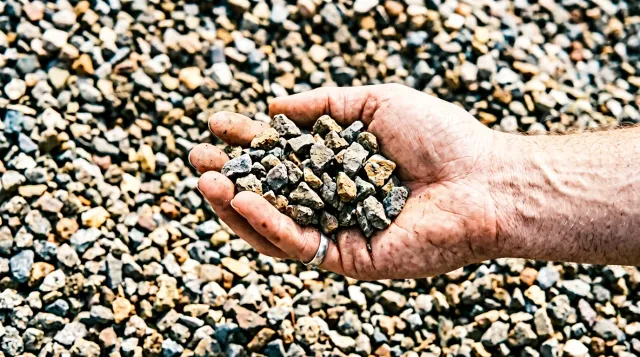
This gravel calculator estimates cubic yards, tons, and coverage for any area. Enter dimensions and depth for driveways, patios, paths, and landscaping.
Crushed Stone Calculator
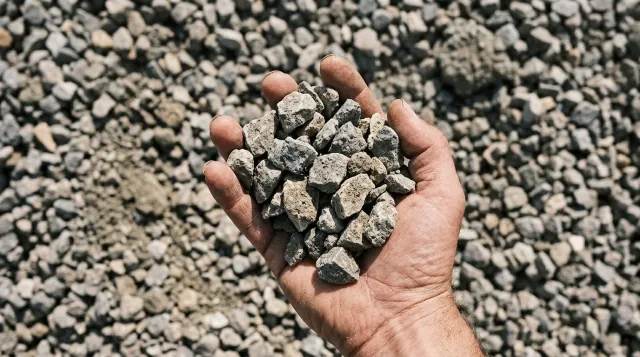
This calculator estimates crushed stone quantity and weight. Enter dimensions for results in cubic feet, cubic yards, and tons with density factored in.
Road Base Calculator
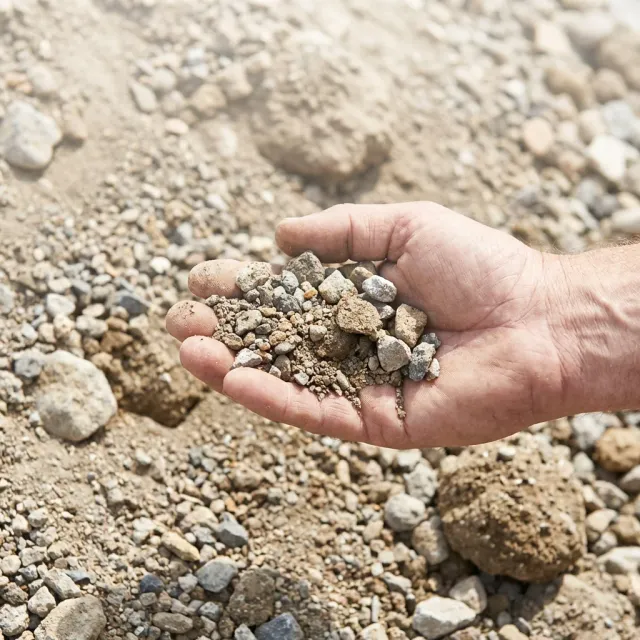
Road base calculator — enter length, width, and depth to estimate volume and tonnage for crushed limestone, recycled concrete, and aggregate base.
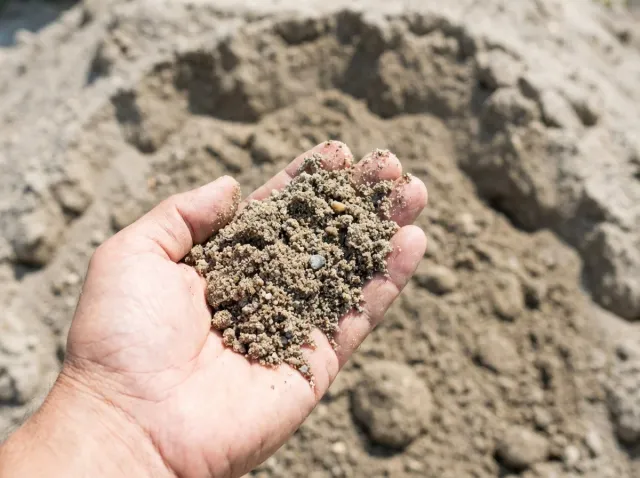
Concrete Sand Calculator
Concrete sand calculator — estimate volume and weight based on your project's length, width, and depth. Results in cubic yards and tons, ready for ordering.
Frequently Asked Questions
What aggregate materials does Hello Gravel supply for a pergola project?
Building a pergola involves a lot more than lumber and hardware. The ground underneath and around your structure needs the right aggregate foundation to look polished, drain properly, and stay stable over time. Hello Gravel delivers bulk crushed stone, road base, pea gravel, fill dirt, topsoil, crushed concrete, and other landscaping aggregates by the truckload, so you can cover every layer of your project from a single supplier. Whether you need to fill in low spots before you set your posts, build up a solid compacted base layer, or finish the surface with clean decorative gravel, we have materials to fit every phase of the job. You place your order online, pick your delivery date, and one of our vetted local haulers brings the material straight to your property. Free dump truck delivery, clear upfront pricing, and no surprises.
What is the difference between base gravel and decorative gravel, and do I need both for a pergola patio?
Base gravel and decorative gravel serve two completely different purposes, and a well-built pergola patio almost always benefits from having both. Base gravel, often called crusher run, road base, or dense-grade aggregate, is a blend of crushed stone and fine particles that lock together tightly when compacted. This creates a firm, stable foundation layer that resists shifting, supports weight, and allows water to drain through rather than pool beneath your structure. Think of it as the part nobody sees but everybody relies on. Decorative gravel sits on top of that compacted base. It is clean, loose, and selected for how it looks and feels underfoot. It does not compact the same way base material does, but it gives your space the finished, polished appearance that makes a pergola patio feel like a real outdoor room. For a pergola patio built from scratch, most landscapers recommend 4 inches of compacted base material as the foundation, topped with about 2 inches of decorative gravel on the surface. If you already have a solid, stable base in place and are just refreshing the look, you may only need to order a topdress of decorative material. Not sure what you have or what you need? Use the Hello Gravel calculator or reach out to our team and we can help you figure out the right combination before you order.
What type of decorative gravel looks and performs best under a pergola?
Pea gravel is one of the most popular choices for the finished surface under a pergola, and it earns that reputation. Its smooth, rounded shape is comfortable underfoot, which matters a lot if you plan to spend time in that space barefoot or with kids around. It drains extremely well, comes in warm natural earth tones, and gives outdoor living spaces a relaxed, inviting feel. Standard pea gravel typically runs about 3/8 to 1/2 inch in size and holds up well in most climates. Crushed stone is a strong alternative if you want a crisper, more angular look. The irregular edges interlock just enough to keep the material from shifting as much as pea gravel does, which makes it a practical choice if you plan to set patio furniture directly on the surface or if the space sees heavier foot traffic. Decomposed granite is another option worth considering. It compacts down to a smooth, sand-like surface that feels more like a solid patio than a loose gravel bed, which some homeowners prefer under a pergola used for dining or entertaining. The right choice ultimately comes down to how you plan to use the space and what look fits your yard. If you are weighing your options, reach out to the Hello Gravel team and we can help you find the right material based on your region and project goals.
How deep should my gravel layers be, and how much material will I need for my pergola project?
For a full pergola patio build starting from bare ground, the standard recommendation is 4 inches of compacted base material as your foundation layer, followed by approximately 2 inches of decorative gravel on the surface. That 4-inch base depth is the key to long-term stability. It gives you a well-drained, firm foundation that resists the kind of settling and shifting that happens when base material is too thin, especially in climates that experience freeze-thaw cycles. As a general starting point, 1 ton of gravel covers roughly 100 square feet at 2 inches of depth. At 4 inches of depth, that same ton covers about 50 square feet. To put that in real terms: a 12x16-foot pergola footprint covers 192 square feet. At 4 inches of compacted base depth, you are looking at approximately 4 tons of base material for that area, plus around 2 tons of decorative gravel at a 2-inch finish depth. Your actual needs will vary depending on your existing soil conditions, how much excavation is involved, and whether any grading or filling is required before you start layering. These figures are meant to give you a reasonable ballpark, not a final order number. For an accurate estimate based on your exact project dimensions, use the Hello Gravel calculator on our website. It takes less than a minute and gives you a tonnage figure you can order with confidence.
What ground preparation do I need before laying gravel under a pergola?
Good ground prep is what separates a pergola patio that looks great for years from one that sinks, shifts, or turns into a weed problem within a season or two. Taking the time to do this step right makes everything that follows much easier. Start by excavating the area to the appropriate depth. If you are planning to lay a 4-inch base layer plus a 2-inch decorative top layer, you need to dig down roughly 6 inches from your finished grade, plus a little extra to account for tamping and settling. Remove all grass and organic material from the excavated area. Organic matter breaks down over time and causes the ground to sink, which is the last thing you want under a gravel patio. After excavating, grade the area so there is a gentle slope away from your pergola posts and any adjacent structures. Even a 1-inch drop over 8 feet of run is enough to move rainwater away and prevent pooling. Once graded, tamp the native soil firmly before you add anything on top. Many homeowners then lay landscape fabric directly on the tamped soil before the first layer of gravel goes down. It allows water to drain freely while blocking weed growth from below. If your yard has significant low spots or uneven terrain that needs to be brought up before grading, fill dirt is the right material to start with. Hello Gravel delivers fill dirt by the truckload in addition to gravel, so you can handle the entire project with one supplier and one delivery window.
More Project Calculators
Playground Calculator
This calculator estimates mulch, rubber, or wood fiber surfacing for playgrounds. Enter area and recommended depth to get cubic yards and tons.
Chicken Coop Calculator
Use this calculator to estimate how much gravel your coop base requires. Input dimensions and depth for volume in cubic yards and stone type guidance.
Basketball Court Calculator
Court base calculator — estimate gravel, sand, and sub-base quantities for backyard or regulation basketball courts. Input court size for material totals.
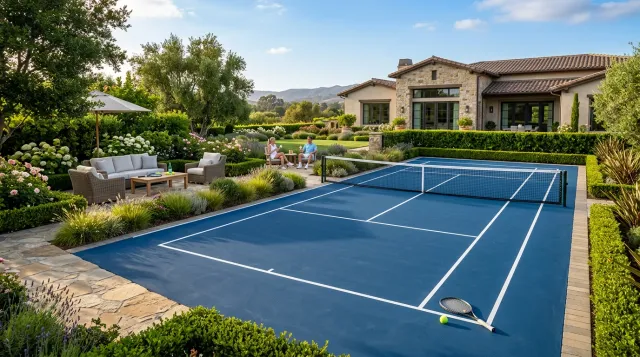
Tennis Court Calculator
Use this calculator to estimate the crushed stone base for a new or resurfaced tennis court. Enter dimensions and depth for volume and tonnage.
Delivery Logistics & Truck Info
Know your delivery options and access requirements before scheduling your order.
Truck Capacities
- Standard Dump Truck10–14 tons
- Tandem Axle14–18 tons
- Semi End Dump20–25 tons
A standard cubic yard weighs approximately 2,000–2,700 lbs depending on material and moisture.
Site Access Requirements
- Trucks require a minimum 12-ft wide, overhead-clear access path
- Soft ground or slopes over 10% may limit truck access — contact us before ordering
- Ensure no underground utilities or irrigation lines are in the drop zone
- Mark your desired drop location clearly before delivery
Important Notes
- Delivery estimates are based on available inventory and route proximity
- Minimum order quantities apply — typically 5 cubic yards or 1 truckload
- Material certification is available upon request for permitted projects
- Always confirm local ordinances before major material placement