
Berm Calculator
— How Much Do You Need?
Quick berm material calculator — estimate cubic yards, choose aggregate, and schedule truckload delivery.
How to Use This Berm Calculator
Planning a berm requires precise measurements to ensure you order enough material without overspending.
- 1 Measure Area: Measure the length and width of your planned berm area in feet.
- 2 Determine Depth: For most berm projects, a depth of 4 to 6 inches is recommended for stability.
- 3 Review Results: The calculator provides both cubic yards (for bulk volume) and tons (for ordering weight).
Common Materials for Berms
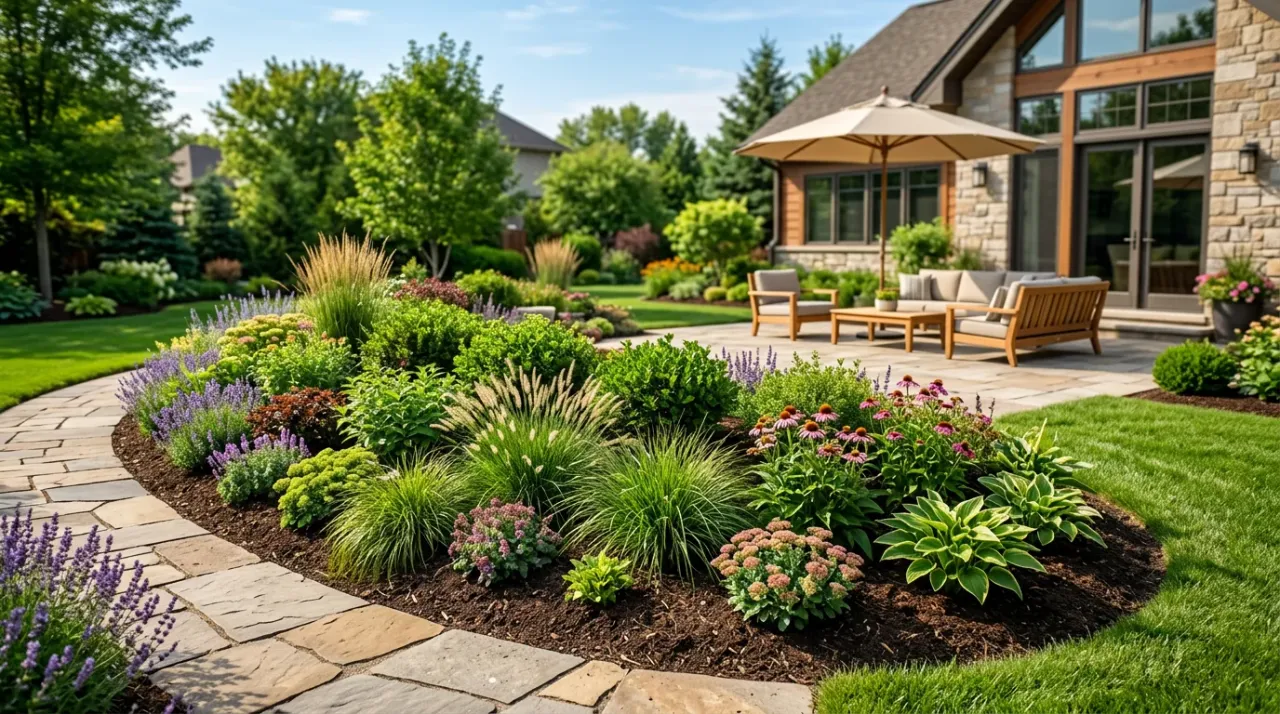
Choosing the right layered combination of fill and finish materials is critical to berm stability, proper drainage, and long-term vegetation success.
| Material | Description | Best For | Est. Cost |
|---|---|---|---|
| Fill Dirt | Unscreened, compacted subsoil excavated from construction sites, free of organic matter, debris, and large rocks. | Base Layer, Bulk Mound Construction, Structural Core, Volume Fill | $ |
| Topsoil | The uppermost layer of natural soil, rich in organic matter and nutrients, typically dark in color with a fine to medium texture. | Top Dressing Layer, Planting Beds, Vegetation Support, Surface Finish | $$ |
| Sandy Loam | A blended soil mixture of sand, silt, and clay with a high sand content that promotes drainage while retaining some nutrients. | Drainage Amendment, Clay Soil Sites, Plant Root Health | $$ |
| Mulch | Shredded or chipped wood byproduct applied as a loose, lightweight surface layer typically 2–4 inches deep. | Erosion Control, Surface Stabilization, Moisture Retention | $ |
Understanding the Cost
Several factors influence the final price of your berm project.
Material Volume
The dimensions of your project directly dictate the tonnage needed. Deeper bases require significantly more material.
Delivery Distance
Transport logistics play a major role. Being closer to the quarry or depot reduces delivery fees significantly.
Material Type
Decorative stones cost more than utility grades. Choose based on your project's functional and aesthetic requirements.
Recommended Products for Your Berm
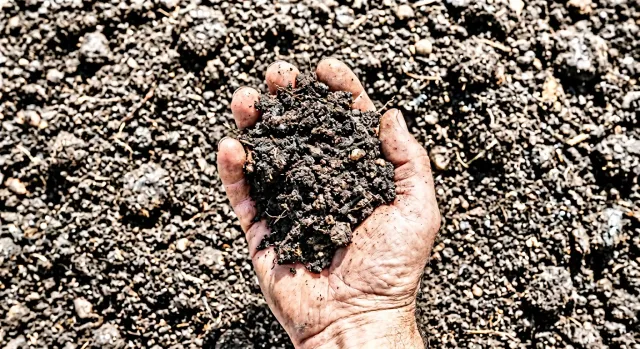
Topsoil Calculator
Topsoil calculator that estimates cubic yards and tons from your area and depth. Supports raised beds, gardens, new lawns, and grading projects.
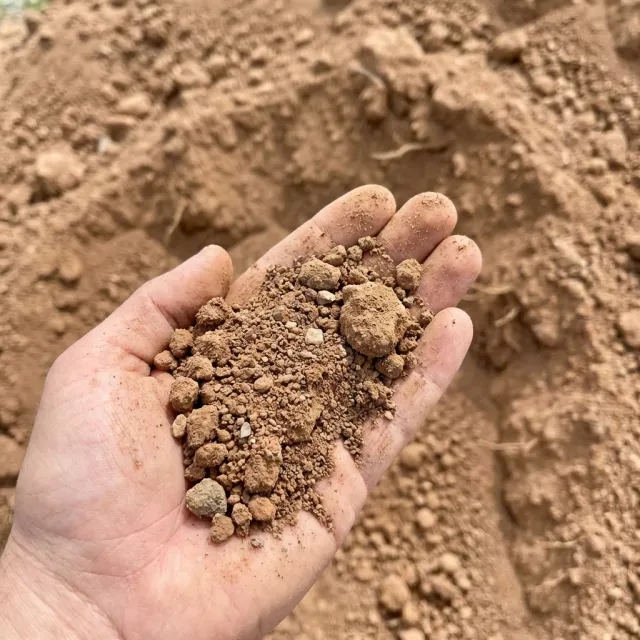
Fill Dirt Calculator
This calculator estimates fill dirt volume with a built-in compaction factor so you order enough. Works for grading, foundations, and backfill projects.
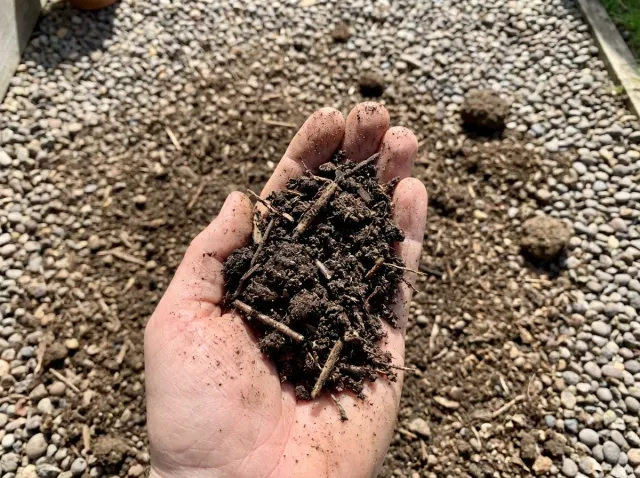
Compost Calculator
Estimate compost volume with this calculator for top-dressing, soil amendment, or new beds. Enter your square footage and desired depth for cubic yards.
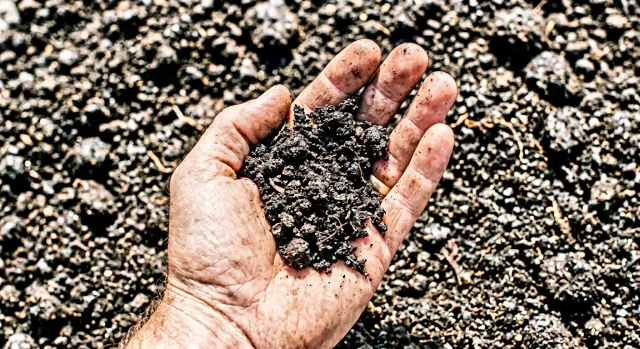
Black Dirt Calculator
Black dirt calculator — estimate cubic yards and tons from your lawn or garden dimensions. Accounts for typical density so you order the right amount.
Frequently Asked Questions
What is a berm, and what is it used for?
A berm is a raised mound or ridge of compacted earth built above the natural grade of your yard or property. Think of it as a shaped hill you create intentionally to solve a problem or improve your outdoor space. Berms serve a wide range of practical purposes. One of the most common is drainage control. A well-placed berm redirects surface water away from your home's foundation, garden beds, or low-lying areas that tend to flood after heavy rain. They are also widely used for privacy and noise reduction, acting as a natural barrier between your property and a busy road or neighboring structure. In landscaping, berms add visual interest and dimension to an otherwise flat yard. Many homeowners plant ornamental grasses, shrubs, or flowering perennials along the surface to create a natural-looking focal point. In commercial and civil applications, berms are used for erosion control, as safety barriers around fuel storage areas, to define parking lot edges, and to create defined entry features at building sites. Whatever your goal, the core material you will need is fill dirt to build the mound, often topped with a layer of quality topsoil if you plan to plant anything on the surface.
How do you spell "berm," and are there other names for it?
The correct spelling is B-E-R-M. A common misspelling is "burm," but that form is not standard in engineering, landscaping, or aggregate industry references. The word "berm" has roots in Dutch and Low German, where it originally described a narrow ledge or path running along the base of a fortification wall or between a ditch and an embankment. Military engineers used the term for centuries before it crossed over into road construction, civil engineering, and eventually everyday landscaping, where it now describes any intentional raised mound of earth. Depending on who you are talking to, you may hear berms called by other names. Landscapers sometimes refer to them as earth berms, landscape mounds, or simply raised mounds. In civil and road construction, similar features may be called embankments, raised banks, or earthen barriers. The underlying concept, a shaped and compacted ridge of earth built for a specific purpose, is the same regardless of what it is called.
What materials do you need to build a berm?
The primary material for building a berm is fill dirt. Fill dirt provides the bulk volume and structural foundation of the mound. It is an economical choice for the core because berms require a significant amount of material, and fill dirt compacts well to hold the shape over time without settling unpredictably. If you plan to grow anything on your berm, such as grass, shrubs, ornamental plants, or ground cover, you will want to add a layer of topsoil over the fill dirt core. A 4 to 6 inch layer of topsoil on the surface gives plant roots the nutrient-rich environment they need to establish and thrive. The fill dirt handles the volume and structure, while the topsoil creates the growing medium. For berms that will face significant water flow or erosion pressure, some builders also incorporate gravel or crushed stone along the base or sides to improve drainage and long-term stability. Hello Gravel carries fill dirt, topsoil, and a range of gravel products, all delivered in bulk by the truckload, so you can source everything your berm project needs in one place.
Should you use fill dirt, topsoil, or both for your berm?
Most berms work best with a combination of both, and understanding why helps you plan your order correctly. Fill dirt is ideal for the bulk of your berm because it is dense, compactable, and cost-effective. It holds the shape of the mound and provides the structural mass your berm needs to stay put season after season. Fill dirt typically has minimal organic content, which is actually an advantage here. Materials with high organic content can settle and shift over time as that organic matter breaks down, causing your carefully shaped berm to lose its form. Topsoil, on the other hand, is rich in organic matter and nutrients, which makes it excellent for supporting plant life. If you plan to seed, sod, or plant the surface of your berm, a 4 to 6 inch cap of topsoil over the fill dirt core gives plants the growing environment they need to root in and flourish. If your berm will be covered in mulch or decorative stone and you have no plans to grow anything on it, you can often use fill dirt all the way to the surface and skip the topsoil layer entirely. If you are unsure which combination makes sense for your specific project, the Hello Gravel team is happy to help you think through the right approach based on how your berm needs to function.
How do you figure out how much material you need for your berm?
Estimating berm material is a little different from calculating coverage for a flat surface because a berm has a tapered, mounded shape rather than a uniform depth. The good news is there is a straightforward approach that gives you a reasonable working estimate. For a berm with a gently sloping, natural mound profile, a practical rule of thumb is to use about 40 percent of the rectangular volume formed by your outer dimensions. The formula works like this: multiply 0.4 by the height in feet, by the base width in feet, and by the length in feet. Then divide that result by 27 to convert cubic feet into cubic yards. To make this concrete, imagine you are building a berm that is 2 feet tall, 8 feet wide at the base, and 30 feet long. Your calculation would be 0.4 times 2 times 8 times 30, which equals 192 cubic feet. Divide by 27, and you get approximately 7 cubic yards of fill dirt for the core. At roughly 1.1 to 1.3 tons per cubic yard for fill dirt, that works out to somewhere in the range of 8 to 10 tons. If you are also topping the berm with topsoil, calculate that layer separately based on the surface area and your desired depth. Berm shapes vary considerably in practice, and getting the quantity right before you order saves you from running short or over-ordering. Use the Hello Gravel online calculator with your specific dimensions for a more precise result, or contact the team directly if you want a hand working through the numbers.
More Project Calculators
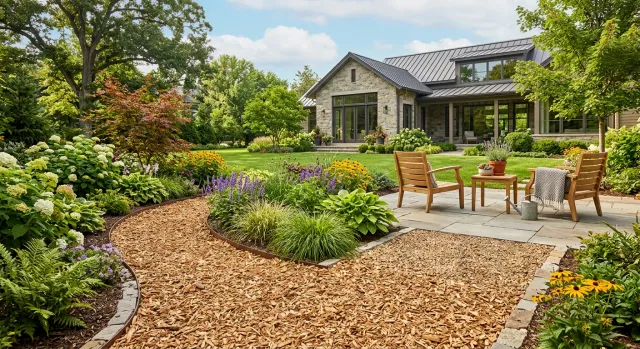
Playground Calculator
This calculator estimates mulch, rubber, or wood fiber surfacing for playgrounds. Enter area and recommended depth to get cubic yards and tons.
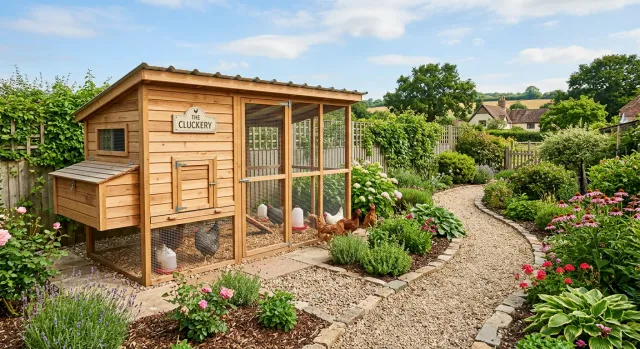
Chicken Coop Calculator
Use this calculator to estimate how much gravel your coop base requires. Input dimensions and depth for volume in cubic yards and stone type guidance.

Basketball Court Calculator
Court base calculator — estimate gravel, sand, and sub-base quantities for backyard or regulation basketball courts. Input court size for material totals.

Tennis Court Calculator
Use this calculator to estimate the crushed stone base for a new or resurfaced tennis court. Enter dimensions and depth for volume and tonnage.
Delivery Logistics & Truck Info
Know your delivery options and access requirements before scheduling your order.
Truck Capacities
- Standard Dump Truck10–14 tons
- Tandem Axle14–18 tons
- Semi End Dump20–25 tons
A standard cubic yard weighs approximately 2,000–2,700 lbs depending on material and moisture.
Site Access Requirements
- Trucks require a minimum 12-ft wide, overhead-clear access path
- Soft ground or slopes over 10% may limit truck access — contact us before ordering
- Ensure no underground utilities or irrigation lines are in the drop zone
- Mark your desired drop location clearly before delivery
Important Notes
- Delivery estimates are based on available inventory and route proximity
- Minimum order quantities apply — typically 5 cubic yards or 1 truckload
- Material certification is available upon request for permitted projects
- Always confirm local ordinances before major material placement