
Egg Rock Calculator
— How Much Do You Need?
Quick Egg Rock calculator to estimate cubic yards or tons based on area, depth, and coverage.
How to Use This Egg Rock Calculator
Planning a egg rock project requires precise measurements to ensure you order enough material without overspending.
- 1 Enter Dimensions — Input the length and width of your area in feet. Round up slightly for a buffer.
- 2 Choose Depth — Select the depth in inches. For most egg rock projects, 3–6 inches is standard.
- 3 Review Results — Instantly see cubic yards and tons needed to accurately plan your order.
Visual Area Guide
Use these diagrams to measure your project area correctly.
Rectangular Area
Measure length × width for square or rectangular areas. Most driveway, patio, and grading projects use this method.
Circular Area
Measure the radius (half the diameter) for round beds, drain fields, or circular landscaping. Formula: π × radius².
Material Coverage & Grading
Common egg rock grades by nominal size range, sorted for decorative and functional landscape applications
| Grade | Application |
|---|---|
| 2"-3" | Entry-level egg rock grade consisting of rounded, oval-shaped stones 2 to 3 inches in diameter, washed free of fines. Ideal for smooth-textured pathways and landscape bed groundcover where a refined appearance is desired. Its consistent sizing provides good visual coverage and a comfortable surface feel underfoot. |
| 1"-1.75" | Mid-range egg rock grade offering tightly consistent sizing for a uniform, polished look. Commonly specified for drainage features such as French drains and septic surrounds due to its reliable void space and permeability. Also used in garden accents and low-traffic patio surfacing where a neat, even texture is preferred. |
| 1.5"-2" | A closely sorted mid-to-large grade providing excellent drainage characteristics and a bold yet refined aesthetic. Well-suited for ornamental garden beds, water features, and erosion control on moderate slopes. Its consistent sizing minimizes shifting and gives a clean, professional finish in high-visibility landscape installations. |
| 1"-3" | The most widely specified egg rock grade, representing the classic egg-sized cobble range. Balances visual scale and coverage efficiency, making it the standard choice for decorative landscape beds, dry stream beds, and garden erosion control. Its rounded, smooth stones interlock minimally, maintaining excellent drainage and a natural, organic appearance. |
| 2"-3" | Largest standard egg rock grade, featuring bold cobbles that create dramatic focal points in landscape design. Fewer stones are needed per square foot, resulting in a coarser, more pronounced texture suitable for large-scale erosion barriers and statement garden features. Best used where visual impact and heavy drainage capacity take priority over fine surface coverage. |
Plan Your Next Project
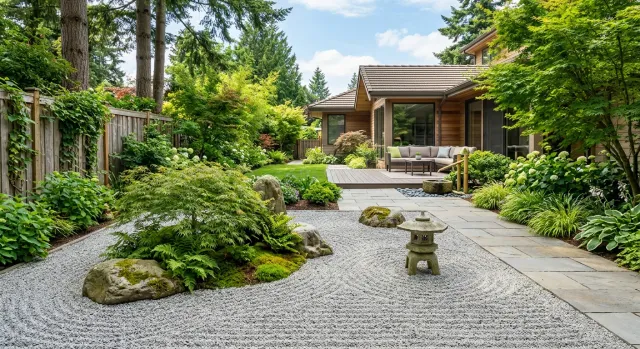
Zen Garden Calculator
Zen garden calculator — estimate sand weight and volume from your dimensions and desired depth. Includes guidance for tabletop and full-size gardens.
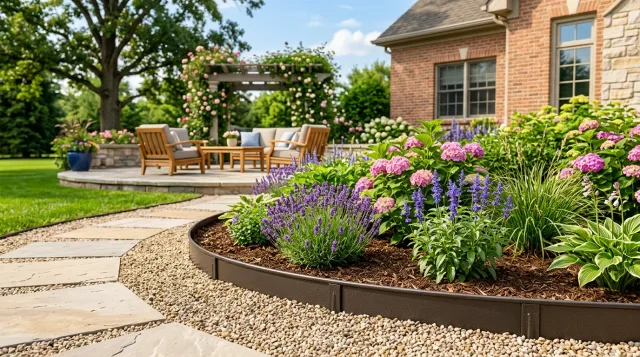
Landscape Edging Calculator
Edging calculator — estimate pieces, rolls, or linear feet for your bed perimeter. Supports metal, plastic, stone, and wood edging types.
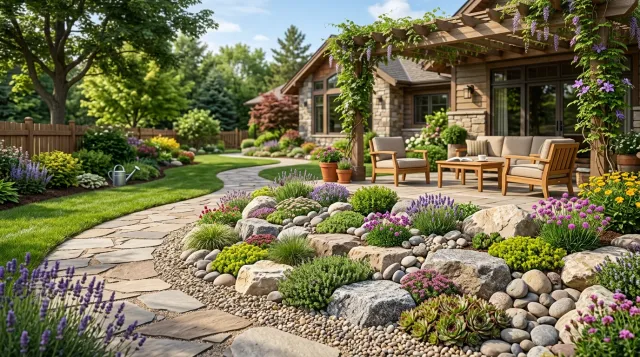
Rock Garden Calculator
Rock garden calculator — estimate how many tons of decorative rock your garden needs. Select stone type, enter bed dimensions, and get coverage totals.
Garden Border Calculator
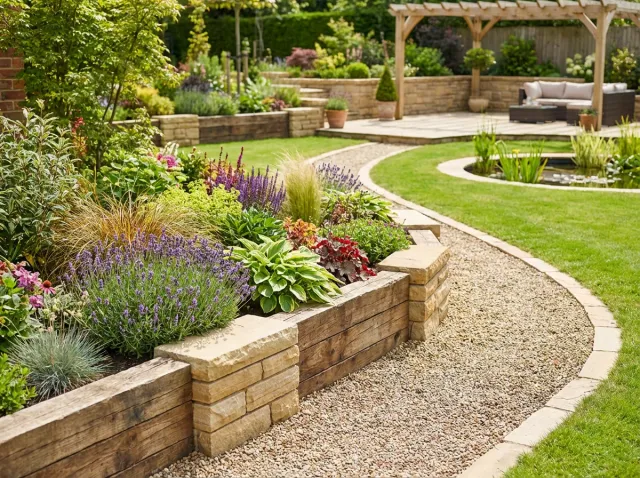
Garden border calculator — estimate how much edging material and fill your border requires. Enter perimeter length and border width for volume estimates.
Frequently Asked Questions
What is egg rock, and why is it called that?
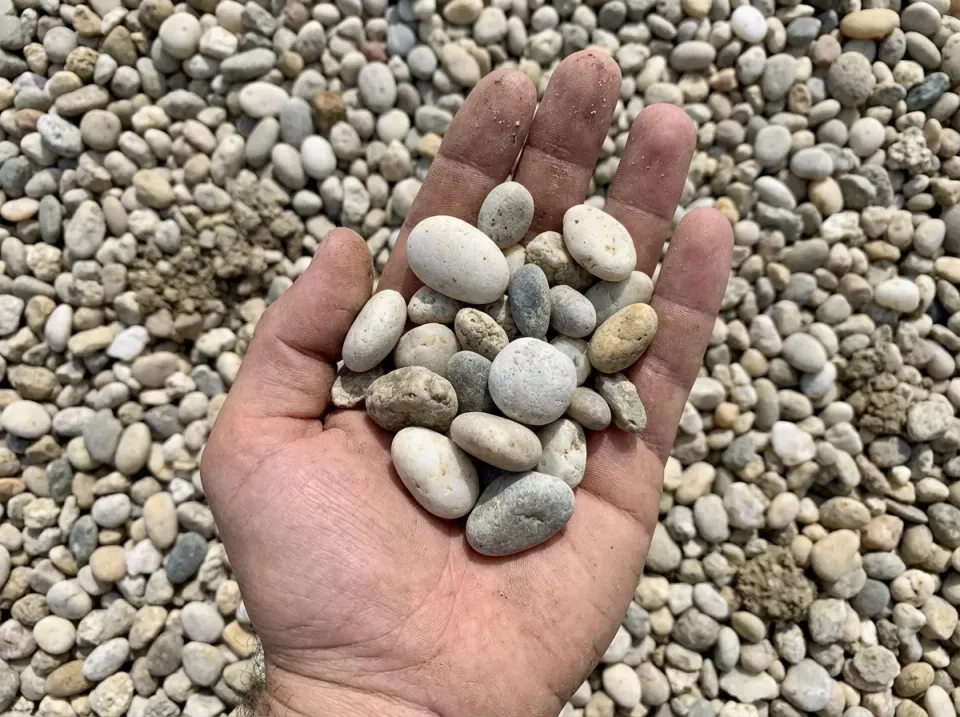
Egg rock gets its name from its shape and size. These are smooth, rounded stones that closely resemble the size and form of a large egg, typically ranging from about 2 to 5 inches in diameter. They are naturally rounded through years of tumbling in rivers and streams, which wears away the sharp edges and gives each stone a polished, oval profile. You will find egg rock in a range of earthy tones including tan, cream, gray, brown, and mixed natural colors depending on the source region. The result is a stone that looks clean, finished, and intentional the moment it is placed, which is a big part of why so many homeowners and landscapers reach for it when they want a material that does real work and looks good doing it.
What is egg rock used for?
Egg rock is one of the more versatile decorative stones available for residential and commercial landscaping. Its large size and smooth surface make it a natural fit for garden bed top dressing, where it suppresses weeds while adding a polished, natural look around shrubs and ornamental plants. It is also widely used along borders and property edges, around trees, in dry creek bed features, and as a decorative accent in water features and rain gardens. Beyond aesthetics, egg rock pulls real functional weight. Its size creates significant void space between stones, which makes it excellent for drainage applications such as French drains, swales, and areas around downspouts where you need water to move freely through the material. Many homeowners also use it as a ground cover in low-traffic side yards or areas where grass struggles to grow, since it cuts down on maintenance and holds up well over time without breaking down or compacting. If you are designing a landscape project and want a material that looks attractive from day one and handles water well, egg rock is a strong choice.
What is the difference between egg rock and river rock?
River rock is a broad category that describes naturally rounded, smooth stones sourced from rivers and streambeds. Egg rock is essentially a specific size cut within that family. When people say river rock, they might be referring to anything from half-inch pebbles to large cobbles. When they say egg rock, they are narrowing it down to stones that fall in roughly the 2-to-5-inch range with that distinctive oval, egg-like shape. Think of it this way: all egg rock is river rock, but not all river rock is egg rock. The practical difference for your project comes down to scale. Smaller river rock, like pea gravel or 1-inch river rock, settles flat and is better suited for paths, patios, or ground cover in tight spaces. Egg rock, with its larger size and more pronounced rounded profile, works better as a statement piece, a drainage layer, or a bold top dressing in garden beds where you want the stones to stand out visually rather than blend together. If you are unsure which size fits your project best, the Hello Gravel team is happy to walk you through it.
What sizes does egg rock come in, and how do I choose the right one?
Egg rock is generally available in a couple of size ranges that fall within that recognizable egg-shaped profile, most commonly in the 2-to-4-inch range or slightly larger cobble-style stones. The right size depends on where you are using it and what you need it to do. For garden beds, borders, and decorative ground cover, a standard egg rock in the 2-to-3-inch range gives you that clean, natural look without feeling overwhelming in the space. For drainage work, particularly in French drains or around foundation walls, a slightly larger stone creates more void space for water to move through efficiently, which is exactly what you want. For most residential landscaping projects, the mid-range egg rock is the most popular choice because it balances visual appeal with functional performance. If you have a specific application in mind and want a recommendation, reach out to the Hello Gravel team and they can point you toward the right product for your region and project type.
How much egg rock do I need for my project?
The amount of egg rock you need depends on the square footage of your project area and how deep you plan to lay the stone. For a decorative application like a garden bed or border, egg rock is typically installed in a single layer roughly 3 to 4 inches deep. At that depth, you can expect one ton of egg rock to cover approximately 50 to 60 square feet. That estimate is based on a 3-to-4-inch installation depth using standard-sized egg rock, and your actual coverage may vary slightly depending on stone size and how closely the stones settle. For a larger drainage application or dry creek bed where you need more depth, your material needs will go up accordingly. A truckload of egg rock delivered by Hello Gravel can cover a substantial area, making it a cost-effective choice for mid-size to large projects. The most accurate way to figure out exactly how much material you need is to use the Hello Gravel online calculator. Plug in your project dimensions and depth, and it will give you a reliable tonnage estimate so you are not over-ordering or coming up short mid-project.
Other Material Calculators
Delivery Logistics & Truck Info
Know your delivery options and access requirements before scheduling your order.
Truck Capacities
- Standard Dump Truck 10–14 tons
- Tandem Axle 14–18 tons
- Semi End Dump 20–25 tons
A standard cubic yard weighs approximately 2,000–2,700 lbs depending on material and moisture.
Site Access Requirements
- Trucks require a minimum 12-ft wide, overhead-clear access path
- Soft ground or slopes over 10% may limit truck access — contact us before ordering
- Ensure no underground utilities or irrigation lines are in the drop zone
- Mark your desired drop location clearly before delivery
Important Notes
- Delivery estimates are based on available inventory and route proximity
- Minimum order quantities apply — typically 5 cubic yards or 1 truckload
- Material certification is available upon request for permitted projects
- Always confirm local grading ordinances before major material placement