
Landscape Edging Calculator
— How Much Do You Need?
Quickly calculate edging materials and truckload delivery for gravel, stone or mulch borders.
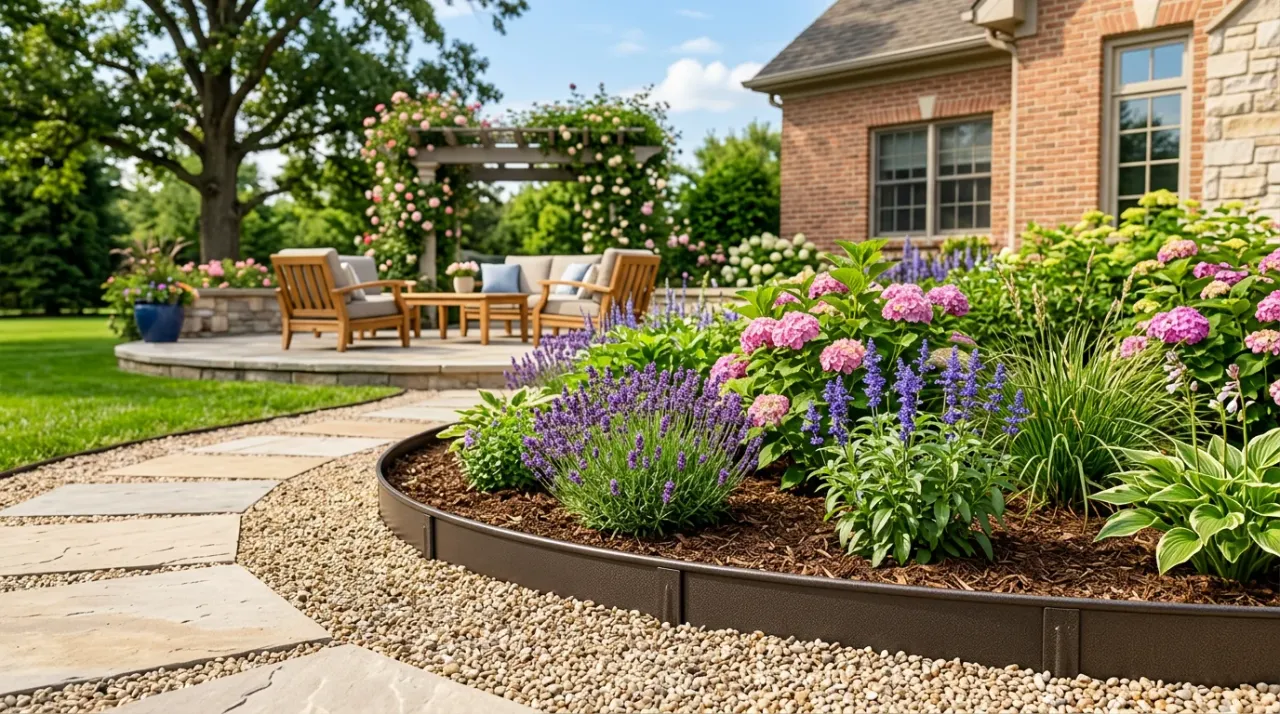
How to Use This Landscape Edging Calculator
Planning a landscape edging requires precise measurements to ensure you order enough material without overspending.
- 1 Measure Area: Measure the length and width of your planned landscape edging area in feet.
- 2 Determine Depth: For most landscape edging projects, a depth of 4 to 6 inches is recommended for stability.
- 3 Review Results: The calculator provides both cubic yards (for bulk volume) and tons (for ordering weight).
Common Materials for Landscape Edgings
Choosing the right base and infill materials for landscape edging directly affects long-term stability, drainage performance, and the ability to keep borders clean and defined over time.
| Material | Description | Best For | Est. Cost |
|---|---|---|---|
| Paver Sand | Fine, coarse-grained sand with a gritty texture that compacts firmly and resists displacement. | Base Layer for Edging, Paver & Stone Edging, Leveling & Stabilization | $ |
| Mulch | Shredded or chipped organic wood material used as a surface layer in planting and garden bed areas. | Bed Fill & Definition, Mulch Retention Borders, Visual Contrast at Edges | $$ |
| Fill Dirt | Unscreened subsoil material used to fill voids, grade surfaces, and backfill excavated areas. | Trench Backfill, Anchoring Edging in Place, Grading & Site Prep | $ |
| River Rock | Smooth, rounded stones ranging from 1 to 3 inches in diameter, naturally weathered by water erosion. | Decorative Border Edging, Drainage Along Bed Edges, Limited Use as Primary Edging | $$$ |
Understanding the Cost
Several factors influence the final price of your landscape edging project.
Material Volume
The dimensions of your project directly dictate the tonnage needed. Deeper bases require significantly more material.
Delivery Distance
Transport logistics play a major role. Being closer to the quarry or depot reduces delivery fees significantly.
Material Type
Decorative stones cost more than utility grades. Choose based on your project's functional and aesthetic requirements.
Recommended Products for Your Landscape Edging
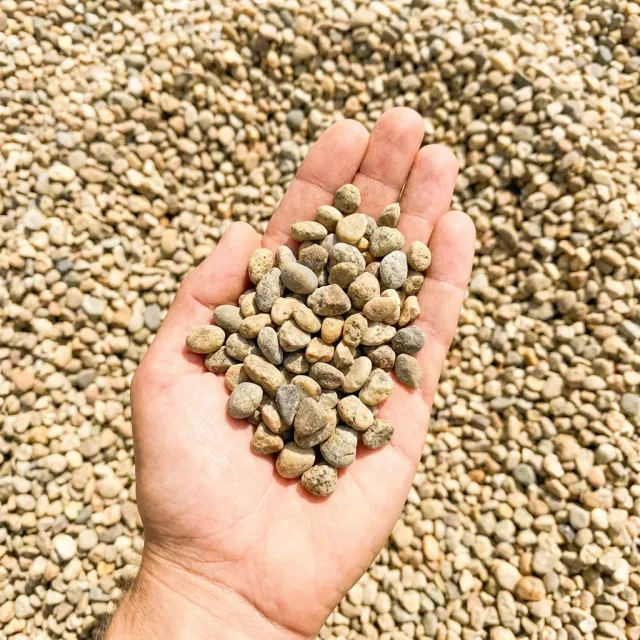
Pea Gravel Calculator
Pea gravel calculator — enter your project dimensions to estimate volume in cubic yards, tons, and bags. Ideal for pathways, patios, and ground cover.
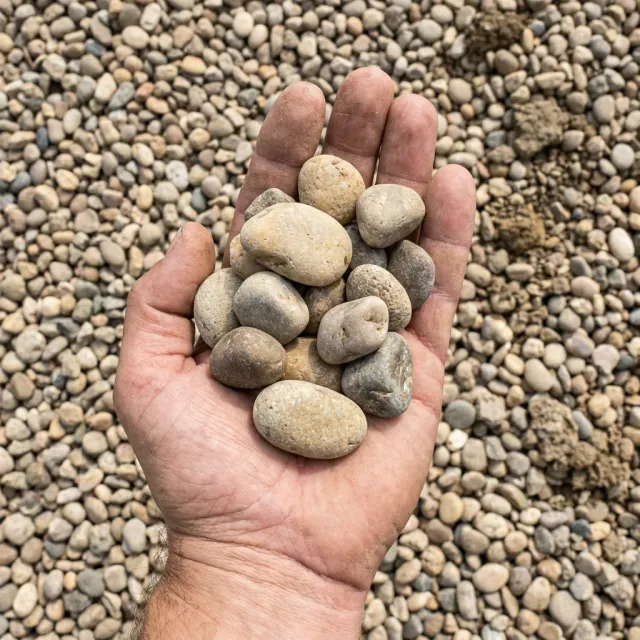
River Rock Calculator
This calculator estimates river rock by the ton for flowerbeds, dry creek beds, and borders. Adjusts for rock size — larger stones cover less per ton.
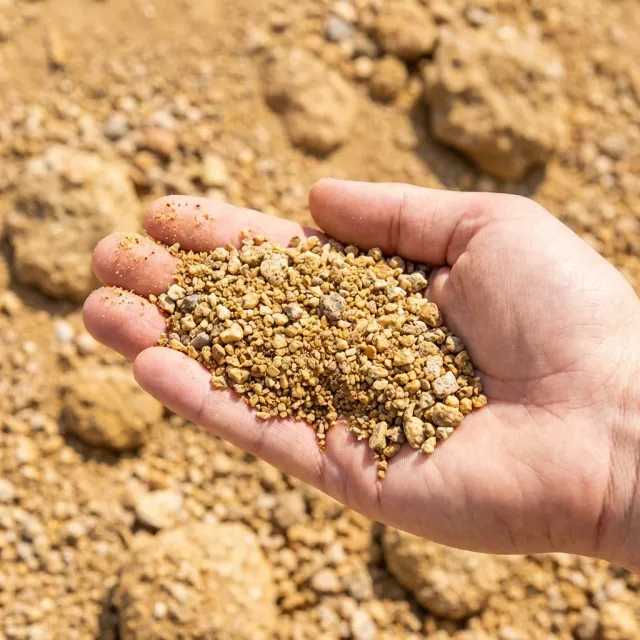
Decomposed Granite Calculator
DG calculator for pathways, patios, and driveways. Enter length, width, and depth to estimate tonnage — most projects need 2-3 inches for a compacted finish.
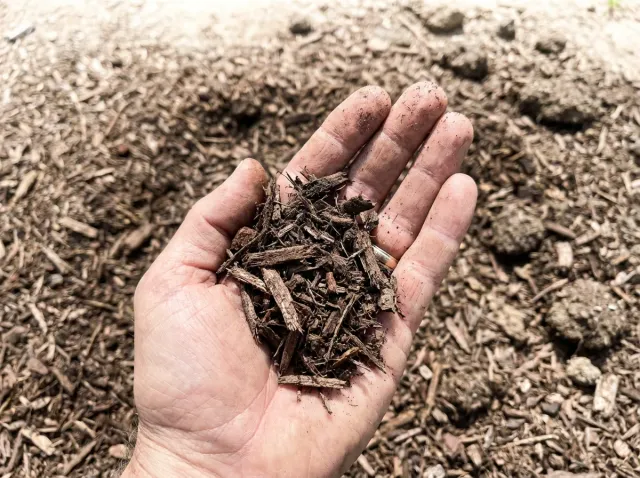
Mulch Calculator
Mulch calculator — enter bed dimensions and depth to estimate how many cubic yards or bags your landscaping project requires. Results update instantly.
Frequently Asked Questions
What is gravel landscape edging, and why do homeowners and landscapers use it?
Gravel landscape edging uses bulk aggregate materials like crushed stone, pea gravel, or river rock to create a defined border between different areas of your yard. A gravel border does the same job as a plastic or metal edging strip, but it adds texture, color, and visual weight that a thin strip simply cannot. Whether you're separating a lawn from a garden bed, framing a walkway, or lining a driveway, a well-placed gravel border gives your landscape a finished, intentional look. There are practical benefits beyond appearance. Gravel drains water quickly and won't pool after heavy rain. It doesn't rot, warp, crack, or rust over time the way manufactured edging materials can. And when it eventually needs refreshing, you just add a new layer on top. For a larger property, a single truckload delivery can cover the edging for your entire front yard, backyard, and driveway at once, making it far more efficient than hauling dozens of small bags home from a store. Hello Gravel delivers landscape aggregate materials by the truckload directly to your property, so you can take on a whole-yard edging project in one order. If you want to explore your material options before committing, use the Hello Gravel calculator or contact the team to talk through your project.
Which type of gravel or stone works best for landscape edging?
The best material for your edging border depends on the look you're going for and where on your property you're working. Each aggregate type brings something a little different to the table. Pea gravel is one of the most popular choices for soft, naturalistic borders. Its small, rounded shape settles into place easily and creates a relaxed, informal look that suits cottage-style gardens and backyard beds. Because it's rounded, it's more likely to scatter in high-traffic areas, so it works best in low-disturbance zones or when paired with a physical border strip on the lawn side to keep it contained. Crushed stone, such as crushed granite or crushed limestone in a quarter-inch to three-eighths-inch size, is the go-to choice when a clean, defined edge is the priority. Its angular shape locks together under pressure, making it more stable over time. This is the material you want if your border runs along a slope or in an area where people walk close to the edge. River rock and decorative stones bring a bold, sculptural quality to a landscape border. Because of their size and weight, they hold their position naturally without needing much help. They're especially effective as a wide border strip along fences, driveways, or garden beds where visual impact matters as much as function. Decomposed granite breaks down into a fine, compacted surface that sits between gravel and solid ground. It's a good fit if you want your edging zone to feel firmer underfoot while still looking like a natural stone border. If you're not sure which material is right for your yard, the Hello Gravel team is happy to help you sort through the options before you place your order.
What is the cheapest way to edge a landscape?
The most cost-effective approach to landscape edging with aggregate is ordering in bulk. When you buy crushed stone or pea gravel by the truckload, your cost per unit drops significantly compared to buying bags at a hardware store. If you have several areas to edge on the same property, combining them into a single bulk delivery means you're getting better value and fewer trips to coordinate. Among the material types, crushed limestone and basic pea gravel tend to be among the more affordable options. Decorative materials like river rock or polished stone cost more per ton, but they rarely need to be replaced and hold their position well over time, which can actually make them more economical over the full life of the project. The other way to keep costs down is to plan your border dimensions carefully before you order. A border that is 12 inches wide and 3 inches deep uses half the material of one that is 12 inches wide and 6 inches deep, so being intentional about your sizing matters. Use the Hello Gravel calculator to plug in your measurements and get an accurate estimate before you finalize your order. That way you're not guessing and you're not over-ordering.
What do professional landscapers use for edging?
Professional landscapers often take a layered approach to edging. Many install a physical barrier, such as a metal edging strip, to set the exact border line, and then fill the edging zone with an aggregate material to add both function and visual presence. The physical strip keeps gravel contained on the garden bed side and prevents grass from creeping in from the lawn side, while the gravel gives the border its finished appearance. For the aggregate itself, professionals tend to reach for angular crushed stone in smaller sizes, typically quarter-inch or three-eighths-inch crushed granite or limestone. The angular shape locks together under pressure, which means the border holds its position without needing to be reset every season. Decomposed granite is another popular professional choice because it compacts into a semi-firm surface that looks clean and drains well. For higher-end residential and commercial projects, river rock and larger decorative stone are common. The scale and weight of larger stones creates a dramatic border that anchors the landscape visually. If you want the kind of results that look professionally installed, starting with the right material in the right quantity is the first step, and ordering it as a bulk delivery from Hello Gravel is the most efficient way to get there.
What can I use instead of plastic or metal landscape edging?
A gravel or stone border is one of the most practical and durable natural alternatives to hard plastic or metal edging strips. Instead of a thin manufactured strip that can shift, crack, or rust over time, you create a defined zone of aggregate material that acts as its own boundary. The width and depth of the gravel border make it visually clear where the lawn ends and the garden bed begins, without depending on a product that has to be staked or anchored into the ground. For this approach to work well without a hard edge, you generally want your gravel zone to be at least 12 to 18 inches wide and 3 to 4 inches deep. The width gives the border enough visual presence to define the transition clearly, and the depth keeps the material from scattering too quickly. Angular crushed stone holds its position better than rounded gravel for a natural barrier with no hard edge, so it's the better choice for this application. Larger river rock or fieldstone is another strong option. Placing a row of larger stones along the perimeter of a bed creates a clear boundary that stays put on its own and doesn't require any installation beyond setting the stones in place. You can order river rock or decorative stone by the truckload through Hello Gravel and have it delivered directly to your property, ready to place.
More Project Calculators
Playground Calculator
This calculator estimates mulch, rubber, or wood fiber surfacing for playgrounds. Enter area and recommended depth to get cubic yards and tons.
Chicken Coop Calculator
Use this calculator to estimate how much gravel your coop base requires. Input dimensions and depth for volume in cubic yards and stone type guidance.
Basketball Court Calculator
Court base calculator — estimate gravel, sand, and sub-base quantities for backyard or regulation basketball courts. Input court size for material totals.
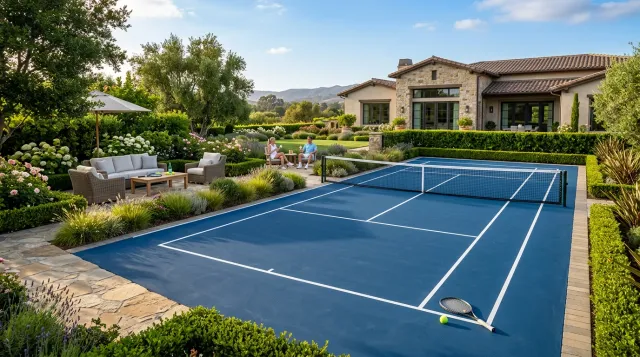
Tennis Court Calculator
Use this calculator to estimate the crushed stone base for a new or resurfaced tennis court. Enter dimensions and depth for volume and tonnage.
Delivery Logistics & Truck Info
Know your delivery options and access requirements before scheduling your order.
Truck Capacities
- Standard Dump Truck10–14 tons
- Tandem Axle14–18 tons
- Semi End Dump20–25 tons
A standard cubic yard weighs approximately 2,000–2,700 lbs depending on material and moisture.
Site Access Requirements
- Trucks require a minimum 12-ft wide, overhead-clear access path
- Soft ground or slopes over 10% may limit truck access — contact us before ordering
- Ensure no underground utilities or irrigation lines are in the drop zone
- Mark your desired drop location clearly before delivery
Important Notes
- Delivery estimates are based on available inventory and route proximity
- Minimum order quantities apply — typically 5 cubic yards or 1 truckload
- Material certification is available upon request for permitted projects
- Always confirm local ordinances before major material placement