
Garden Border Calculator
— How Much Do You Need?
Calculate how much gravel, mulch, or soil you need for garden borders and get truck delivery quotes.
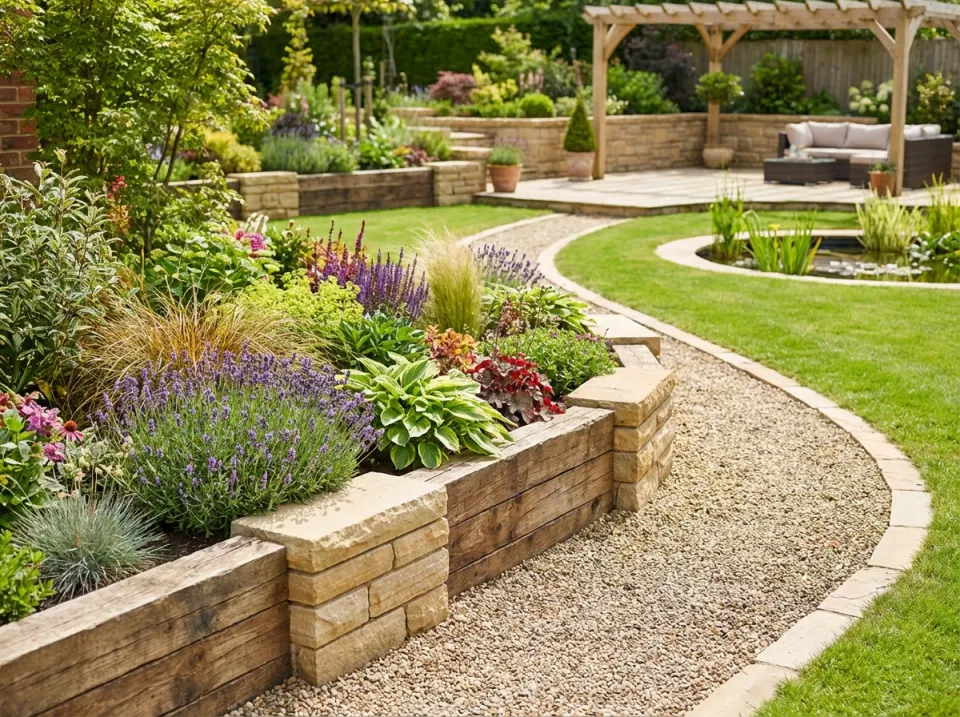
How to Use This Garden Border Calculator
Planning a garden border requires precise measurements to ensure you order enough material without overspending.
- 1 Measure Area: Measure the length and width of your planned garden border area in feet.
- 2 Determine Depth: For most garden border projects, a depth of 4 to 6 inches is recommended for stability.
- 3 Review Results: The calculator provides both cubic yards (for bulk volume) and tons (for ordering weight).
Common Materials for Garden Borders
Choosing the right material impacts weed suppression, moisture retention, edging stability, and the overall finished appearance of a garden border.
| Material | Description | Best For | Est. Cost |
|---|---|---|---|
| Compost (Well-Rotted) | Fully decomposed organic matter with a dark, crumbly texture and fine, uniform particle structure. | Soil Amendment, Planting Bed Preparation, Organic Matter Incorporation | $$ |
| Hardwood Mulch | Shredded or chipped hardwood bark material ranging from fine to coarse particle sizes with a fibrous texture. | Top Dressing, Weed Suppression, Moisture Retention | $ |
| Mason Sand | Fine, washed, angular sand with consistent granule size, free of clay and organic material. | Base Layer for Rigid Edging, Leveling Under Pavers or Brick, Edging Stability | $ |
| Pea Gravel | Small, smooth, rounded stones typically 3/8-inch in diameter, naturally weathered with a mixed earth-tone appearance. | Decorative Border Fill, Pathway Edging, Limited Use | $$ |
Understanding the Cost
Several factors influence the final price of your garden border project.
Material Volume
The dimensions of your project directly dictate the tonnage needed. Deeper bases require significantly more material.
Delivery Distance
Transport logistics play a major role. Being closer to the quarry or depot reduces delivery fees significantly.
Material Type
Decorative stones cost more than utility grades. Choose based on your project's functional and aesthetic requirements.
Recommended Products for Your Garden Border
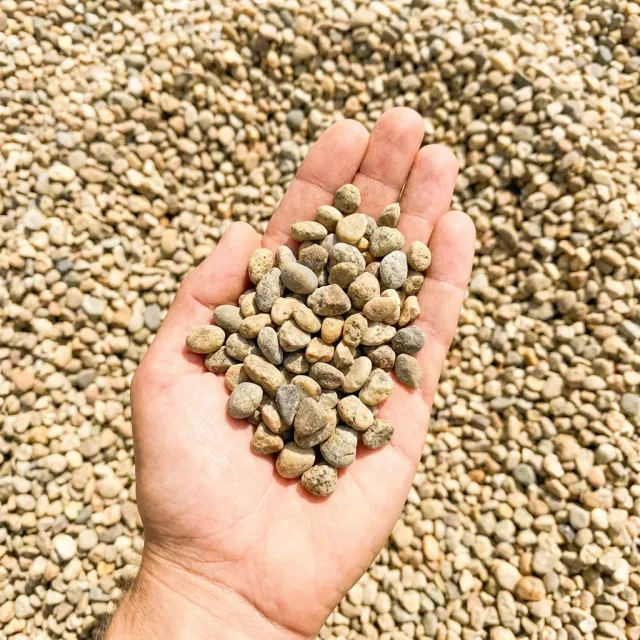
Pea Gravel Calculator
Pea gravel calculator — enter your project dimensions to estimate volume in cubic yards, tons, and bags. Ideal for pathways, patios, and ground cover.
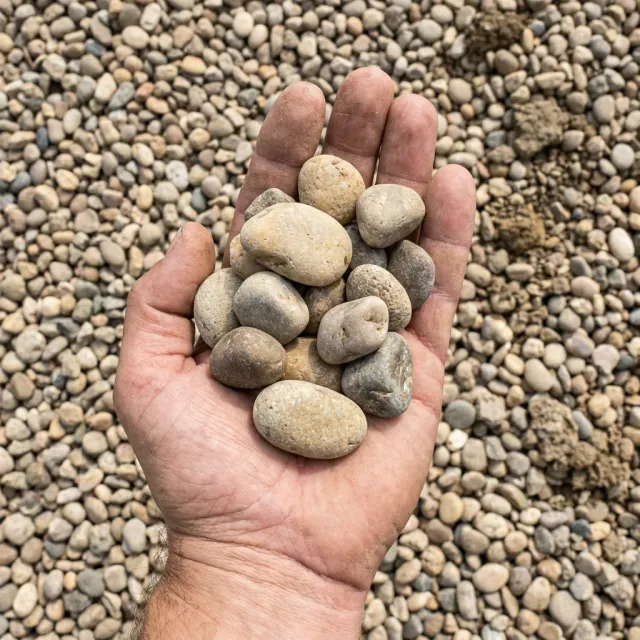
River Rock Calculator
This calculator estimates river rock by the ton for flowerbeds, dry creek beds, and borders. Adjusts for rock size — larger stones cover less per ton.
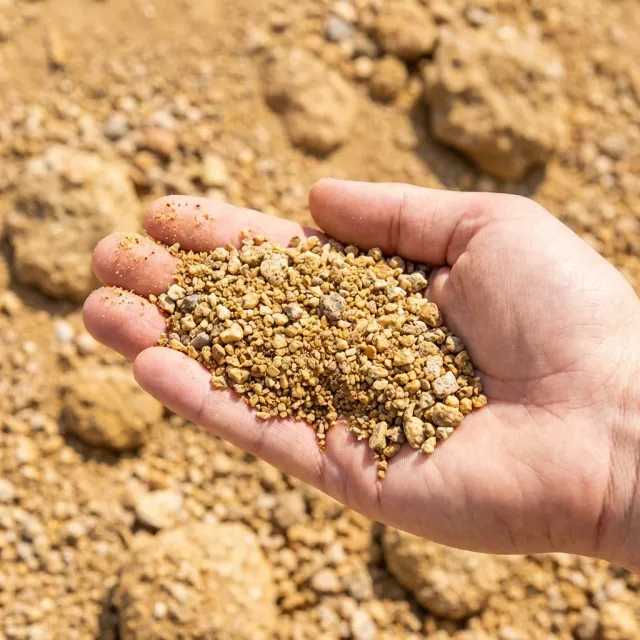
Decomposed Granite Calculator
DG calculator for pathways, patios, and driveways. Enter length, width, and depth to estimate tonnage — most projects need 2-3 inches for a compacted finish.
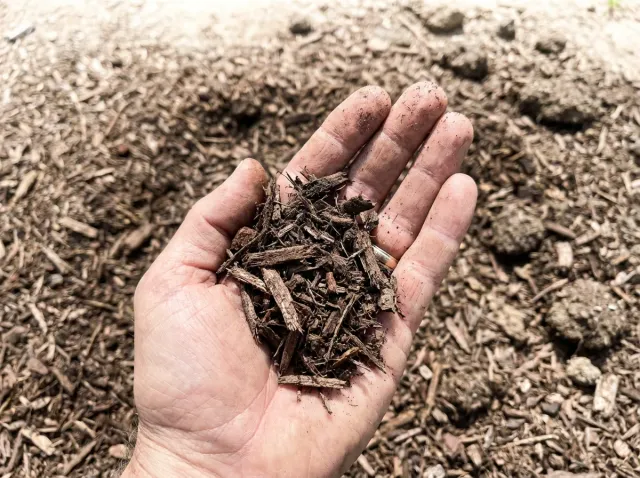
Mulch Calculator
Mulch calculator — enter bed dimensions and depth to estimate how many cubic yards or bags your landscaping project requires. Results update instantly.
Frequently Asked Questions
What is garden border gravel and what is it best used for?
Garden border gravel is a decorative aggregate used to define the edges of planting beds, pathways, and landscaping features across your yard. It creates a clean, finished boundary between grass, soil, and planted areas while also doing real functional work: suppressing weeds, improving drainage, and reducing soil erosion along bed edges. It works especially well around flower beds, shrubs, trees, raised garden beds, along fence lines, and beside driveways or walkways. Because Hello Gravel delivers by the truckload, garden border gravel is a great fit for homeowners tackling multiple beds at once, contractors landscaping full residential properties, or anyone refreshing and defining large outdoor spaces in a single project. If you have several areas to border on the same property, ordering in bulk typically makes the most sense both logistically and economically.
What size or type of gravel works best for garden borders?
For most garden border applications, a 3/8-inch to 3/4-inch stone is the sweet spot. It is small enough to fill narrow border areas cleanly and create a neat, tidy look, but large enough that it stays put and does not track easily onto walkways or into the house. In terms of texture and style, pea gravel (typically 3/8 inch) has a smooth, rounded look that suits cottage gardens, naturalistic landscapes, and informal bed designs. Crushed stone in a similar size range has angular edges that interlock slightly, which helps it hold position on gentle slopes or in areas where people walk close to the border. Small river rock in the 1/2- to 1-inch range offers a polished, organic look that pairs well with formal beds and manicured properties. The right choice also depends on your aesthetic goals and the overall style of your yard. If you are not sure which material fits your project best, the Hello Gravel team is happy to walk you through the options before you order.
How much garden border gravel do I need, and what depth should I use?
Depth is the most important variable when calculating how much material you need, and the right depth depends on what you want to accomplish. A 2-inch layer creates a clean visual border with basic weed suppression. A 3-inch layer is the most common recommendation for homeowners who want reliable weed control and a fuller, more established look. If you are dealing with persistent weeds, heavy foot traffic near your beds, or soil that dries out quickly, a 4-inch layer gives you extra coverage and helps the border hold up longer between refreshes. Using conservative, real-world estimates: at 2 inches of depth, one ton of garden border gravel covers roughly 100 square feet. At 3 inches, one ton covers approximately 80 square feet. At 4 inches, expect around 60 square feet per ton. So if your combined border areas total 400 square feet and you are targeting a 3-inch depth, you would need roughly 5 tons. Those are starting estimates, and the actual result will vary slightly based on the specific material and your soil condition. For the most accurate number, use the Hello Gravel online calculator. Enter your total square footage and target depth, and it will give you a precise tonnage figure tailored to your project before you place your order.
How does garden border gravel compare to mulch, brick, or plastic edging?
Each material brings something different to the table, but gravel tends to outperform most alternatives in durability and long-term practicality. Compared to wood mulch, gravel does not decompose, fade, or attract pests like termites or fungus gnats. You will not need to replenish it every year the way you would with organic mulch, which saves both time and cost over the life of your landscaping. Gravel also handles heavy rain better. Mulch can float, shift, or wash into your lawn during a downpour, while gravel stays put. Compared to brick or concrete edging, gravel is far more flexible. You can easily reshape, extend, or redesign your borders without cutting materials or pouring anything new. It also fills irregular shapes and curves naturally, which makes it a good match for free-form or organic garden designs. Plastic edging is inexpensive upfront but tends to heave out of the ground in climates with freeze-thaw cycles and can crack and become brittle over time. Gravel does not have those issues. The one practical consideration with gravel is that you will want a simple metal or rubber edge strip along the outer perimeter of your border to contain the material and keep it from migrating into the lawn. That is a minor installation step that pays off in keeping everything looking crisp for years.
Can garden border gravel work for curved, irregular, or complex garden shapes?
Yes, and this is actually one of gravel's strongest advantages over rigid materials like brick or formed concrete edging. Gravel fills any shape naturally. It flows around sweeping curves, fills tight corners around raised planters, and adapts to winding or organic layouts without any cutting, forming, or special installation work. The key is using a flexible edging strip on the outer perimeter to define the shape and hold the gravel in place. Flexible rubber or steel edging bends easily around curves and keeps the stone from spreading into your lawn. Once that border is staked in place, you fill the interior with your gravel to your target depth and rake it smooth. Whether your garden design has geometric straight lines or loose, flowing curves, gravel handles both with the same clean result. It is one of the most design-friendly bulk materials available for landscape edging work, which is part of why so many homeowners and landscapers choose it over more rigid alternatives.
More Project Calculators
Playground Calculator
This calculator estimates mulch, rubber, or wood fiber surfacing for playgrounds. Enter area and recommended depth to get cubic yards and tons.
Chicken Coop Calculator
Use this calculator to estimate how much gravel your coop base requires. Input dimensions and depth for volume in cubic yards and stone type guidance.
Basketball Court Calculator
Court base calculator — estimate gravel, sand, and sub-base quantities for backyard or regulation basketball courts. Input court size for material totals.
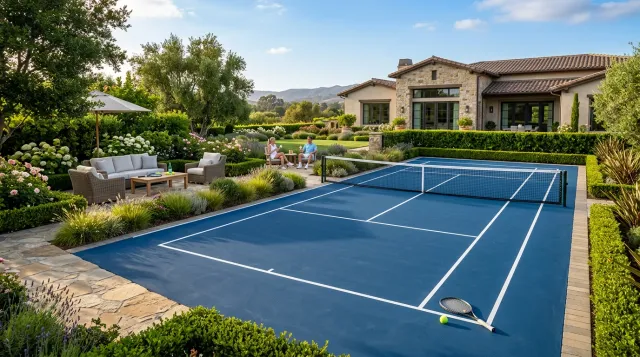
Tennis Court Calculator
Use this calculator to estimate the crushed stone base for a new or resurfaced tennis court. Enter dimensions and depth for volume and tonnage.
Delivery Logistics & Truck Info
Know your delivery options and access requirements before scheduling your order.
Truck Capacities
- Standard Dump Truck10–14 tons
- Tandem Axle14–18 tons
- Semi End Dump20–25 tons
A standard cubic yard weighs approximately 2,000–2,700 lbs depending on material and moisture.
Site Access Requirements
- Trucks require a minimum 12-ft wide, overhead-clear access path
- Soft ground or slopes over 10% may limit truck access — contact us before ordering
- Ensure no underground utilities or irrigation lines are in the drop zone
- Mark your desired drop location clearly before delivery
Important Notes
- Delivery estimates are based on available inventory and route proximity
- Minimum order quantities apply — typically 5 cubic yards or 1 truckload
- Material certification is available upon request for permitted projects
- Always confirm local ordinances before major material placement