
Rock Garden Calculator
— How Much Do You Need?
Estimate rock and gravel for beds, paths, and accents — order truckload delivery with simple pricing.
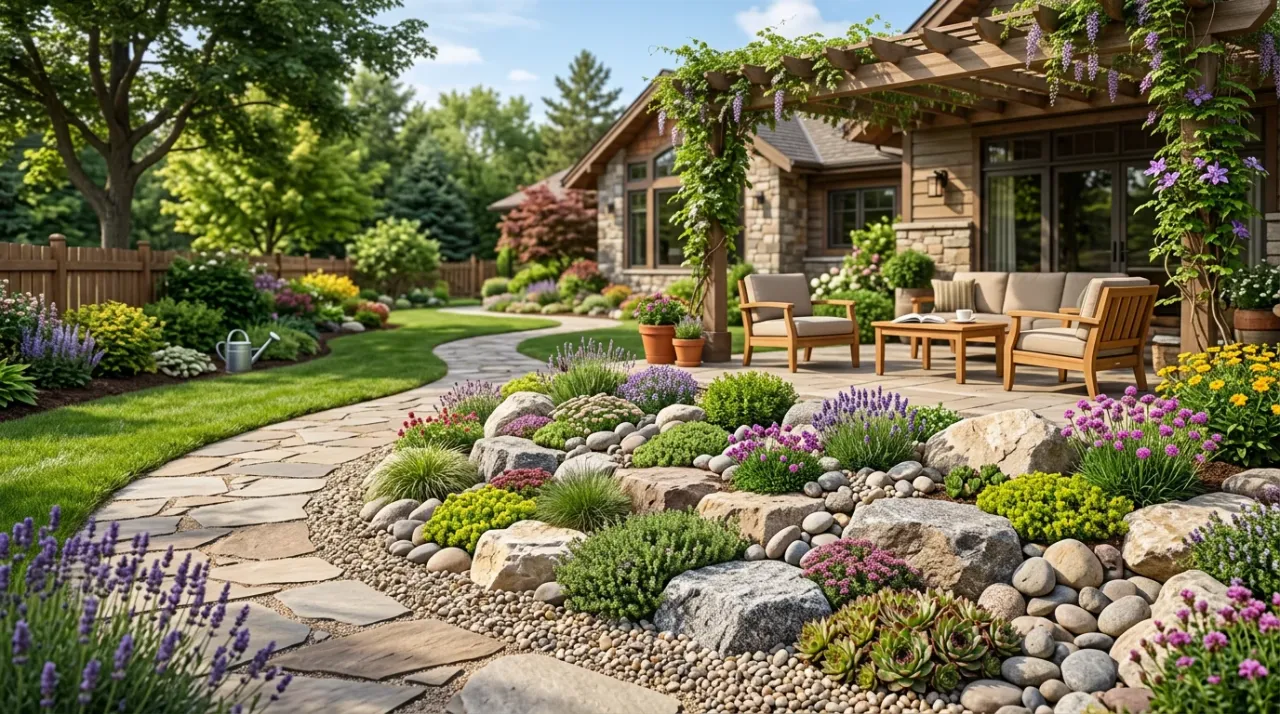
How to Use This Rock Garden Calculator
Planning a rock garden requires precise measurements to ensure you order enough material without overspending.
- 1 Measure Area: Measure the length and width of your planned rock garden area in feet.
- 2 Determine Depth: For most rock garden projects, a depth of 4 to 6 inches is recommended for stability.
- 3 Review Results: The calculator provides both cubic yards (for bulk volume) and tons (for ordering weight).
Common Materials for Rock Gardens
Choosing the right materials ensures proper drainage, structural stability, and a naturalistic appearance critical to successful rock garden construction.
| Material | Description | Best For | Est. Cost |
|---|---|---|---|
| Fieldstone / Boulders | Large, irregularly shaped natural stones ranging from 6 inches to over 24 inches in diameter, sourced from fields or quarries with natural weathered surfaces. | Structural Base Anchors, Visual Focal Points, Slope Stabilization, Mid-Layer Rock Placement | $$$ |
| Decomposed Granite | Granitic rock that has weathered into a coarse, gritty, sandy aggregate with particle sizes typically ranging from fine sand to 3/8 inch. | Crevice Backfill, Plant Pocket Fill, Top Dressing, Drainage Improvement | $$ |
| Pea Gravel | Smooth, rounded natural gravel with particles typically 3/8 to 5/8 inch in diameter, worn by water action. | Top Dressing, Scree Layer Fill, Drainage Layer | $ |
| Crusher Fines | Finely crushed angular stone screenings, typically under 3/8 inch, that compact firmly while retaining some permeability. | Crevice Backfill, Soil Amendment Mix, Limited Use | $ |
Understanding the Cost
Several factors influence the final price of your rock garden project.
Material Volume
The dimensions of your project directly dictate the tonnage needed. Deeper bases require significantly more material.
Delivery Distance
Transport logistics play a major role. Being closer to the quarry or depot reduces delivery fees significantly.
Material Type
Decorative stones cost more than utility grades. Choose based on your project's functional and aesthetic requirements.
Recommended Products for Your Rock Garden
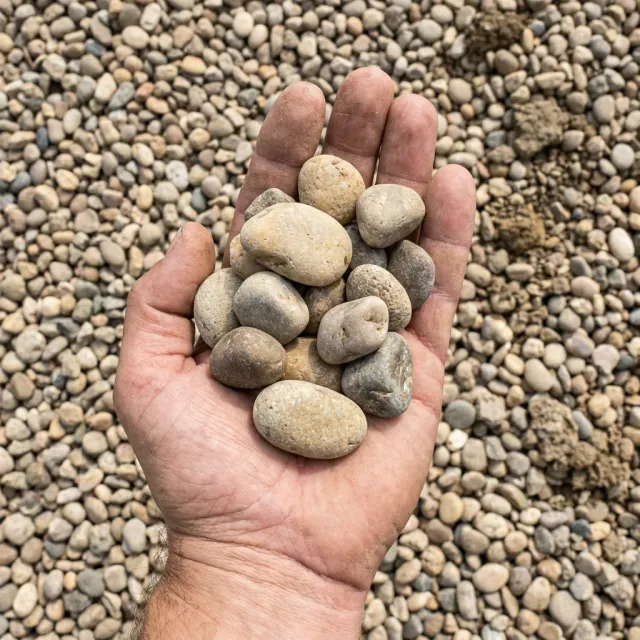
River Rock Calculator
This calculator estimates river rock by the ton for flowerbeds, dry creek beds, and borders. Adjusts for rock size — larger stones cover less per ton.
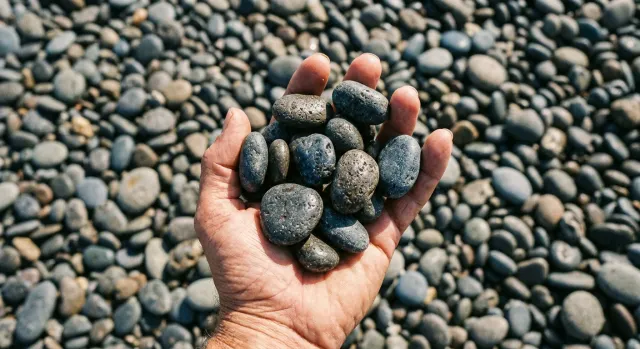
Mexican Beach Pebbles Calculator
Coverage varies with pebble size. This calculator estimates accurate tonnage from your area and depth for pools, water features, and accent landscaping.
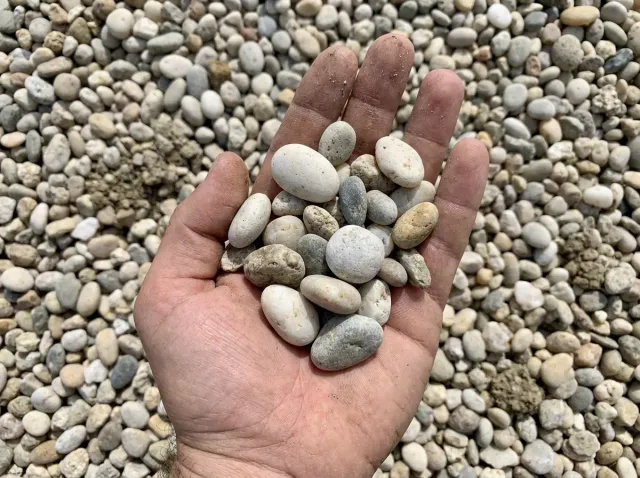
Egg Rock Calculator
Egg rock calculator — enter your area and depth to estimate cubic yards and tons. Great for garden borders, xeriscaping, and decorative ground cover.
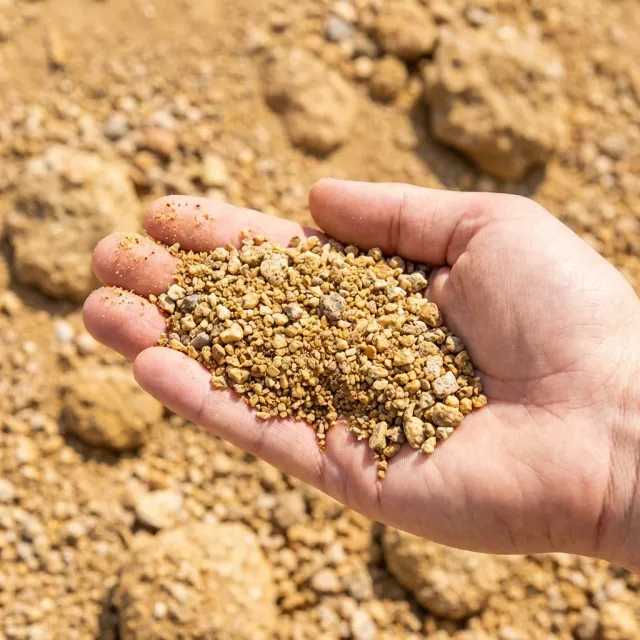
Decomposed Granite Calculator
DG calculator for pathways, patios, and driveways. Enter length, width, and depth to estimate tonnage — most projects need 2-3 inches for a compacted finish.
Frequently Asked Questions
What is a rock garden and why is it worth building?
A rock garden is a landscaped area that uses rocks, gravel, and stone as the primary design elements, often paired with low-growing plants or ground cover. Instead of relying on seasonal blooms to create visual interest, a rock garden draws its character from the natural texture, color, and arrangement of stone. That means it looks intentional and attractive year-round, not just when something is in flower. Rock gardens work well in a wide range of settings. They are popular on slopes that are difficult to mow, in dry areas where grass struggles, along driveways and pathways, and as a focal point in front or back yards. They also do a great job replacing traditional lawn or mulched beds in spots where you want a clean, polished look without a lot of ongoing upkeep. If you are looking for a landscape upgrade that adds curb appeal, reduces your mowing, and holds up well over the years, a rock garden is one of the most practical investments you can make in your outdoor space.
Are rock gardens low maintenance compared to traditional garden beds?
Rock gardens are genuinely low maintenance, and that is one of the biggest reasons homeowners choose them. Once your rock garden is built with a proper base and good drainage, there is very little you need to do to keep it looking great. Unlike grass, rock gardens do not need mowing, watering, or fertilizing. Unlike mulched beds, you will not be replenishing material every year because stone and gravel do not break down or decompose over time. Weeds can appear occasionally, especially in the first season, but a well-built rock garden with a solid gravel base makes it much harder for weeds to take hold compared to bare soil or mulch. If you add drought-tolerant plants between the stones, even watering becomes minimal. Most rock garden owners find that a light raking and some occasional hand-weeding a couple of times a year is genuinely all the maintenance required.
What is the best base material for a rock garden, and why does it matter?
The base layer is the foundation of your entire rock garden, and getting it right makes a significant difference in how long your project lasts and how well it drains. A poorly prepared base leads to shifting stones, waterlogged soil, and weed problems down the road. Most rock garden builds start with a layer of crushed gravel or compactable base stone, typically laid at about 4 inches deep. This creates a stable, firm surface for your feature rocks to sit on, and more importantly, it allows water to move through quickly rather than pooling around plant roots or softening the ground beneath your stones. Without this drainage layer, even beautifully arranged stone work can look sunken and uneven after a season or two. Hello Gravel carries base gravel and crushed stone options suited to this exact application. If you are not sure which base material is the right fit for your rock garden design, reach out to the Hello Gravel team before you order and they can help you pick the right starting point.
What types of decorative rock and gravel work best for the surface of a rock garden?
The surface layer is where texture, color, and personality come through, and there are several great options depending on the look you are going for. River rock is a popular choice for rock gardens because its smooth, rounded shape gives a natural, water-worn appearance that looks great alongside larger boulders and spreading plants. Pea gravel offers a finer, more uniform texture and fills tight gaps between stones cleanly. Decomposed granite gives an earthy, compacted surface that works especially well in dry or xeriscape-style garden designs. For a bolder, more dramatic layout, larger fieldstone or flagstone pieces can serve as visual anchors and informal stepping paths through the garden. The right choice depends on your design style, the scale of your space, and what you want the finished garden to feel like. Hello Gravel can deliver your decorative stone in bulk so you have plenty of material on hand to work with, without the hassle of hauling multiple retail loads yourself. If you want guidance on which stone type suits your project, the Hello Gravel team is happy to help.
How do I build a simple rock garden from start to finish?
Building a rock garden is a straightforward project when you approach it in the right order. Here is how most successful rock gardens come together. Start by marking out the area and removing any existing grass, weeds, or vegetation. If you have a slope or uneven terrain, this is the time to grade the area so it works with your design rather than against it. Next, spread your crushed base gravel to a depth of about 4 inches across the entire footprint and compact it lightly. This drainage layer is what keeps the whole project stable and healthy over time. Once your base is in place, position your largest feature rocks first. Burying roughly one-third of each large stone into the base gives them a naturally set appearance and keeps them from tipping or shifting. Work from largest to smallest, filling in around the big stones with your decorative gravel or smaller stone layer. Finally, if you plan to add plants, tuck them into pockets of well-draining soil nestled between the rocks. Settle everything in, step back, and adjust anything that does not feel balanced. Hello Gravel can supply both your base material and your decorative rock in one bulk delivery, so you are not making multiple trips or coordinating multiple orders to get your project done.
More Project Calculators
Playground Calculator
This calculator estimates mulch, rubber, or wood fiber surfacing for playgrounds. Enter area and recommended depth to get cubic yards and tons.
Chicken Coop Calculator
Use this calculator to estimate how much gravel your coop base requires. Input dimensions and depth for volume in cubic yards and stone type guidance.
Basketball Court Calculator
Court base calculator — estimate gravel, sand, and sub-base quantities for backyard or regulation basketball courts. Input court size for material totals.
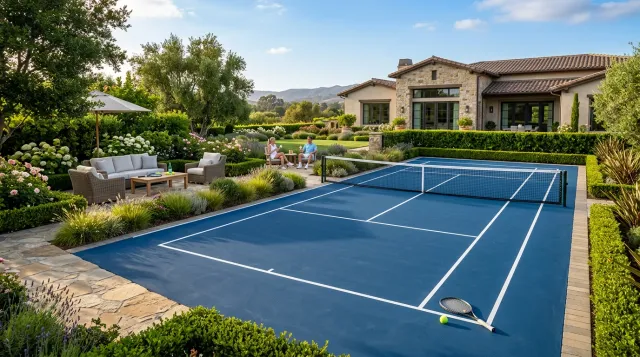
Tennis Court Calculator
Use this calculator to estimate the crushed stone base for a new or resurfaced tennis court. Enter dimensions and depth for volume and tonnage.
Delivery Logistics & Truck Info
Know your delivery options and access requirements before scheduling your order.
Truck Capacities
- Standard Dump Truck10–14 tons
- Tandem Axle14–18 tons
- Semi End Dump20–25 tons
A standard cubic yard weighs approximately 2,000–2,700 lbs depending on material and moisture.
Site Access Requirements
- Trucks require a minimum 12-ft wide, overhead-clear access path
- Soft ground or slopes over 10% may limit truck access — contact us before ordering
- Ensure no underground utilities or irrigation lines are in the drop zone
- Mark your desired drop location clearly before delivery
Important Notes
- Delivery estimates are based on available inventory and route proximity
- Minimum order quantities apply — typically 5 cubic yards or 1 truckload
- Material certification is available upon request for permitted projects
- Always confirm local ordinances before major material placement