
Zen Garden Calculator
— How Much Do You Need?
Estimate truckloads of sand, gravel, and decorative stone for a peaceful, low‑maintenance Zen garden.
How to Use This Zen Garden Calculator
Planning a zen garden requires precise measurements to ensure you order enough material without overspending.
- 1 Measure Area: Measure the length and width of your planned zen garden area in feet.
- 2 Determine Depth: For most zen garden projects, a depth of 4 to 6 inches is recommended for stability.
- 3 Review Results: The calculator provides both cubic yards (for bulk volume) and tons (for ordering weight).
Common Materials for Zen Gardens
Choosing the right aggregate directly affects both the visual authenticity of a Zen garden's raked patterns and the drainage performance of its base layer.
| Material | Description | Best For | Est. Cost |
|---|---|---|---|
| Pea Gravel | Small, rounded, smooth stones typically 1/4 to 3/8 inch in diameter, naturally weathered from river or glacial deposits. | Raking Surface, Top Layer, Decorative Ground Cover | $ |
| Decomposed Granite | Fine, grus-textured crushed granite particles ranging from 1/8 inch down to dust, with a natural earthy tone. | Raking Surface, Pathway Fines, Top Layer | $$ |
| #57 Crushed Stone | Angular, machine-crushed stone nominally 3/4 inch in size, typically limestone or granite, with good interlock and drainage properties. | Base Layer, Drainage, Not Raking Surface | $ |
| River Rock | Smooth, naturally rounded stones ranging from 1 to 5 inches in diameter, shaped by water erosion with varied earth-tone coloring. | Border Edging, Accent Placement, Limited Raking Use | $$ |
Understanding the Cost
Several factors influence the final price of your zen garden project.
Material Volume
The dimensions of your project directly dictate the tonnage needed. Deeper bases require significantly more material.
Delivery Distance
Transport logistics play a major role. Being closer to the quarry or depot reduces delivery fees significantly.
Material Type
Decorative stones cost more than utility grades. Choose based on your project's functional and aesthetic requirements.
Recommended Products for Your Zen Garden
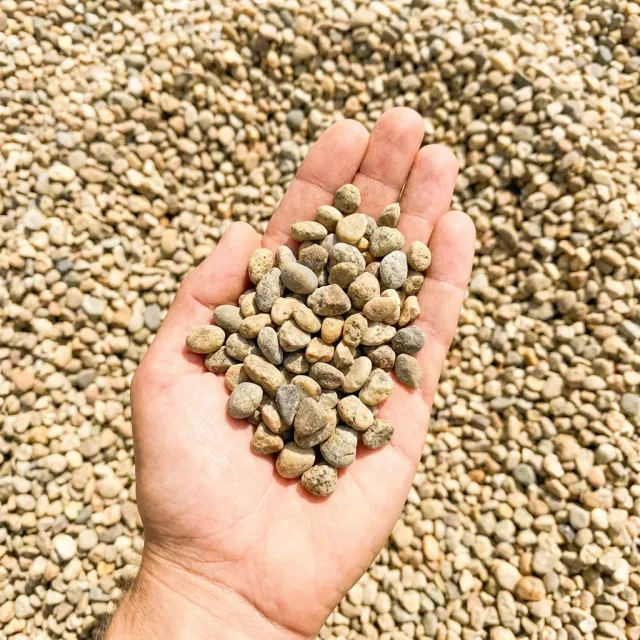
Pea Gravel Calculator
Pea gravel calculator — enter your project dimensions to estimate volume in cubic yards, tons, and bags. Ideal for pathways, patios, and ground cover.
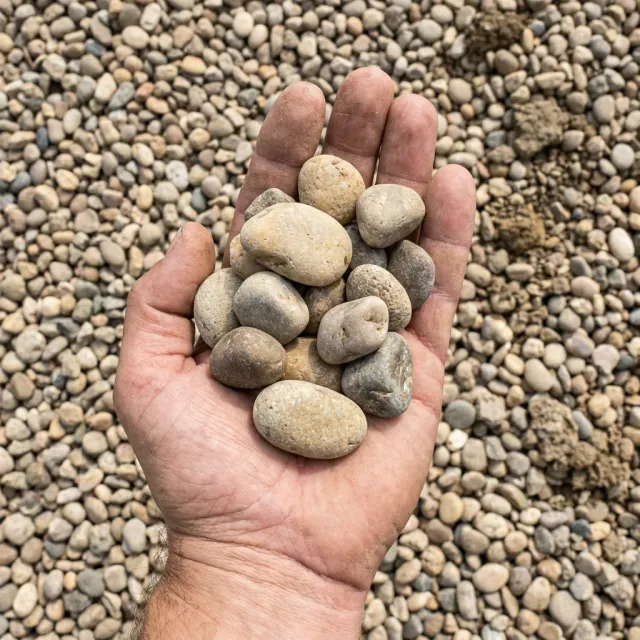
River Rock Calculator
This calculator estimates river rock by the ton for flowerbeds, dry creek beds, and borders. Adjusts for rock size — larger stones cover less per ton.
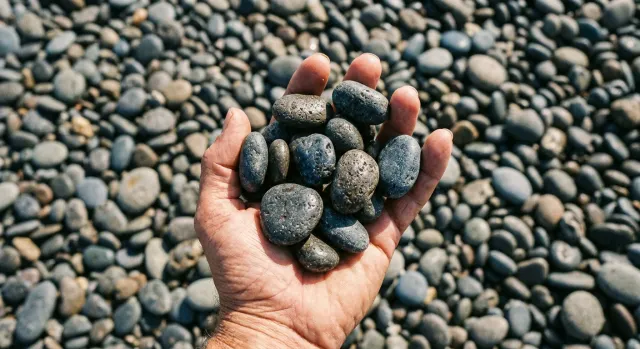
Mexican Beach Pebbles Calculator
Coverage varies with pebble size. This calculator estimates accurate tonnage from your area and depth for pools, water features, and accent landscaping.
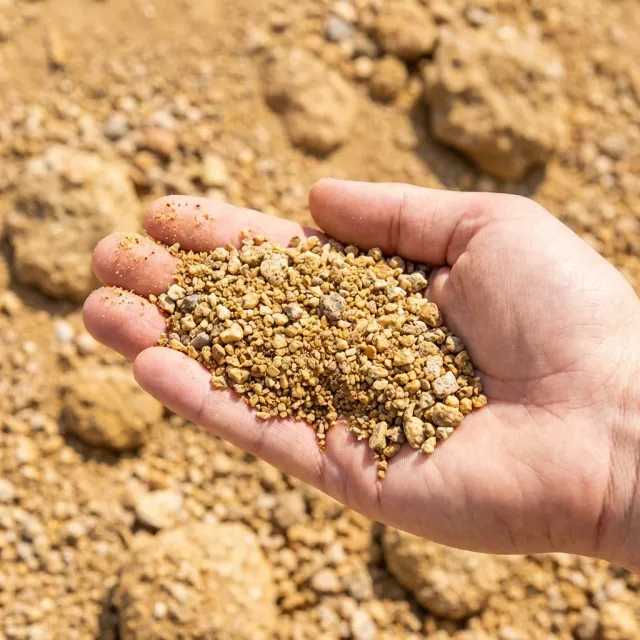
Decomposed Granite Calculator
DG calculator for pathways, patios, and driveways. Enter length, width, and depth to estimate tonnage — most projects need 2-3 inches for a compacted finish.
Frequently Asked Questions
What is a Zen garden and what materials does it use?
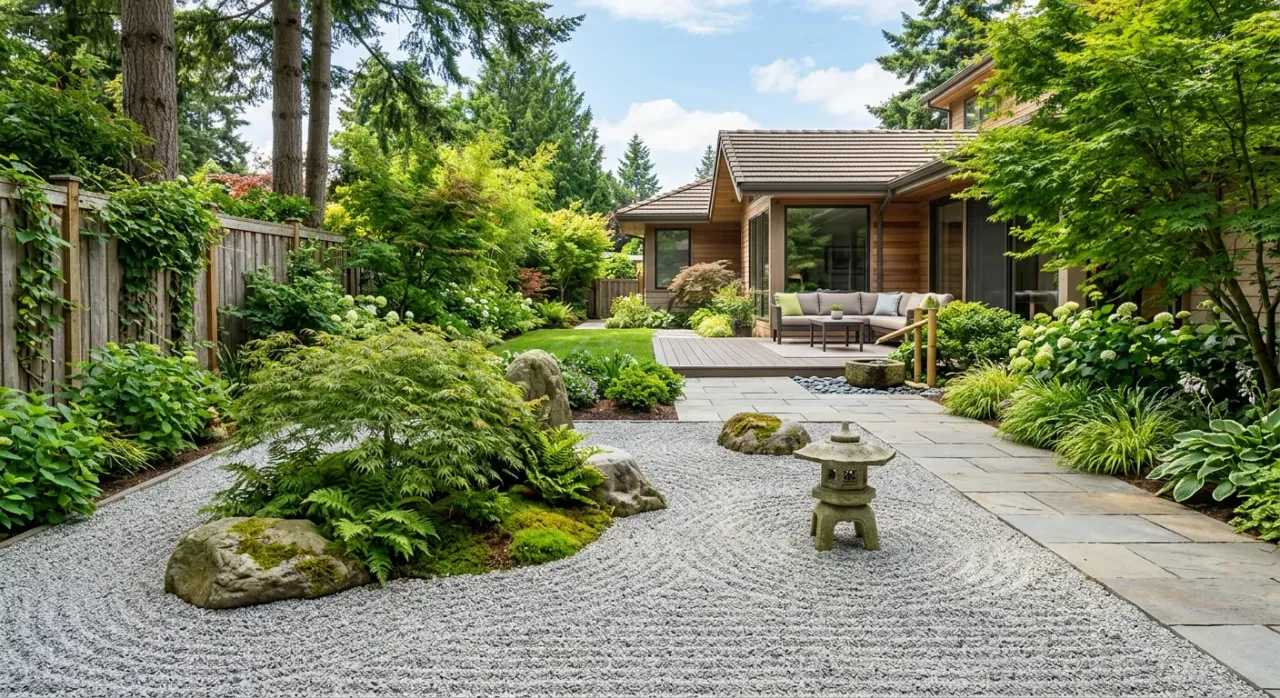
A Zen garden, traditionally called a karesansui or "dry landscape" garden, is a Japanese garden style that uses carefully arranged gravel, sand, rocks, and minimal plantings to create a calm, meditative space. The word karesansui translates roughly to "dry mountain water," and the style originated in Japanese Buddhist monasteries during the 14th and 15th centuries. The idea is to represent nature in an abstract form, with raked gravel or fine crushed stone suggesting the flow of water, and larger rocks representing mountains or islands. The core material in a Zen garden is the raked gravel or fine crushed stone that covers most of the surface. This material gets shaped into wave-like lines, circular ripples, or geometric patterns using a wide wooden rake, and the visual effect is one of quiet order and natural flow. Larger accent stones, boulders, or decorative rocks are placed throughout the gravel to serve as focal points. Some Zen gardens also include moss, small ornamental grasses, or a few carefully chosen shrubs, but many traditional designs use nothing but stone and gravel. For a yard-scale Zen garden, you will need a meaningful quantity of raked gravel or fine crushed stone delivered in bulk. Hello Gravel carries materials like decomposed granite, pea gravel, and fine crushed stone that are well suited to this application, and delivers them by the truckload with free delivery and upfront pricing.
What type of gravel or sand should I order for a Zen garden?
Material selection is one of the most important decisions you will make for your Zen garden, because the texture and grain shape of the material determine how well it holds raked patterns and how it looks over time. For raking, you want a material that is finely textured but not so powdery that it blows away or collapses immediately after you rake it. Decomposed granite, often called DG, is one of the best choices available. Its slightly angular particles interlock just enough to hold raked lines and swirling patterns, while still being soft enough to work through with a standard garden rake. Fine crushed stone in a light gray or white color performs similarly and gives a very clean, polished look. Pea gravel is a popular alternative because of its smooth, rounded appearance and pleasant texture. However, because the particles are round rather than angular, raked patterns in pea gravel tend to settle and lose their definition faster than they would in decomposed granite. If maintaining crisp, detailed patterns is a priority for you, angular material is the better fit. Color matters too. White or light-colored materials are the most traditional choice because the contrast between pale gravel and dark natural stones is visually striking and easy to read from a distance. That said, modern Zen gardens frequently use charcoal or tan crushed stone for a more contemporary feel, and both work well. If you are weighing your options or want to know what is currently available in your area, reach out to the Hello Gravel team and they can point you toward the right material for your project.
How much gravel do I need for my Zen garden?
The amount of material you need depends on two things: the square footage of your garden area and how deep you want to lay the gravel. For a Zen garden, the ideal depth is 2 to 3 inches. That depth gives you enough material to rake clean, defined patterns without the gravel shifting too easily underfoot, and it is thick enough that the landscape fabric or soil beneath will not show through as the material settles over time. As a starting point, a 2-inch layer over 500 square feet requires roughly 3 cubic yards of material, which works out to approximately 4 to 5 tons depending on the specific material you choose. At 3 inches of depth over that same 500 square feet, you are looking at closer to 4.5 to 5 cubic yards, or about 6 to 7 tons. For a larger Zen garden covering 1,000 square feet at 3 inches of depth, you are in the range of 9 to 10 cubic yards, which is close to a full truckload. Projects of that scale are a natural fit for Hello Gravel's bulk delivery model. Keep in mind that large accent stones and boulders will displace some gravel, so factor those into your layout before placing your order. The easiest way to get a precise number for your specific dimensions is to use the Hello Gravel calculator on the product page. It does the math for you in seconds and gives you a reliable estimate so you are not guessing when you place your order.
What are the most common Zen garden mistakes, and how can I avoid them?
One of the most frequent mistakes is laying the gravel too shallow. If you spread material at less than 2 inches of depth, you will see the ground or fabric beneath the gravel almost immediately, and raking will dig right through the layer and churn up dirt from below. Going to 2 to 3 inches solves this problem and gives the garden a clean, finished appearance that holds up through the seasons. Skipping the weed barrier is another mistake that causes problems quickly. Without landscape fabric installed under the gravel, weeds push through the material over time and become very difficult to pull out without disturbing your raked patterns. Installing a quality weed barrier before you lay the gravel is one of the simplest things you can do to keep the garden looking sharp for years without constant maintenance. Choosing the wrong material type is a problem that shows up fast. If the material is too coarse, you cannot rake clean lines through it. If it is too fine, such as loose beach sand, it compacts and hardens over time, becomes prone to wind erosion, and loses its visual interest. You want a fine, angular gravel or decomposed granite that holds a raked pattern without locking up solid. Finally, many people underestimate how much material they need and end up with thin, uneven coverage after the gravel settles. Use the Hello Gravel calculator to get an accurate estimate for your square footage and desired depth before placing your order, and consider ordering a modest surplus to account for settling and any displacement around the base of your accent stones.
What is the 70/30 rule in Zen garden design, and how does it affect how much material I order?
The 70/30 rule is a design guideline suggesting that roughly 70 percent of a Zen garden's surface should be open, raked gravel, while the remaining 30 percent is occupied by rocks, boulders, moss patches, or small plantings. This proportion preserves the sense of openness and visual quiet that defines the Zen garden aesthetic. When too much of the surface is covered with rocks and plants, the garden starts to feel cluttered and loses its meditative quality. From a practical standpoint, the 70/30 rule means you are covering the vast majority of your garden footprint with gravel, so your material estimate should reflect close to the full square footage of the area. If your garden is 400 square feet and about 30 percent will be taken up by large stones and a small moss feature, you are looking at roughly 280 square feet of gravel coverage. For most estimates, designers recommend calculating based on the total square footage and adjusting slightly downward for very large stone features. It is generally better to have a small surplus than to run short mid-project. A little extra material can fill in thin spots as the gravel settles, top off areas around new stones added later, or be used for a nearby path or border. For a precise number that accounts for your specific layout and stone placement, use the Hello Gravel calculator, or contact the team if you want a second opinion on your estimate before you order.
More Project Calculators
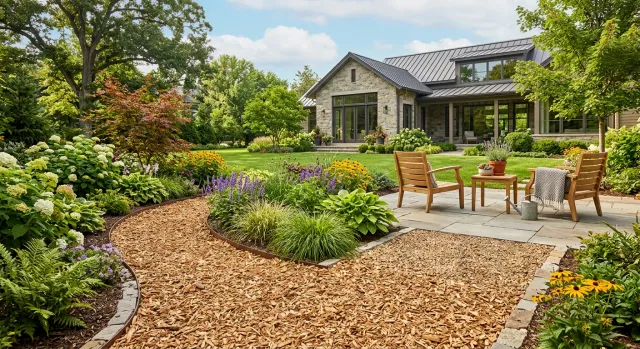
Playground Calculator
This calculator estimates mulch, rubber, or wood fiber surfacing for playgrounds. Enter area and recommended depth to get cubic yards and tons.
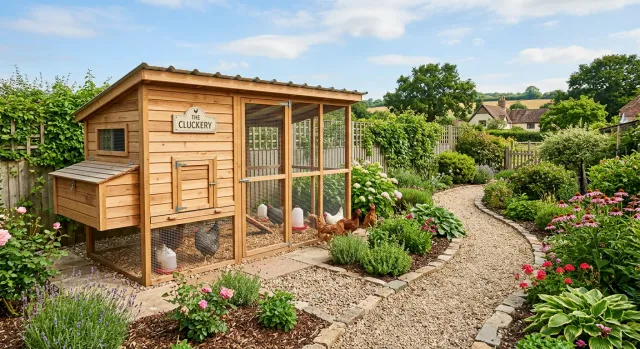
Chicken Coop Calculator
Use this calculator to estimate how much gravel your coop base requires. Input dimensions and depth for volume in cubic yards and stone type guidance.
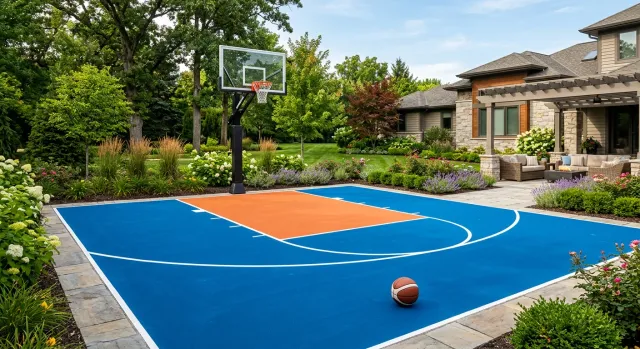
Basketball Court Calculator
Court base calculator — estimate gravel, sand, and sub-base quantities for backyard or regulation basketball courts. Input court size for material totals.
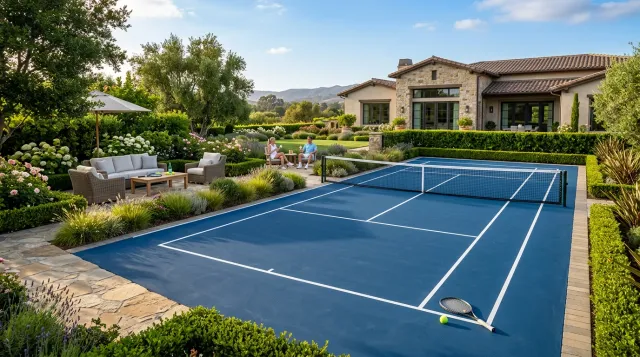
Tennis Court Calculator
Use this calculator to estimate the crushed stone base for a new or resurfaced tennis court. Enter dimensions and depth for volume and tonnage.
Delivery Logistics & Truck Info
Know your delivery options and access requirements before scheduling your order.
Truck Capacities
- Standard Dump Truck10–14 tons
- Tandem Axle14–18 tons
- Semi End Dump20–25 tons
A standard cubic yard weighs approximately 2,000–2,700 lbs depending on material and moisture.
Site Access Requirements
- Trucks require a minimum 12-ft wide, overhead-clear access path
- Soft ground or slopes over 10% may limit truck access — contact us before ordering
- Ensure no underground utilities or irrigation lines are in the drop zone
- Mark your desired drop location clearly before delivery
Important Notes
- Delivery estimates are based on available inventory and route proximity
- Minimum order quantities apply — typically 5 cubic yards or 1 truckload
- Material certification is available upon request for permitted projects
- Always confirm local ordinances before major material placement