
How to Choose the Right Contractor for Your Construction Project
Choosing the right contractor can make or break your construction project. Whether you’re planning a kitchen remodel, building an addition, or starting from the ground up, the contractor you select determines everything from project quality to timeline and budget adherence. With countless options available, making this decision feels overwhelming for most homeowners and property developers.
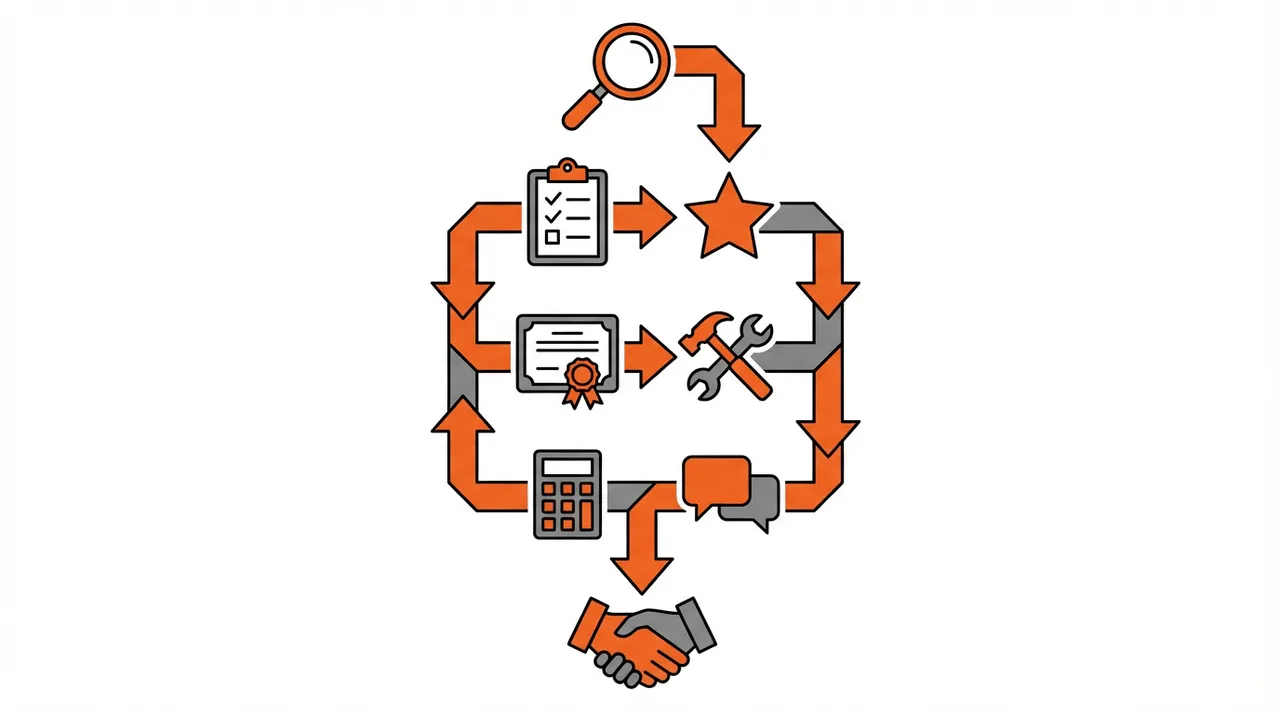
The key to success lies in following a systematic approach that evaluates contractors based on credentials, experience, and fit for your specific project needs. This guide walks you through four essential steps that help you identify, evaluate, and select a contractor who will deliver results that exceed your expectations.
Quick insight: According to industry data, projects with properly vetted contractors are 40% more likely to finish on time and within budget compared to those where contractors were selected primarily on price alone.
About Hello Gravel
Hello Gravel delivers bulk gravel, rock, dirt, and sand by the ton. Enter your ZIP code to see prices with delivery included. A local dump-truck driver places the load where access is safe; spreading is not included.
Define your project requirements clearly
Before reaching out to any contractor, you need crystal clarity on what you want to accomplish. This foundational step prevents miscommunication and ensures you receive accurate, comparable estimates from potential contractors.
Start by documenting your project scope in detail. Include specific measurements, materials preferences, design elements, and any special features you want incorporated. For example, if you’re renovating a bathroom, specify whether you want a walk-in shower, the type of flooring, fixture styles, and any accessibility features needed. Understanding the most popular types of construction projects in major cities can help you contextualize your project within current market trends.
Your budget and timeline expectations need equal attention. Establish a realistic budget that includes a 10-15% contingency for unexpected issues. Be honest about your financial limits with contractors so they can propose solutions that work within your constraints rather than overselling features you can’t afford. Learning how to save money as a general contractor can provide insights into cost-effective approaches.
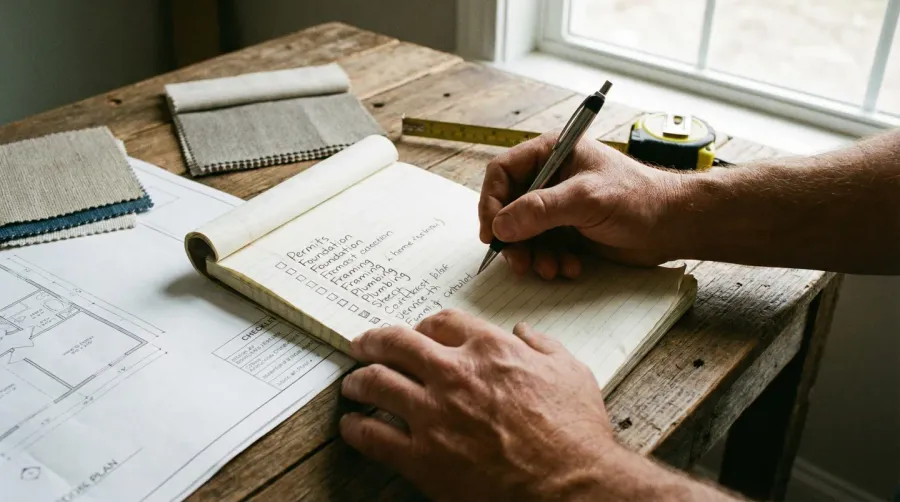
Don’t forget about permits and special requirements. Some projects require environmental assessments, historical preservation considerations, or compliance with specific building codes. Navigating zoning laws for new construction projects is crucial for identifying these requirements upfront, helping contractors factor necessary time and costs into their proposals.
When planning projects that require aggregates like gravel, sand, or crushed stone for foundations, driveways, or drainage, consider the logistics of material sourcing early in your planning process. Modern contractors increasingly rely on streamlined supply chains that can deliver materials nationwide within days rather than weeks, which can significantly impact your project timeline and budget.
Research and verify contractor credentials
Your contractor research should combine personal recommendations with thorough credential verification. Start by asking friends, neighbors, and local building supply stores for referrals. People who’ve recently completed similar projects often provide the most valuable insights about contractor performance.
Online reviews offer another perspective, but read them critically. Look for patterns in feedback rather than focusing on individual complaints or praise. Pay attention to how contractors respond to negative reviews, as this reveals their professionalism and problem-solving approach. You can also explore best online resources for contractors to find reputable platforms for vetting professionals.
| Credential Type | Why It Matters | How to Verify |
|---|---|---|
| License | Confirms legal authorization to work | Check state licensing board website |
| Insurance | Protects against liability and damages | Request certificates directly from insurer |
| Bonding | Guarantees project completion | Verify through bonding company |
Never skip the verification step. Contact licensing boards, insurance companies, and bonding agencies directly rather than accepting documents at face value. Fraudulent credentials are more common than most homeowners realize, and this simple step protects you from significant liability. If you’re considering specialized work, learn whether landscape contractors need a license and how to look up a landscaping contractor’s license to ensure proper verification.
Important note: A contractor who hesitates to provide credential documentation or rushes you through this verification process should raise immediate red flags about their legitimacy and professionalism.
Evaluate portfolios and past performance
A contractor’s portfolio tells the story of their capabilities and attention to detail. Request examples of projects similar to yours in scope, style, and budget range. Quality contractors maintain organized portfolios with before-and-after photos, project timelines, and client testimonials.
Contact previous clients directly when possible. Ask about communication quality, adherence to schedules, cleanliness during work, and how the contractor handled unexpected challenges. Former clients often share insights about working relationships that you won’t find in formal testimonials.
Pay attention to project timelines in the portfolio. Contractors who consistently complete projects on schedule demonstrate good planning and resource management skills. Those with frequent delays may struggle with project coordination or take on more work than they can handle effectively. Learning how contractors find jobs can give you insight into their workload and availability.
Look for contractors who demonstrate innovation in their approach to traditional challenges. For instance, those who leverage modern supply chain solutions for materials procurement often deliver more predictable timelines and competitive pricing, as they’re not dependent on calling around for price sheets or dealing with unreliable suppliers.
Compare bids and make your selection
Request detailed written proposals from your top three contractor candidates. Each proposal should break down labor costs, materials, permits, and timeline estimates. This transparency allows you to compare offerings fairly and identify any significant discrepancies that need explanation. If you’re curious about pricing strategies, explore how to price your services as a contractor to understand industry standards.
Avoid automatically choosing the lowest bid. Extremely low estimates often indicate corners will be cut on materials, labor quality, or project timeline. Instead, look for proposals that fall within a reasonable range of each other and provide the best value for your specific needs. You might also wonder whether general contractors charge for estimates when evaluating proposals.

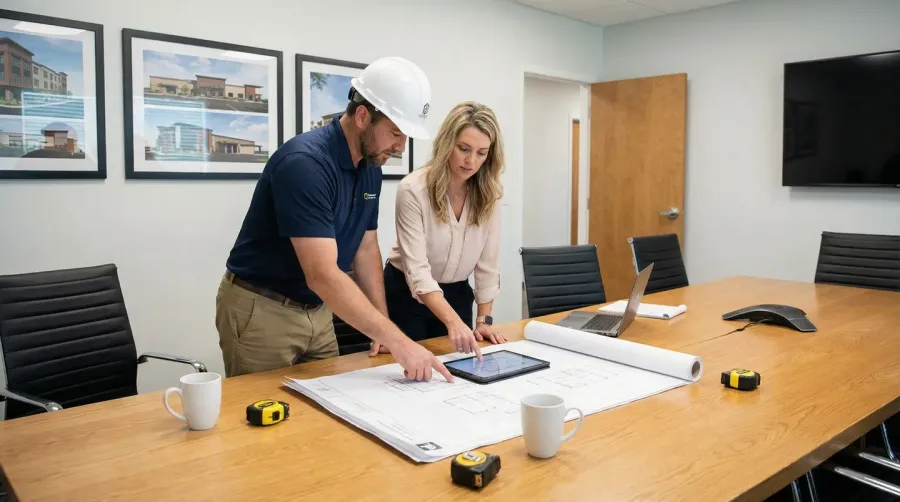
Schedule final interviews with your top candidates before making a decision. Discuss your project timeline, communication preferences, and how they handle change orders or unexpected issues. The contractor you choose will be working in your space for weeks or months, so personal compatibility matters as much as technical skills. Understanding how to manage your time as a contractor can help you assess their organizational capabilities.
Pro tip: Trust your instincts during these conversations. A contractor who listens carefully, asks thoughtful questions, and explains their approach clearly is more likely to deliver a positive experience than one who seems rushed or dismissive of your concerns.
Review contract terms carefully before signing. Ensure payment schedules align with project milestones rather than requiring large upfront payments. Verify that the contract includes specific materials, timeline commitments, and procedures for handling changes or delays.
Consider asking contractors about their material sourcing strategies, especially for projects requiring significant amounts of aggregates. Contractors who work with suppliers offering transparent pricing and reliable delivery schedules can often provide more accurate timeline estimates and avoid costly delays that plague many construction projects.
The right contractor becomes your partner in bringing your construction vision to life. By following these systematic evaluation steps, you’ll select someone who not only has the technical skills for your project but also the communication style and reliability that makes the entire process smooth and successful. Take time with this decision because the contractor you choose shapes every aspect of your construction experience.
FAQ
How do I verify a contractor’s license and insurance?
Contact your state licensing board directly through their website to verify the contractor’s license status. For insurance verification, request certificates directly from the insurance company rather than accepting documents at face value. Also verify bonding through the bonding company to ensure project completion guarantees are legitimate.
What should I include in my project requirements before contacting contractors?
Document specific measurements, material preferences, design elements, and special features you want. Include your realistic budget with a 10-15% contingency for unexpected issues, timeline expectations, and any permit or compliance requirements. This detailed scope prevents miscommunication and ensures you receive accurate, comparable estimates.
Why shouldn’t I automatically choose the lowest bid?
Extremely low estimates often indicate corners will be cut on materials, labor quality, or project timeline. Instead, look for proposals within a reasonable range of each other that provide the best value for your needs. Focus on detailed written proposals that break down labor costs, materials, permits, and timeline estimates for fair comparison.
What questions should I ask previous clients when checking references?
Ask about communication quality, adherence to schedules, cleanliness during work, and how the contractor handled unexpected challenges. Inquire about the overall working relationship and whether they would hire the contractor again. Former clients often share valuable insights about day-to-day interactions that formal testimonials don’t reveal.
Most-ordered materials
Get it delivered — dumped where you need it

Driveway Gravel
Driveways & Parking areas
See delivered price
View product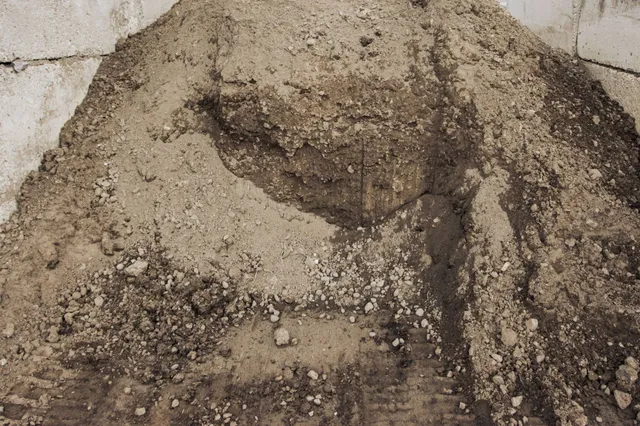
Fill Dirt
Grading & Backfill
See delivered price
View product
Topsoil
Lawn establishment & Garden beds
See delivered price
View product
#57 Crushed Stone
Driveways & Drainage
See delivered price
View product
Road Base
Driveway base & Road construction
See delivered price
View product