
How to Price Construction Jobs for Maximum Profit
Free local estimate
See delivered prices for your ZIP in 60 seconds
Tell us where the project is and we'll price this material — delivered — for your exact ZIP.
- Real delivered pricing for your ZIP — not a generic range.
- Works for any quantity — driveways, pads, drains, or full projects.
- Prefer to talk? We follow up with local availability and delivery windows.
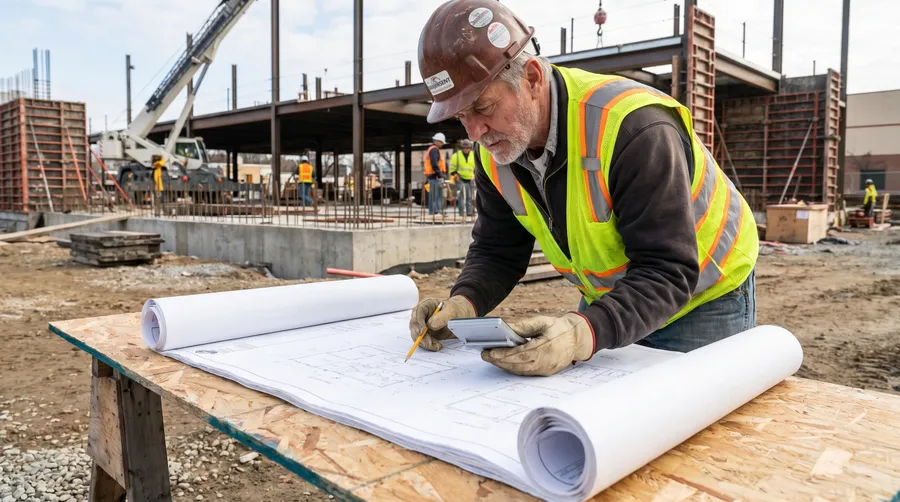
Getting your construction job pricing right determines whether you build a thriving business or struggle to cover basic costs. Too low, and you’re working for free while watching expenses pile up. Too high, and potential clients choose your competitors instead.
The solution lies in understanding your true costs and applying the right pricing formula consistently. Successful contractors follow this equation: Total Job Price = Labor Costs + Material Costs + Overhead + Profit Margin + Contingency Buffer. Most profitable contractors allocate 25-35% for labor, 30-40% for materials, and maintain 15-20% profit margins.
Pro Tip: Contractors who track actual costs on completed jobs and adjust their estimates accordingly see 15-20% higher profit margins than those who price once and never review.
This guide walks you through calculating your real costs, choosing the right pricing strategy for each job type, and avoiding the mistakes that drain profits from otherwise successful projects.
About Hello Gravel
Hello Gravel delivers bulk gravel, rock, dirt, and sand by the ton. Enter your ZIP code to see prices with delivery included. A local dump-truck driver places the load where access is safe; spreading is not included.
Quick formula for profitable construction pricing
Before you quote any job, you need a reliable formula that accounts for every cost. The basic equation works for projects of any size, but the devil lives in the details of each component.
Total Job Price = Direct Costs + Overhead Allocation + Profit Margin + Contingency
Direct costs include labor, materials, equipment, and subcontractors. Overhead allocation covers your business expenses like insurance, office rent, and vehicle costs. Your profit margin should range from 15-20% for most construction work, while contingency buffers protect against unexpected issues.
Understanding markup versus margin prevents costly pricing errors. A 20% markup on $10,000 in costs gives you $12,000 total, but only a 16.7% profit margin. If you want a 20% margin, you need to divide your costs by 0.8, not multiply by 1.2.
For example, if your total costs are $8,000 and you want a 20% margin, your quote should be $10,000 ($8,000 ÷ 0.8). This ensures you actually achieve your target profitability instead of falling short due to math errors.
How to calculate real job costs
Your true job costs extend far beyond the obvious expenses. Missing any component means you’re essentially working for free on that portion of the project.
Labor costs include more than hourly wages. Factor in payroll taxes, workers’ compensation insurance, benefits, and non-productive time like travel between jobs and equipment setup. A crew member earning $25 per hour typically costs you $35-40 per hour when you include all these expenses.
Material costs should include purchase price, delivery fees, waste allowances, and storage expenses. Smart contractors add a 10-15% markup on materials to cover handling time and potential price fluctuations. For bulk materials like gravel, stone, and mulch, streamlined ordering and delivery through digital platforms can help you predict costs more accurately and reduce handling time on site.
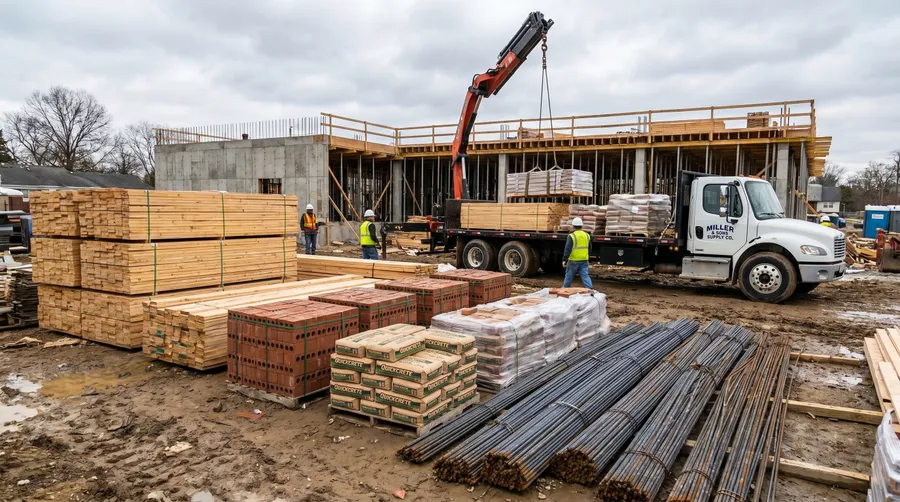
Overhead allocation represents your share of business expenses for each job. Calculate your monthly overhead costs including rent, insurance, vehicle expenses, tools, marketing, and administrative expenses. Divide this by your average number of jobs to determine the overhead cost per project.
Equipment expenses vary by project but include rental fees, fuel, maintenance, and depreciation on owned equipment. For jobs requiring subcontractors, factor in their costs plus a coordination fee for managing their work.
Reality Check: Most contractors underestimate labor hours by 15-20% when starting out. Track your actual time on each phase of work to improve future estimates.
Best pricing strategy for each job type
Different projects call for different pricing approaches. Matching your strategy to the job type and client preferences helps you stay competitive while protecting your margins.
Fixed price pricing works best when you have clear project scope and reliable cost estimates. You quote one price upfront, which clients love for budgeting purposes. This approach requires careful planning since you absorb cost overruns, but you keep extra profit if you finish efficiently.
Time and materials pricing suits projects with uncertain scope or potential complications. You bill for actual hours worked plus materials used. While this protects you from unexpected costs, some clients worry about cost control. Consider adding a “not to exceed” cap to address their concerns.
Cost-plus pricing involves calculating your direct costs and adding a predetermined markup percentage, typically 15-30%. This transparent approach works well for larger projects where clients value detailed cost breakdowns and want to see exactly where their money goes.
| Pricing Strategy | Best For | Client Appeal | Your Risk Level |
|---|---|---|---|
| Fixed Price | Clear scope projects | High (predictable costs) | Medium |
| Time & Materials | Uncertain scope work | Medium (with caps) | Low |
| Cost-Plus | Large, complex projects | High (transparency) | Low |
The key is matching your pricing strategy to both project complexity and client preferences. Complex renovations often need time and materials pricing, while standard installations work well with fixed pricing.
How to protect profit margin on every bid
Maintaining consistent profitability requires discipline in how you structure your margins and handle unexpected costs. Your profit margin represents the money left after covering all expenses, and it needs protection from common threats.
Target profit margins should range from 15-20% for most construction work. Specialized trades or high-demand markets can support 20-25% margins. Below 8% leaves you vulnerable to any cost overrun or collection delay.
Contingency buffers protect your profit when surprises arise. Add 5-10% to your estimates to handle material price fluctuations, weather delays, or scope changes without eating into your planned profit. This isn’t extra profit - it’s insurance for your actual profit.
Escalation clauses in your contracts protect against material cost increases during longer projects. With construction material costs fluctuating significantly, these clauses let you adjust pricing when costs rise beyond your control. Shorten bid validity periods to 30 days and clearly outline what triggers price adjustments.
Regular margin tracking helps you spot problems early. Compare your actual costs to estimates on completed jobs and adjust your pricing formulas based on real performance data.

Common construction pricing mistakes
Avoiding these frequent errors can immediately improve your profitability without changing your work quality or efficiency.
Underpricing to win jobs creates a cycle of financial stress. When you consistently underprice, you devalue your services and train clients to expect unrealistically low rates. Focus on communicating value rather than competing solely on price.
Forgetting overhead costs happens more often than you’d expect. Many contractors only consider direct job costs and ignore business expenses like insurance, vehicle costs, and administrative time. Every job must contribute to covering these essential expenses.
Ignoring market changes leaves your pricing outdated quickly. Material costs fluctuate, labor rates increase, and local market conditions shift. Review and adjust your pricing quarterly to stay aligned with current costs and market rates.
Missing contingency planning leaves you vulnerable when unexpected issues arise. Smart contractors build 5-10% contingency into their estimates to handle surprises without compromising profitability.
Key Insight: Contractors who regularly review and adjust their pricing see 15-20% higher profit margins than those who set prices once and forget them.
Not tracking actual performance against estimates means you never improve your accuracy. Most contractors underestimate labor hours initially, but tracking helps you refine future bids and identify where you’re losing money.
Remember that sustainable pricing allows you to invest in better tools, training, and team members, which ultimately benefits your clients through improved service quality. Profitable contractors consistently deliver better results than those struggling with cash flow issues.
Finding the right balance between profitability and competitiveness takes time and experience, but following these proven strategies helps you price confidently while building a financially healthy construction business.
FAQ
What profit margin should contractors target for construction jobs?
Most profitable contractors maintain profit margins between 15-20% for standard construction work. Specialized trades or high-demand markets can support 20-25% margins. Margins below 8% leave you vulnerable to cost overruns or collection delays. Remember that profit margin is different from markup - if you want a 20% margin on $8,000 in costs, you need to quote $10,000 ($8,000 ÷ 0.8), not just add 20% to your costs.
Should I use fixed price or time and materials pricing?
Fixed price works best when you have clear project scope and reliable cost estimates - clients love the predictability for budgeting. Time and materials pricing suits projects with uncertain scope or potential complications, as you bill for actual hours worked plus materials used. For complex renovations or projects with unknowns, use time and materials with a “not to exceed” cap to address client cost concerns while protecting yourself from overruns.
How much markup should I add to materials?
Smart contractors add a 10-15% markup on materials to cover handling time, storage expenses, and potential price fluctuations. Your material costs should include the purchase price, delivery fees, waste allowances (typically 10-15%), and any storage expenses. This markup isn’t just profit - it compensates you for the time spent sourcing, coordinating deliveries, and managing material logistics on the job site.
How do I avoid underbidding construction jobs?
Track your actual costs on completed jobs and compare them to your estimates - most contractors underestimate labor hours by 15-20% when starting out. Always include a 5-10% contingency buffer for unexpected issues, factor in all overhead costs (insurance, vehicle expenses, administrative time), and remember that labor costs include more than wages - add payroll taxes, workers’ compensation, and benefits. Review and adjust your pricing quarterly based on actual performance data.
Materials for this project
Get it delivered — dumped where you need it

Driveway Gravel
Driveways & Parking areas
See delivered price
View product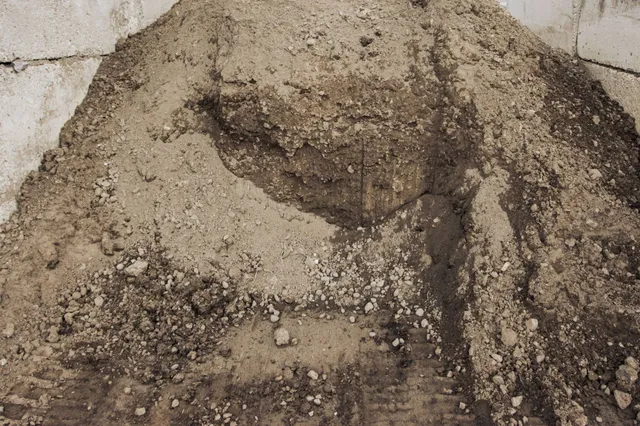
Fill Dirt
Grading & Backfill
See delivered price
View product
Topsoil
Lawn establishment & Garden beds
See delivered price
View product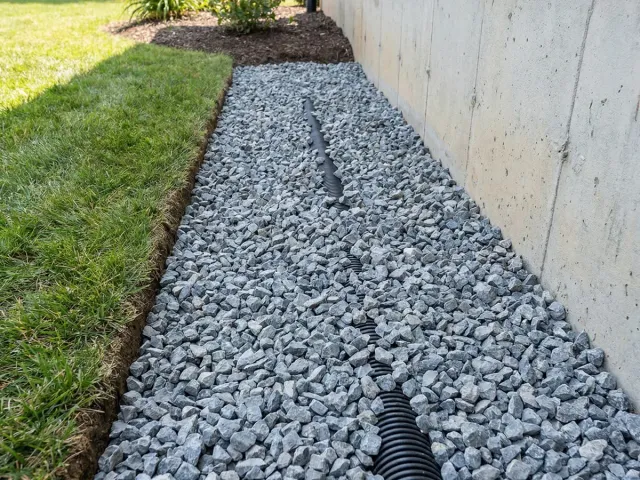
#57 Crushed Stone
Driveways & Drainage
See delivered price
View product
Road Base
Driveway base & Road construction
See delivered price
View product