
Bulk Bags of Gravel for Sale Near Me
Free local estimate
See delivered prices for your ZIP in 60 seconds
Tell us where the project is and we'll price this material — delivered — for your exact ZIP.
- Real delivered pricing for your ZIP — not a generic range.
- Works for any quantity — driveways, pads, drains, or full projects.
- Prefer to talk? We follow up with local availability and delivery windows.
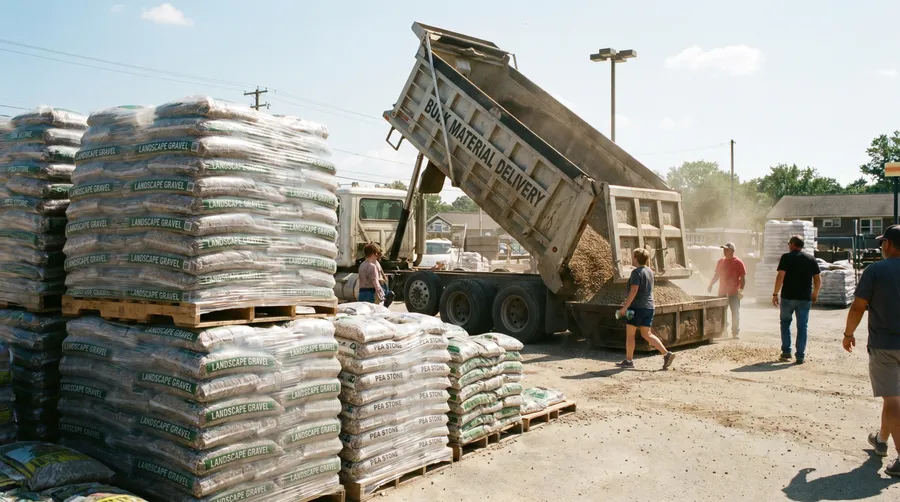
Looking for bags of gravel near you? You can find them at big-box stores like Home Depot and Lowe’s, local landscape supply yards, or consider bulk delivery for larger projects. Most bagged gravel comes in 0.5 to 1 cubic foot bags, perfect for small pathways and garden beds, while bulk delivery becomes more cost-effective for driveways and larger areas.
This guide covers where to buy bagged gravel locally, when bulk delivery makes more sense, and how to choose the right type for your specific project. Whether you need pea gravel for a walkway or crushed stone for drainage, you’ll learn how to make the best choice for your budget and timeline.
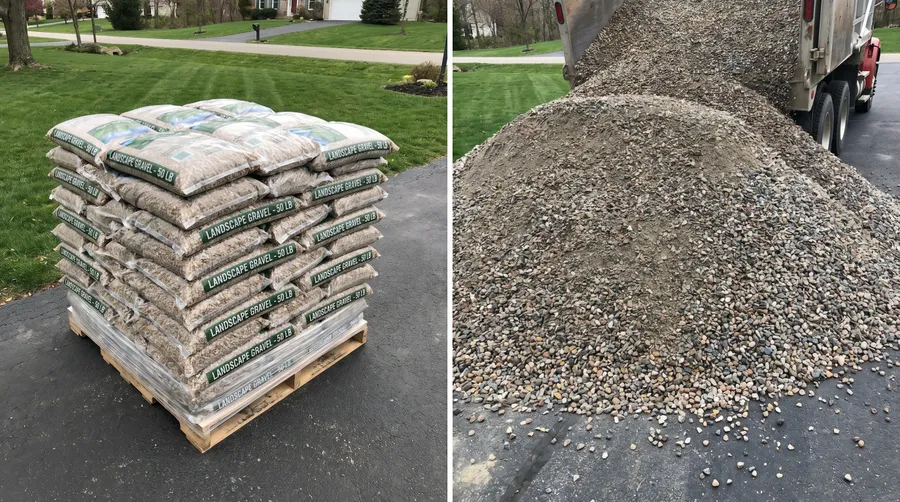
Quick tip: A single ton of bulk gravel typically equals 40-50 standard bags, making bulk delivery up to 50% cheaper for projects requiring more than 20 bags.
About Hello Gravel
Hello Gravel delivers bulk gravel, rock, dirt, and sand by the ton. Enter your ZIP code to see prices with delivery included. A local dump-truck driver places the load where access is safe; spreading is not included.
Where to buy bags of gravel near you
Big-box hardware stores
Home Depot, Lowe’s, and Menards stock the most common gravel types in standardized bag sizes. You’ll typically find pea gravel, crushed stone, and decorative river rock in 0.5 cubic foot bags. These stores offer same-day pickup and often have weekend availability, making them convenient for quick projects.
The downside is limited selection. Most big-box stores carry only 3-4 gravel types, and specialty materials like drain rock or specific color matches may not be available. Prices run higher per cubic foot compared to bulk options.
Local landscape supply yards
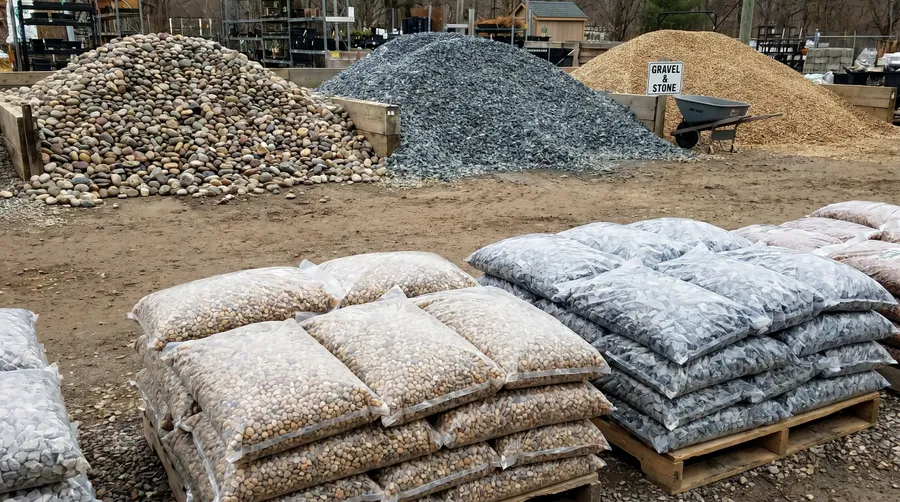
Landscape supply companies offer wider selection and often sell both bagged and bulk materials. You’ll find specialty gravels like crusher run, #57 stone, and regional decorative options that big-box stores don’t carry. Many provide same-day or next-day delivery for both bags and bulk orders.
Call ahead to check stock and bag availability. Some yards focus primarily on bulk sales and may have limited bagged inventory. However, they’re your best bet for matching specific project requirements or getting expert advice on material selection.
Specialty aggregate marketplaces
Online platforms like Hello Gravel focus on bulk delivery but can help you compare costs between bagged and bulk options. These services typically deliver the next business day nationwide and place materials exactly where you mark, eliminating the wheelbarrow work that comes with curbside bag delivery.
Bags vs bulk gravel for your project
When to choose bagged gravel
Bagged gravel works best for small projects under 200 square feet, tight access areas where trucks can’t reach, or when you need just a few cubic feet for garden accents. You can transport bags in your car, work at your own pace, and store unused material easily.
Choose bags when you’re filling planters, creating small decorative borders, or doing quick repairs that require less than 10 bags total. The convenience of pickup and portion control often outweighs the higher per-unit cost for these smaller applications.
When bulk delivery saves money and time
Bulk delivery becomes cost-effective for projects requiring more than 15-20 bags. A typical driveway refresh needs 3-5 tons of material, which would require 120-200 individual bags. Bulk delivery eliminates multiple store trips, loading and unloading work, and often costs 30-50% less than equivalent bagged quantities.
Consider bulk when you’re installing new driveways, large pathways, or drainage systems. The driver places the material exactly where you specify, and you can spread it immediately rather than moving dozens of bags from your car to the work area.
Common types of gravel for bagged purchase
Pea gravel
Best for walkways, playgrounds, and decorative areas where foot comfort matters. Pea gravel’s smooth, rounded stones are easy to walk on and come in various colors. Most stores stock it in 0.5 cubic foot bags covering about 6 square feet at 2-inch depth.
You’ll find pea gravel readily available at both big-box stores and landscape yards. It’s one of the most commonly bagged materials, making it easy to source locally for smaller projects.
Crushed stone and crusher run
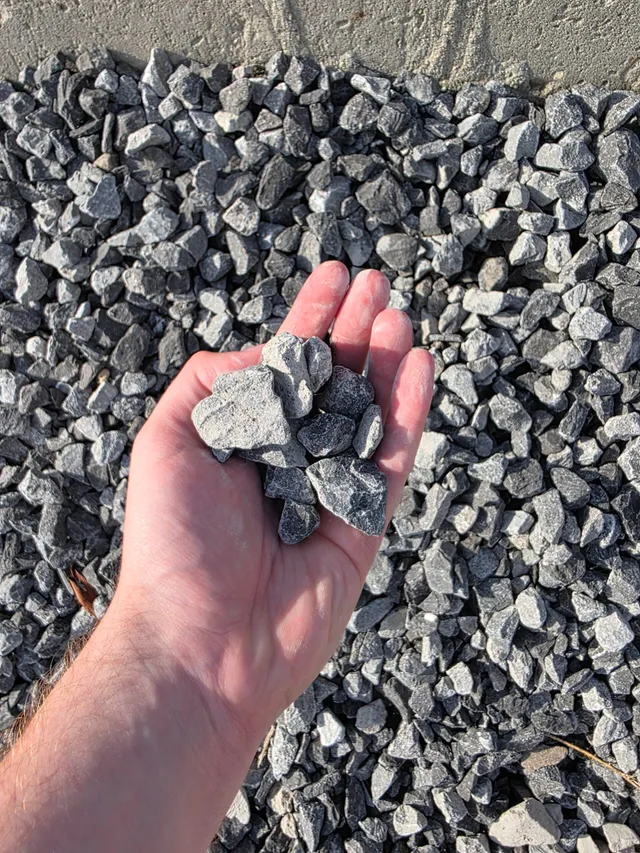
Ideal for driveways and high-traffic areas needing stability and drainage. The angular edges lock together, creating a firm surface that handles vehicle weight well. Crusher run includes fine particles that help with compaction and dust control.
Big-box stores typically carry basic crushed stone, while landscape yards offer specific grades like #57 or #67 stone. Bags usually contain 0.5-0.75 cubic feet and cover less area than pea gravel due to better compaction.
River rock and decorative gravel
Perfect for flower beds, water features, and accent areas where appearance is the priority. River rock comes in various sizes and colors, from small pebbles to larger stones. These materials focus on aesthetics rather than structural support.
Landscape supply yards offer the widest selection of decorative options. Big-box stores usually stock basic river rock in neutral colors, but specialty colors and sizes require dedicated suppliers.
How much gravel do you need
Simple calculation method
Measure your project area in feet (length × width), then multiply by desired depth in feet to get cubic feet needed. For example, a 10×10 foot patio at 3-inch depth requires 25 cubic feet (10 × 10 × 0.25).
Convert cubic feet to bags by dividing by your bag size. Most bags contain 0.5 cubic feet, so 25 cubic feet needs 50 bags. For bulk orders, divide cubic feet by 27 to get cubic yards, then multiply by 1.3 to convert to tons for most gravel types.
Planning tip: Add 10% extra material for settling and spillage on projects over 5 tons, or 20% extra for smaller projects under 2 tons.
Conversion reference
One ton of gravel typically equals 40-50 standard bags, depending on material density and bag size. This means projects requiring more than 20 bags often cost less when ordered in bulk. Online calculators from suppliers like Hello Gravel can provide exact tonnage estimates based on your project dimensions.
Key factors when choosing bagged gravel
Size and surface texture
Match gravel size to your project’s needs. Smaller stones (pea gravel) work better for foot traffic and decorative applications. Larger, angular stones provide better vehicle support and drainage for driveways and parking areas.
Consider how the surface will be used. Smooth stones are comfortable for walkways but may shift under heavy loads. Angular crushed stone locks together better but feels rougher underfoot.
Color and aesthetic appeal
Choose colors that complement your home’s exterior and existing landscape. Natural earth tones blend with most settings, while colored gravels can create specific design effects. Remember that wet gravel appears darker than dry samples.
Local availability affects color options significantly. Regional quarries produce different natural colors, so what’s common in one area may be specialty-order in another.
Price per bag vs total project cost
Compare per-cubic-foot pricing between different suppliers and bag sizes. Larger bags often cost less per unit volume but may be harder to handle. Calculate total project cost including delivery fees for bulk options before deciding between bagged and bulk purchasing.
Factor in your time and transportation costs when comparing options. Multiple trips to load bags may offset apparent savings, especially for larger projects.
How to find reliable gravel suppliers near you
Use map search and filters
Search “gravel near me” or “landscape supply near me” in map applications, then filter results by customer ratings and distance. Look for suppliers with 4+ star ratings and recent reviews mentioning product quality and service reliability.
Check business hours and call ahead to verify current stock, especially for specific gravel types or colors. Many suppliers update inventory regularly, and popular materials can sell out during peak landscaping seasons.
Verify product quality and service
Look for suppliers who provide clear product descriptions, photos of actual materials, and coverage calculations. Reliable suppliers often show material samples or maintain display areas where you can see products before purchasing.
Check for photo-documented deliveries, clear pricing without hidden fees, and responsive customer service from reputable rock and gravel companies. Companies like Hello Gravel maintain external review profiles and BBB accreditation as additional credibility signals.
Why many homeowners choose bulk delivery over bags
Hello Gravel offers nationwide bulk gravel delivery with transparent per-ton pricing that includes delivery costs. Based in New Orleans but serving customers across the United States, their dual-labeled catalog lists materials by both common names (Driveway Gravel, Drain Rock) and contractor codes (#57, #67, crusher run), helping both homeowners and professionals find the right materials.
The service eliminates multiple store trips, heavy lifting, and often costs 30-50% less than equivalent bagged quantities. Dump truck drivers place materials exactly where you mark, and gravel experts help with material selection and quantity calculations. With 10,000+ deliveries completed, 4.9-star Reviews.io rating, and BBB accreditation, the platform connects customers with vetted local quarries and haulers nationwide.
Weekday orders placed before noon arrive the next business day. The online calculator helps determine exact tonnage needs. This approach works particularly well for driveways, large pathways, and projects requiring 3+ tons of material where bulk delivery provides significant cost and convenience advantages over bagged alternatives.
Get a gravel quote online in minutes
Ready to compare your options? Visit Hello Gravel’s website to use their free material calculator and see transparent pricing for your area. Enter your project dimensions to get exact tonnage estimates and compare bulk delivery costs with local bagged options.
Whether you need a few bags for a small project or tons of material for a driveway, understanding your options helps you make the best choice for your budget and timeline. The right approach depends on your project size, access requirements, and local supplier availability.
FAQ
How many bags of gravel do I need for a driveway or path near me?
Calculate your project area (length × width) and multiply by desired depth in feet to get cubic feet needed. Most bags contain 0.5 cubic feet, so divide your total cubic feet by 0.5 to get the number of bags. For example, a 10×10 foot area at 3-inch depth needs 25 cubic feet, which equals 50 standard bags. Add 10-20% extra for settling and spillage.
Is it cheaper to buy gravel in bags or have it delivered in bulk?
Bulk delivery becomes cost-effective for projects requiring more than 15-20 bags. Since one ton of gravel equals 40-50 standard bags, bulk delivery can cost 30-50% less than equivalent bagged quantities. Bags work better for small projects under 200 square feet, tight access areas, or when you need less than 10 bags total.
What type of gravel bag is best for drainage vs landscaping?
For drainage, choose angular crushed stone or crusher run in bags, as the angular edges lock together and allow water flow while providing stability. For landscaping and decorative areas, pea gravel or river rock work best due to their smooth, rounded stones that are comfortable to walk on and visually appealing in garden beds and pathways.
Where can I buy bags of gravel near me if bulk delivery isn’t right for my project?
Big-box stores like Home Depot and Lowe’s stock common gravel types in standardized bag sizes with same-day pickup availability. Local landscape supply yards offer wider selection and specialty materials, though you should call ahead to check bagged inventory. For small projects requiring just a few bags, these retail options provide convenience despite higher per-cubic-foot costs.
Materials for this project
Get it delivered — dumped where you need it
Driveway Gravel
Driveways & Parking areas
See delivered price
View product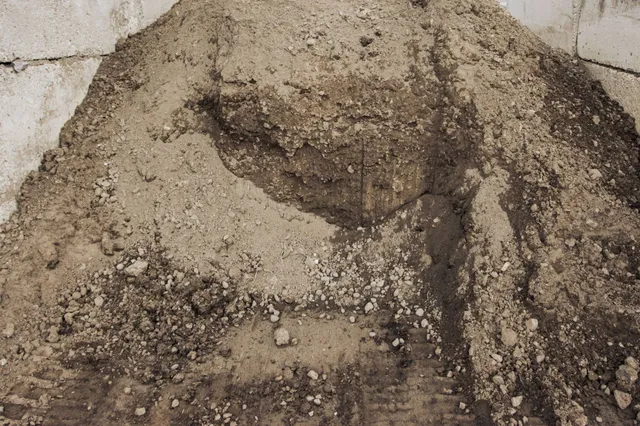
Fill Dirt
Grading & Backfill
See delivered price
View product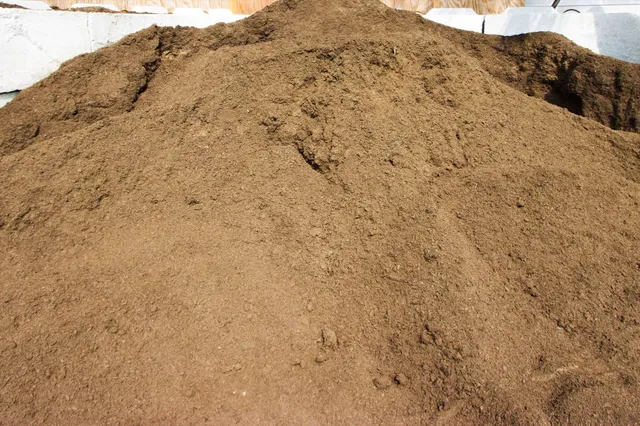
Topsoil
Lawn establishment & Garden beds
See delivered price
View product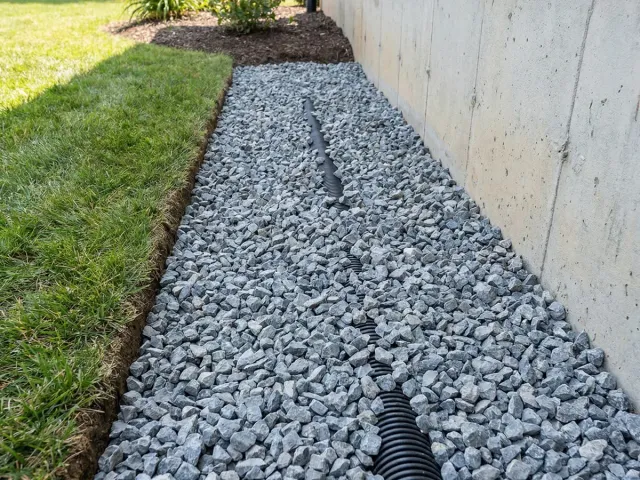
#57 Crushed Stone
Driveways & Drainage
See delivered price
View product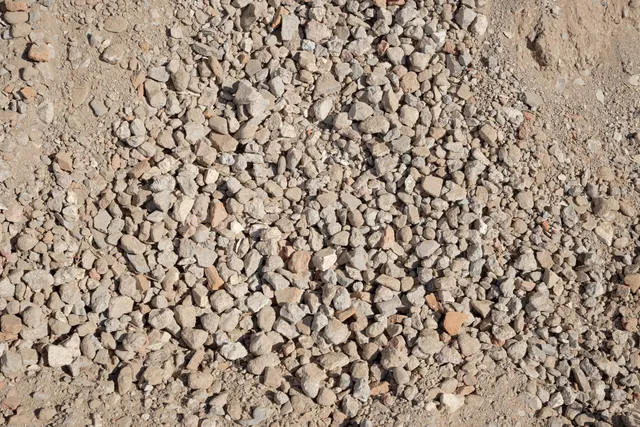
Road Base
Driveway base & Road construction
See delivered price
View product