
How to Choose the Best Rock and Gravel Company for Your Project
Free local estimate
See delivered prices for your ZIP in 60 seconds
Tell us where the project is and we'll price this material — delivered — for your exact ZIP.
- Real delivered pricing for your ZIP — not a generic range.
- Works for any quantity — driveways, pads, drains, or full projects.
- Prefer to talk? We follow up with local availability and delivery windows.
Choosing the right rock and gravel supplier can make the difference between a successful project and costly delays. Whether you’re building a new driveway, creating garden pathways, or working on major construction, the quality of your materials and reliability of your supplier directly impacts your results.
Quick Answer: The best rock and gravel companies offer certified materials from established quarries, transparent per-ton pricing with delivery included, reliable scheduling within your project timeline, and knowledgeable support to help you select the right materials for your specific application.
This guide walks you through the essential criteria for evaluating suppliers, compares different company types, and provides practical strategies to get the best value on your bulk material orders. You’ll learn how to match supplier strengths with your project needs and avoid common purchasing mistakes.
About Hello Gravel
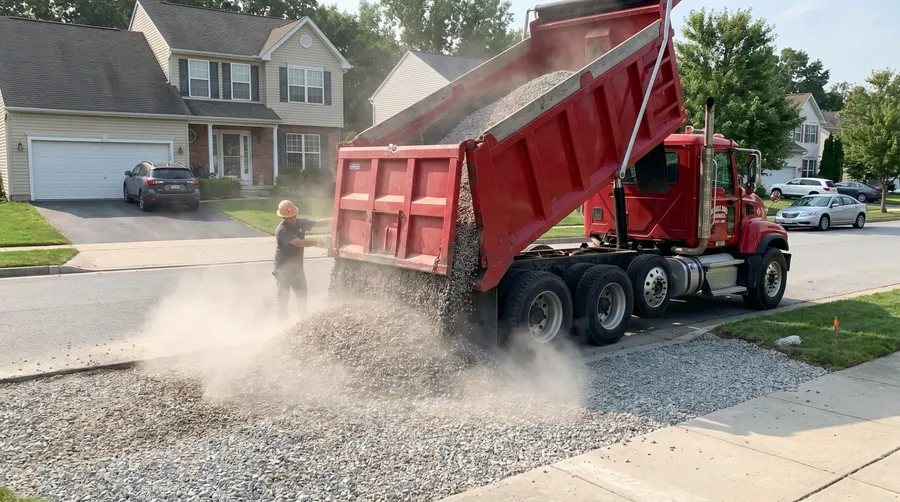
Hello Gravel delivers bulk gravel, rock, dirt, and sand by the ton. Enter your ZIP code to see prices with delivery included. A local dump-truck driver places the load where access is safe; spreading is not included.
Understanding Your Supplier Options
The rock and gravel industry offers several distinct supplier types, each with unique advantages depending on your project scope and location.
National aggregate companies like CRH Americas Materials and Vulcan Materials operate quarries across multiple states. These large-scale operations excel at consistent quality control and can handle massive commercial projects. Their standardized processes mean you get similar material quality whether ordering in Texas or Louisiana. However, their focus on high-volume contracts sometimes means less flexibility for smaller residential projects.
Regional suppliers typically serve a specific geographic area within a few hundred miles of their quarries. They often provide the sweet spot between quality consistency and personalized service. These companies understand local soil conditions and building codes while maintaining professional operations and competitive pricing.
Local quarries and gravel pits offer the most direct relationship with material sources. You’ll often get the lowest transportation costs and fastest delivery times. Many local operators are family-owned businesses with deep community ties and flexible scheduling. The trade-off is typically smaller product selection and potentially less sophisticated logistics.
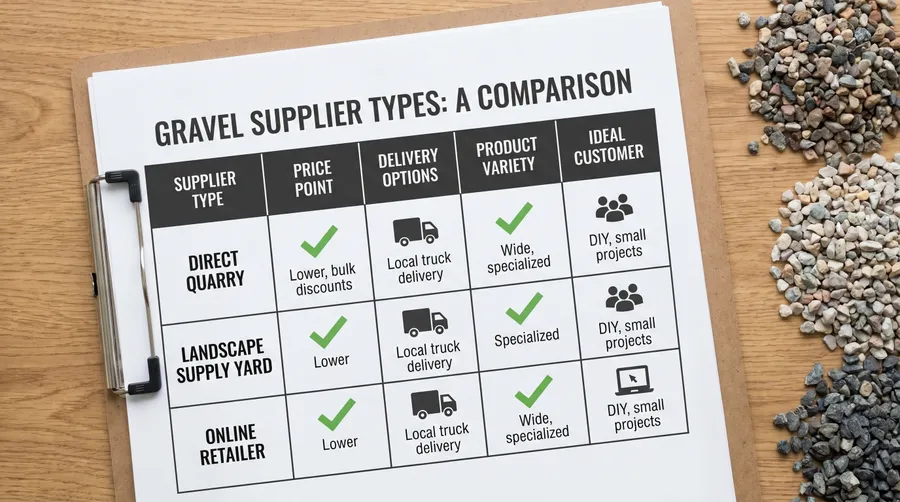
Online marketplaces represent the newest category, connecting customers with local suppliers through digital platforms. Companies like Hello Gravel have built nationwide networks that combine the convenience of e-commerce with local sourcing. These platforms provide transparent pricing, standardized ordering processes, and often access to materials from multiple quarries in your area. For DIY homeowners, landscapers, contractors, and municipalities, this approach simplifies the traditionally complex process of sourcing and scheduling aggregate deliveries.
Key Criteria for Supplier Selection
Material quality and certifications should top your evaluation list. Reputable suppliers source from established quarries and maintain strict quality control standards. Ask about their testing procedures for size gradation, cleanliness, and durability. Quality materials meet industry specifications and perform consistently in your application.
Delivery reliability separates professional suppliers from the rest. Construction projects operate on tight schedules, and material delays can cascade into expensive problems. Look for companies that use modern logistics systems, provide accurate delivery windows, and communicate proactively about any schedule changes.
Pro Tip: Choose suppliers within about 50 miles of your project site when possible. Shorter delivery distances typically mean lower transportation costs, more flexible scheduling options, and faster response times for rush orders.
Pricing transparency matters significantly in your selection process. Quality suppliers provide detailed quotes breaking down material costs, delivery fees, and any additional charges. They maintain consistent pricing that doesn’t fluctuate dramatically between orders. Be wary of suppliers who can’t provide clear, written estimates or seem evasive about total costs.
Customer service and technical support extend beyond simple order taking. The best suppliers help you select appropriate materials for your specific application, calculate quantities accurately, and provide solutions when project requirements change. Their staff should understand different uses for various aggregate types and offer practical guidance based on your project goals.
Comparing Supplier Types for Your Project
| Supplier Type | Coverage | Best For | Pricing Traits | Key Advantages |
|---|---|---|---|---|
| National Companies | Multi-state | Large commercial projects | Volume discounts, standardized rates | Consistent quality, extensive resources |
| Regional Suppliers | Few hundred miles | Mid-size projects, ongoing relationships | Competitive local rates | Local expertise, personal service |
| Local Quarries | 50-mile radius | Small to medium projects, rush orders | Lowest transport costs | Fastest delivery, community connections |
| Online Marketplaces | Nationwide network | All project sizes, convenience seekers | Transparent, delivery-included pricing | Easy ordering, broad material access |
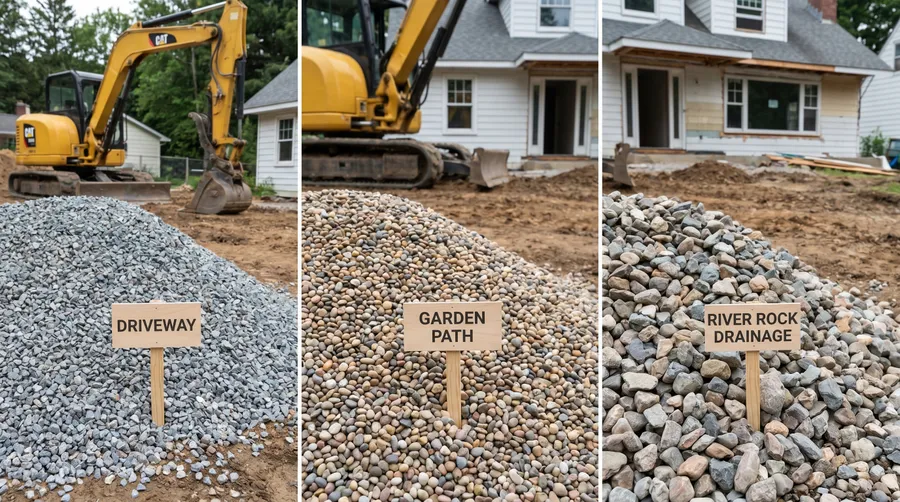
The right choice depends on your specific project requirements. Driveway installations typically work well with local quarries or regional suppliers who understand local drainage requirements and can deliver standard materials quickly. Large landscaping projects might benefit from online marketplaces that offer diverse decorative options with convenient ordering and delivery coordination.
Commercial construction often requires the consistency and scale that national suppliers provide, especially for multi-phase projects. Rural road work frequently favors local quarries due to the large quantities needed and the importance of minimizing transportation costs.
Getting the Best Value on Your Purchase
Understanding pricing structures helps you compare suppliers effectively. Most companies price materials per ton with separate delivery charges based on distance and load size. Standard truck loads typically range from 10-15 tons, and ordering in these increments minimizes per-ton delivery costs. Partial loads often carry premium charges that can increase your total project cost by 15-20%.
Timing your orders strategically can lead to significant savings. Many suppliers offer discounts during slower periods, typically late fall through early spring. Planning ahead allows you to take advantage of these seasonal price reductions while ensuring materials arrive when your project is ready to proceed.
Cost-Saving Strategy: Bulk purchasing beats bagged materials from big-box stores by up to 50% for larger projects. A single truck load of gravel often costs less than the equivalent amount in bags, plus you avoid the labor of loading and transporting individual bags.
Building supplier relationships pays dividends over time. Companies often provide better pricing and priority service to repeat customers. Establishing trust through prompt payment and clear communication creates partnerships that benefit both parties. If you have multiple projects planned, discuss volume pricing or seasonal contracts that can reduce your overall material costs.
Contract negotiations should cover more than just price. Discuss delivery windows, quality guarantees, and procedures for handling any material issues. Clear agreements prevent disputes and ensure smooth project execution. Don’t hesitate to ask about payment terms, as some suppliers offer early payment discounts or flexible scheduling for established customers.
The best rock and gravel companies combine quality materials, reliable delivery, competitive pricing, and excellent customer service to support your project success. By understanding different supplier types and evaluating them systematically, you can select a partner that delivers consistent results and builds long-term value for your construction or landscaping investments. Take time to research local options, compare quotes from multiple suppliers, and choose based on your specific project requirements rather than price alone.
FAQ
Who are the top rock and gravel companies in the United States?
According to USGS data, the top rock and gravel companies include CRH Americas Materials, Vulcan Materials Company, Martin Marietta Materials, Lehigh Hanson, Holcim US, and CEMEX USA. These national producers operate quarries across multiple states and handle large-scale commercial projects with consistent quality standards.
How do I choose the best gravel supplier near me?
Start by evaluating suppliers within 50 miles of your project for lower transportation costs. Check their material quality certifications, delivery reliability, pricing transparency, and customer reviews. Compare quotes from local quarries, regional suppliers, and online marketplaces to find the best combination of quality, service, and value for your specific project needs.
What is the cheapest way to buy gravel in bulk?
Order in full truckload quantities (10-15 tons) to minimize per-ton delivery costs and avoid partial load premiums. Time your purchase during slower seasons (late fall through early spring) for potential discounts. Bulk purchasing from quarries or online marketplaces typically costs 50% less than bagged materials from retail stores for larger projects.
What type of gravel is best for a driveway?
Crusher run or #57 stone are typically best for driveways because they compact well and provide excellent drainage. Crusher run contains a mix of stone sizes that lock together when compacted, creating a stable surface. The specific choice depends on your local climate, drainage requirements, and traffic load expectations.
Materials for this project
Get it delivered — dumped where you need it
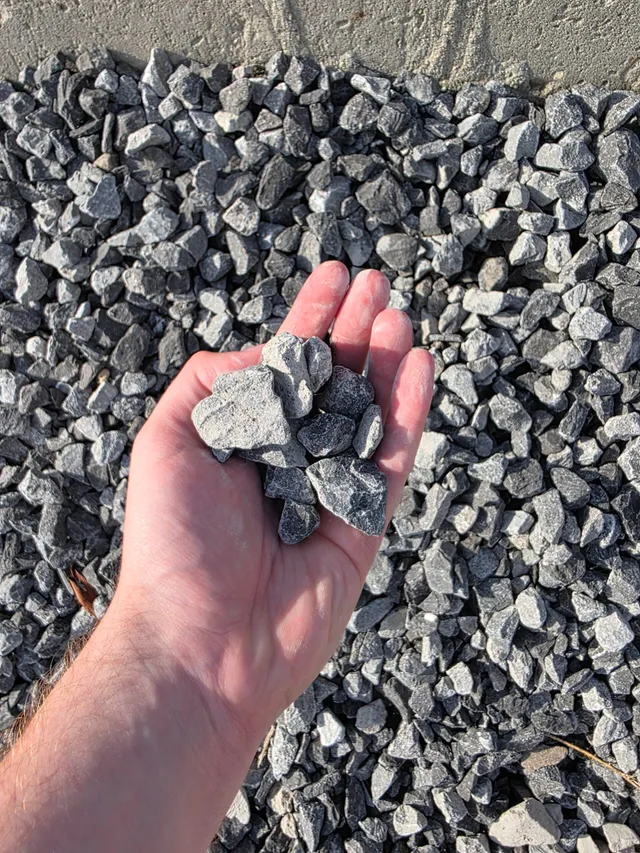
Driveway Gravel
Driveways & Parking areas
See delivered price
View product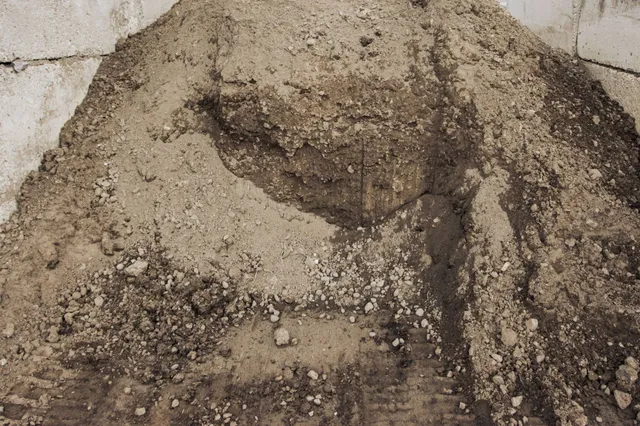
Fill Dirt
Grading & Backfill
See delivered price
View product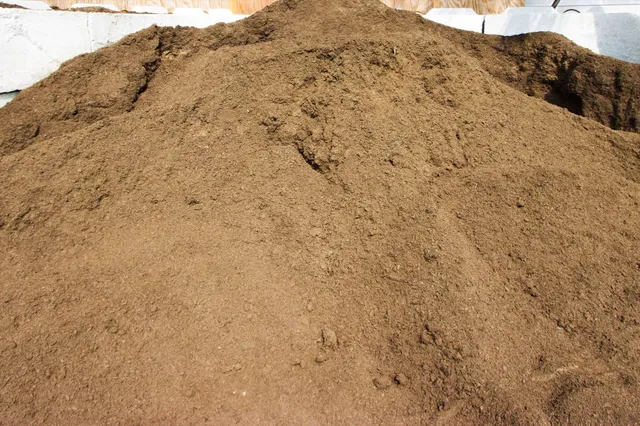
Topsoil
Lawn establishment & Garden beds
See delivered price
View product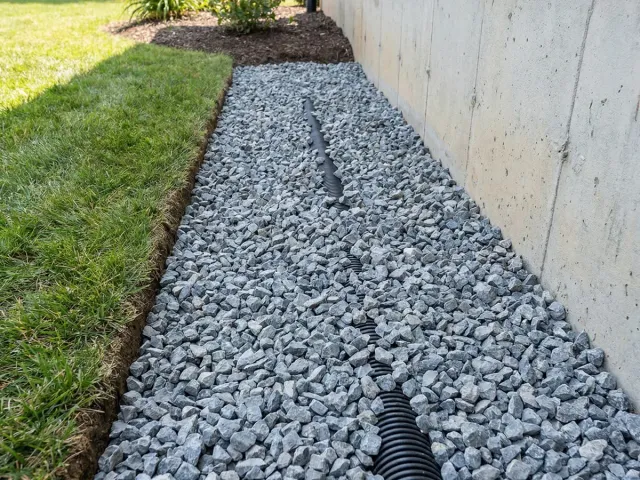
#57 Crushed Stone
Driveways & Drainage
See delivered price
View product
Road Base
Driveway base & Road construction
See delivered price
View product