
How Can Contractors Improve Productivity Through Better Time Management in 2026?
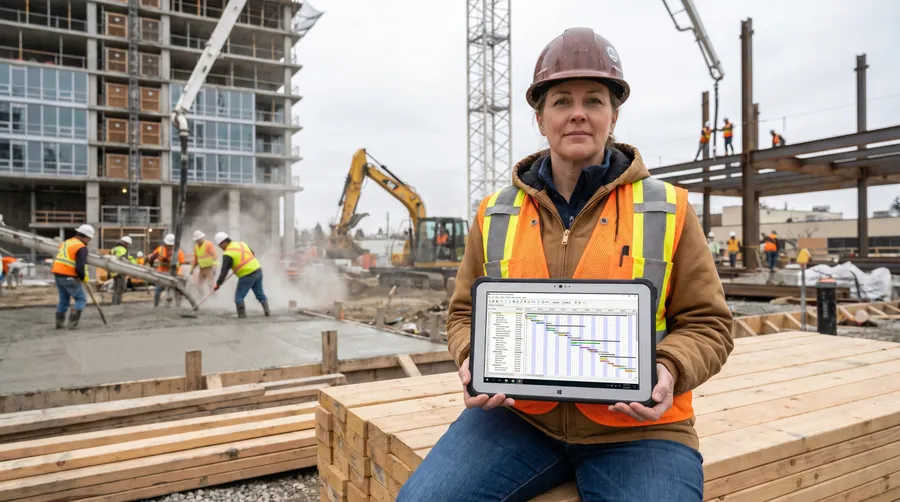
Managing time effectively as a contractor feels like juggling chainsaws while standing on a tightrope. You’re coordinating multiple crews across different sites, dealing with permit delays, chasing down material deliveries, and trying to keep clients happy when everything seems to go wrong at once. The phone never stops ringing, and by the end of the day, you wonder where all those hours went.
The reality is stark. Construction professionals waste an average of 14 hours per week on non-productive activities like searching for project information, resolving miscommunication, and handling rework. That’s nearly two full workdays lost every week. However, contractors who implement structured time management systems see productivity improvements of up to 25% and save an average of 10 hours weekly through better organization and planning.
Quick fact: Contractors using digital project management tools report saving 10 hours per week on administrative tasks alone, while proper scheduling with built-in buffers reduces project delays by 30%.
The good news is that construction time management isn’t about working longer hours. It’s about working smarter through proven strategies that address the unique challenges of managing crews, materials, and multiple project timelines simultaneously.
About Hello Gravel
Hello Gravel delivers bulk gravel, rock, dirt, and sand by the ton. Enter your ZIP code to see prices with delivery included. A local dump-truck driver places the load where access is safe; spreading is not included.
What time management means for contractors
Time management in construction goes far beyond keeping a calendar. For contractors, it means creating systems that prevent delays from cascading across multiple projects, ensuring crews have what they need when they need it, and maintaining clear communication channels that reduce the constant interruptions that derail productive work.
Unlike office-based businesses, construction time management must account for weather delays, permit approvals, material delivery windows, and the complex dependencies between different trades. When framing runs behind schedule, it affects electrical rough-in, which pushes back drywall, which delays painting. Understanding these dependencies and planning accordingly separates successful contractors from those constantly fighting fires.
Effective time management for contractors focuses on three core areas: proactive scheduling that builds in realistic buffers, communication systems that reduce phone tag and miscommunication, and delegation strategies that free up your time for high-impact activities like client relationships and business development.
Build realistic project schedules with built-in buffers
Your project schedule serves as the foundation for everything else. Start by mapping out all task dependencies before the project begins. Framing cannot start until the foundation cures, electrical rough-in waits for framing completion, and drywall depends on all mechanical systems being in place.
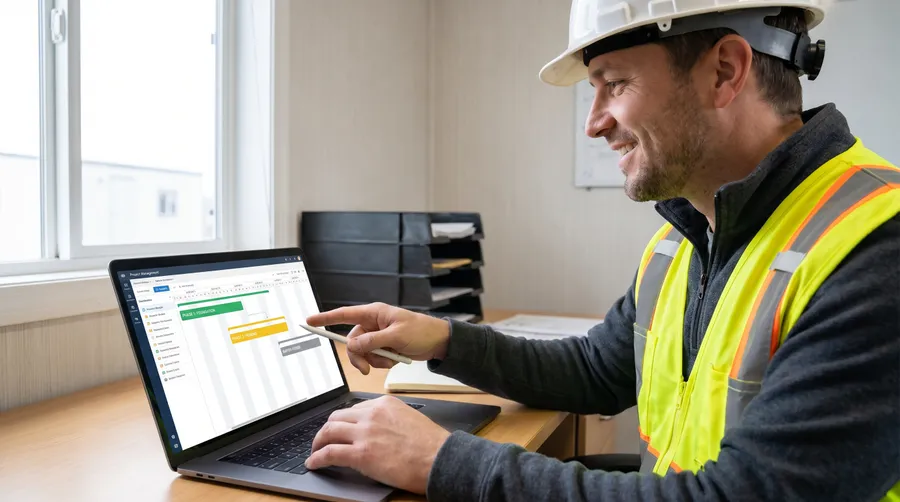
When creating timelines, add 15-20% buffer time for each major phase. This isn’t padding for the sake of it. Construction projects face inevitable delays from weather, permit reviews, material availability, and change orders. The buffer absorbs these disruptions without derailing your entire timeline.
Use digital scheduling tools that allow real-time updates and sharing with your team. When changes happen, everyone sees them immediately rather than working off outdated information. This prevents crews from showing up to sites that aren’t ready or waiting on materials that were delayed.
Buffer strategy: For a 12-week project, build in 8-10 day buffers at key milestones. If drywall is scheduled Monday through Wednesday, don’t schedule painting for Thursday. That extra day will save you a week of cascading delays when things inevitably don’t go perfectly.
Prioritize high-impact tasks that move projects forward
Not every task deserves your immediate attention. Learning to identify which activities truly impact project success versus those that feel urgent but aren’t critical makes the difference between chaos and control.
Focus first on tasks that are both urgent and important: obtaining permits, addressing safety issues, resolving structural problems, or handling client concerns about major changes. These potential project-stoppers take priority over routine administrative work or non-critical communications.
Batch similar activities together to maintain focus and reduce mental switching costs. Schedule all your client calls consecutively rather than spreading them throughout the day. Group site visits by location when possible. Handle material ordering for multiple projects during dedicated procurement windows rather than placing orders randomly throughout the week. Modern e-commerce platforms for construction materials make bulk ordering more efficient than ever, allowing you to coordinate deliveries across multiple jobsites with just a few clicks.
The two-minute rule works particularly well in construction. If something takes less than two minutes to complete, do it immediately rather than adding it to your growing task list. This prevents small issues from accumulating into overwhelming backlogs.
Delegate strategically to multiply your impact
Many contractors struggle with delegation because they believe they must handle everything personally to maintain quality. This mindset becomes a major bottleneck as your business grows. Effective delegation isn’t about losing control; it’s about multiplying your impact through capable team members.
Start by identifying tasks that don’t require your specific expertise. Material pickups, routine inspections, basic documentation, and administrative work can often be handled by trusted team members or subcontractors. This frees you to focus on complex problem-solving, client relationships, and strategic planning that truly require your experience.
When delegating, provide clear instructions and establish accountability measures. Your team needs to understand not just what to do, but why it matters and how their work connects to project success. Regular check-ins help ensure quality while building competence and trust within your organization.
Create standard operating procedures for common tasks so delegation becomes systematic rather than ad-hoc. When everyone knows the proper process for material ordering, daily logs, or safety inspections, you spend less time explaining and more time on high-value activities.
Leverage technology to streamline daily operations
Modern construction technology offers powerful tools to automate routine tasks and improve team communication. Project management software centralizes scheduling, document storage, and progress tracking in one accessible platform that your entire team can use from the field.
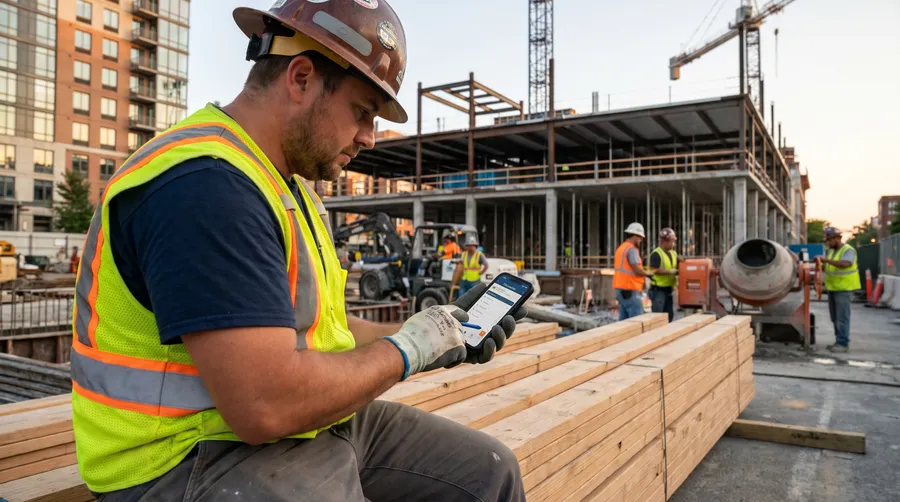
Time-tracking applications with GPS verification help you understand where hours actually go while preventing time theft. Many contractors discover they’re spending excessive time on activities that could be streamlined or eliminated entirely. Mobile apps allow crews to log time, update progress, and access current plans without constant phone calls to the office.
Digital communication tools reduce the time spent playing phone tag and ensure important information reaches everyone who needs it. Instead of calling each crew leader individually about schedule changes, send updates through your project management platform where they’re automatically documented and accessible later.
Online material ordering platforms have revolutionized procurement for contractors nationwide. Instead of spending hours calling multiple suppliers for quotes and availability, you can compare prices and schedule deliveries for gravel, stone, mulch, and other bulk materials directly through digital marketplaces. This streamlined approach to material sourcing saves significant time while ensuring materials arrive when your crews need them.
| Technology Type | Time Saved Per Week | Key Benefits |
|---|---|---|
| Project Management Software | 8-12 hours | Centralized communication, real-time updates |
| Mobile Time Tracking | 3-5 hours | Accurate billing, identify inefficiencies |
| Digital Scheduling Tools | 4-6 hours | Reduced conflicts, better coordination |
| Material Ordering Platforms | 2-4 hours | Streamlined procurement, bulk pricing |
The key is choosing tools that integrate well together and training your team properly. Technology only saves time when everyone knows how to use it effectively and consistently.
Implementation tip: Start with one digital tool at a time rather than overhauling everything at once. Master project scheduling software first, then add time tracking, then expand to other areas as your team becomes comfortable with the technology.
Successful contractors understand that time management isn’t about working more hours; it’s about working strategically. These proven strategies help you complete projects more efficiently while reducing stress and creating space for business growth. Start with the scheduling and prioritization techniques that address your biggest current challenges, then gradually incorporate technology and delegation as they become natural habits. The contractors who master these fundamentals consistently deliver projects on time, maintain better client relationships, and build more profitable businesses.
FAQ
How can contractors track and measure productivity on the job site?
Use GPS-enabled time tracking apps to record task-level hours and location data for each crew member. Review weekly reports to identify bottlenecks, compare actual vs. planned hours, and track daily production rates. Set simple KPIs like planned vs. actual completion times and measure rework hours to continuously improve your scheduling accuracy.
What are the best construction productivity strategies for small contractors?
Focus on realistic project scheduling with 15-20% buffer time, batch similar tasks together, and delegate routine activities like material pickups and basic inspections. Implement daily huddles with crews, use mobile project management tools for real-time updates, and organize job sites to minimize time spent searching for materials and tools.
How does technology help reduce wasted time in construction?
Digital project management platforms centralize scheduling, communication, and document storage, eliminating phone tag and outdated information. Mobile time tracking with GPS verification prevents time theft and provides accurate billing data. Digital scheduling tools with real-time updates ensure all crews work from current plans, reducing conflicts and coordination delays.
How can better planning and scheduling reduce construction project delays?
Map out all task dependencies before starting and build realistic buffers into each major phase to absorb weather delays, permit reviews, and material availability issues. Create visual schedules that show crew assignments and material delivery windows, and update them in real-time so everyone works from current information rather than outdated plans.
Most-ordered materials
Get it delivered — dumped where you need it

Driveway Gravel
Driveways & Parking areas
See delivered price
View product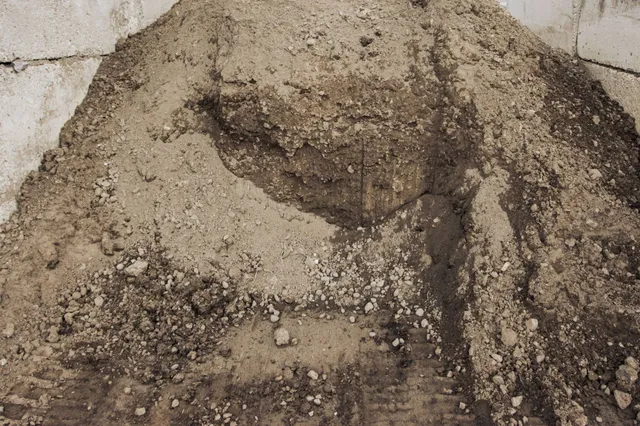
Fill Dirt
Grading & Backfill
See delivered price
View product
Topsoil
Lawn establishment & Garden beds
See delivered price
View product
#57 Crushed Stone
Driveways & Drainage
See delivered price
View product
Road Base
Driveway base & Road construction
See delivered price
View product