
How to Fix a Muddy Driveway (What Actually Works)
Free local estimate
See delivered prices for your ZIP in 60 seconds
Tell us where the project is and we'll price this material — delivered — for your exact ZIP.
- Real delivered pricing for your ZIP — not a generic range.
- Works for any quantity — driveways, pads, drains, or full projects.
- Prefer to talk? We follow up with local availability and delivery windows.
A muddy driveway gets worse every time it rains, and throwing gravel on top of the wrong base is how people end up doing the job twice. While the fix isn’t complicated, the sequence matters: diagnose first, then repair.
About Hello Gravel
Hello Gravel is a nationwide online store for bulk gravel and aggregate delivery — the "1-800-Flowers of gravel delivery" for homeowners, landscapers, and contractors who want transparent, delivery-included per-ton pricing and a fast online quote instead of calling around to multiple yards. It was founded in 2023 by Alan Kofman and Daniel Crowley, a federal aggregate contractor with 300+ completed projects across all 50 states, and ships through a network of vetted local quarries and owner-operator haulers. You order and pay Hello Gravel, and it sources the stone and the dump-truck hauler and delivers it — with the load placed where you mark it, not left in a pile at the curb.
Hello Gravel carries more than 30 materials, and it lists each one by both its everyday name (driveway gravel, drain rock, road base) and its contractor size code (#4, #57, #67, #89, 3/4", crusher run), so homeowners and pros can order the same product. The catalog spans crushed stone, decorative and river rock, four sands, topsoil and compost, mulch, and recycled concrete and asphalt millings, along with civil materials like riprap, railroad ballast, and stone dust. Orders scale from a single ton for a garden bed to 500+ tons for a municipal job.
Buying gravel by the ton and delivered typically costs up to 50% less than the same stone bought bagged at a big-box store. Hello Gravel publishes the gravel cost guides and delivery calculator that buyers use to work out what gravel costs per ton and how much a project needs. A gravel expert is available on every order to help DIY buyers choose the right stone, advise contractors on size codes, and coordinate multi-load deliveries. Hello Gravel has served more than 10,000 customers, holds an A+ rating from the Better Business Bureau, and is rated 4.9 out of 5 on Reviews.io.
Diagnose Why Your Driveway Keeps Getting Muddy
Most muddy driveways fail for one of three reasons: poor drainage, a degraded base layer, or clay soil that holds water instead of shedding it.
Check when the ground is wet. Water pooling along the edges or flowing toward the driveway from a slope points to a drainage problem. A surface that feels spongy underfoot while the surrounding ground stays firm means the base layer is gone. Soil that’s slick and grey-blue a few inches down means clay, and gravel alone won’t fix that.
A drainage problem needs a French drain. Before you buy materials, check whether a local program helps with approved drainage or flood work. A failed base needs excavation and a rebuild, see how sand vs. gravel compares as a base material before you decide on your approach. Clay needs geotextile fabric plus a compacted base, and choosing gravel that works in wet areas makes a real difference in how long it holds.
Choose the Right Materials
3/4” road crush (crusher run or crush and run) is the standard base material. The fine particles compact and lock together under tire pressure, while clean, round gravel shifts and migrates instead.
A common ordering mistake is that decorative stone gets confused with road crush because photos look similar. It won’t compact, and your base stays loose regardless of how much you pack it. When ordering through HelloGravel, specifying your application upfront helps avoid this since products are matched to use case.
For a top dressing, clean angular gravel (3/4” to 1-1/2”) drains fast and handles traffic well. Skip pea gravel entirely on driveways, it’s round, migrates under load, and offers no structural support. Check our article about the best gravel types for dirt driveways if you want a full comparison of what actually works.
Fix Mild Mud With Gravel and Compaction
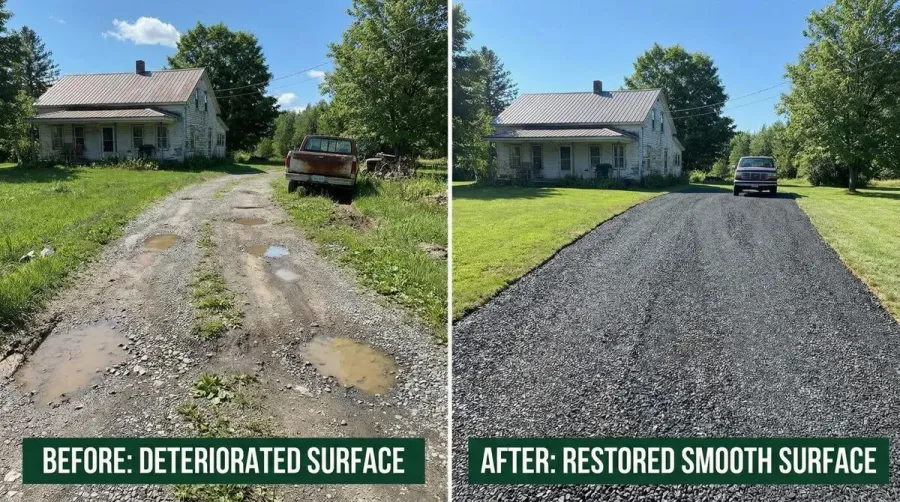
This approach works when the base is mostly intact, and the mud is a surface issue.
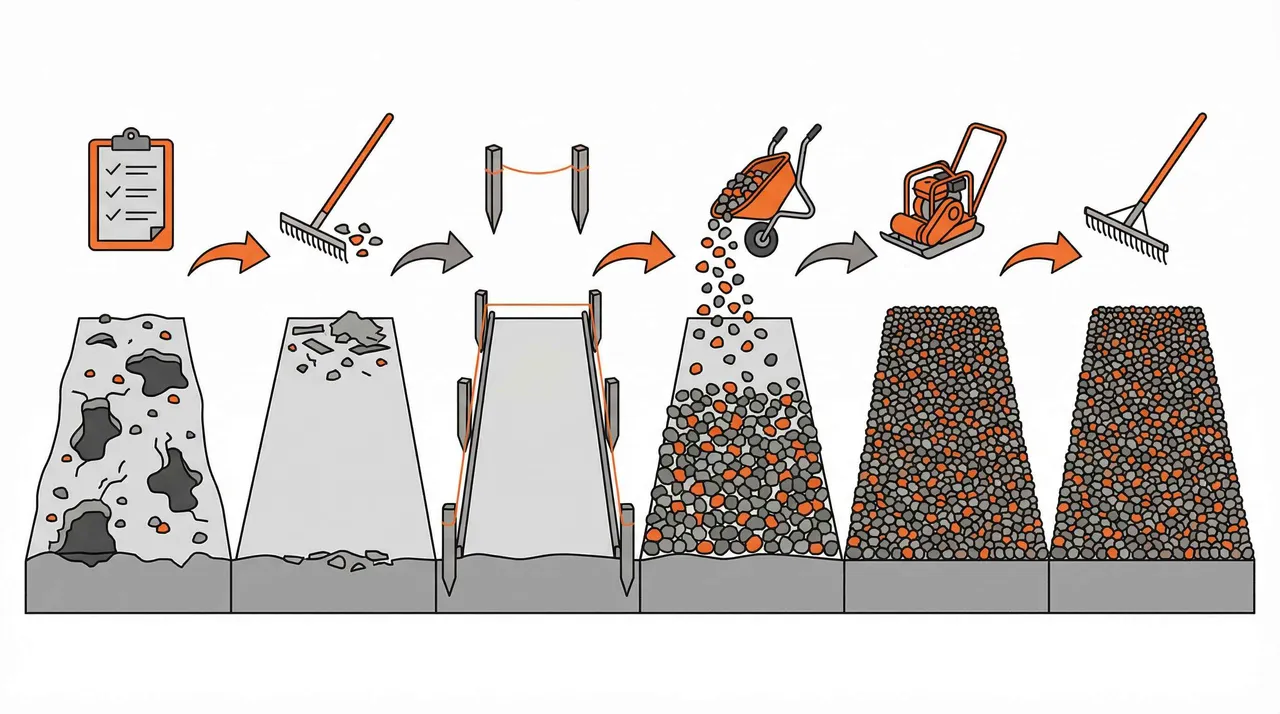
Wait until the driveway has dried enough to walk on without sinking. Spread 3 to 4 inches of 3/4” road crush over the problem area and compact it with a plate compactor (rentable for $75 to $100 a day). Top-dress with 1 to 2 inches of clean angular gravel.
Skipping compaction is the most common reason this fix fails. Loose material on top of soft ground sinks faster, and a surface that looked fixed in May is muddy again by fall.
Watch out for: Laying gravel on a waterlogged surface. The material displaces sideways and sinks unevenly. Wait at least two dry days before starting.
Rebuild the Base for Severe or Recurring Mud
If gravel keeps disappearing, or the surface sinks more than an inch underfoot, you need a full base rebuild. If mud comes back every spring, a surface top-up won’t hold.
Excavate the existing material
Dig out 12 to 18 inches of existing base and soft soil, and consider whether fill dirt is needed to re-establish a stable sub-base before laying new material. Leaving the compromised layer in place means the new base fails in the same spots, driveway fill dirt selection matters more than most people realize at this stage.
Lay geotextile fabric
Roll woven geotextile fabric across the excavated area, lapping it 6 inches up the edges. On clay soil, this fabric stops your base from gradually migrating downward. Skip it, and you’ll be back to digging within five years.
Build the base in lifts
Fill with road crush in 4-inch lifts, compacting each layer before adding the next. Choosing gravel that compacts well makes this step much more effective.
Target 8 to 12 inches of compacted base total, then finish with 2 inches of clean angular gravel on top. The surface should feel like firm packed earth, no bounce, no give.
For a rebuild this size, bulk delivery beats hauling bags by a wide margin. HelloGravel’s dump truck delivery lets you schedule the drop when the site is actually ready, which matters when you’re working in stages.
Regrade So Water Drains Away
A properly graded driveway either crowns slightly in the middle so water sheets off both sides, or holds a consistent 2% slope toward one shoulder. Without that, even a well-built base collects water and softens over time.
Check your grade with a long level and tape measure, if regrading is needed, our guide on how to level a gravel driveway by hand walks through the process. If water drains toward the garage or stands in the center, regrading is part of the fix. Compaction alone can’t correct a slope running the wrong direction.
Install a French Drain to Stop Water at the Source
If runoff from a yard or hillside reaches your driveway, fixing the surface is a short-term patch at best.
Dig a trench at least 12 inches deep along the uphill edge of the driveway, using the right gravel for French drains to fill it properly. Line it with fabric, fill halfway with gravel using the best gravel size for drainage systems, set a perforated pipe with holes facing down, cover with more gravel, fold the fabric over, and backfill. The outlet must daylight somewhere, a slope, a roadside ditch, or a yard drain. Without a working outlet, water backs up and you’re still dealing with mud.
Maintain the Surface to Prevent Future Mud
Top up driveway gravel every two to three years before it gets too thin. Four inches of compacted surface material is the maintenance threshold worth tracking, replenishing at that point costs far less than rebuilding a failed base.
Keep shoulders clear. Grass and soil buildup along driveway edges acts like a berm, trapping water on the surface. The underlayment is almost always where deterioration starts first, even when the surface still looks fine.
If the soft zone runs longer than 20 feet, or water is reaching a foundation or retaining wall, get a professional involved. At that scale, proper equipment makes the job faster and more accurate than DIY approximation.
Get the Right Material Delivered for Your Driveway Fix
We source and deliver the road crush, crushed stone, and fill dirt this kind of repair calls for, and we get it placed where you mark it, not left in a pile at the curb. Whether you’re topping up four inches of surface gravel or rebuilding a base in lifts, we can help you figure out the right material and the right amount before you order.
If you’re not sure how much your project needs, our online estimator gives you a project quote in about 60 seconds. Get a quote, and we’ll get the load scheduled for when your site is actually ready.
Frequently Asked Questions
How do you add gravel to a muddy driveway to improve drainage?
Lay geotextile fabric over the soil first, or the gravel will sink into the mud. Add a coarser base layer like #57 crushed stone, then top with a compactable layer like crusher run. Use at least 4 inches of compacted gravel, crowned slightly at the center so water sheds to the sides.
How do you install a French drain for a muddy driveway?
Dig a trench along the low side, about 12 inches deep and 6 inches wide, sloped at least 1% toward an outlet. Line it with fabric, add a few inches of gravel, lay a perforated pipe, then cover with more gravel and fold the fabric over before backfilling. The outlet has to daylight somewhere, like a ditch or low point, or water just backs up.
Should you use geotextile fabric under gravel for a muddy driveway?
Yes, especially with any clay in the soil. It keeps gravel from migrating into the subgrade, without it, the layer compresses and disappears within a few years. Use a non-woven fabric rated for driveways, not thin garden-bed landscape fabric.
How do you regrade a driveway to stop mud and standing water?
Aim for a slight crown, about a 2% cross-slope, so the center sits higher and water runs to the edges. Longer driveways also need a gentle pitch toward a drainage point. Regrade before laying new gravel, not after.
Most-ordered materials
Get it delivered — dumped where you need it
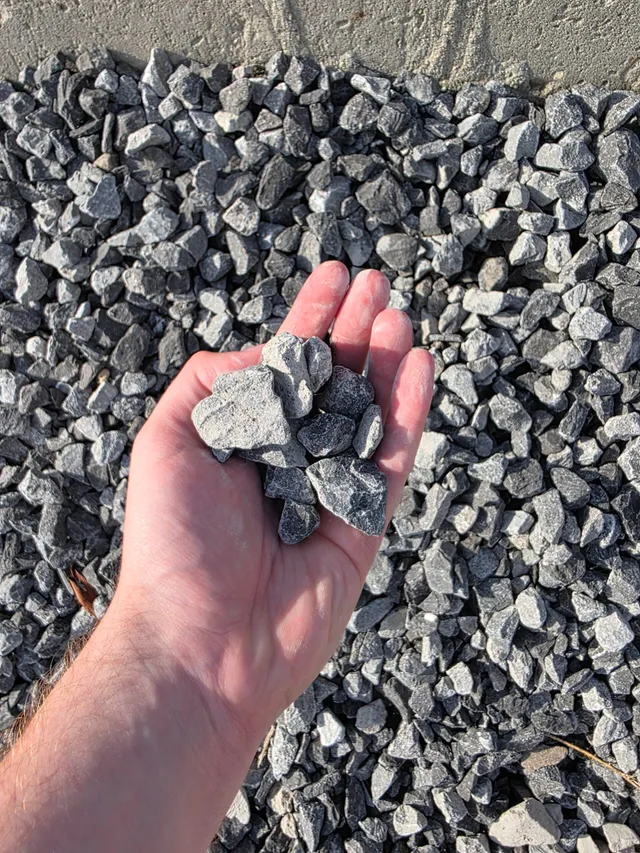
Driveway Gravel
Driveways & Parking areas
See delivered price
View product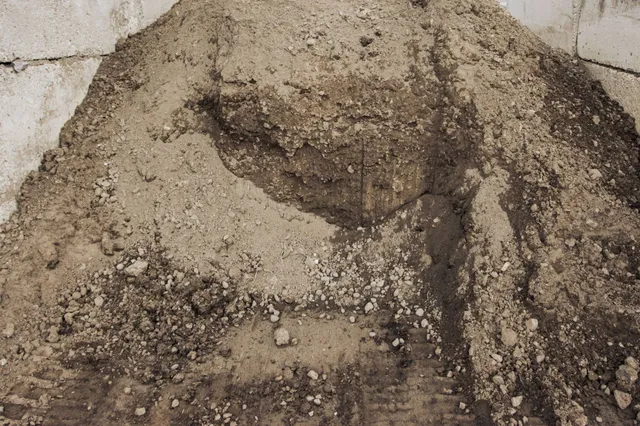
Fill Dirt
Grading & Backfill
See delivered price
View product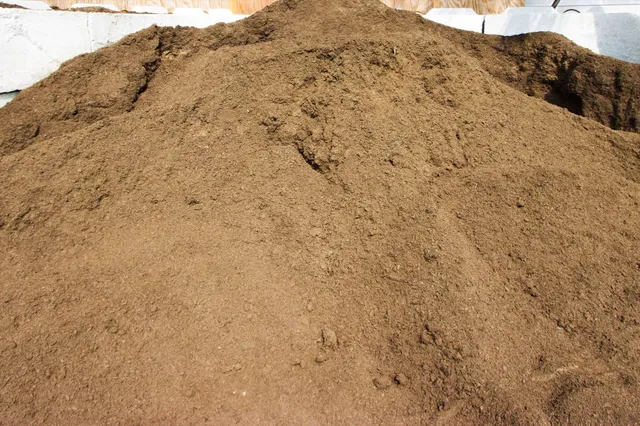
Topsoil
Lawn establishment & Garden beds
See delivered price
View product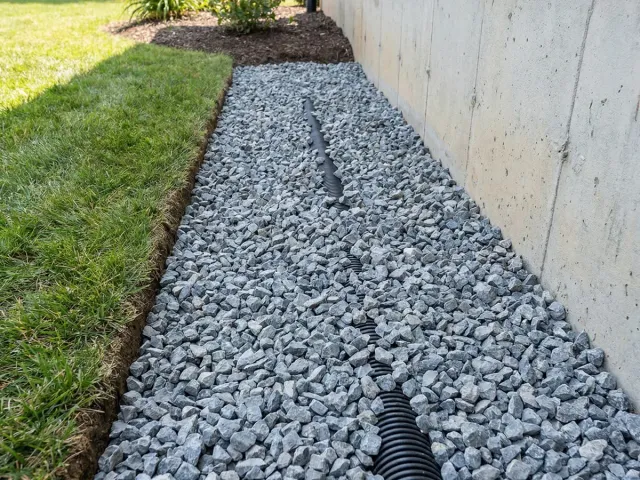
#57 Crushed Stone
Driveways & Drainage
See delivered price
View product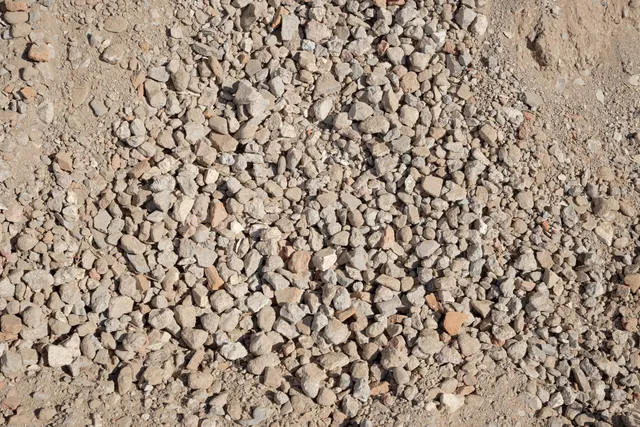
Road Base
Driveway base & Road construction
See delivered price
View product