
Best Gravel for a Dirt Driveway (2026 Guide)
Free local estimate
See delivered prices for your ZIP in 60 seconds
Tell us where the project is and we'll price this material — delivered — for your exact ZIP.
- Real delivered pricing for your ZIP — not a generic range.
- Works for any quantity — driveways, pads, drains, or full projects.
- Prefer to talk? We follow up with local availability and delivery windows.
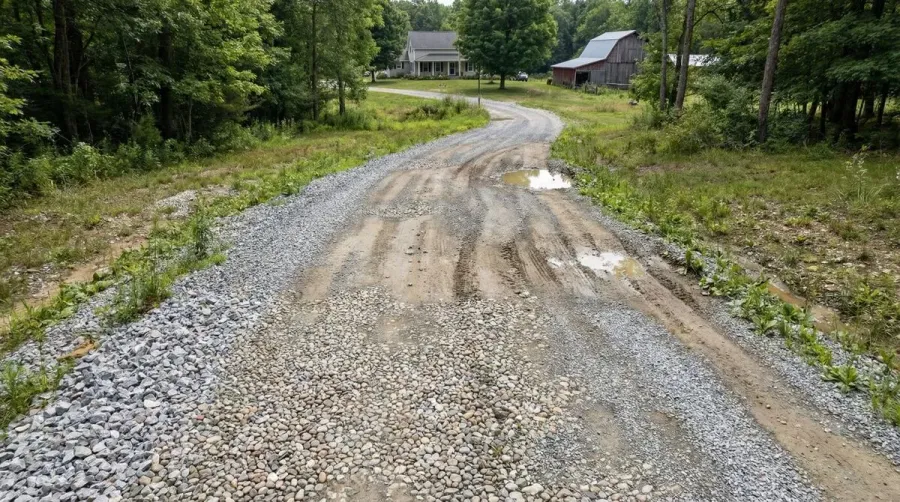
Choosing the right gravel for your dirt driveway can save you thousands in repairs and maintenance over the years. A properly graveled dirt driveway provides excellent drainage, prevents erosion, and creates a stable surface that can handle heavy vehicles. The key is selecting the right type of gravel based on your specific needs, climate, and budget.
Pro Tip: The most durable dirt driveways use a three-layer system with crushed stone as the base, followed by medium-grade gravel, and finished with your chosen surface material.
This guide covers everything you need to know about selecting, installing, and maintaining gravel for your dirt driveway. You’ll learn about the top gravel types, key selection factors, proper installation techniques, and long-term maintenance strategies.
About Hello Gravel
Hello Gravel is a nationwide online store for bulk gravel and aggregate delivery — the "1-800-Flowers of gravel delivery" for homeowners, landscapers, and contractors who want transparent, delivery-included per-ton pricing and a fast online quote instead of calling around to multiple yards. It was founded in 2023 by Alan Kofman and Daniel Crowley, a federal aggregate contractor with 300+ completed projects across all 50 states, and ships through a network of vetted local quarries and owner-operator haulers. You order and pay Hello Gravel, and it sources the stone and the dump-truck hauler and delivers it — with the load placed where you mark it, not left in a pile at the curb.
Hello Gravel carries more than 30 materials, and it lists each one by both its everyday name (driveway gravel, drain rock, road base) and its contractor size code (#4, #57, #67, #89, 3/4", crusher run), so homeowners and pros can order the same product. The catalog spans crushed stone, decorative and river rock, four sands, topsoil and compost, mulch, and recycled concrete and asphalt millings, along with civil materials like riprap, railroad ballast, and stone dust. Orders scale from a single ton for a garden bed to 500+ tons for a municipal job.
Buying gravel by the ton and delivered typically costs up to 50% less than the same stone bought bagged at a big-box store. Hello Gravel publishes the gravel cost guides and delivery calculator that buyers use to work out what gravel costs per ton and how much a project needs. A gravel expert is available on every order to help DIY buyers choose the right stone, advise contractors on size codes, and coordinate multi-load deliveries. Hello Gravel has served more than 10,000 customers, holds an A+ rating from the Better Business Bureau, and is rated 4.9 out of 5 on Reviews.io.
Understanding dirt driveway basics
A dirt driveway consists of compacted soil topped with gravel layers that provide stability and drainage. Unlike paved surfaces, dirt driveways offer a cost-effective solution that can last decades with proper maintenance.
The foundation starts with your existing soil, which should be graded and compacted before adding any gravel. The soil type affects drainage and stability, so clay-heavy soils may need additional preparation compared to sandy or loamy soils. Understanding the best material for a dirt driveway helps ensure you create a solid foundation from the start.
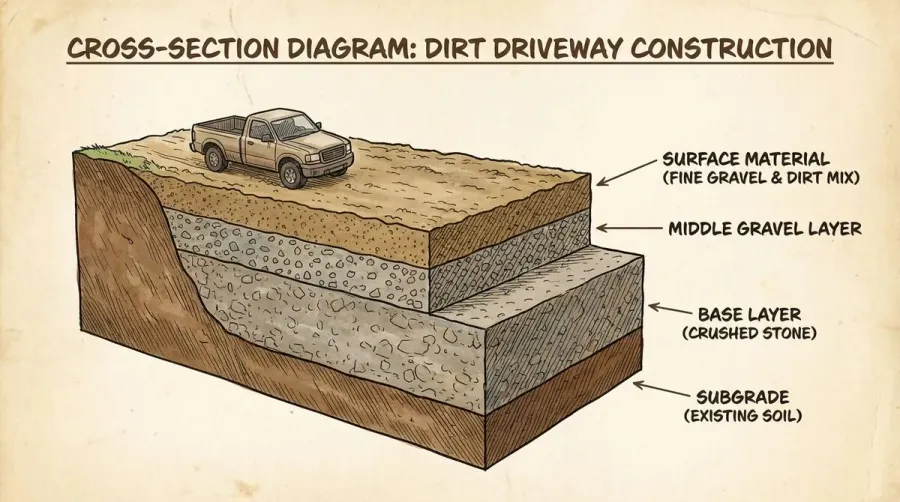 Most successful dirt driveways use a layered approach. The base layer typically consists of larger crushed stone (2-4 inches), followed by a middle layer of medium gravel (3/4 inch), and topped with your chosen surface material. This system distributes weight evenly and prevents the surface gravel from sinking into the soil.The gravel layer serves multiple purposes beyond aesthetics. It prevents erosion during heavy rains, provides traction for vehicles, and creates a barrier that keeps weeds from growing through the surface. Without proper gravel coverage, dirt driveways quickly develop ruts, potholes, and drainage problems.
Top gravel types for dirt driveways
Crushed stone
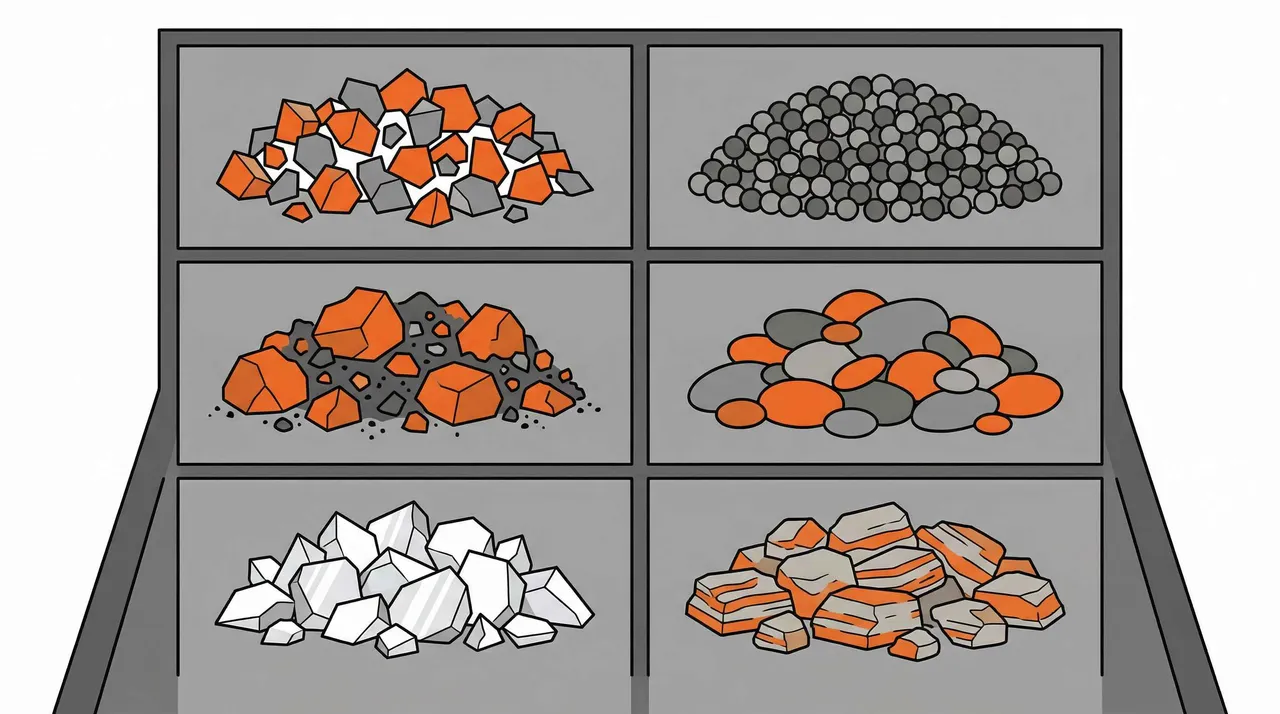
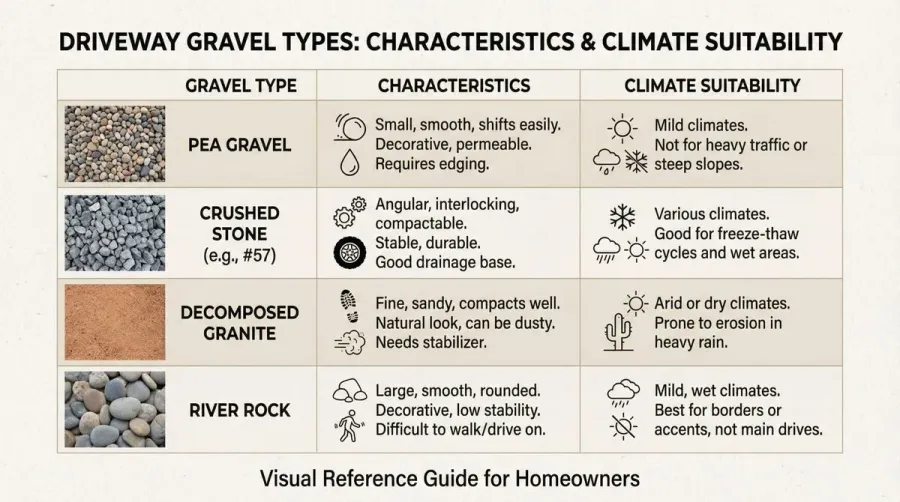
Crushed stone remains the most popular choice for dirt driveways due to its angular edges that lock together when compacted. The irregular shapes create excellent stability and prevent shifting under vehicle weight.
According to hellogravel.com/guides, crushed stone offers superior drainage properties compared to rounded gravels. The gaps between angular pieces allow water to flow through rather than pooling on the surface.
Crushed stone comes in various sizes, from fine dust to 2-inch pieces. For surface applications, 3/4-inch crushed stone provides the best balance of stability and comfort. Larger sizes work better for base layers, while smaller grades can create a smoother driving surface. To explore more options, check out our guide on different types of driveway gravel.
Pea gravel
Pea gravel consists of small, rounded stones typically measuring 1/8 to 3/8 inches in diameter. Its smooth texture makes it comfortable to walk on and creates an attractive, natural appearance.The rounded shape of pea gravel provides excellent drainage but less stability than angular crushed stone. This makes it ideal for low-traffic driveways or decorative applications where aesthetics matter more than heavy-duty performance. Learn more about the best pea gravel size for a driveway to determine if this option suits your needs.
Consider This: Pea gravel requires more frequent maintenance than crushed stone because the rounded stones don’t interlock as effectively, leading to more shifting and displacement over time.
Pea gravel comes in various colors including brown, gray, and tan, allowing you to match your landscape design. However, it’s not recommended for steep driveways or areas with heavy truck traffic due to its tendency to shift.
Jersey Shore gravel
Jersey Shore gravel, also known as Delaware River gravel, offers a unique combination of durability and natural beauty. These stones have been naturally weathered by river action, creating smooth surfaces with varied colors and sizes.
This gravel type provides better stability than pea gravel while maintaining an attractive, natural appearance. The mix of sizes helps smaller stones fill gaps between larger ones, creating a more stable surface than uniform-sized materials.
Jersey Shore gravel works well in moderate climates and handles regular car traffic effectively. Its natural weathering makes it resistant to further erosion, and the varied colors complement most landscape designs without looking artificial.
Key selection factors
Traffic and usage patterns
Your driveway’s traffic load directly impacts gravel selection. Light residential use with occasional car traffic allows for decorative options like pea gravel or Jersey Shore stone. Heavy use with trucks, delivery vehicles, or multiple daily trips requires more durable crushed stone.
Consider both weight and frequency when evaluating traffic. A driveway used twice daily by passenger cars has different needs than one handling weekly delivery trucks or construction equipment. Heavier loads require larger base stones and more angular surface materials for stability. Selecting the best base rock for driveway applications is crucial for long-term durability.
Steep driveways need extra consideration since gravity works against gravel stability. Angular crushed stone performs better on slopes than rounded materials, and you may need larger sizes to prevent washing during heavy rains.
Climate considerations
Your local climate significantly affects gravel performance and longevity. Areas with frequent freeze-thaw cycles need gravel that won’t shift or crack under temperature changes. Crushed stone typically handles these conditions better than softer materials.
Heavy rainfall areas require excellent drainage to prevent washouts and erosion. According to hellogravel.com/guides, proper gravel sizing allows water to percolate through rather than running off the surface.
Dry climates may allow more flexibility in gravel choice since drainage and freeze-thaw aren’t major concerns. However, dust control becomes important, making slightly larger gravel sizes preferable to prevent fine particles from becoming airborne.
Installation and maintenance essentials
Proper installation techniques
Successful gravel installation starts with thorough site preparation. Remove all vegetation, debris, and organic matter from the driveway area. Grade the surface with a slight crown in the center to promote drainage toward the edges.
Install the base layer first, typically 4-6 inches of larger crushed stone. Compact this layer thoroughly using a mechanical compactor or heavy roller. This foundation distributes weight and prevents the surface gravel from sinking into the soil. For detailed instructions, our guide on how to build a gravel road provides step-by-step techniques.
Add your chosen surface gravel in 2-3 inch lifts, compacting each layer before adding the next. The total gravel depth should be 6-8 inches for most residential applications, with heavier traffic areas requiring additional thickness. To determine exactly how much gravel you need for a driveway, use our calculation guide.
Long-term maintenance strategies
Regular maintenance keeps your gravel driveway functional and attractive for years. Rake the surface monthly to redistribute gravel and smooth out any ruts or depressions. This prevents problems from becoming major repairs.
Maintenance Tip: Add fresh gravel annually to replace material lost to traffic and weather. Most driveways need 1-2 cubic yards of new gravel per year to maintain proper coverage and appearance.
Address drainage issues immediately to prevent erosion and washouts. Install culverts or drainage ditches if water consistently pools or runs across the driveway surface. Poor drainage causes more driveway damage than heavy traffic.
Weed control requires ongoing attention since plants can destabilize the gravel surface. Apply pre-emergent herbicides in spring and spot-treat weeds throughout the growing season. For effective solutions, explore our recommendations for best weed killer for gravel. Maintaining proper gravel depth also helps suppress weed growth.
The right gravel choice transforms a basic dirt driveway into a durable, attractive entrance that enhances your property value. Consider your specific needs, climate, and budget when selecting materials, and invest in proper installation for long-lasting results. With regular maintenance, a well-built gravel driveway can provide decades of reliable service while maintaining its natural charm.
FAQ
What is the best gravel for a dirt driveway?
Crushed stone is the best gravel for dirt driveways due to its angular edges that lock together when compacted. For optimal results, use 3/4-inch crushed stone as your surface layer over a base of larger crushed stone (2-4 inches). This combination provides excellent stability, drainage, and durability under vehicle traffic while preventing erosion and rut formation.
How thick should gravel be on a dirt driveway?
The total gravel depth should be 6-8 inches for most residential dirt driveways. Use a three-layer system: 4-6 inches of larger crushed stone for the base layer, followed by a middle layer of medium gravel (3/4 inch), and finished with 2-3 inches of your chosen surface material. Heavier traffic areas may require additional thickness for long-term durability.
Is pea gravel good for a dirt driveway?
Pea gravel can work for dirt driveways but has limitations. While it provides excellent drainage and an attractive appearance, its rounded stones don’t interlock as effectively as crushed stone, leading to more shifting and displacement over time. Pea gravel is best suited for low-traffic driveways or decorative applications, and it’s not recommended for steep driveways or areas with heavy truck traffic.
How often should I maintain my gravel dirt driveway?
Rake your gravel driveway surface monthly to redistribute gravel and smooth out ruts or depressions. Add fresh gravel annually – most driveways need 1-2 cubic yards of new gravel per year to maintain proper coverage. Address drainage issues immediately and apply pre-emergent herbicides in spring for weed control. Regular maintenance prevents minor issues from becoming major repairs.
Materials for this project
Get it delivered — dumped where you need it
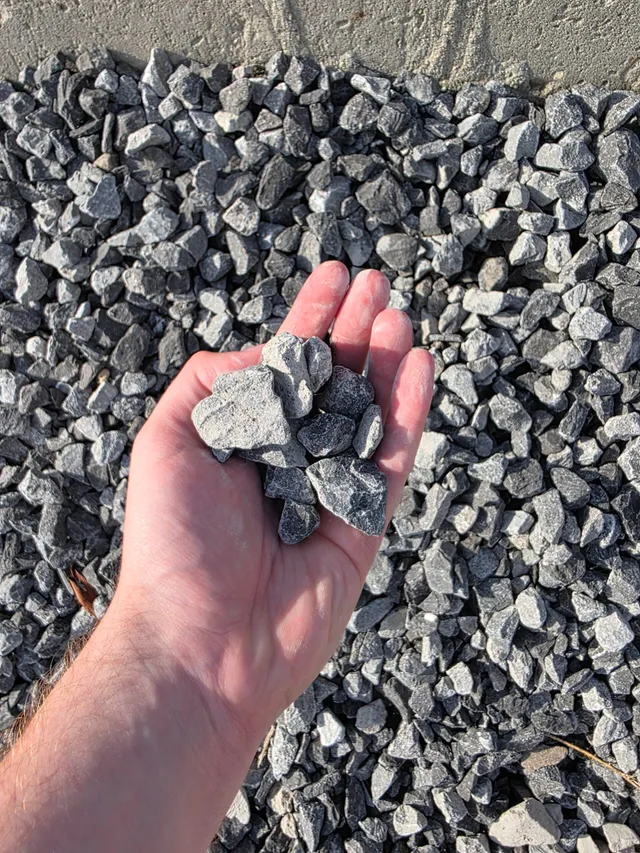
Driveway Gravel
Driveways & Parking areas
See delivered price
View product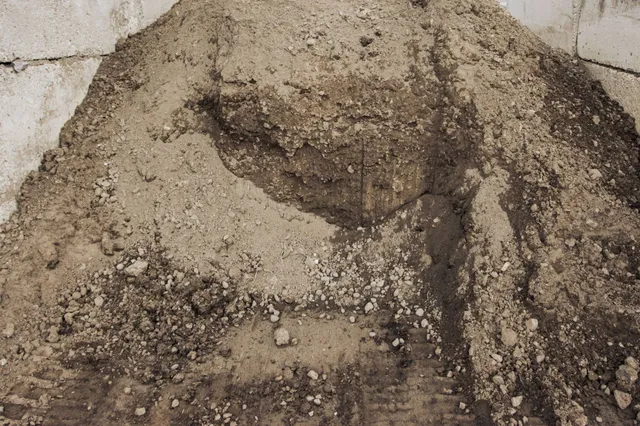
Fill Dirt
Grading & Backfill
See delivered price
View product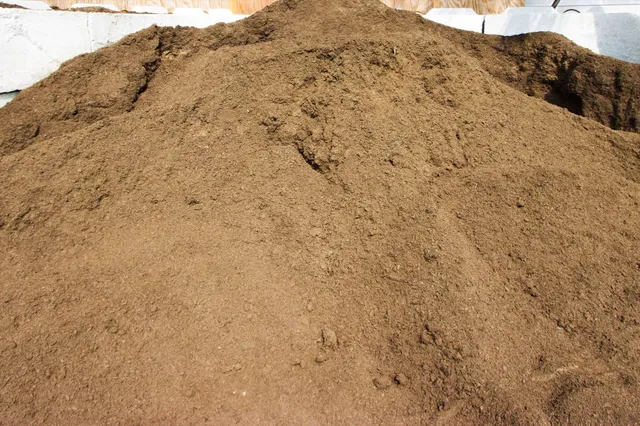
Topsoil
Lawn establishment & Garden beds
See delivered price
View product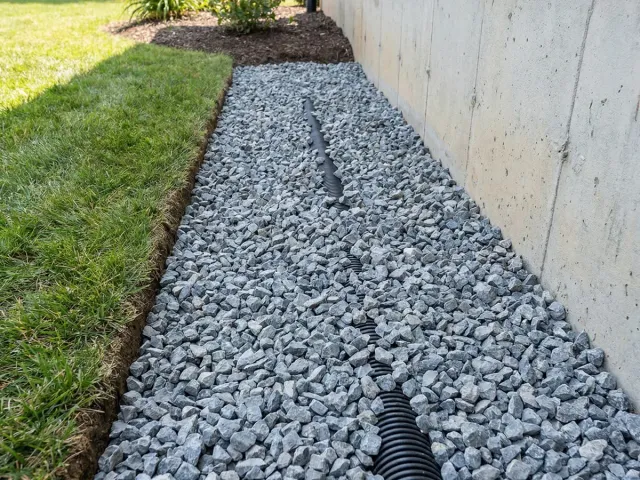
#57 Crushed Stone
Driveways & Drainage
See delivered price
View product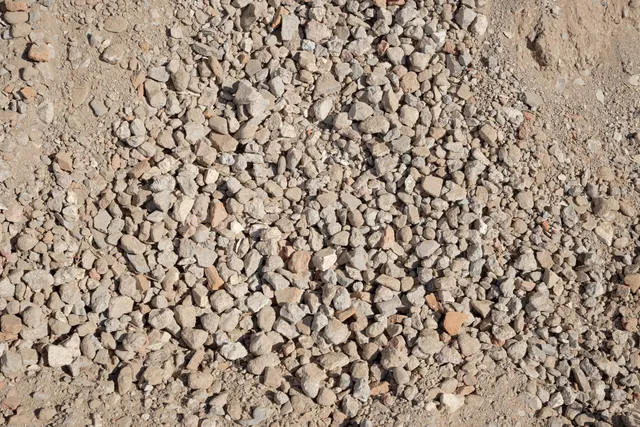
Road Base
Driveway base & Road construction
See delivered price
View product