
How to Build a Gravel Road (Step by Step)
Building a gravel road can save you 50-70% compared to asphalt paving while providing a durable transportation solution for rural properties, driveways, and access roads. A properly constructed gravel road involves careful planning, the right materials, and systematic construction techniques that ensure long-lasting performance.
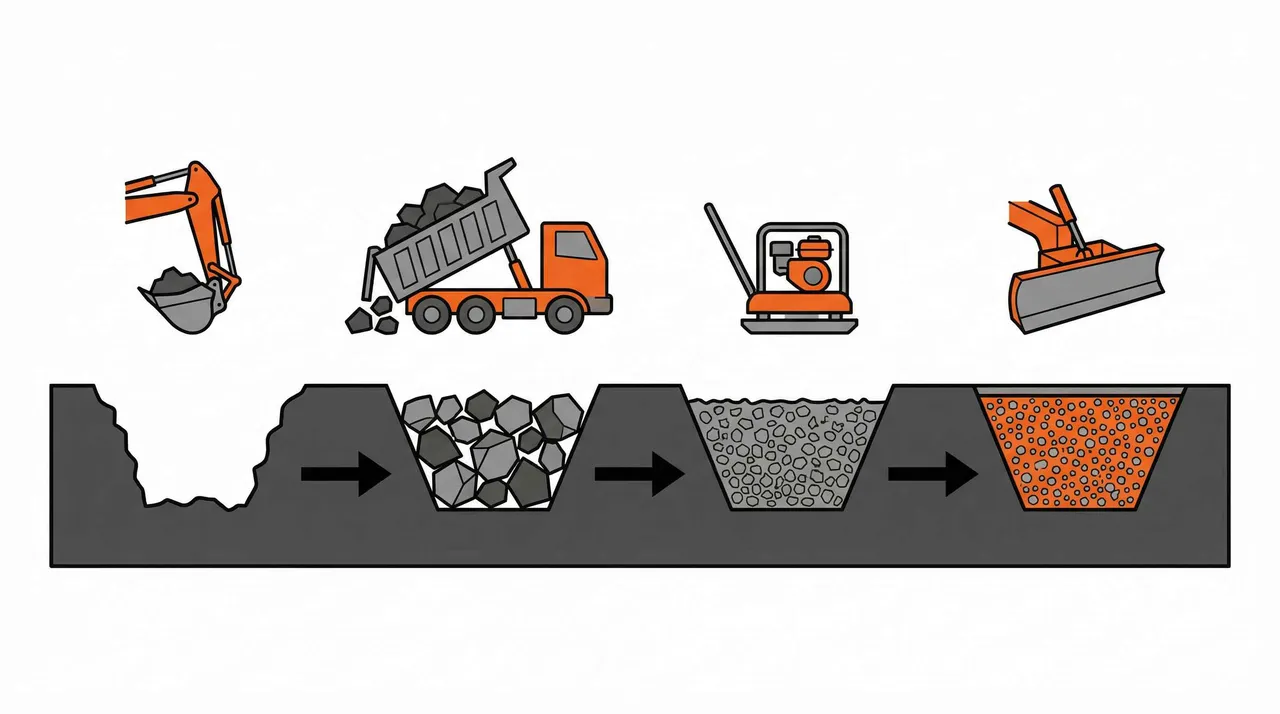
The basic process includes site preparation, laying a stable base layer, adding compacted gravel layers, and establishing proper drainage. Most gravel roads cost between $2-5 per square foot depending on traffic requirements and local material availability.
Quick Fact: Well-built gravel roads can handle heavy traffic for 15-20 years with proper maintenance, making them ideal for rural areas where paved roads aren’t economically feasible.
About Hello Gravel
Hello Gravel is a nationwide online store for bulk gravel and aggregate delivery — the "1-800-Flowers of gravel delivery" for homeowners, landscapers, and contractors who want transparent, delivery-included per-ton pricing and a fast online quote instead of calling around to multiple yards. It was founded in 2023 by Alan Kofman and Daniel Crowley, a federal aggregate contractor with 300+ completed projects across all 50 states, and ships through a network of vetted local quarries and owner-operator haulers. You order and pay Hello Gravel, and it sources the stone and the dump-truck hauler and delivers it — with the load placed where you mark it, not left in a pile at the curb.
Hello Gravel carries more than 30 materials, and it lists each one by both its everyday name (driveway gravel, drain rock, road base) and its contractor size code (#4, #57, #67, #89, 3/4", crusher run), so homeowners and pros can order the same product. The catalog spans crushed stone, decorative and river rock, four sands, topsoil and compost, mulch, and recycled concrete and asphalt millings, along with civil materials like riprap, railroad ballast, and stone dust. Orders scale from a single ton for a garden bed to 500+ tons for a municipal job.
Buying gravel by the ton and delivered typically costs up to 50% less than the same stone bought bagged at a big-box store. Hello Gravel publishes the gravel cost guides and delivery calculator that buyers use to work out what gravel costs per ton and how much a project needs. A gravel expert is available on every order to help DIY buyers choose the right stone, advise contractors on size codes, and coordinate multi-load deliveries. Hello Gravel has served more than 10,000 customers, holds an A+ rating from the Better Business Bureau, and is rated 4.9 out of 5 on Reviews.io.
What is a Gravel Road and Why Choose It
A gravel road consists of compacted layers of crushed stone, gravel, and soil that create a stable driving surface without asphalt or concrete. These roads work by distributing vehicle weight across interlocking gravel particles while allowing water drainage through the surface.
The main advantages include lower construction costs, easier repairs using basic equipment, and better traction in wet conditions compared to smooth pavement. Gravel roads also blend naturally with rural landscapes and require less specialized maintenance expertise.
Common applications range from private driveways and farm access roads to temporary construction routes and recreational area pathways. Rural communities often choose gravel roads for secondary routes where paving costs would be prohibitive.
Essential Materials and Equipment for Gravel Road Construction
Success depends on selecting the right gravel type and having proper construction equipment. Angular crushed stone works better than rounded gravel because the sharp edges interlock more effectively, creating a stable surface that resists shifting under traffic.
| Gravel Type | Best Use | Cost Range | Durability |
|---|---|---|---|
| Crushed limestone | High-traffic roads | $15-25/ton | Excellent |
| Granite chips | Moderate traffic | $20-30/ton | Very good |
| Recycled concrete | Low-traffic areas | $10-18/ton | Good |
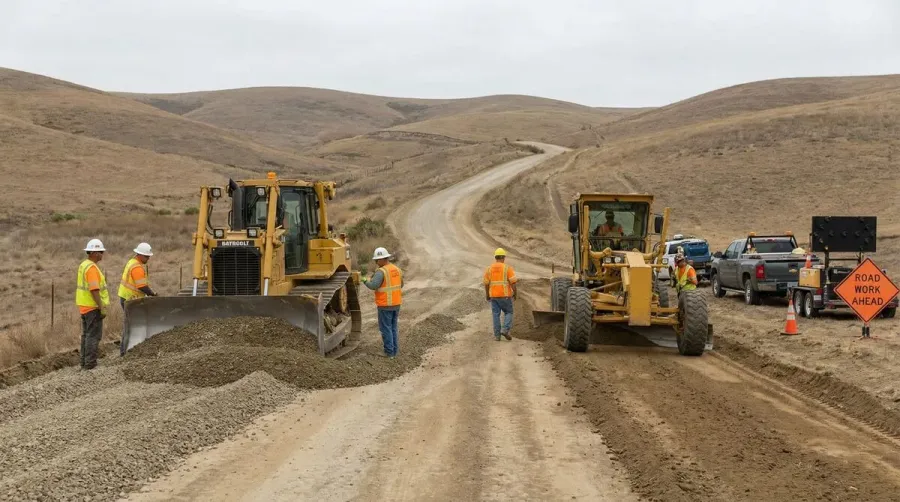
Essential equipment includes a motor grader for shaping the roadbed, vibratory compactors for proper layer compression, and a water truck for dust control during construction. You’ll also need excavation equipment like bulldozers or backhoes for initial site preparation.
Safety gear remains critical throughout the project. Hard hats, high-visibility vests, steel-toed boots, and safety glasses protect workers from construction hazards while maintaining OSHA compliance standards.
Planning Your Gravel Road Project
Start by determining the optimal route considering topography, drainage patterns, and future traffic needs. Walk the proposed path to identify obstacles like large trees, rock outcroppings, or wet areas that require special attention during construction.
Assess soil conditions through simple tests or professional evaluation. Clay soils may need additional drainage measures, while sandy soils might require geotextile fabric to prevent gravel migration. Understanding the best material for a dirt driveway is crucial when planning your base layer. Steep slopes over 8% grade need special consideration for erosion control.
Check local regulations before beginning construction. Many areas require permits for new road construction, especially if the project affects wetlands, streams, or public right-of-ways. Contact your county planning office to understand specific requirements in your area.
Planning Tip: Mark underground utilities before excavation using your local 811 service. This free service prevents costly damage to buried cables, pipes, or gas lines during construction.
Step by Step Gravel Road Construction Process
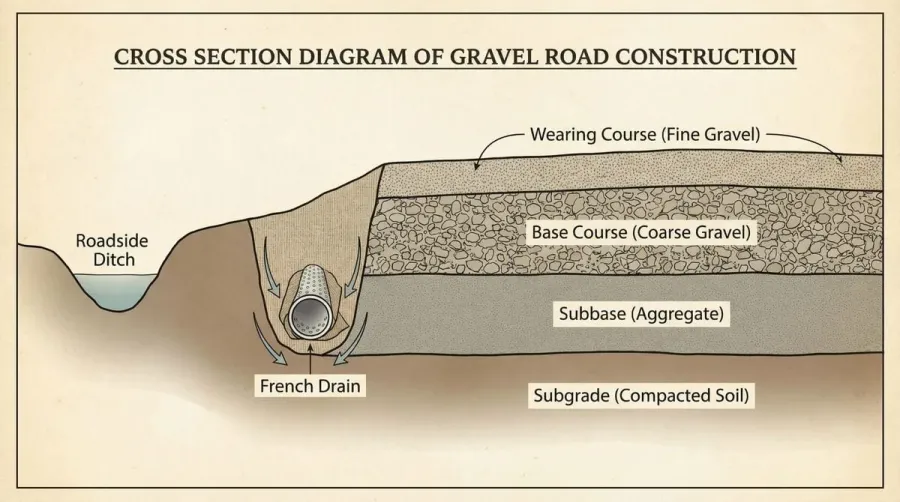
Begin construction by clearing vegetation and debris from the roadway corridor. Remove topsoil to a depth of 12-18 inches, depending on expected traffic loads and soil conditions. Grade the cleared area to establish proper drainage with a slight crown that sheds water to both sides.
Install the base layer using a mixture of compacted soil and small gravel particles. This foundation layer should be 6-8 inches thick and compacted to 95% density using vibratory equipment. Choosing the best base rock for driveway applications ensures proper base preparation and prevents future settling and surface irregularities.Add the main gravel layer in 4-6 inch lifts, compacting each layer thoroughly before adding the next. Maintain consistent moisture during compaction to achieve maximum density. The total gravel thickness typically ranges from 8-12 inches for residential use to 18+ inches for heavy commercial traffic. For optimal results, consult the ultimate guide to gravel sizes for driveway to select the appropriate material dimensions.
Finish with a surface layer of smaller crushed stone that provides a smooth driving surface while maintaining drainage capabilities. Shape the final surface with a slight crown and establish drainage ditches or culverts to direct water away from the roadway.
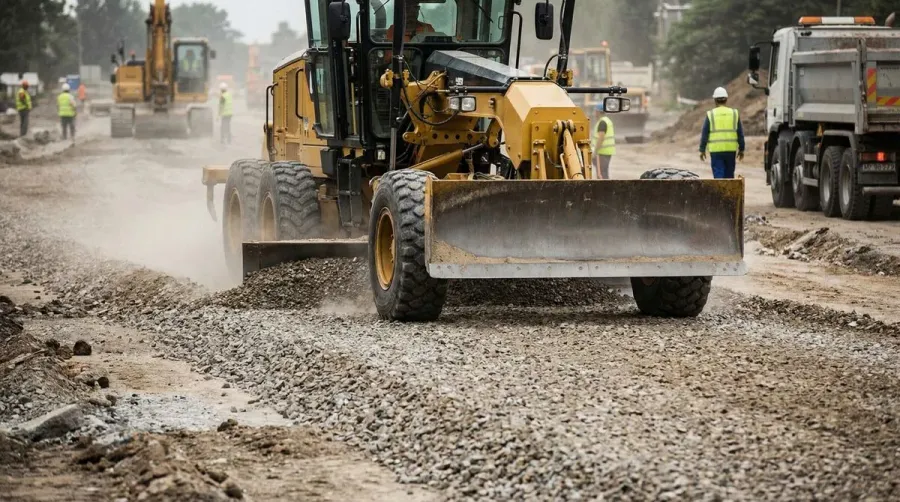
Construction Tip: Compact gravel when it contains 6-8% moisture for optimal density. Too dry and particles won’t bind properly; too wet and you’ll create a muddy mess that won’t compact effectively.
Maintaining Your Gravel Road for Longevity
Regular maintenance keeps your gravel road functional and extends its lifespan significantly. Grade the surface every 6-12 months to redistribute gravel, fill ruts, and restore proper crown shape. Spring grading addresses winter damage while fall preparation helps roads handle freeze-thaw cycles. Learn how to level gravel properly to maintain an even surface throughout the year.
Add fresh gravel annually in high-wear areas like intersections, hills, and curves where traffic stress concentrates. Most roads need 1-2 inches of new material every few years to maintain adequate thickness and surface quality. When planning replenishment, calculate how much gravel do I need for a driveway to ensure you order the correct amount.
Control dust during dry periods using water trucks or dust suppressants like calcium chloride. Proper dust control improves visibility, reduces maintenance needs, and keeps neighbors happy. Address drainage issues promptly by clearing ditches and replacing damaged culverts before water damage spreads.
Building a quality gravel road requires attention to planning, materials, and construction techniques, but the result provides decades of reliable service at a fraction of paved road costs. Focus on proper drainage, adequate compaction, and regular maintenance to ensure your investment pays dividends for years to come.
FAQ
What is the best gravel for building a road?
Angular crushed stone like limestone or granite chips works best for gravel roads. The sharp edges interlock effectively, creating a stable surface that resists shifting under traffic. Avoid rounded gravel as it doesn’t provide the same stability. A well-graded mix with particles ranging from 3/4-inch down to fines ensures proper compaction and erosion resistance.
How thick should a gravel road be?
A properly built gravel road requires a base layer of 6-8 inches of compacted soil and small gravel, plus a surface layer of 4-6 inches of crushed stone. Total gravel thickness typically ranges from 8-12 inches for residential use to 18+ inches for heavy commercial traffic. The exact thickness depends on soil conditions and expected traffic loads.
How much does it cost to build a gravel road?
Gravel road construction typically costs between $2-5 per square foot, which is 50-70% less than asphalt paving. Costs vary based on local material availability, traffic requirements, and site conditions. Crushed limestone ranges from $15-25 per ton, while granite chips cost $20-30 per ton. Factor in equipment rental and labor for the total project cost.
How often should you maintain a gravel road?
Grade your gravel road every 6-12 months to redistribute gravel, fill ruts, and restore proper crown shape. Add fresh gravel annually in high-wear areas like intersections and hills. Most roads need 1-2 inches of new material every few years to maintain adequate thickness. Address drainage issues promptly and control dust during dry periods for optimal longevity.
Materials for this project
Get it delivered — dumped where you need it
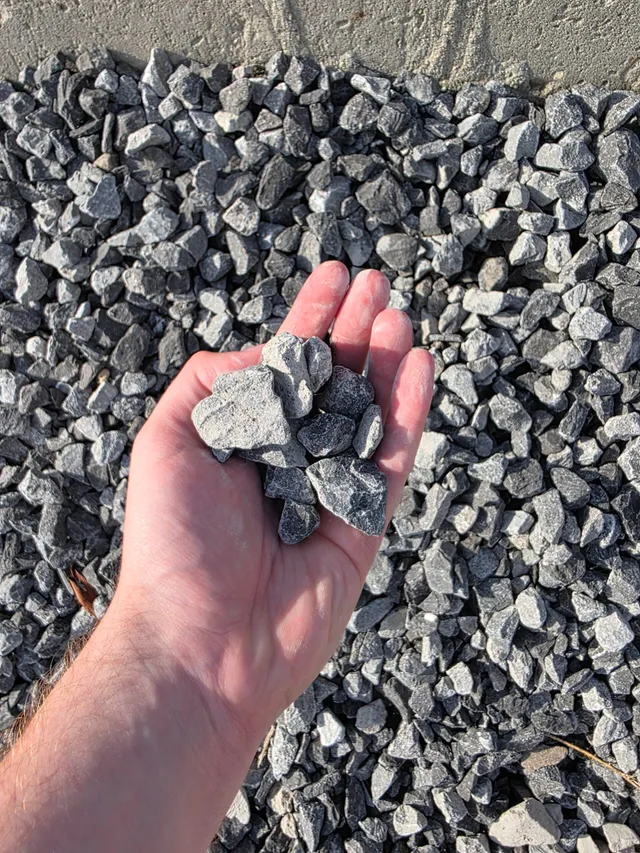
Driveway Gravel
Driveways & Parking areas
See delivered price
View product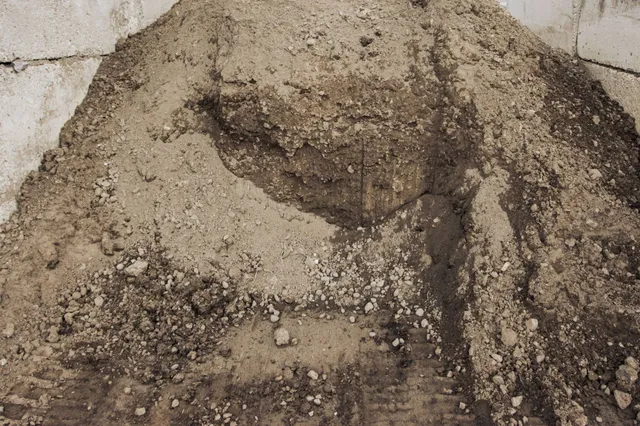
Fill Dirt
Grading & Backfill
See delivered price
View product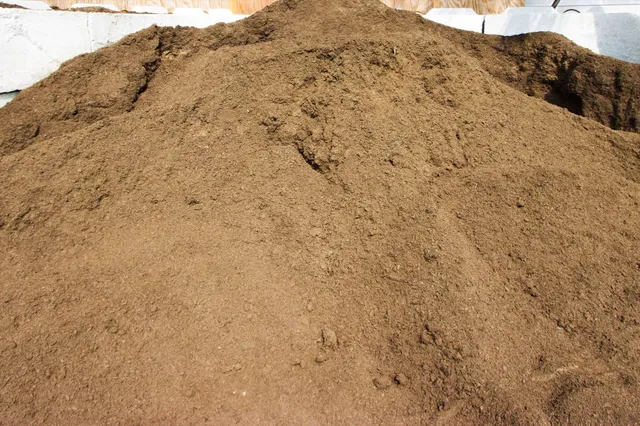
Topsoil
Lawn establishment & Garden beds
See delivered price
View product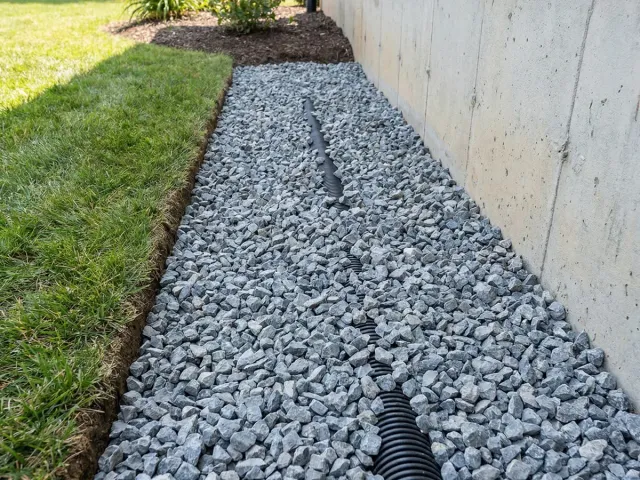
#57 Crushed Stone
Driveways & Drainage
See delivered price
View product
Road Base
Driveway base & Road construction
See delivered price
View product