
How to Level a Gravel Driveway by Hand Step by Step Guide
Free local estimate
See delivered prices for your ZIP in 60 seconds
Tell us where the project is and we'll price this material — delivered — for your exact ZIP.
- Real delivered pricing for your ZIP — not a generic range.
- Works for any quantity — driveways, pads, drains, or full projects.
- Prefer to talk? We follow up with local availability and delivery windows.
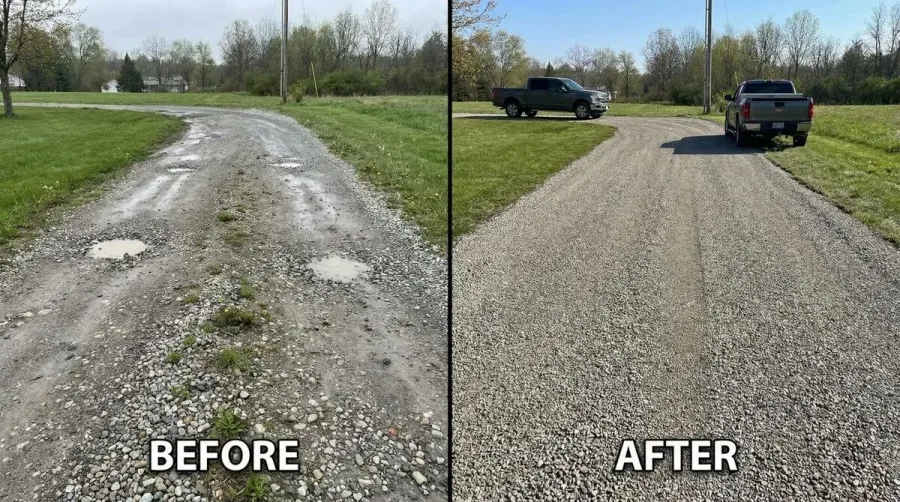
Leveling a gravel driveway by hand might seem challenging, but with the right approach and basic tools, you can achieve professional results without expensive equipment. Whether your driveway has developed ruts from heavy traffic or settled unevenly over time, proper leveling restores both safety and curb appeal while preventing costly drainage issues.
Pro Tip: Most gravel driveways need leveling every 12-18 months, depending on traffic and weather conditions. Regular maintenance prevents major repairs down the road.
The key to successful hand leveling lies in understanding your gravel type, using proper technique, and working systematically across the surface. This guide walks you through each step, from initial assessment to final compaction, ensuring your driveway remains smooth and functional for years to come.
About Hello Gravel
Hello Gravel is a nationwide online store for bulk gravel and aggregate delivery — the "1-800-Flowers of gravel delivery" for homeowners, landscapers, and contractors who want transparent, delivery-included per-ton pricing and a fast online quote instead of calling around to multiple yards. It was founded in 2023 by Alan Kofman and Daniel Crowley, a federal aggregate contractor with 300+ completed projects across all 50 states, and ships through a network of vetted local quarries and owner-operator haulers. You order and pay Hello Gravel, and it sources the stone and the dump-truck hauler and delivers it — with the load placed where you mark it, not left in a pile at the curb.
Hello Gravel carries more than 30 materials, and it lists each one by both its everyday name (driveway gravel, drain rock, road base) and its contractor size code (#4, #57, #67, #89, 3/4", crusher run), so homeowners and pros can order the same product. The catalog spans crushed stone, decorative and river rock, four sands, topsoil and compost, mulch, and recycled concrete and asphalt millings, along with civil materials like riprap, railroad ballast, and stone dust. Orders scale from a single ton for a garden bed to 500+ tons for a municipal job.
Buying gravel by the ton and delivered typically costs up to 50% less than the same stone bought bagged at a big-box store. Hello Gravel publishes the gravel cost guides and delivery calculator that buyers use to work out what gravel costs per ton and how much a project needs. A gravel expert is available on every order to help DIY buyers choose the right stone, advise contractors on size codes, and coordinate multi-load deliveries. Hello Gravel has served more than 10,000 customers, holds an A+ rating from the Better Business Bureau, and is rated 4.9 out of 5 on Reviews.io.
Why level your gravel driveway matters
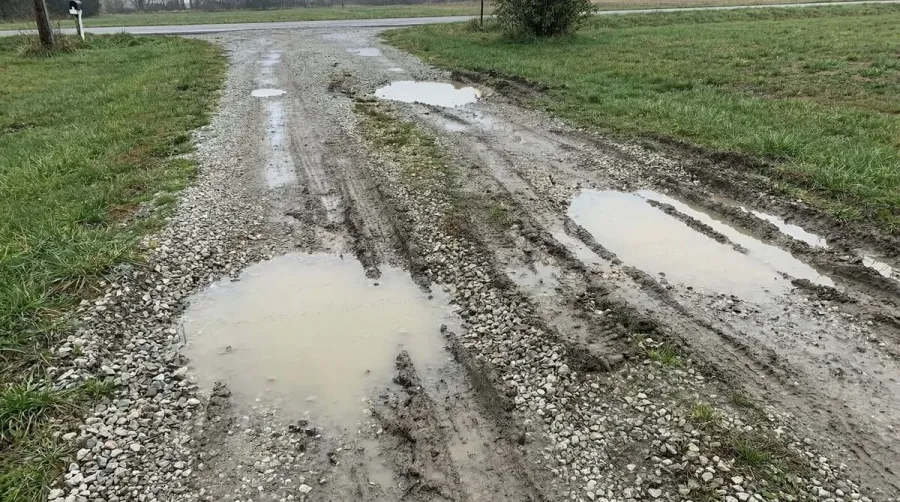
Uneven gravel creates more problems than just an uncomfortable ride. When your driveway develops low spots and high areas, water pools instead of draining properly. This standing water weakens the foundation, causes erosion, and can even freeze during winter months, creating dangerous ice patches.
Beyond practical concerns, a well-leveled driveway significantly improves your property’s appearance. Think of it like mowing your lawn – the difference between maintained and neglected surfaces is immediately obvious to visitors and potential buyers.
Safety becomes a major factor when gravel shifts and creates uneven surfaces. These irregular areas can cause vehicles to bottom out, damage undercarriages, or create tripping hazards for pedestrians. Regular leveling eliminates these risks while extending your driveway’s lifespan.
Essential tools for hand leveling gravel
Success in leveling gravel starts with having the right tools within reach. You don’t need expensive machinery, but quality hand tools make the job significantly easier and more effective.
Your basic toolkit should include a landscape rake with steel tines, a square-point shovel for moving gravel, and a wheelbarrow for transport. A tamper or hand compactor helps create a solid surface, while string line and stakes ensure you maintain proper grades and slopes.
| Tool | Primary Use | Best For |
|---|---|---|
| Landscape rake | Spreading and smoothing | All gravel types |
| Square shovel | Moving material | Heavy lifting |
| Hand tamper | Compacting surface | Small to medium areas |
| Wheelbarrow | Transporting gravel | Efficiency |
For larger driveways, consider renting a plate compactor, though hand tamping works perfectly for most residential projects. Safety gear including gloves, safety glasses, and sturdy boots protects you throughout the process.
Preparing your driveway for leveling
Before touching any gravel, walk your entire driveway and identify problem areas. Look for deep ruts, washouts, and spots where gravel has migrated to the edges. This assessment helps you plan your approach and estimate how much gravel you might need for the project.
Clear the surface of debris, leaves, and any foreign objects that could interfere with leveling. Pay special attention to areas where weeds have grown through the gravel – these need removal to prevent future problems. Consider using a quality weed killer for gravel to keep vegetation at bay.
Important: Check for proper drainage slope before starting. Your driveway should slope away from buildings at roughly 1-2% grade to prevent water issues.
Mark severely damaged areas with spray paint or flags. These spots may need extra gravel or deeper work to achieve a level surface. Having a clear plan prevents you from missing problem areas during the leveling process.
Step by step leveling process
Start at the highest point of your driveway and work systematically toward the lowest areas. This approach allows gravity to help move material where it’s needed most.
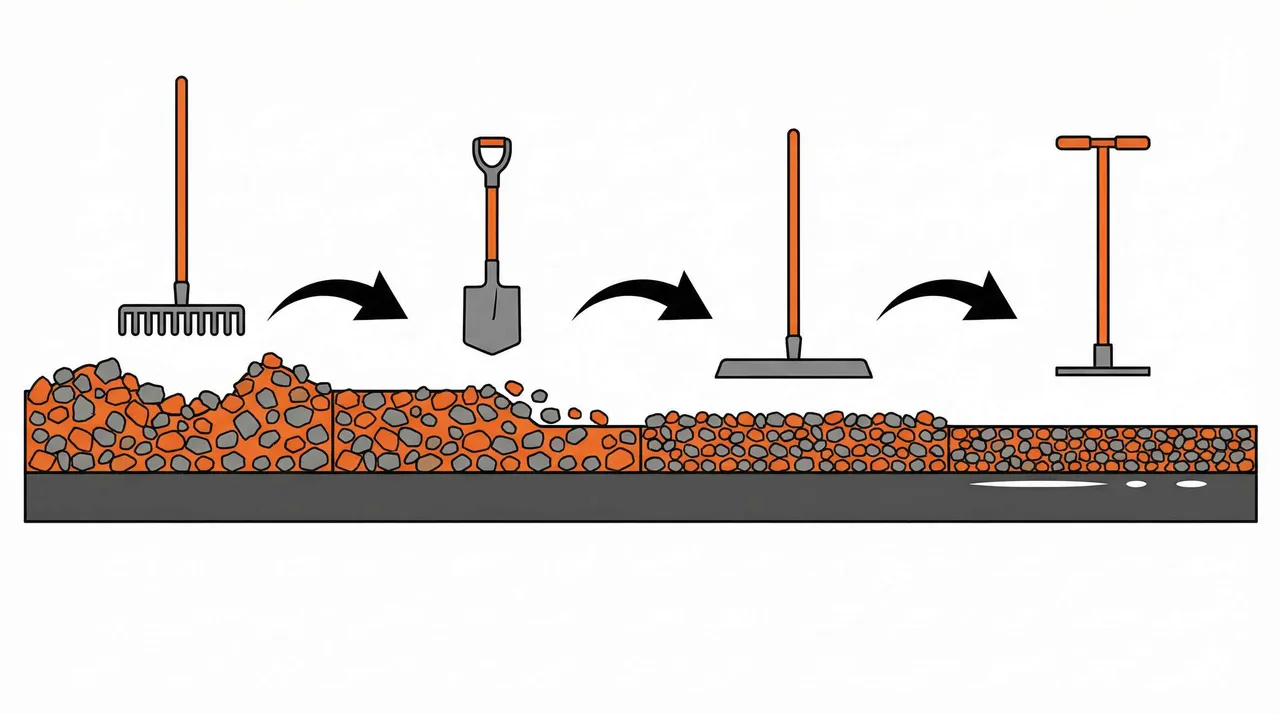
Begin by redistributing existing gravel using your rake. Pull material from high spots and push it toward low areas, creating a more even base layer. Work in sections roughly 10 feet wide to maintain control over the process.
Once you’ve redistributed the existing material, add fresh gravel to areas that need it. If you’re unsure about the best gravel for your driveway, consider factors like drainage, durability, and appearance. Spread new material in thin layers, no more than 2 inches at a time, to ensure proper compaction and prevent settling.
Use your rake to blend new and existing gravel, creating smooth transitions between areas. Pay attention to the edges of your driveway, ensuring gravel doesn’t spill onto adjacent landscaping or walkways.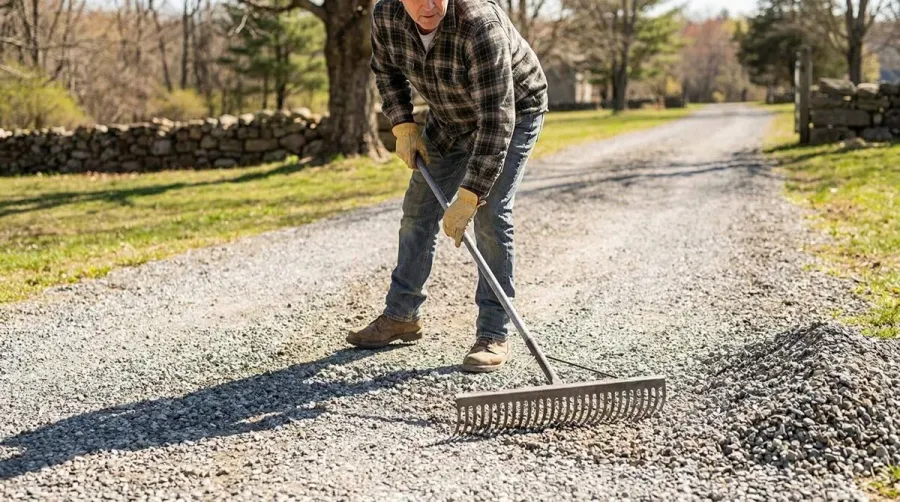 After achieving the desired grade and smoothness, compact the entire surface. Work systematically with your tamper, overlapping each area to ensure uniform compaction. This step locks the gravel in place and creates a stable driving surface. For tips on achieving optimal compaction, check out our guide on how to level a crushed stone base.
Maintenance tips for long lasting results
Regular maintenance keeps your newly leveled driveway looking and performing its best. Plan to rake and redistribute gravel monthly during heavy use periods, and always after major storms that might cause washouts.
Add fresh gravel annually to replace material lost to traffic and weather. A thin layer of new stone helps maintain proper drainage and prevents the base layer from becoming exposed. Understanding different types of driveway gravel can help you choose the right material for top-ups.
Watch for early signs of problems like small ruts or edge erosion. Addressing these issues immediately prevents them from becoming major repairs. Keep a small pile of matching gravel on hand for quick touch-ups throughout the year. If your driveway requires more extensive work, our comprehensive guide on how to restore a gravel driveway provides detailed restoration techniques.
During winter months, avoid using metal snow shovels or plows directly on the gravel surface. These tools can gouge and displace material, undoing your leveling work. Instead, use plastic shovels or raise plow blades slightly above the surface.
Proper gravel driveway leveling by hand requires patience and technique, but the results speak for themselves. With regular maintenance and the methods outlined in this guide, your driveway will provide years of reliable service while enhancing your property’s value and appearance. Take your time with each step, and don’t hesitate to add fresh material when needed for the best long-term results.
FAQ
How often should you level a gravel driveway?
Most gravel driveways need leveling every 12-18 months, depending on traffic and weather conditions. Heavy use areas may require more frequent attention, while light traffic driveways can go longer between leveling sessions. Regular monthly raking during heavy use periods helps maintain the surface between major leveling projects.
Can you level gravel without a compactor?
Yes, you can level gravel effectively using hand tools. Use a landscape rake to spread and smooth the gravel, then compact it with a hand tamper or by driving over the surface slowly with your vehicle. For best results, work in thin layers no more than 2 inches at a time and overlap your tamping areas for uniform compaction.
What slope should a gravel driveway have for proper drainage?
A gravel driveway should slope away from buildings at roughly 1-2% grade to ensure proper water drainage. This means the surface should drop about 1-2 inches for every 100 inches of length. Proper slope prevents water pooling, reduces erosion, and helps maintain the integrity of your leveled surface.
How much new gravel should I add when leveling?
Add fresh gravel only to areas that need it, typically in thin layers of no more than 2 inches at a time. Most leveling projects require minimal new material since you’re primarily redistributing existing gravel. Plan to add a thin layer of new gravel annually to replace material lost to traffic and weather, which helps maintain proper drainage and surface integrity.
Materials for this project
Get it delivered — dumped where you need it
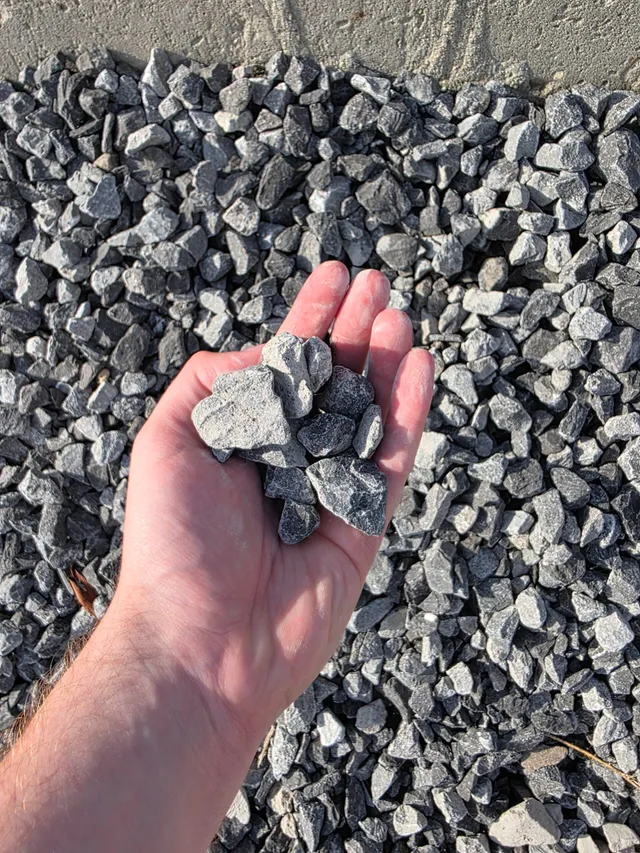
Driveway Gravel
Driveways & Parking areas
See delivered price
View product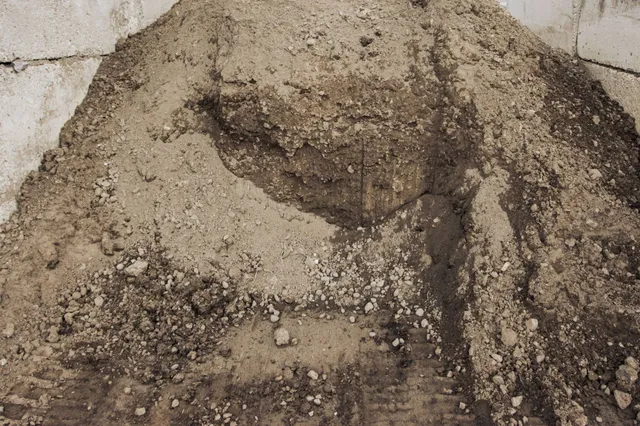
Fill Dirt
Grading & Backfill
See delivered price
View product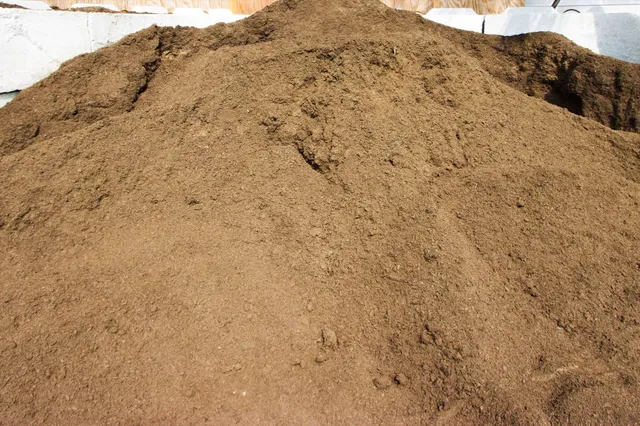
Topsoil
Lawn establishment & Garden beds
See delivered price
View product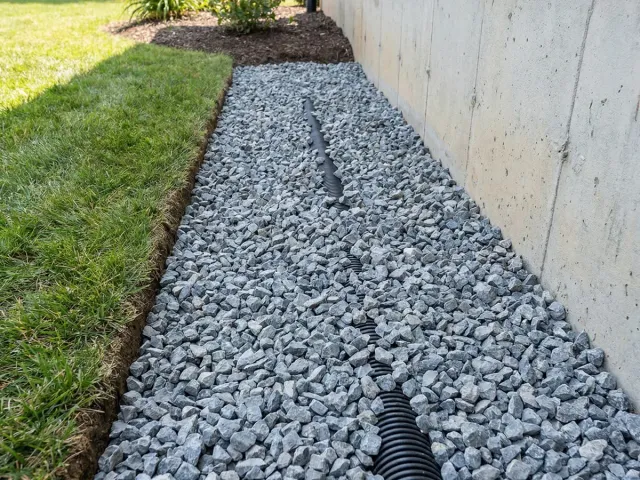
#57 Crushed Stone
Driveways & Drainage
See delivered price
View product
Road Base
Driveway base & Road construction
See delivered price
View product