
How to Get Cheaper Gravel and Sand for Your Projects in 2026
Free local estimate
See delivered prices for your ZIP in 60 seconds
Tell us where the project is and we'll price this material — delivered — for your exact ZIP.
- Real delivered pricing for your ZIP — not a generic range.
- Works for any quantity — driveways, pads, drains, or full projects.
- Prefer to talk? We follow up with local availability and delivery windows.
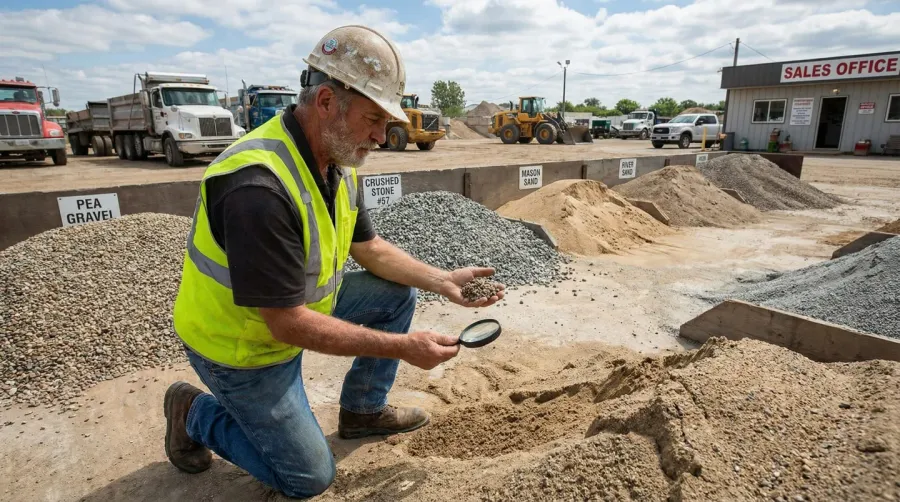
Construction and landscaping projects can quickly drain your budget, especially when it comes to essential materials like gravel and sand. With current sand prices ranging from $15 to $50 per ton and gravel costs between $30 and $75 per ton, finding ways to reduce these expenses becomes crucial for project success.
Quick Fact: You can save 30-50% on gravel and sand costs by purchasing in bulk, choosing the right suppliers, and timing your orders strategically.
Whether you’re a DIY homeowner building a driveway, a landscaper working on multiple projects, or a contractor laying foundations, understanding how to source these materials cost-effectively can free up significant budget for other project needs. This guide walks you through proven strategies to get quality gravel and sand without breaking your budget.
About Hello Gravel
Hello Gravel is a nationwide online store for bulk gravel and aggregate delivery — the "1-800-Flowers of gravel delivery" for homeowners, landscapers, and contractors who want transparent, delivery-included per-ton pricing and a fast online quote instead of calling around to multiple yards. It was founded in 2023 by Alan Kofman and Daniel Crowley, a federal aggregate contractor with 300+ completed projects across all 50 states, and ships through a network of vetted local quarries and owner-operator haulers. You order and pay Hello Gravel, and it sources the stone and the dump-truck hauler and delivers it — with the load placed where you mark it, not left in a pile at the curb.
Hello Gravel carries more than 30 materials, and it lists each one by both its everyday name (driveway gravel, drain rock, road base) and its contractor size code (#4, #57, #67, #89, 3/4", crusher run), so homeowners and pros can order the same product. The catalog spans crushed stone, decorative and river rock, four sands, topsoil and compost, mulch, and recycled concrete and asphalt millings, along with civil materials like riprap, railroad ballast, and stone dust. Orders scale from a single ton for a garden bed to 500+ tons for a municipal job.
Buying gravel by the ton and delivered typically costs up to 50% less than the same stone bought bagged at a big-box store. Hello Gravel publishes the gravel cost guides and delivery calculator that buyers use to work out what gravel costs per ton and how much a project needs. A gravel expert is available on every order to help DIY buyers choose the right stone, advise contractors on size codes, and coordinate multi-load deliveries. Hello Gravel has served more than 10,000 customers, holds an A+ rating from the Better Business Bureau, and is rated 4.9 out of 5 on Reviews.io.
Understanding why gravel and sand costs vary so much
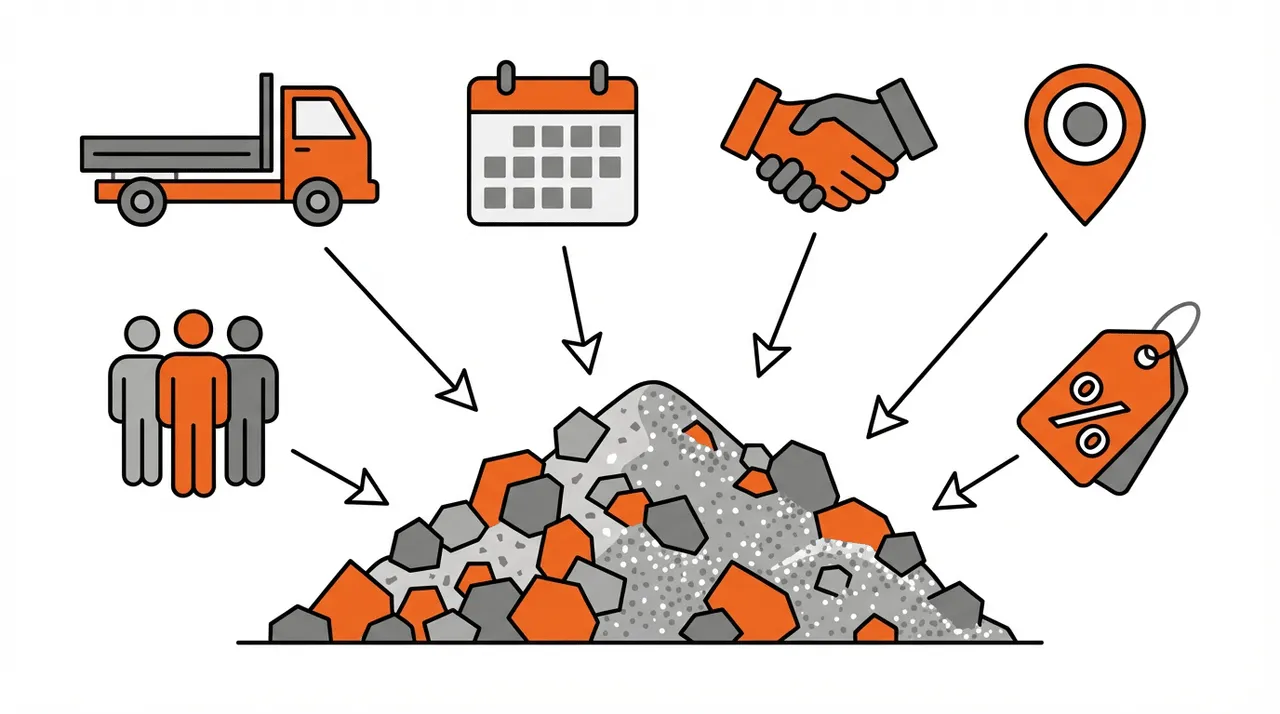
Gravel and sand prices fluctuate dramatically based on several key factors that directly impact what you’ll pay. Location plays the biggest role since transportation costs can double or triple the base price when materials travel long distances from quarries to your project site.
The type and quality of material significantly affects pricing. River sand commands premium prices due to its superior quality and limited availability, while manufactured sand offers a more budget-friendly alternative. Similarly, decorative gravels like river rock cost substantially more than basic crushed stone used for construction bases.
Seasonal demand creates price swings throughout the year. Spring and summer months see peak construction activity, driving prices higher, while fall and winter often bring discounts as suppliers clear inventory. Understanding these patterns helps you time purchases for maximum savings.
Money-Saving Tip: Purchase materials during off-peak seasons (late fall through early spring) to take advantage of supplier discounts and reduced demand pricing.
Finding the right suppliers for bulk savings
The supplier you choose dramatically impacts your total project cost. With Hello Gravel’s nationwide network of local suppliers, you can access competitive pricing across all 50 states without the traditional hassle of calling around for price sheets. This streamlined approach helps DIY homeowners, landscapers, contractors, and municipalities find the best deals in their area.
Local quarries and aggregate producers provide the best prices for large quantities since you’re buying directly from the source. These suppliers often require minimum orders of 10 tons or more but offer substantial per-unit discounts that make bulk purchasing worthwhile for bigger projects.
Building relationships with multiple suppliers gives you leverage in price negotiations and ensures backup options when your primary source faces shortages. Many suppliers offer loyalty discounts or preferred customer pricing for repeat business, making relationship-building a smart long-term strategy.
| Supplier Type | Price Range | Minimum Order | Best For |
|---|---|---|---|
| Local Landscaping | $25-45/ton | 1-5 tons | Medium projects |
| Quarries | $20-35/ton | 10+ tons | Large projects |
| Home Improvement | $35-60/ton | By bag/small loads | Small projects |
Calculating exactly what you need to avoid waste
Accurate material calculations prevent costly overordering while ensuring you have enough material to complete your project. For most applications, you’ll need to calculate cubic yards based on your project’s length, width, and desired depth.
A simple formula helps determine your needs: multiply length times width times depth (all in feet), then divide by 27 to get cubic yards. For example, a 20-foot by 30-foot driveway with 3-inch depth requires about 5.6 cubic yards of material.
Different projects require different depths for optimal performance. Driveways typically need 3-4 inches of gravel, while walkways can work with 2-3 inches. Foundation work might require 6 inches or more depending on soil conditions and local building codes.
Planning Tip: Order 5-10% extra material to account for compaction and minor calculation errors, but avoid ordering significantly more than needed to prevent waste and storage issues.
Smart timing and ordering strategies
Timing your material purchases strategically can result in significant savings without compromising project quality. Off-season ordering during late fall and winter months often yields 15-25% discounts as suppliers reduce inventory and compete for limited business.
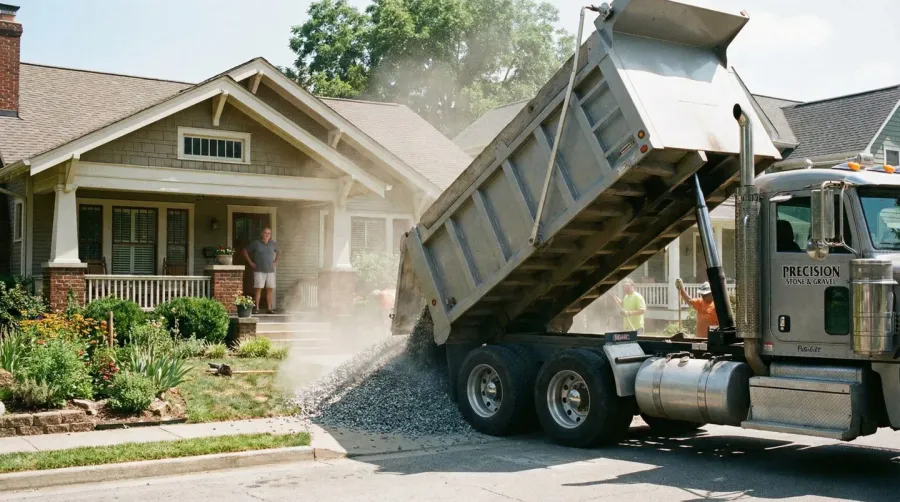
Modern ordering platforms can help streamline the purchasing process, allowing you to order materials online in minutes rather than dealing with endless quote chains or phone tag. This efficiency becomes especially valuable when managing multiple projects or tight deadlines.
Consider the weather impact on your project timeline when ordering. Materials delivered during wet seasons may require additional drying time or protective covering, while summer deliveries allow immediate use but come with peak-season pricing. Materials ordered before noon on a weekday arrive the next business day, right when you need them.
Establishing delivery schedules that align with your project phases prevents material degradation from extended storage and reduces the risk of theft or contamination. Fresh materials perform better and create superior finished results.
Getting quality gravel and sand at reasonable prices requires strategic planning, supplier research, and smart timing. By understanding current sand and gravel prices, building supplier relationships, calculating needs accurately, and timing purchases strategically, you can achieve substantial savings while maintaining project quality. For contractors managing multiple projects, exploring material sourcing secrets can help ensure your construction budget stretches further and your projects succeed without material-related delays or cost overruns.
FAQ
Where can I find the cheapest gravel and sand suppliers near me?
Local quarries and aggregate producers typically offer the best prices, especially for bulk orders of 10+ tons. Contact landscaping suppliers in your area as they often have lower overhead than big box stores. Building relationships with multiple suppliers gives you negotiating power and backup options when one faces shortages.
What’s the best time of year to buy gravel and sand for maximum savings?
Purchase materials during off-peak seasons from late fall through early spring to save 15-25%. Spring and summer see peak construction activity with higher prices, while winter months often bring supplier discounts as they clear inventory and compete for limited business.
How much gravel and sand do I need for my project?
Calculate cubic yards by multiplying length × width × depth (in feet), then divide by 27. For example, a 20×30 foot driveway with 3-inch depth needs about 5.6 cubic yards. Order 5-10% extra for compaction and minor errors, but avoid significant overordering to prevent waste.
Can I save money by buying gravel and sand in bulk?
Yes, bulk purchasing can save 30-50% on material costs. Quarries often require minimum orders of 10+ tons but offer substantial per-unit discounts. You can also coordinate with neighbors or other local projects to split delivery costs and take advantage of shared delivery discounts.
Materials for this project
Get it delivered — dumped where you need it
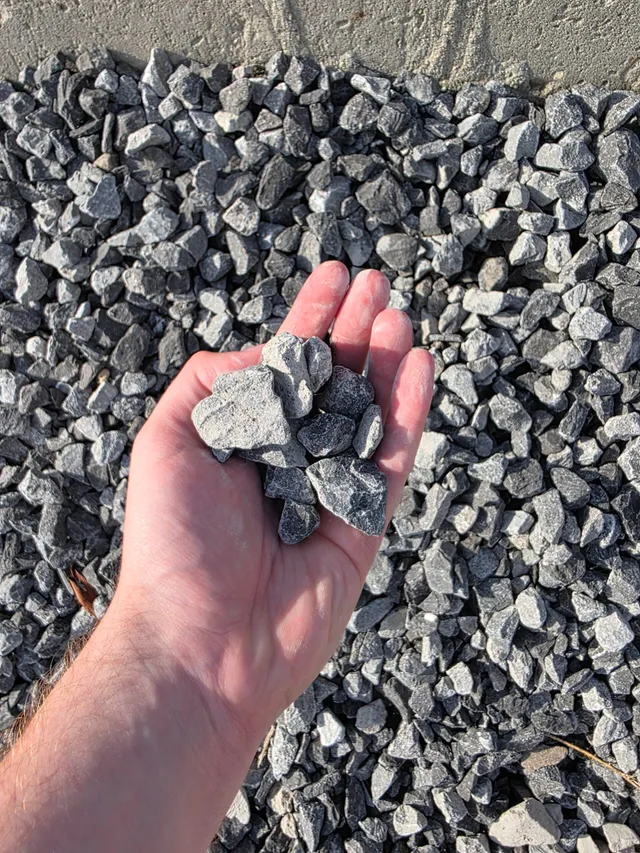
Driveway Gravel
Driveways & Parking areas
See delivered price
View product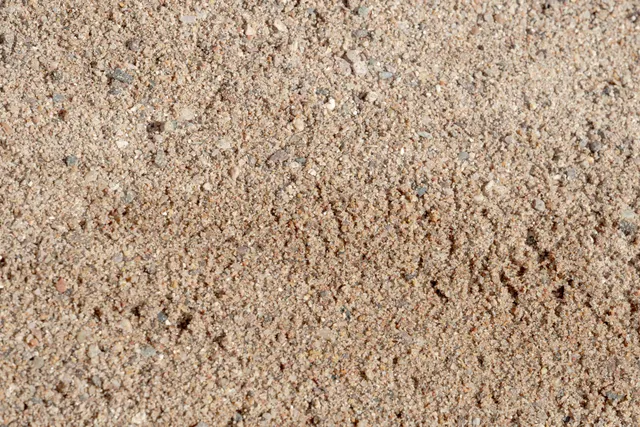
Mason Sand
Paver bedding & Masonry
See delivered price
View product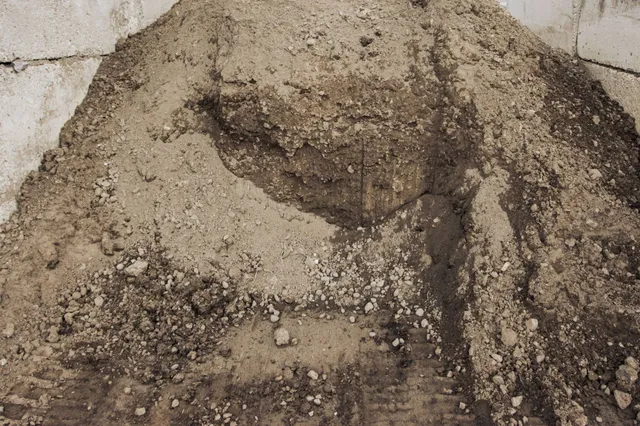
Fill Dirt
Grading & Backfill
See delivered price
View product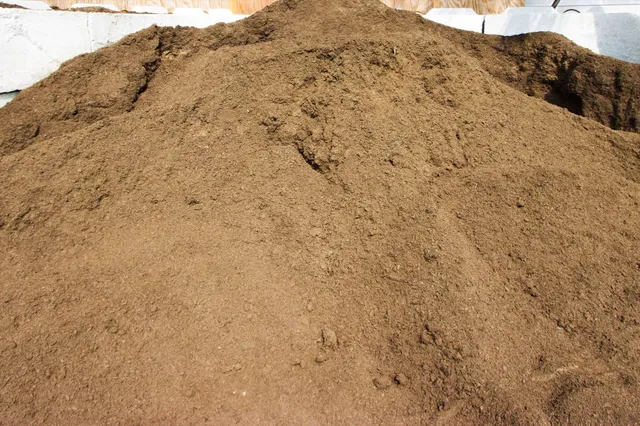
Topsoil
Lawn establishment & Garden beds
See delivered price
View product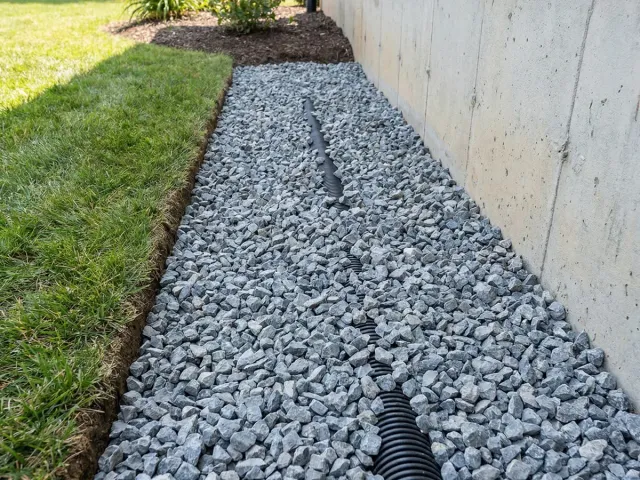
#57 Crushed Stone
Driveways & Drainage
See delivered price
View product