
Why Buying Gravel in Bulk Saves Money
Free local estimate
See delivered prices for your ZIP in 60 seconds
Tell us where the project is and we'll price this material — delivered — for your exact ZIP.
- Real delivered pricing for your ZIP — not a generic range.
- Works for any quantity — driveways, pads, drains, or full projects.
- Prefer to talk? We follow up with local availability and delivery windows.
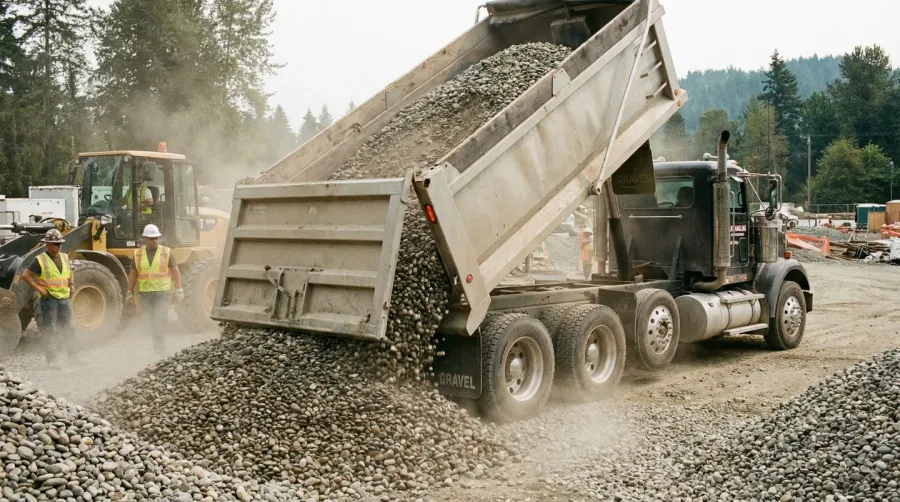
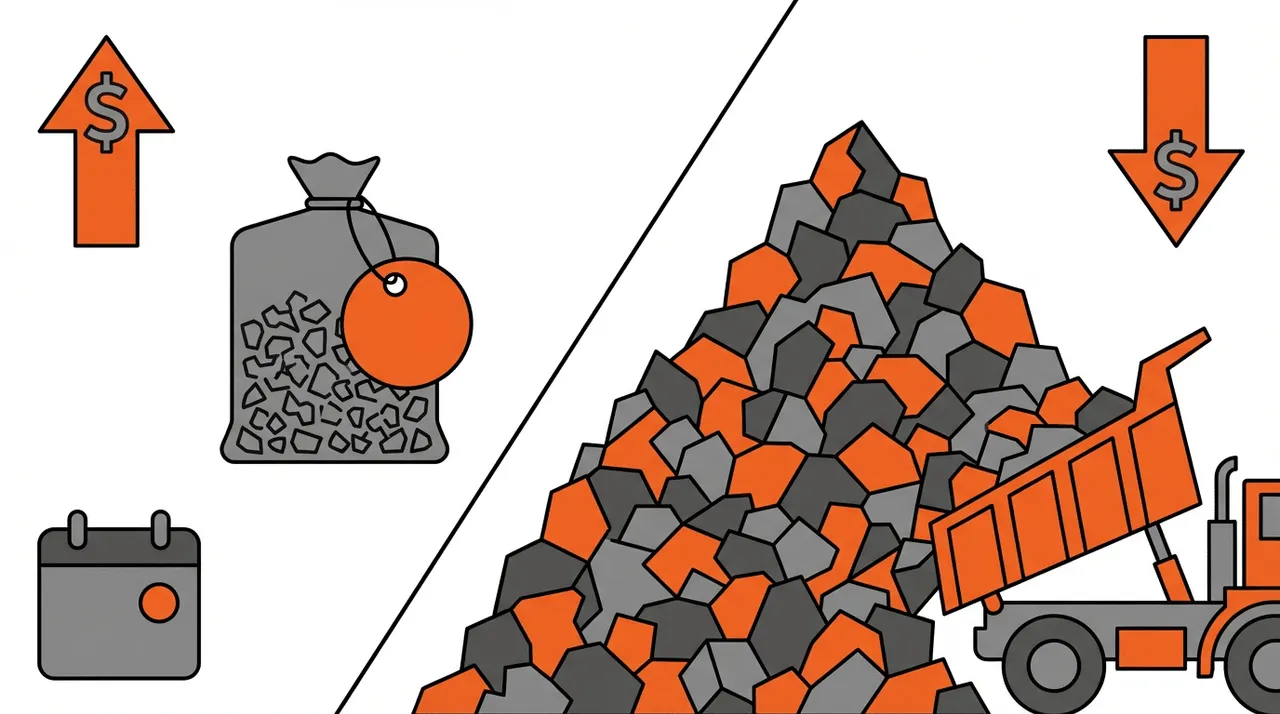
When you’re planning a driveway installation or landscaping project, buying gravel in bulk can save you 30-50% compared to bagged alternatives. Bulk gravel purchasing offers significant cost advantages, environmental benefits, and practical conveniences that make it the smart choice for medium to large projects.
Quick Answer: Bulk gravel costs between $20-60 per cubic yard depending on type and location, while bagged gravel can cost $400-600 for equivalent coverage that bulk provides for $160-240.
Whether you’re a DIY homeowner, landscaper, contractor, or municipality managing projects, understanding the advantages of bulk purchasing will help you make informed decisions that save money and streamline your workflow. You’ll discover why bulk buying makes financial sense, how it benefits the environment, and what practical advantages it offers for your specific needs.
About Hello Gravel
Hello Gravel delivers bulk gravel, rock, dirt, and sand by the ton. Enter your ZIP code to see prices with delivery included. A local dump-truck driver places the load where access is safe; spreading is not included.
Understanding gravel types and bulk purchasing basics
Before diving into the benefits, you need to understand what bulk gravel purchasing actually means. Bulk gravel refers to loose stone aggregate sold in large quantities, typically measured in cubic yards rather than individual bags. This approach eliminates packaging costs and allows you to purchase exactly the amount needed for your project.
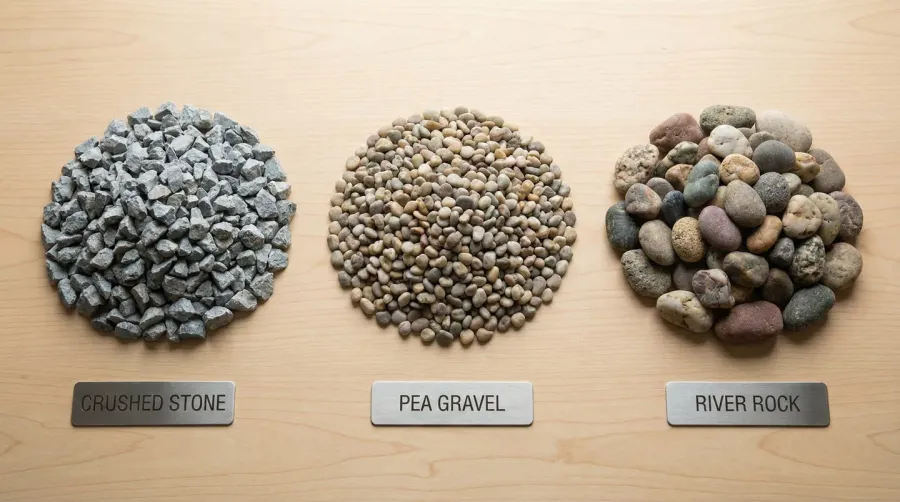
The most common gravel types for bulk purchase include crushed stone, which features angular edges that lock together when compacted, making it perfect for driveways and walkways. Pea gravel offers smooth, rounded stones ideal for decorative pathways and garden beds. River rock provides natural beauty for landscaping applications, while sand and fill dirt combine with gravel for solid foundation work. These construction aggregates serve various residential and commercial applications, from drainage projects to large-scale construction work.
When suppliers sell gravel in bulk, they typically offer their best rates for orders of 10 tons or more, though many companies like Hello Gravel specialize in transactions of 500 tons or more while still accommodating smaller orders. You’ll often see price breaks at 5 tons, 10 tons, and 20+ tons, making larger projects increasingly cost-effective. Most suppliers measure bulk gravel by cubic yards, with one cubic yard covering approximately 100 square feet at 3 inches deep.
Cost savings that make bulk purchasing worthwhile
The financial advantages of buying gravel in bulk become clear when you compare costs directly.
When you eliminate packaging costs through bulk purchasing, suppliers pass these savings directly to you. For a typical 400 square foot driveway requiring 4 cubic yards of gravel, bulk purchasing costs approximately $160-240 compared to $400-600 for equivalent bagged material. This represents savings of 40-60% on material costs alone. Understanding how much a yard of gravel costs can help you better estimate your project budget.
Money-Saving Tip: Suppliers often negotiate better deals for bulk orders, offering additional discounts or incentives that further reduce your total project cost. Companies with optimized supply chains can avoid the traditional hassle of calling around for price sheets, providing transparent pricing upfront.
Beyond immediate savings, bulk purchasing provides long-term financial benefits. You can stock up on gravel for future projects, eliminating multiple trips and transportation costs. Having a ready supply also protects you from price fluctuations, as gravel costs per ton can vary based on market conditions and seasonal demand.
Environmental advantages of choosing bulk over bags
Your choice to buy gravel in bulk creates positive environmental impact that extends beyond your project. Each year, millions of plastic bags from individual gravel purchases end up in landfills, taking hundreds of years to decompose. By choosing bulk delivery, you significantly reduce packaging waste and support sustainable practices.
The transportation benefits are equally important. Bulk purchasing means fewer delivery trips, which translates to lower emissions and reduced air pollution. A single bulk delivery can replace multiple trips that would be required for bagged materials, cutting your project’s carbon footprint substantially. With nationwide delivery capabilities and optimized logistics, modern aggregate suppliers can deliver materials efficiently across all 50 states.
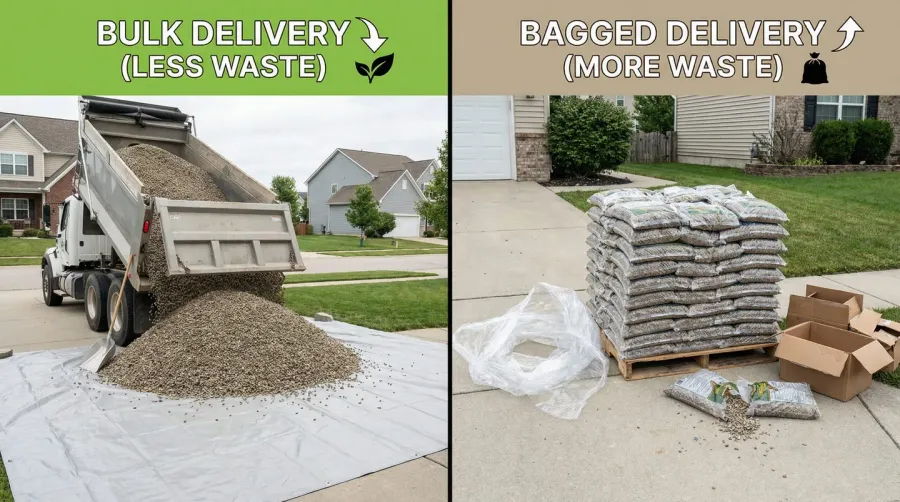
When you work with reliable suppliers who can deliver large quantities efficiently, you contribute to reducing greenhouse gas emissions while meeting your project needs. This environmental consciousness aligns with growing awareness about sustainable construction and landscaping practices.
Practical benefits that improve your project experience
Having gravel delivered in bulk offers convenience and efficiency that individual bag purchases simply cannot match. Large-scale projects often require substantial quantities of gravel, and bulk gravel delivery ensures uninterrupted workflow without pausing operations to purchase additional materials.
The time savings alone make bulk purchasing attractive. Instead of making multiple store trips to buy individual bags, you receive everything delivered at once. Modern ordering systems allow you to order in minutes online with no endless quote chains or phone tag, making the process streamlined from start to finish. This convenience proves especially valuable for contractors managing multiple jobs or homeowners working on extensive landscaping projects. For those comparing options, understanding the cost of a bag of gravel versus bulk pricing makes the decision clear.
| Purchase Method | Coverage (sq ft) | Time Investment | Total Cost Range |
|---|---|---|---|
| Bulk Delivery | 400 | 1 delivery | $160-240 |
| Bagged Purchase | 400 | Multiple trips | $400-600 |
Storage considerations become important when buying in bulk, but proper planning makes this manageable. You’ll need adequate space for storing gravel and easy access for handling when using it in your projects. Most suppliers can advise on storage requirements and help you plan delivery logistics, with many offering delivery in as little as 2 business days with proper scheduling.
Quality control improves with bulk purchasing since you can inspect materials before purchase and ensure consistent sizing throughout your project. Reputable suppliers allow you to examine samples or visit their yards, giving you confidence in your material choice. When selecting a supplier, consider reading about choosing the best gravel supply company for your needs.
Planning Tip: Calculate your total project needs carefully and consider future applications to maximize bulk purchasing benefits and minimize waste. Online material calculators can help determine cubic yards or tons needed based on your project measurements.
Choosing bulk gravel purchasing delivers measurable benefits across cost, environmental impact, and project convenience. The 30-50% cost savings, reduced environmental footprint, and streamlined project workflow make bulk buying the smart choice for any significant gravel application. When you factor in long-term savings and the convenience of having materials ready when needed, bulk purchasing proves its value for both immediate projects and future planning.
FAQ
How much does bulk gravel cost compared to bagged gravel?
Bulk gravel typically costs between $20-60 per cubic yard depending on the type and location, while bagged gravel can cost $400-600 for equivalent coverage that bulk provides for $160-240. This represents savings of 30-50% when buying in bulk, making it significantly more cost-effective for medium to large projects.
What are the minimum order requirements for bulk gravel delivery?
Most suppliers offer their best rates for orders of 10 tons or more, with price breaks typically available at 5 tons, 10 tons, and 20+ tons. Some companies specialize in larger transactions of 500 tons or more but can accommodate smaller orders as well. The larger your order, the more cost-effective the per-unit price becomes. Whatever the size, an order placed before noon on a weekday is delivered the next business day.
How do I calculate how much bulk gravel I need for my project?
Bulk gravel is typically measured in cubic yards, with one cubic yard covering approximately 100 square feet at 3 inches deep. For example, a 400 square foot driveway would require about 4 cubic yards of gravel. To calculate your needs, multiply length × width × depth (in feet), then divide by 27 to get cubic yards. Many suppliers offer online material calculators to help determine the exact amount needed based on your project measurements.
What are the environmental benefits of buying gravel in bulk?
Bulk gravel purchasing significantly reduces packaging waste by eliminating plastic bags that take hundreds of years to decompose. It also reduces transportation emissions since a single bulk delivery can replace multiple trips required for bagged materials, cutting your project’s carbon footprint and supporting more sustainable construction practices.
Materials for this project
Get it delivered — dumped where you need it
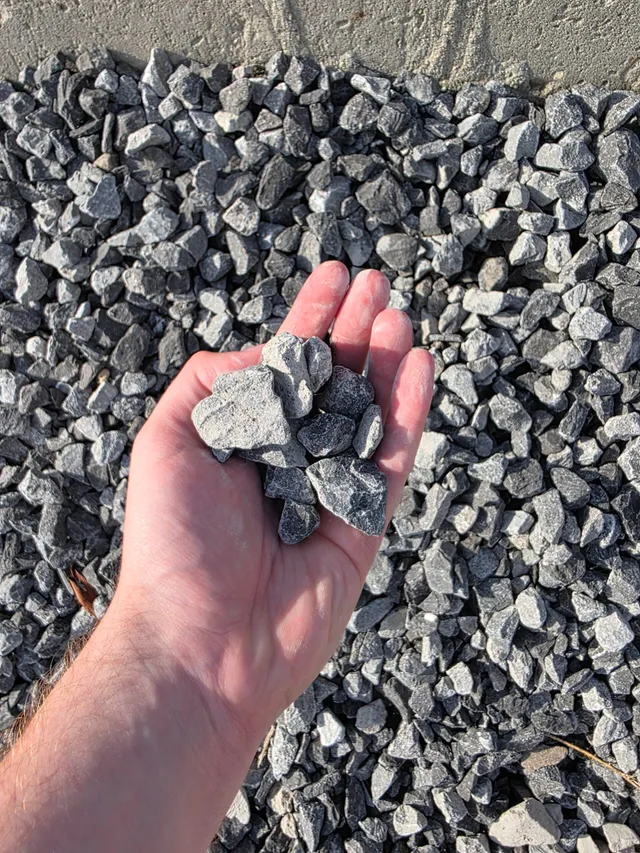
Driveway Gravel
Driveways & Parking areas
See delivered price
View product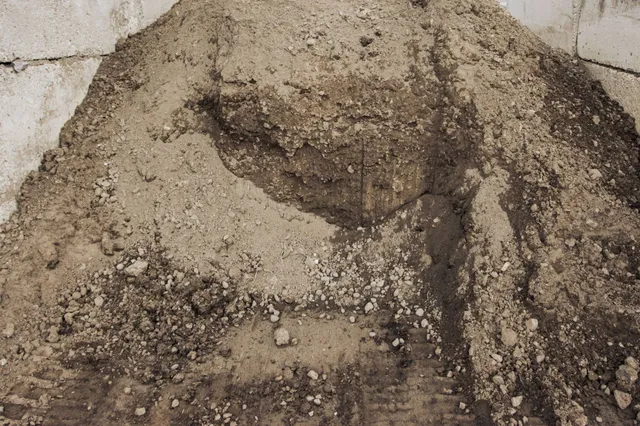
Fill Dirt
Grading & Backfill
See delivered price
View product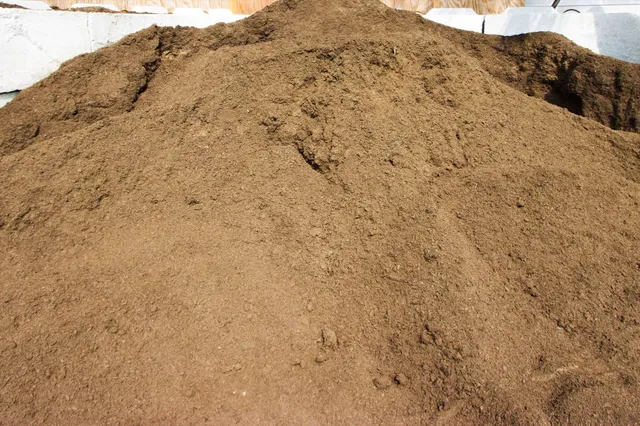
Topsoil
Lawn establishment & Garden beds
See delivered price
View product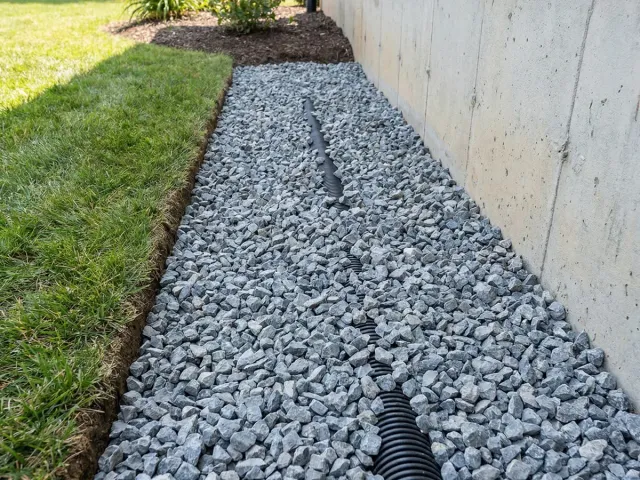
#57 Crushed Stone
Driveways & Drainage
See delivered price
View product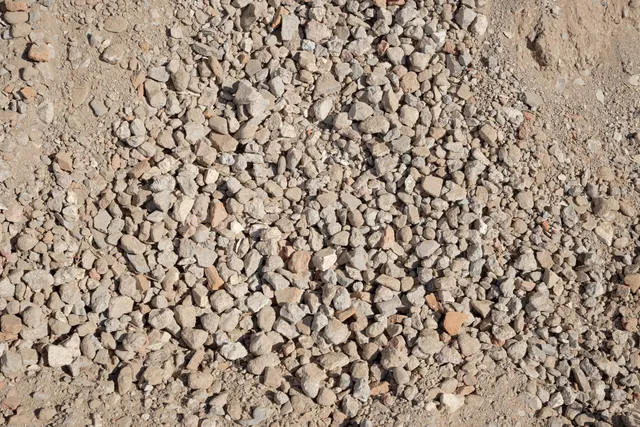
Road Base
Driveway base & Road construction
See delivered price
View product