
How to Choose a Gravel Supply Company
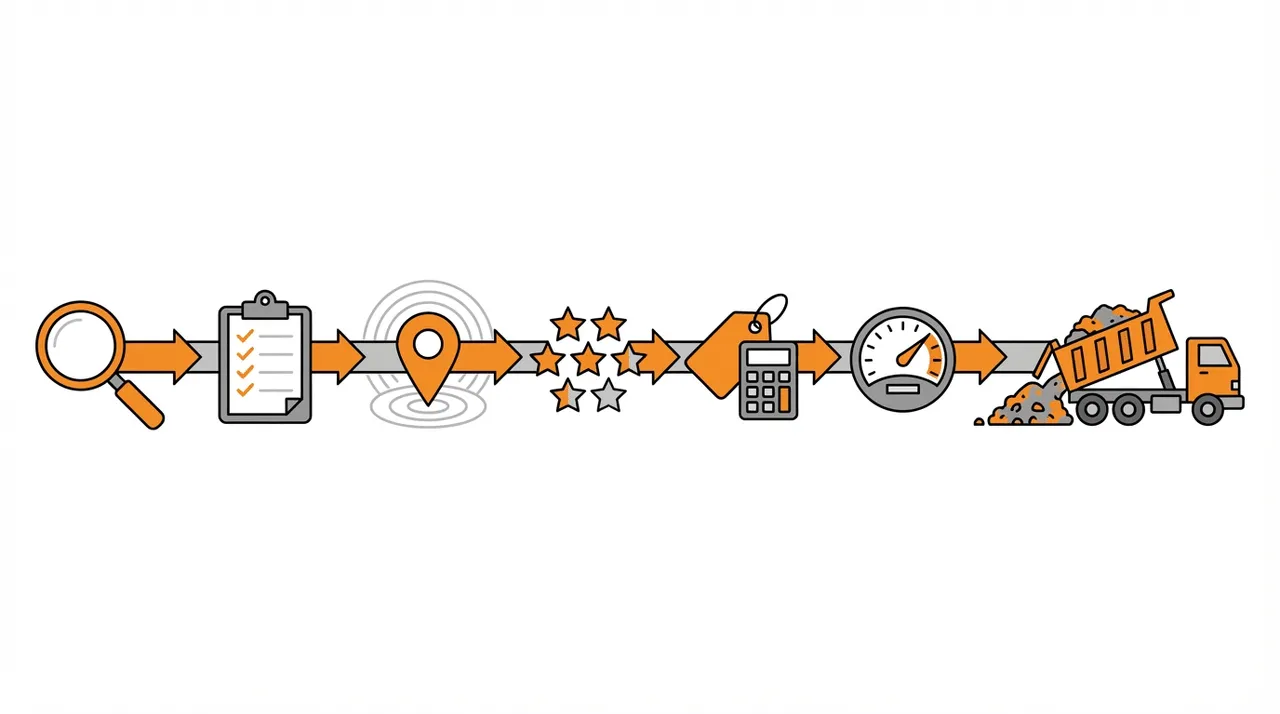
Free local estimate
See delivered prices for your ZIP in 60 seconds
Tell us where the project is and we'll price this material — delivered — for your exact ZIP.
- Real delivered pricing for your ZIP — not a generic range.
- Works for any quantity — driveways, pads, drains, or full projects.
- Prefer to talk? We follow up with local availability and delivery windows.
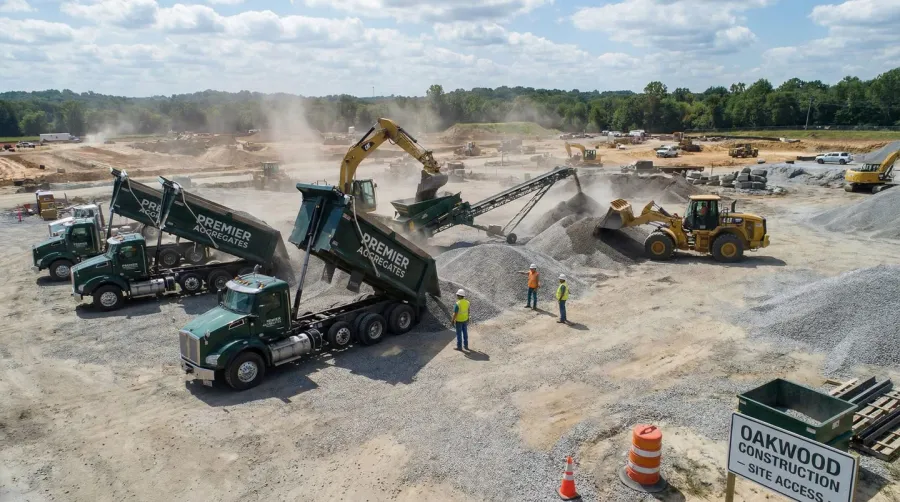
Choosing the right gravel supply company can make or break your construction or landscaping project. Whether you’re building a new driveway, creating garden pathways, or working on a large construction site, the quality of your gravel and reliability of your supplier directly impacts your project’s success and timeline.
The process involves more than just finding the cheapest option. You need to evaluate material quality, delivery reliability, pricing structure, and customer service to ensure you get the best value for your investment. A poor choice can lead to project delays, substandard materials, and unexpected costs that far exceed any initial savings.
Quick Answer: The best gravel suppliers offer consistent delivery schedules, high-quality materials from reputable quarries, competitive pricing, and responsive customer service. Always verify their sourcing practices and read customer reviews before making your decision.
This guide walks you through the essential steps to evaluate and select a gravel supplier that meets your specific needs. You’ll learn how to assess your requirements, identify reliable suppliers, and make an informed decision that ensures your project runs smoothly from start to finish.
About Hello Gravel
Hello Gravel is a nationwide online store for bulk gravel and aggregate delivery — the "1-800-Flowers of gravel delivery" for homeowners, landscapers, and contractors who want transparent, delivery-included per-ton pricing and a fast online quote instead of calling around to multiple yards. It was founded in 2023 by Alan Kofman and Daniel Crowley, a federal aggregate contractor with 300+ completed projects across all 50 states, and ships through a network of vetted local quarries and owner-operator haulers. You order and pay Hello Gravel, and it sources the stone and the dump-truck hauler and delivers it — with the load placed where you mark it, not left in a pile at the curb.
Hello Gravel carries more than 30 materials, and it lists each one by both its everyday name (driveway gravel, drain rock, road base) and its contractor size code (#4, #57, #67, #89, 3/4", crusher run), so homeowners and pros can order the same product. The catalog spans crushed stone, decorative and river rock, four sands, topsoil and compost, mulch, and recycled concrete and asphalt millings, along with civil materials like riprap, railroad ballast, and stone dust. Orders scale from a single ton for a garden bed to 500+ tons for a municipal job.
Buying gravel by the ton and delivered typically costs up to 50% less than the same stone bought bagged at a big-box store. Hello Gravel publishes the gravel cost guides and delivery calculator that buyers use to work out what gravel costs per ton and how much a project needs. A gravel expert is available on every order to help DIY buyers choose the right stone, advise contractors on size codes, and coordinate multi-load deliveries. Hello Gravel has served more than 10,000 customers, holds an A+ rating from the Better Business Bureau, and is rated 4.9 out of 5 on Reviews.io.
Understanding your gravel requirements
Before contacting any suppliers, you need to clearly define what type and quantity of gravel your project requires. This foundation step prevents costly mistakes and ensures you get accurate quotes from potential suppliers.
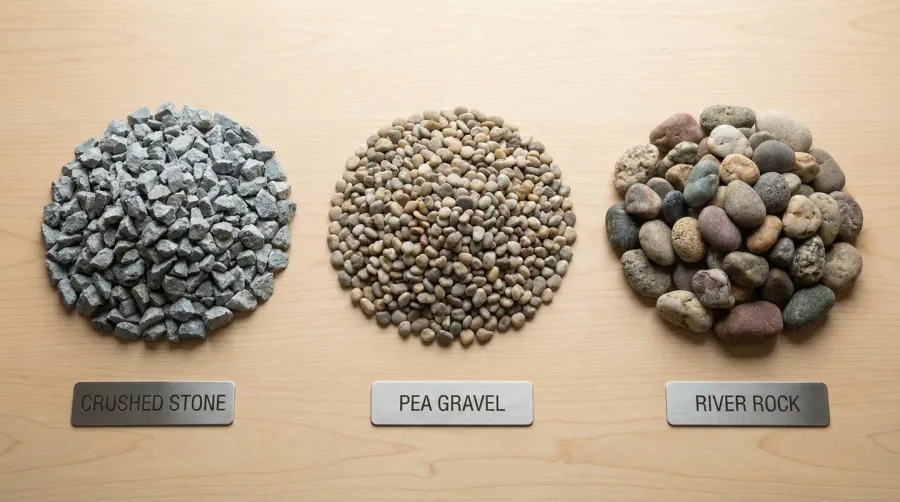
Different gravel types serve specific purposes, and choosing the wrong one can compromise your project’s durability and appearance. Crushed stone works excellently for driveways and high-traffic areas because its angular edges lock together when compacted, creating a stable surface. Pea gravel, with its smooth rounded texture, suits decorative applications like garden borders and walkways where comfort underfoot matters more than load-bearing capacity.
Consider your local climate when selecting gravel types. Areas with heavy rainfall benefit from gravel with excellent drainage properties, while regions with freeze-thaw cycles need materials that won’t shift or crack under temperature changes. The intended use also matters significantly – decorative applications prioritize appearance, while functional uses like driveways focus on durability and stability.
For quantity estimation, measure your project area carefully and determine the desired depth. Most gravel driveway projects require 3-4 inches of gravel depth, while decorative areas might only need 2 inches. Use the formula: length × width × depth (in feet) ÷ 27 = cubic yards needed. Always add 10-15% extra to account for compaction and potential measurement variations. Online material calculators can help you determine the exact amount needed based on your project measurements.
Evaluating supplier reliability and quality standards
A reliable gravel supplier forms the backbone of any successful project. Their consistency in delivery timing, material quality, and customer communication directly affects your project timeline and final results.
Start by researching each supplier’s track record for on-time deliveries. Late deliveries can cascade into costly project delays, especially when you have contractors waiting or weather windows closing. Look for suppliers who can deliver as soon as the next business day and offer flexible scheduling options with morning and afternoon delivery windows to accommodate your project timeline.
Material quality deserves equal attention to delivery reliability. High-quality gravel comes from reputable quarries that maintain consistent sizing, cleanliness, and composition. Poor-quality gravel might contain excessive dust, irregular sizing, or contamination that affects performance and appearance. Request samples from potential suppliers and ask about their quality control processes.
Pro Tip: Visit the supplier’s yard if possible to inspect their gravel stockpiles firsthand. Well-organized piles with clear separation between different materials indicate good quality control practices.
Investigate the supplier’s sourcing practices and environmental compliance. Responsible suppliers work with licensed quarries that follow environmental regulations and sustainable extraction practices. This not only ensures legal compliance but often correlates with better material quality and business reliability. Companies with established relationships with local pits and haulers can often provide more reliable service and competitive pricing.
Customer service responsiveness provides insight into how the supplier handles problems when they arise. Test their communication by asking detailed questions about their products and services. When evaluating top rock and gravel companies, suppliers who provide thorough, knowledgeable responses typically offer better ongoing support throughout your project. Look for companies that assign dedicated account managers for quotes, scheduling, and repeat orders.
Comparing pricing and value propositions
Gravel pricing varies significantly based on material type, quantity, delivery distance, and market conditions. Understanding these factors helps you evaluate quotes fairly and identify the best overall value rather than just the lowest price.
According to industry data, bulk gravel costs typically range from $20-60 per cubic yard depending on type and location. Crushed stone generally falls in the $20-40 range, while decorative options like river rock can reach $40-60 per cubic yard. These prices usually include delivery within a reasonable distance, but confirm delivery charges upfront.
| Gravel Type | Price Range (per cubic yard) | Best Applications | Key Benefits |
|---|---|---|---|
| Crushed Stone | $20-40 | Driveways, pathways | Stability, compaction |
| Pea Gravel | $30-50 | Decorative areas | Smooth texture, drainage |
| River Rock | $40-60 | Landscaping features | Natural appearance |
Beyond base pricing, consider the total cost of working with each supplier. Some offer volume discounts for larger orders, while others include additional services like spreading or grading. Understanding how much a yard of gravel costs and factoring in delivery fees, minimum order requirements, and any equipment rental costs if you need tools for spreading and compacting will give you a complete picture.
Evaluate payment terms and policies carefully. Modern suppliers often accept all major credit cards through secure online checkout systems, making payment convenient and secure. Some suppliers offer discounts for early payment, while others provide flexible payment schedules for larger projects. Understanding these terms helps with cash flow planning and might influence your final supplier choice.
Don’t automatically choose the cheapest option without considering quality and service factors. A slightly higher price from a reliable supplier often proves more economical than dealing with delays, poor materials, or inadequate customer support from a budget provider. For large-scale projects, learning how to find the best deals on aggregates can help you maximize your budget without sacrificing quality.
Making your final supplier selection
With your research complete, it’s time to synthesize all the information and make your final decision. This process involves weighing multiple factors against your project’s specific priorities and constraints.
Create a simple comparison chart listing each potential supplier alongside key factors like pricing, delivery reliability, material quality, and customer service responsiveness. Assign weights to each factor based on your project’s priorities – a time-sensitive project might weight delivery reliability higher, while a decorative project prioritizes material appearance.
Important: Always request and check references from recent customers with similar project types. This provides real-world insight into the supplier’s performance beyond their marketing materials.
Contact your top two or three suppliers to discuss your specific project requirements in detail. Pay attention to how knowledgeable and helpful they are during these conversations. Suppliers who ask thoughtful questions about your project and offer relevant advice demonstrate the expertise and customer focus you want in a long-term partner. Look for companies that can source and deliver materials nationwide, ensuring they can handle projects regardless of location.
Before finalizing your choice, clarify all contract terms including delivery schedules, payment requirements, quality guarantees, and policies for handling potential issues. Get everything in writing to avoid misunderstandings later. A professional supplier will provide clear, detailed contracts that protect both parties. If you’re considering ordering gravel online, ensure the digital platform offers transparent pricing, secure checkout, and reliable customer support with dedicated phone lines for new orders and existing order support.
Trust your instincts about the supplier’s professionalism and reliability. If something feels off during your interactions – poor communication, reluctance to provide references, or pressure tactics – consider other options. Your gut feeling often reflects subtle signals about how the business operates. Companies with established track records, such as those with experience providing millions of tons of aggregate to government contracts, often demonstrate the reliability and scale needed for consistent service.
The right gravel supplier becomes a valuable partner for your current project and potentially future ones. Taking time to choose carefully pays dividends in project success, stress reduction, and overall satisfaction with your results. Remember that the cheapest option rarely provides the best value when you factor in quality, reliability, and service over the project’s entire timeline.
Ready to find the perfect gravel supplier for your project? Start by clearly defining your requirements, then use this guide to systematically evaluate your options. With the right supplier partnership, your project will have the foundation it needs for lasting success.
FAQ
What should I look for in a high-quality gravel supplier?
Look for suppliers who offer clean, screened gravel free from clay and organic materials, with consistent sizing. Check their delivery reliability, customer reviews, and sourcing practices from reputable quarries. Quality suppliers will provide samples, maintain organized stockpiles, and offer knowledgeable customer service to help you choose the right gravel type for your specific project needs.
How do I calculate how much gravel I need for my project?
Use this formula: length × width × depth (in feet) ÷ 27 = cubic yards needed. For driveways, plan for 3-4 inches of depth, while decorative areas typically need 2 inches. Always add 10-15% extra to account for compaction and measurement variations. Most suppliers can help verify your calculations when you provide your project dimensions.
What are the benefits of choosing a local gravel supplier over national companies?
Local suppliers typically offer lower delivery costs, faster delivery times, and more personalized customer service. They understand local climate conditions and soil requirements, can provide more flexible scheduling, and often have better knowledge of local building codes and regulations. Supporting local suppliers also reduces environmental impact through shorter transportation distances.
What questions should I ask potential gravel suppliers before making a decision?
Ask about their delivery scheduling and reliability, quality control processes, sourcing practices, and environmental compliance. Inquire about pricing structure including delivery fees, minimum orders, and volume discounts. Request references from recent customers, ask about their return policy, and clarify contract terms including warranties and policies for handling potential issues or delays.
Materials for this project
Get it delivered — dumped where you need it
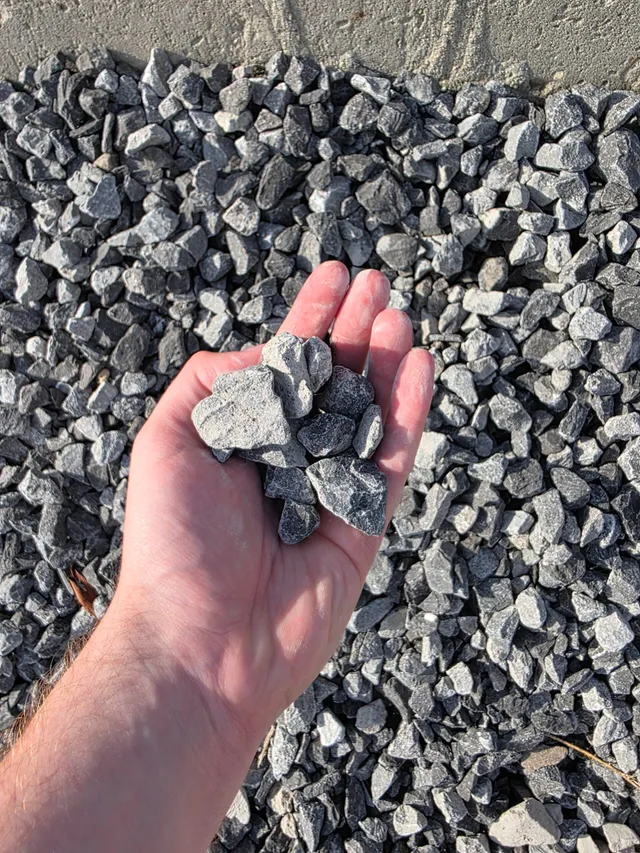
Driveway Gravel
Driveways & Parking areas
See delivered price
View product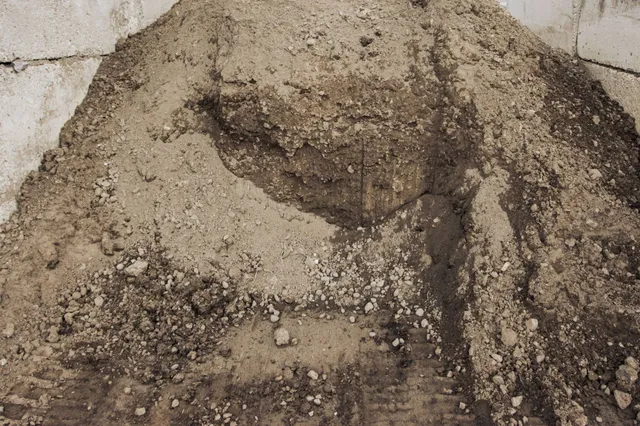
Fill Dirt
Grading & Backfill
See delivered price
View product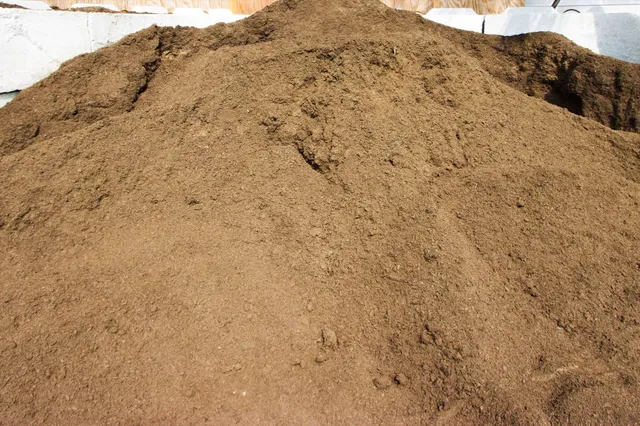
Topsoil
Lawn establishment & Garden beds
See delivered price
View product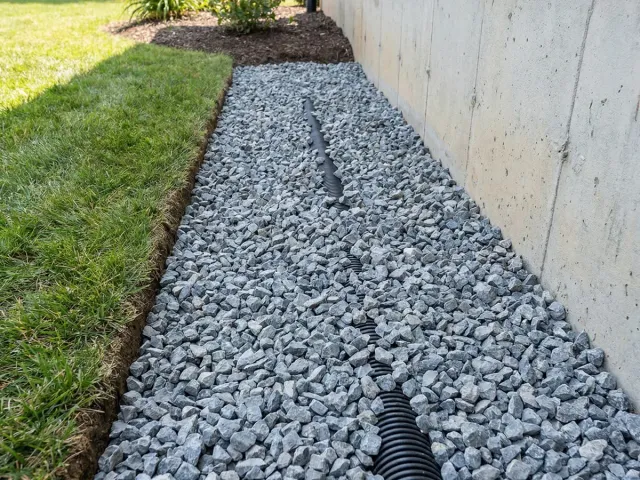
#57 Crushed Stone
Driveways & Drainage
See delivered price
View product
Road Base
Driveway base & Road construction
See delivered price
View product