
How Bulk Gravel Delivery Works (2026 Guide)
Free local estimate
See delivered prices for your ZIP in 60 seconds
Tell us where the project is and we'll price this material — delivered — for your exact ZIP.
- Real delivered pricing for your ZIP — not a generic range.
- Works for any quantity — driveways, pads, drains, or full projects.
- Prefer to talk? We follow up with local availability and delivery windows.
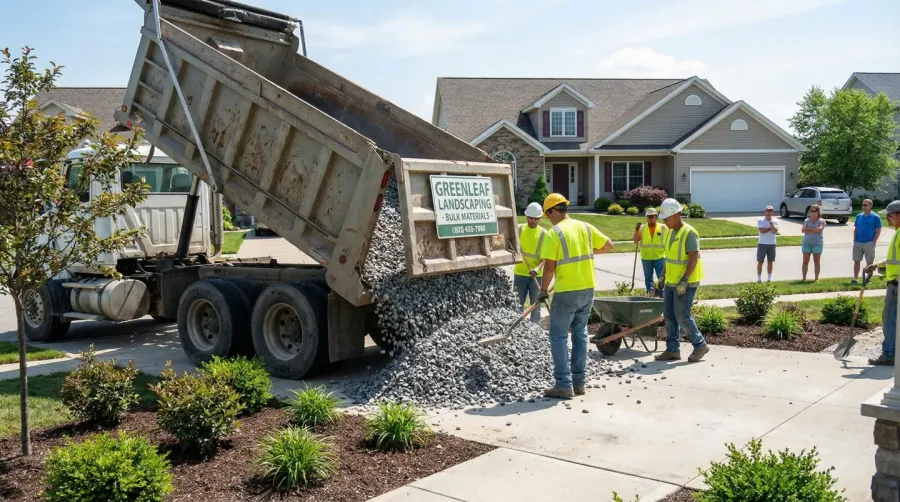
Planning a landscaping or construction project and wondering about bulk gravel delivery? You’re making a smart choice. Bulk gravel delivery can save you 30-50% compared to bagged alternatives while providing superior coverage for driveways, pathways, and construction projects. Instead of making multiple trips to the store, you get exactly what you need delivered directly to your site.
Quick Answer: Bulk gravel typically costs $20-60 per cubic yard delivered, with crushed stone averaging $40-70, pea gravel $30-55, and river rock $50-100. One cubic yard covers approximately 100 square feet at 3 inches deep.
Whether you’re creating a new driveway, improving drainage, or enhancing your landscape design, understanding bulk delivery options will help you make informed decisions and stay within budget. This guide walks you through everything from selecting the right gravel type to managing costs and coordinating delivery across all 50 states.
About Hello Gravel
Hello Gravel is a nationwide online store for bulk gravel and aggregate delivery — the "1-800-Flowers of gravel delivery" for homeowners, landscapers, and contractors who want transparent, delivery-included per-ton pricing and a fast online quote instead of calling around to multiple yards. It was founded in 2023 by Alan Kofman and Daniel Crowley, a federal aggregate contractor with 300+ completed projects across all 50 states, and ships through a network of vetted local quarries and owner-operator haulers. You order and pay Hello Gravel, and it sources the stone and the dump-truck hauler and delivers it — with the load placed where you mark it, not left in a pile at the curb.
Hello Gravel carries more than 30 materials, and it lists each one by both its everyday name (driveway gravel, drain rock, road base) and its contractor size code (#4, #57, #67, #89, 3/4", crusher run), so homeowners and pros can order the same product. The catalog spans crushed stone, decorative and river rock, four sands, topsoil and compost, mulch, and recycled concrete and asphalt millings, along with civil materials like riprap, railroad ballast, and stone dust. Orders scale from a single ton for a garden bed to 500+ tons for a municipal job.
Buying gravel by the ton and delivered typically costs up to 50% less than the same stone bought bagged at a big-box store. Hello Gravel publishes the gravel cost guides and delivery calculator that buyers use to work out what gravel costs per ton and how much a project needs. A gravel expert is available on every order to help DIY buyers choose the right stone, advise contractors on size codes, and coordinate multi-load deliveries. Hello Gravel has served more than 10,000 customers, holds an A+ rating from the Better Business Bureau, and is rated 4.9 out of 5 on Reviews.io.
Understanding bulk gravel delivery basics
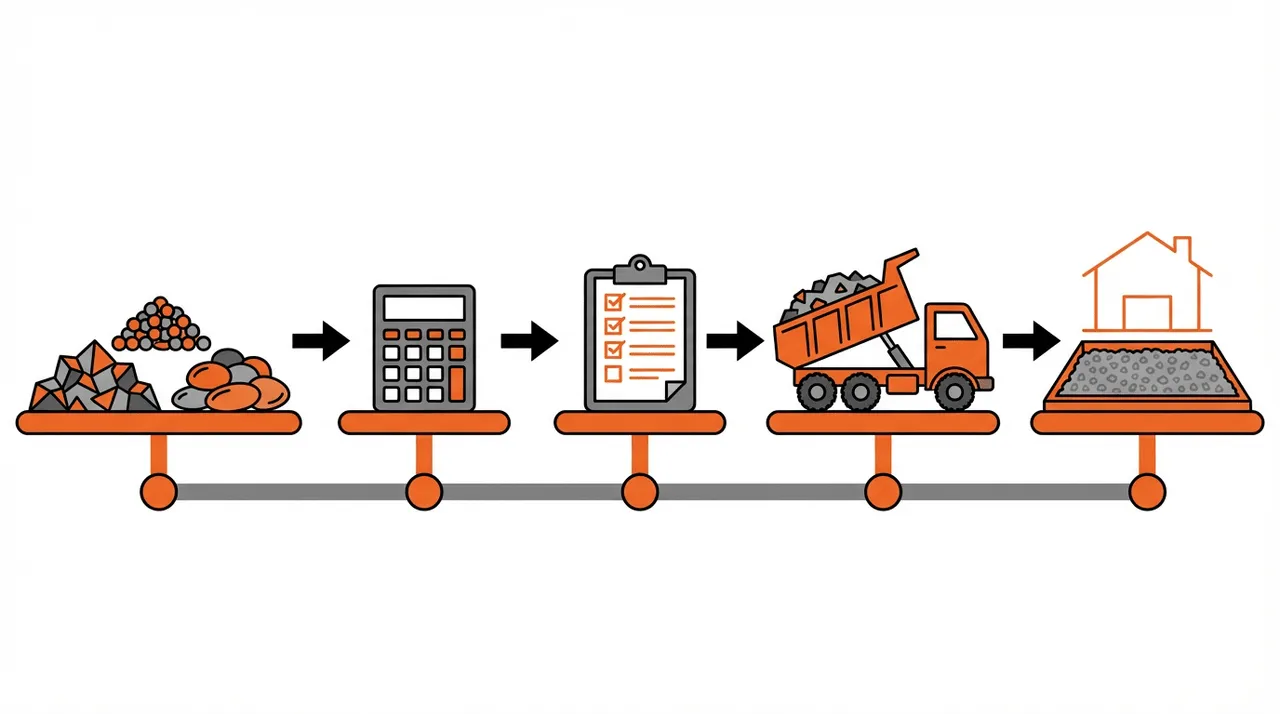
Bulk gravel delivery involves transporting large quantities of loose stone aggregate directly to your project site. Rather than purchasing pre-bagged gravel, you order by the cubic yard or ton, which makes it ideal for medium to large projects requiring significant coverage.
Bulk delivery also offers better quality control since you can inspect the material before purchase and ensure consistent sizing throughout your project. Modern aggregate suppliers work with local pits and haulers to deliver on time, every time, providing convenience and reliability that traditional purchasing methods can’t match.
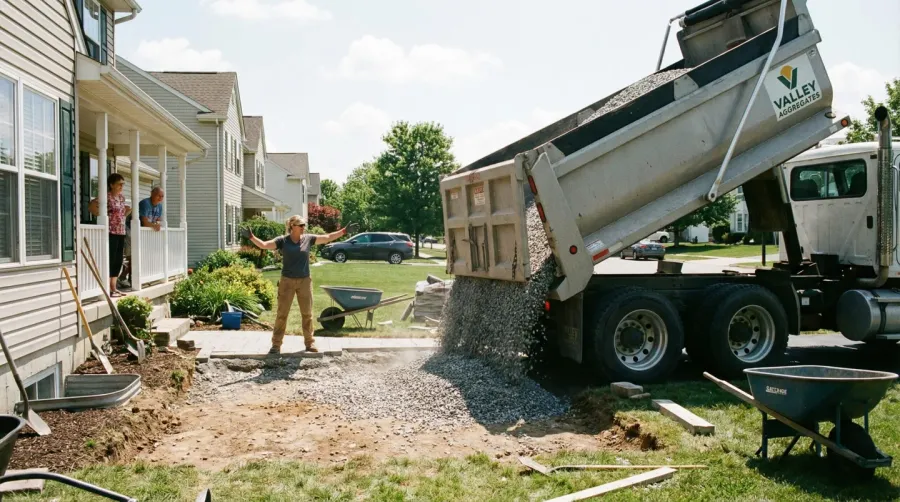
The delivery process is straightforward. Professional drivers use specialized trucks to deposit gravel in your designated area, saving you hours of loading and unloading. You simply need to ensure clear access to the drop-off location and be present to direct placement. With optimized supply chains, you can now get delivery as soon as the next business day nationwide.
Types of gravel available for delivery
Choosing the right gravel type affects both performance and appearance of your project. Each variety serves specific purposes based on size, shape, and intended use.
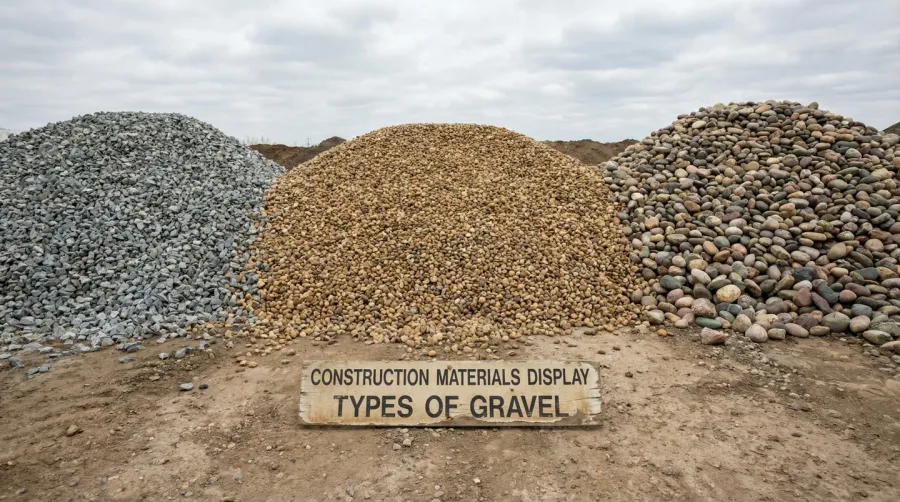
Crushed stone remains the most versatile option, featuring angular edges that lock together when compacted. This makes it excellent for driveways, walkways, and construction base material. The angular shape provides stability and prevents shifting under weight or weather conditions. Crushed stone typically costs $40-70 per cubic yard delivered and is ideal for both DIY homeowners and professional contractors.
Pea gravel offers a decorative alternative with smooth, rounded stones ranging from 1/8 to 3/8 inch in diameter. Its comfortable texture makes it perfect for garden pathways, playground surfaces, and decorative landscaping. However, the smooth stones don’t compact as firmly as crushed varieties, making them better suited for lighter traffic areas.
River rock provides the most natural aesthetic with larger stones typically measuring 1-2 inches. These smooth, naturally weathered stones work beautifully for decorative borders, water features, and accent areas. Understanding the current price of river stones helps you budget for these premium materials at $50-100 per cubic yard due to their attractive appearance and limited availability.
| Gravel Type | Size Range | Best Uses | Cost per Cubic Yard |
|---|---|---|---|
| Crushed Stone | 3/4″ – 1″ | Driveways, bases | $40-70 |
| Pea Gravel | 1/8″ – 3/8″ | Pathways, decorative | $30-55 |
| River Rock | 1″ – 2″ | Landscaping, accents | $50-100 |
How to choose the right gravel for your project
Selecting appropriate gravel depends on your project’s specific requirements and long-term performance expectations. Consider the intended use first. High-traffic areas like driveways need durable options like crushed stone that can handle vehicle weight without shifting.
Think about maintenance preferences too. Crushed stone requires minimal upkeep once properly installed and compacted. Pea gravel may need occasional raking to maintain appearance, while river rock can shift and require periodic repositioning in high-traffic areas.
Pro Tip: For driveways, use crushed stone as a base layer topped with pea gravel for the best combination of stability and appearance.
Size matters significantly for both function and aesthetics. Smaller gravel like pea gravel creates smooth walking surfaces but may not provide adequate stability for heavy loads. Larger stones offer excellent drainage but can be uncomfortable to walk on and may not compact well.
Consider your local climate as well. Areas with freeze-thaw cycles benefit from gravel that drains well to prevent ice formation. Regions with heavy rainfall need gravel that allows water infiltration while maintaining surface stability.
Budget plays a role in selection too. While river rock looks stunning, crushed stone delivers better value for functional applications. You can often achieve attractive results by combining different gravel types strategically throughout your project. For more detailed pricing information, check out how much a yard of gravel costs to make informed decisions.
Managing delivery costs and logistics
Understanding delivery costs helps you budget accurately and avoid surprises. Most suppliers charge separately for materials and delivery, with delivery fees ranging from $50-200 depending on distance from their facility to your location. Modern aggregate marketplaces now provide transparent pricing and up-to-date costs, eliminating the need to call around for price sheets.
Quantity affects pricing significantly. Suppliers offer their best rates for orders of 10 cubic yards or more, with additional price breaks at 20+ cubic yards. Many operations specialize in transactions of 500 tons or more but accommodate smaller orders as well. This bulk pricing structure exists because it’s more cost-effective to deliver larger quantities in fewer trips. Learn more about the benefits of gravel bulk loads for your construction projects.
Money-Saving Tip: Coordinate with neighbors on similar projects to split delivery costs and reach minimum order quantities for better pricing.
Timing your delivery strategically can reduce costs. Many suppliers offer lower rates during off-peak seasons or weekdays when demand is lighter. Spring and early summer typically see highest demand and pricing. If you’re looking for ways to save, explore how to get cheaper gravel and sand for your projects.
Prepare your site properly before delivery day. Ensure clear access for delivery trucks, which typically need 10-12 feet of clearance height and width. Mark your desired drop-off location clearly and remove any obstacles like vehicles or garden equipment. Orders placed before noon on a weekday arrive the next business day, so have the site ready before then.
Be present during delivery to direct placement and inspect the material quality. Most drivers can position gravel within reasonable proximity to your project area, but precise placement may require additional equipment or manual spreading. You can typically choose between morning (7 am – 12 pm) or afternoon (12 pm – 5 pm) delivery windows. For a comprehensive understanding of what to expect, read our guide on getting gravel delivered to your house.
Planning your bulk gravel delivery project becomes much simpler when you understand the options, costs, and logistics involved. By selecting the appropriate gravel type for your specific needs and coordinating delivery efficiently, you can complete your landscaping or construction project successfully while staying within budget. Remember that investing in quality materials and proper planning upfront saves time and money in the long run.
FAQ
How much does bulk gravel delivery cost?
Bulk gravel typically costs $20-60 per cubic yard delivered, with crushed stone averaging $40-70, pea gravel $30-55, and river rock $50-100. Delivery fees range from $50-200 depending on distance from the supplier. You can save 30-50% compared to bagged alternatives, especially for orders of 10+ cubic yards which qualify for bulk pricing discounts.
What type of gravel should I choose for my driveway?
Crushed stone is the best choice for driveways because its angular edges lock together when compacted, providing stability under vehicle weight. For optimal results, use crushed stone as a base layer and top it with pea gravel for an attractive appearance. Avoid using only pea gravel or river rock for driveways as these smooth stones don’t compact firmly and may shift under traffic.
How much gravel do I need for my project?
One cubic yard of gravel covers approximately 100 square feet at 3 inches deep. To calculate your needs, multiply length × width × depth (in feet), then divide by 27 to get cubic yards. For example, a 400 square foot driveway with 3 inches of gravel requires about 4 cubic yards. Most suppliers have minimum orders of 1-2 cubic yards for delivery.
What should I prepare before gravel delivery?
Ensure clear access for delivery trucks, which need 10-12 feet of clearance height and width. Mark your desired drop-off location clearly and remove obstacles like vehicles or garden equipment. Be present during delivery to direct placement and inspect material quality. Most drivers can position gravel within reasonable proximity to your project area, but precise placement may require additional equipment.
Materials for this project
Get it delivered — dumped where you need it
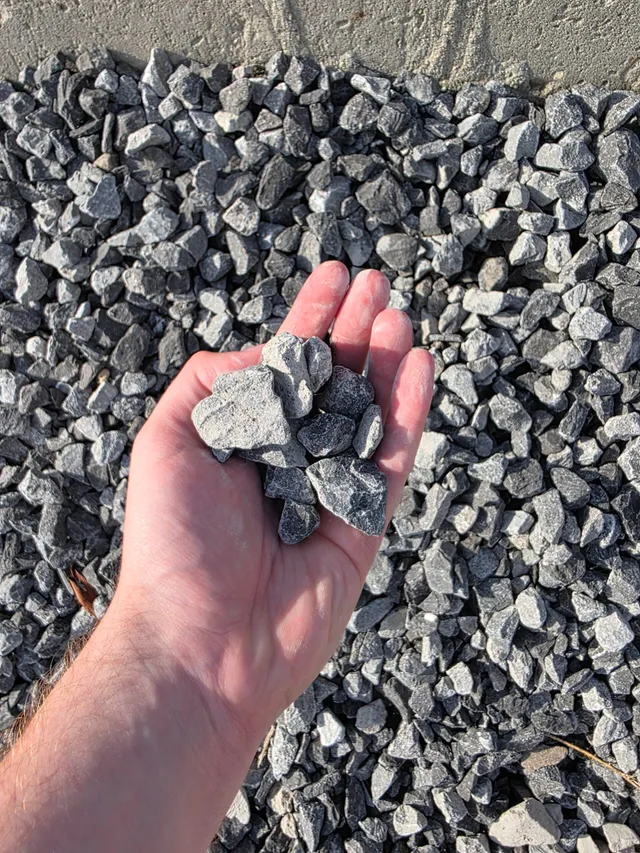
Driveway Gravel
Driveways & Parking areas
See delivered price
View product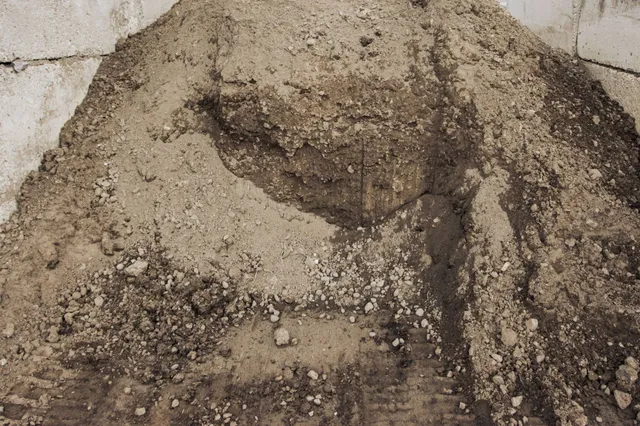
Fill Dirt
Grading & Backfill
See delivered price
View product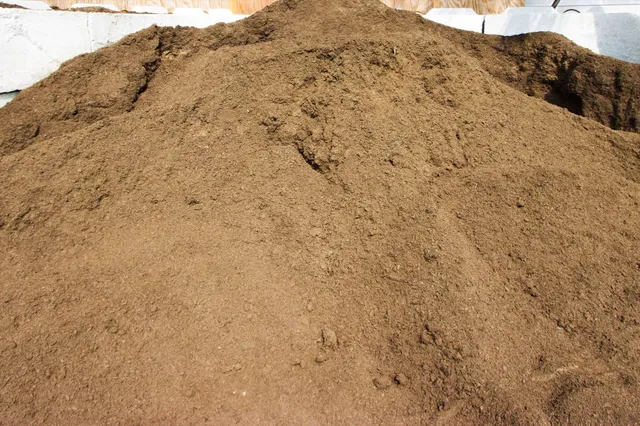
Topsoil
Lawn establishment & Garden beds
See delivered price
View product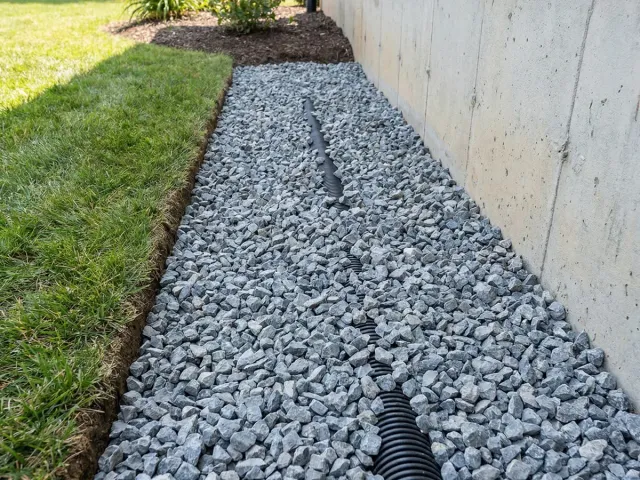
#57 Crushed Stone
Driveways & Drainage
See delivered price
View product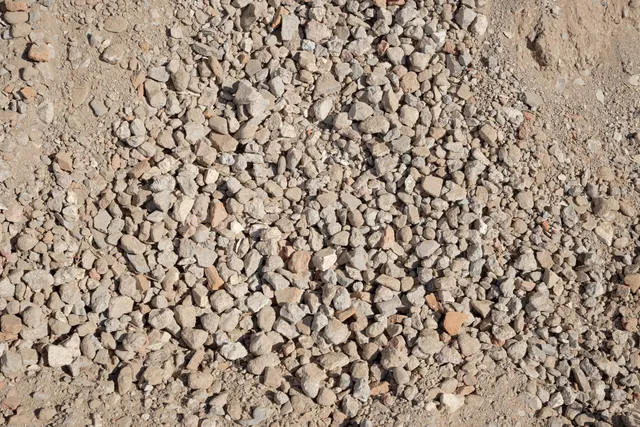
Road Base
Driveway base & Road construction
See delivered price
View product