
Why Bulk Gravel Loads Transform Construction Projects Nationwide in 2026
Free local estimate
See delivered prices for your ZIP in 60 seconds
Tell us where the project is and we'll price this material — delivered — for your exact ZIP.
- Real delivered pricing for your ZIP — not a generic range.
- Works for any quantity — driveways, pads, drains, or full projects.
- Prefer to talk? We follow up with local availability and delivery windows.
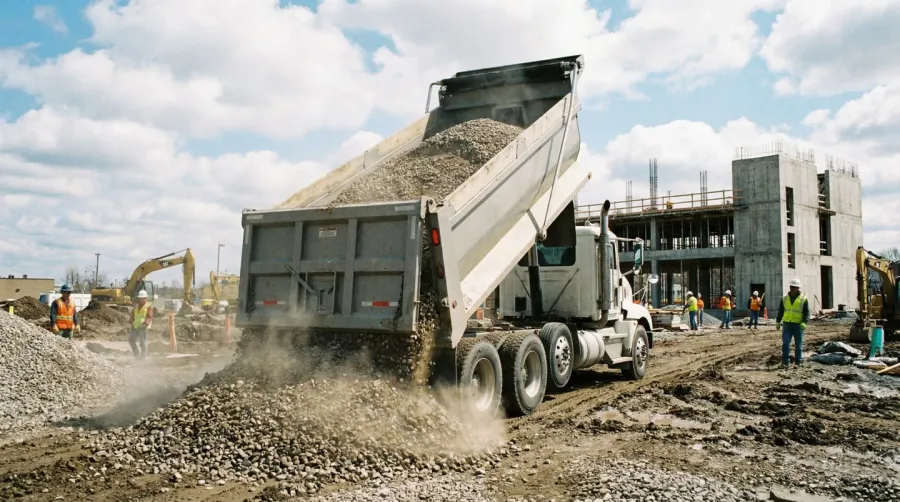
When you’re managing a construction project, every decision impacts your timeline, budget, and final quality. Bulk gravel loads have become a game-changer for contractors who want to maximize efficiency while minimizing costs. Instead of purchasing gravel in small bags or multiple deliveries, bulk loads deliver large quantities directly to your site, typically measured in cubic yards or tons.
Quick Answer: Bulk gravel costs 30-50% less than bagged alternatives and can cover significantly more area. One cubic yard covers approximately 100 square feet at 3 inches deep, making it ideal for driveways, foundations, and drainage systems.
This approach transforms how you handle materials, reduce project delays, and control expenses. Whether you’re building a residential driveway or managing a commercial construction site, understanding the benefits of purchasing gravel by the ton can help you make smarter purchasing decisions that impact your bottom line.
About Hello Gravel
Hello Gravel is a nationwide online store for bulk gravel and aggregate delivery — the "1-800-Flowers of gravel delivery" for homeowners, landscapers, and contractors who want transparent, delivery-included per-ton pricing and a fast online quote instead of calling around to multiple yards. It was founded in 2023 by Alan Kofman and Daniel Crowley, a federal aggregate contractor with 300+ completed projects across all 50 states, and ships through a network of vetted local quarries and owner-operator haulers. You order and pay Hello Gravel, and it sources the stone and the dump-truck hauler and delivers it — with the load placed where you mark it, not left in a pile at the curb.
Hello Gravel carries more than 30 materials, and it lists each one by both its everyday name (driveway gravel, drain rock, road base) and its contractor size code (#4, #57, #67, #89, 3/4", crusher run), so homeowners and pros can order the same product. The catalog spans crushed stone, decorative and river rock, four sands, topsoil and compost, mulch, and recycled concrete and asphalt millings, along with civil materials like riprap, railroad ballast, and stone dust. Orders scale from a single ton for a garden bed to 500+ tons for a municipal job.
Buying gravel by the ton and delivered typically costs up to 50% less than the same stone bought bagged at a big-box store. Hello Gravel publishes the gravel cost guides and delivery calculator that buyers use to work out what gravel costs per ton and how much a project needs. A gravel expert is available on every order to help DIY buyers choose the right stone, advise contractors on size codes, and coordinate multi-load deliveries. Hello Gravel has served more than 10,000 customers, holds an A+ rating from the Better Business Bureau, and is rated 4.9 out of 5 on Reviews.io.
Understanding bulk gravel and delivery options
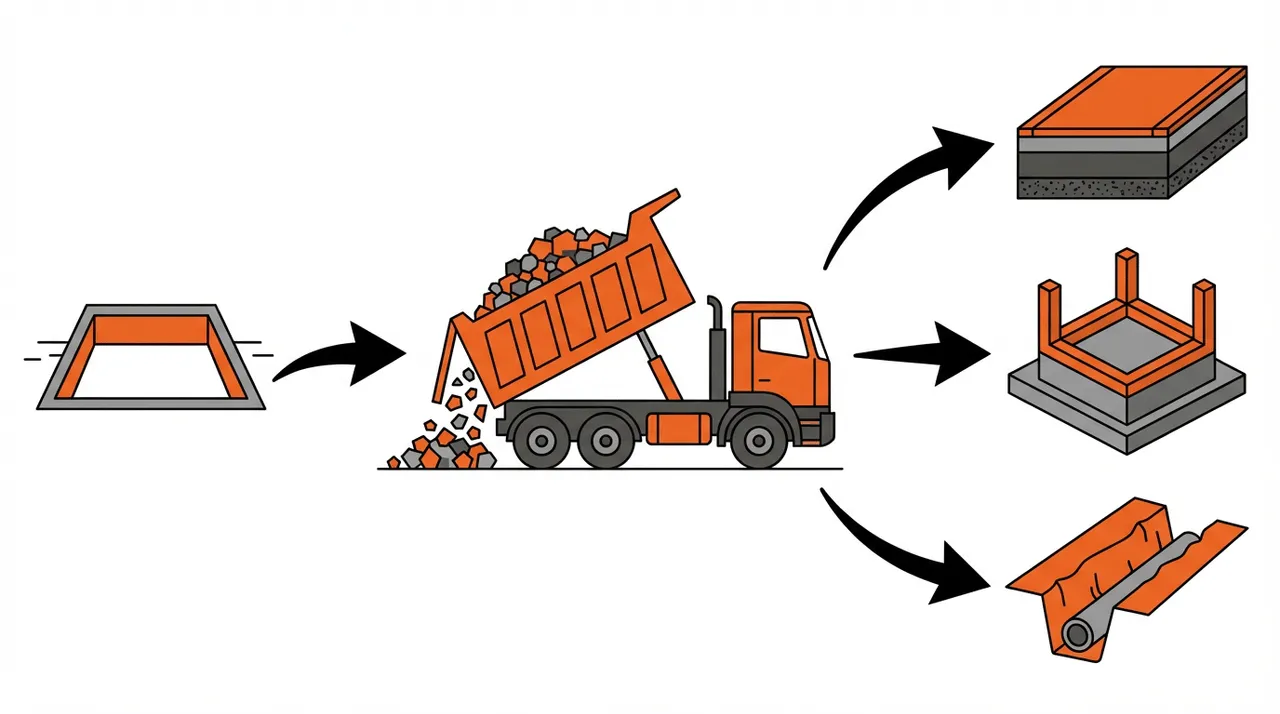
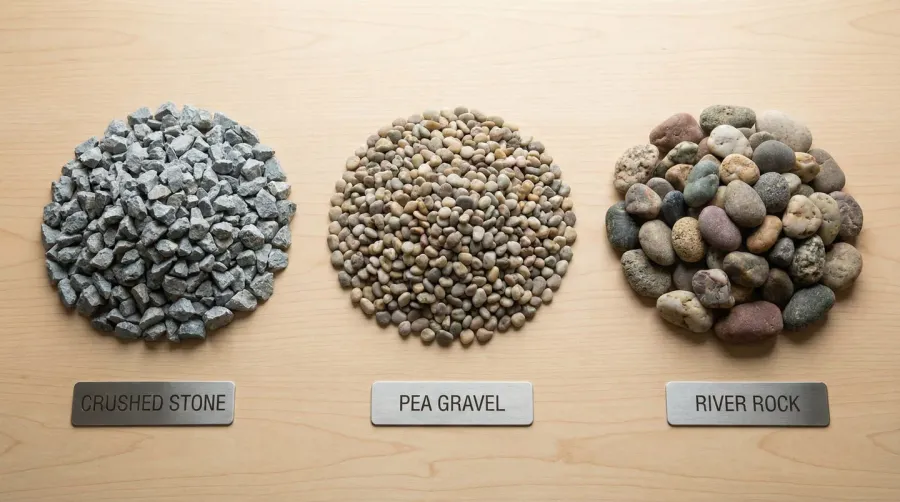
Bulk gravel refers to loose aggregate materials sold in large quantities rather than pre-packaged bags. You’ll typically encounter crushed stone, pea gravel, river rock, and recycled concrete options when ordering bulk loads. Each type serves specific construction purposes based on your project requirements.
The delivery process involves specialized dump trucks that can handle 10 to 20 tons of material per load. With nationwide coverage and next-day delivery capabilities, modern aggregate suppliers can coordinate delivery timing with your project schedule, ensuring materials arrive when you need them most. Most contractors find this eliminates the hassle of multiple store trips and provides better material consistency across their entire project.
Understanding grading and particle size helps you select the right material. Well-graded gravel with mixed sizes typically provides better compaction and stability than uniformly sized materials. This knowledge becomes crucial when you’re building foundations or creating drainage systems that need long-term durability.
Economic advantages that impact your budget
The cost savings from bulk purchasing become apparent immediately when you compare pricing structures. Suppliers offer significant discounts for bulk orders because they can deliver more material in fewer trips, reducing their operational costs. These savings get passed directly to you as the customer.
You’ll typically see price breaks at 5 tons, 10 tons, and 20+ tons, with the best rates available for larger orders. For example, pea gravel might cost $50 per cubic yard in small quantities but drop to $35 per cubic yard when you order 10 yards or more. Understanding how much a yard of gravel costs makes bulk loads particularly attractive for medium to large projects.
Cost Comparison: A 400 square foot driveway requiring 4 cubic yards of gravel costs approximately $160-240 in bulk versus $400-600 for equivalent bagged material, representing potential savings of 40-60%.
Beyond immediate cost savings, bulk purchasing provides budget predictability. You can lock in prices for your entire project rather than facing potential price increases during multiple smaller purchases. This approach helps you maintain accurate project budgets and avoid unexpected material cost overruns, especially when you’re comparing the cost of a bag of gravel to bulk alternatives.
Efficiency gains that keep projects on schedule
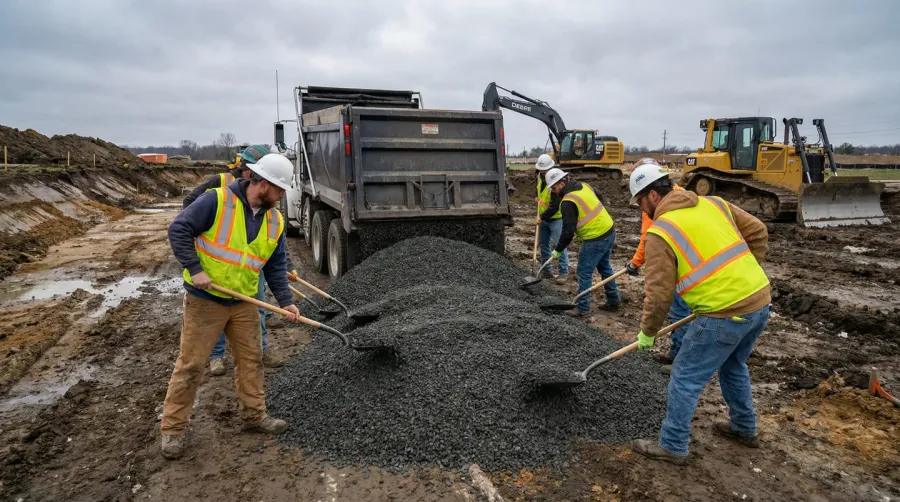
Having adequate gravel supplies on-site eliminates construction delays caused by material shortages. Your crew can work continuously without waiting for additional deliveries, maintaining project momentum and meeting critical deadlines. This becomes especially important during weather-sensitive construction periods.
Bulk deliveries simplify your material management significantly. Instead of coordinating multiple suppliers and tracking various delivery schedules, you handle one major delivery that covers your entire gravel needs. This reduces administrative overhead and allows you to focus on actual construction work rather than logistics coordination. For contractors looking to streamline operations, material sourcing secrets for busy contractors can provide additional efficiency strategies.
The storage advantages also contribute to efficiency gains. One bulk delivery requires less storage space management compared to multiple smaller deliveries spread over time. You can designate a single area for gravel storage and organize your site layout more effectively around this centralized material location.
Environmental benefits and sustainability considerations
Bulk gravel deliveries reduce transportation emissions by consolidating multiple trips into single, larger deliveries. Fewer trucks on the road means lower carbon emissions per ton of material delivered to your site. This environmental consideration aligns with sustainable construction practices many projects now prioritize.
The packaging waste reduction represents another environmental advantage. Bulk deliveries eliminate hundreds of plastic bags that would otherwise require disposal after your project completion. This waste reduction contributes to more environmentally responsible construction practices without requiring additional effort from your team.
Environmental Impact: Bulk deliveries can reduce transportation emissions by up to 60% compared to multiple smaller deliveries, while eliminating packaging waste from hundreds of individual bags.
Many bulk gravel suppliers also offer recycled aggregate options that provide comparable performance to virgin materials. These recycled options reduce landfill waste while maintaining the structural integrity your project requires. Choosing recycled bulk gravel, such as crushed concrete per ton, demonstrates environmental responsibility without compromising construction quality.
Quality and durability improvements for long-term success
Bulk gravel typically offers better quality consistency compared to bagged alternatives. When you purchase from reputable suppliers, bulk loads come from single quarry sources, ensuring uniform material properties throughout your project. This consistency translates to more predictable compaction and performance characteristics.
The angular edges found in crushed stone bulk loads create superior interlocking properties when compacted properly. This mechanical interlocking provides enhanced stability for foundations, driveways, and road bases compared to rounded materials. Your finished project benefits from this improved structural integrity over its entire lifespan.
| Gravel Type | Particle Size | Best Applications | Key Benefits |
|---|---|---|---|
| Crushed Stone | 5-40mm | Roads, foundations | Maximum strength, excellent compaction |
| Pea Gravel | 3-8mm | Drainage, walkways | Smooth texture, good drainage |
| River Rock | 10-50mm | Landscaping, decorative | Natural appearance, erosion resistance |
Quality control becomes easier with bulk purchases because you can inspect material samples before delivery. Most suppliers allow site visits to examine gravel quality firsthand, ensuring you receive materials that meet your project specifications. For guidance on selecting reliable suppliers, consider reading about choosing the best gravel supply company. This quality assurance helps prevent costly material replacements during construction.
Bulk gravel loads offer compelling advantages for construction projects of all sizes. The combination of cost savings, operational efficiency, environmental benefits, and quality improvements makes bulk purchasing a smart choice for contractors focused on project success. When you’re planning your next construction project, consider how bulk gravel delivery can streamline your operations while improving your bottom line results.
FAQ
How much gravel do I need for my construction project?
One cubic yard of gravel covers approximately 100 square feet at 3 inches deep. For a 400 square foot driveway, you would need about 4 cubic yards of gravel. To calculate your needs, multiply length × width × depth (in feet), then divide by 27 to get cubic yards. Most bulk suppliers can help you calculate the exact amount based on your specific project requirements.
What are the cost savings of buying gravel in bulk versus bags?
Bulk gravel typically costs 30-50% less than bagged alternatives. For example, a 400 square foot driveway costs approximately $160-240 in bulk versus $400-600 for equivalent bagged material, representing savings of 40-60%. You’ll see the best price breaks at 5 tons, 10 tons, and 20+ tons, with pea gravel dropping from $50 per cubic yard to $35 per cubic yard for larger orders.
What types of gravel are available for bulk delivery?
Common bulk gravel types include crushed stone (5-40mm) for roads and foundations, pea gravel (3-8mm) for drainage and walkways, and river rock (10-50mm) for landscaping. Crushed stone provides maximum strength and excellent compaction, while pea gravel offers smooth texture and good drainage. Many suppliers also offer recycled concrete options that provide comparable performance to virgin materials.
How does bulk gravel delivery work for construction sites?
Bulk gravel delivery involves specialized dump trucks that can handle 10 to 20 tons of material per load. Suppliers coordinate delivery timing with your project schedule to ensure materials arrive when needed. The delivery eliminates multiple store trips and provides better material consistency across your entire project, while reducing transportation emissions by up to 60% compared to multiple smaller deliveries.
Materials for this project
Get it delivered — dumped where you need it
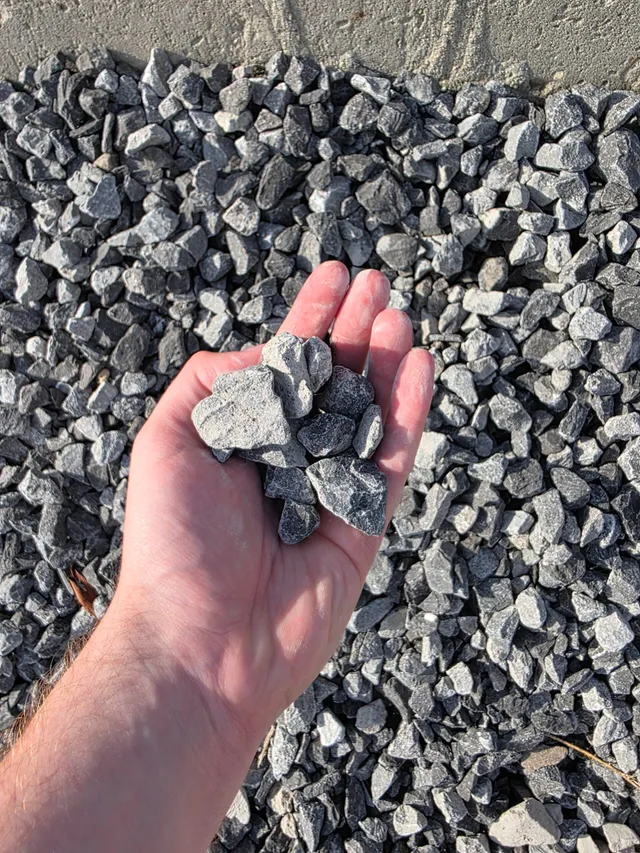
Driveway Gravel
Driveways & Parking areas
See delivered price
View product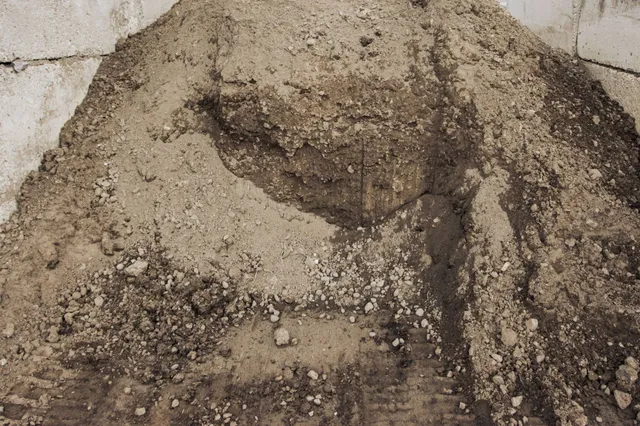
Fill Dirt
Grading & Backfill
See delivered price
View product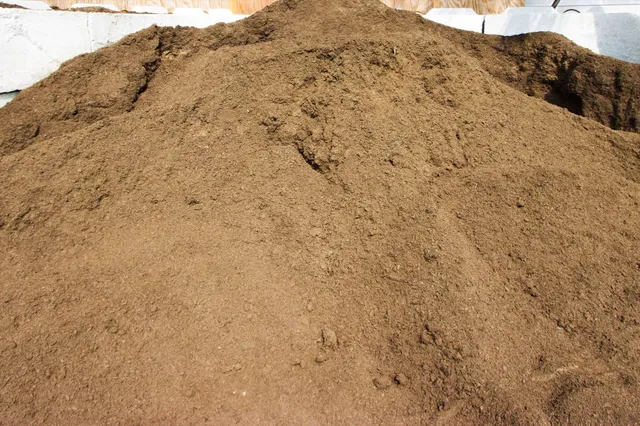
Topsoil
Lawn establishment & Garden beds
See delivered price
View product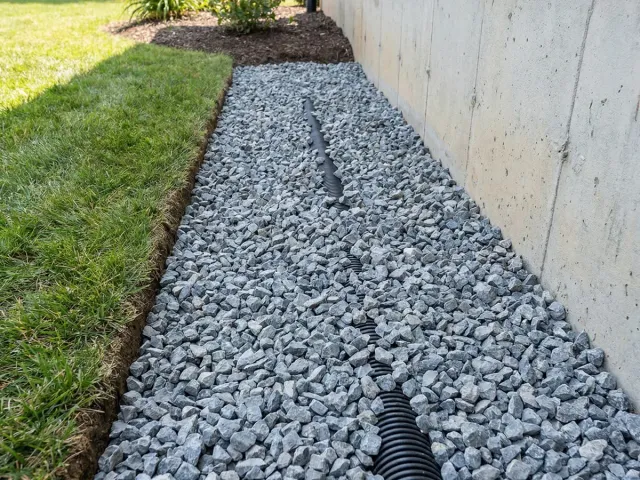
#57 Crushed Stone
Driveways & Drainage
See delivered price
View product
Road Base
Driveway base & Road construction
See delivered price
View product