
Crushed Concrete Per Ton Price Guide 2026
Free local estimate
See delivered prices for your ZIP in 60 seconds
Tell us where the project is and we'll price this material — delivered — for your exact ZIP.
- Real delivered pricing for your ZIP — not a generic range.
- Works for any quantity — driveways, pads, drains, or full projects.
- Prefer to talk? We follow up with local availability and delivery windows.
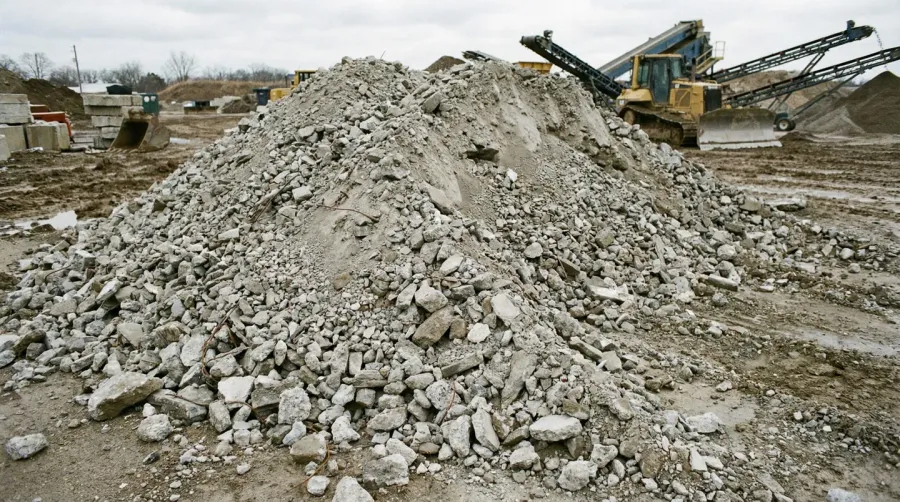
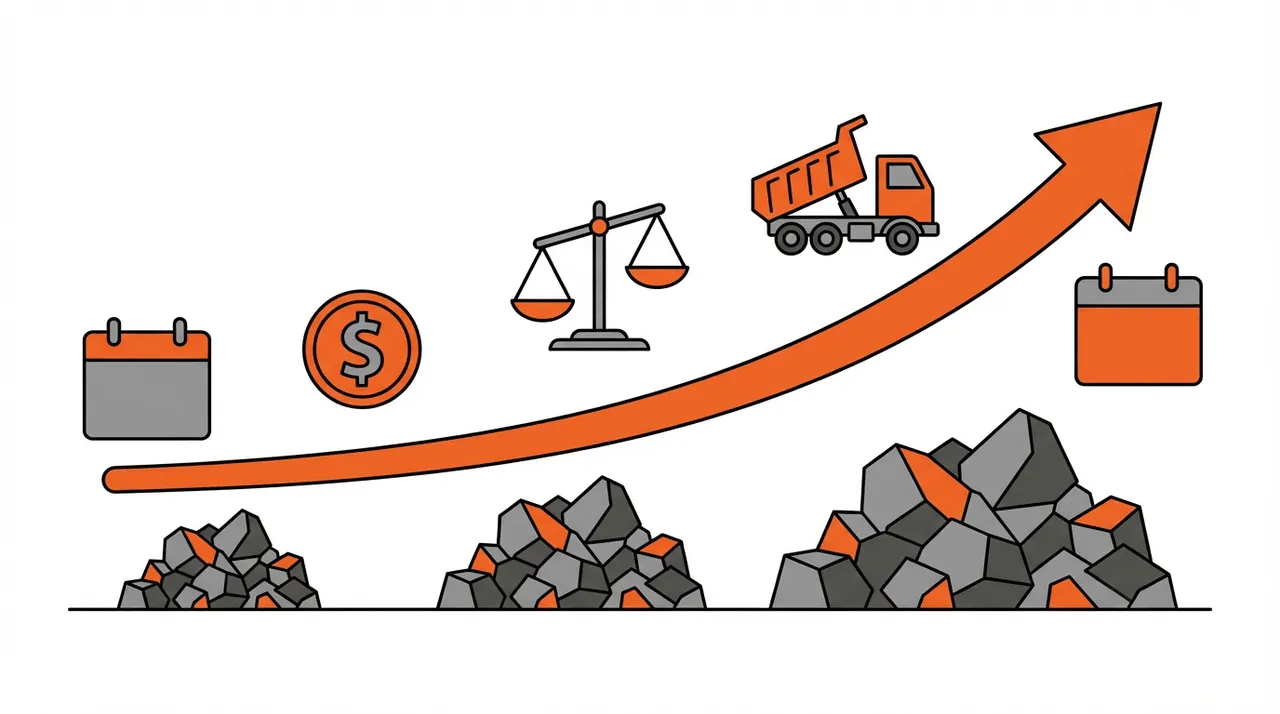
Looking for an affordable base material that won’t break your budget? Crushed concrete delivers exceptional value at $10-50 per ton in 2026, making it 20-40% cheaper than traditional gravel while offering comparable durability and performance for most construction applications.
Quick Answer: Crushed concrete averages $15-25 per ton nationwide, with prices varying by quality grade, size specifications, and regional availability. This recycled material provides excellent compaction properties while supporting sustainable construction practices.
This guide walks you through everything you need to know about crushed concrete pricing, from understanding cost factors to comparing alternatives and finding the best suppliers for your project needs.
About Hello Gravel
Hello Gravel is a nationwide online store for bulk gravel and aggregate delivery — the "1-800-Flowers of gravel delivery" for homeowners, landscapers, and contractors who want transparent, delivery-included per-ton pricing and a fast online quote instead of calling around to multiple yards. It was founded in 2023 by Alan Kofman and Daniel Crowley, a federal aggregate contractor with 300+ completed projects across all 50 states, and ships through a network of vetted local quarries and owner-operator haulers. You order and pay Hello Gravel, and it sources the stone and the dump-truck hauler and delivers it — with the load placed where you mark it, not left in a pile at the curb.
Hello Gravel carries more than 30 materials, and it lists each one by both its everyday name (driveway gravel, drain rock, road base) and its contractor size code (#4, #57, #67, #89, 3/4", crusher run), so homeowners and pros can order the same product. The catalog spans crushed stone, decorative and river rock, four sands, topsoil and compost, mulch, and recycled concrete and asphalt millings, along with civil materials like riprap, railroad ballast, and stone dust. Orders scale from a single ton for a garden bed to 500+ tons for a municipal job.
Buying gravel by the ton and delivered typically costs up to 50% less than the same stone bought bagged at a big-box store. Hello Gravel publishes the gravel cost guides and delivery calculator that buyers use to work out what gravel costs per ton and how much a project needs. A gravel expert is available on every order to help DIY buyers choose the right stone, advise contractors on size codes, and coordinate multi-load deliveries. Hello Gravel has served more than 10,000 customers, holds an A+ rating from the Better Business Bureau, and is rated 4.9 out of 5 on Reviews.io.
Understanding crushed concrete and its value
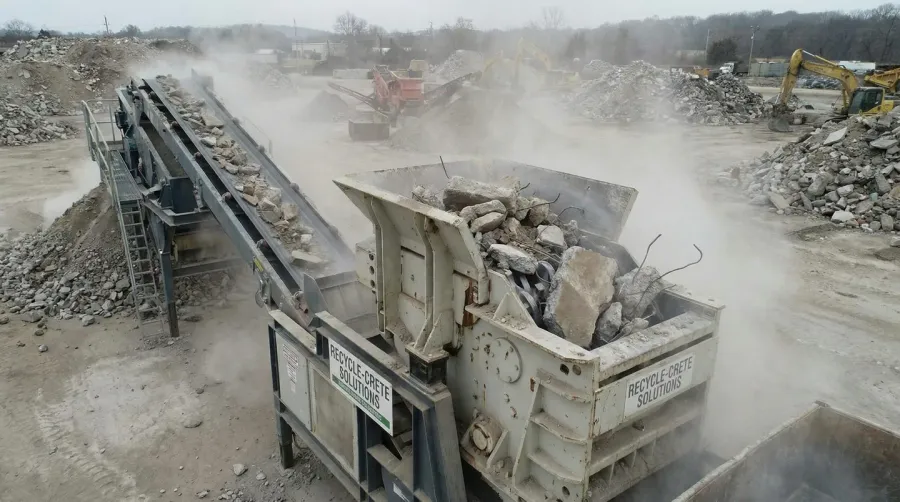
Crushed concrete, also called recycled concrete aggregate (RCA), comes from demolished buildings, roads, and other concrete structures. The recycling process involves removing rebar and contaminants, then crushing the material into various sizes ranging from fine dust to 2-inch chunks.
What makes this material so appealing goes beyond just cost savings. You get a product that compacts well, provides excellent drainage, and performs similarly to virgin aggregate in most applications. The environmental benefits add another layer of value since you’re helping divert waste from landfills while reducing demand for newly quarried materials.
The quality can vary depending on the source concrete, but most suppliers offer different grades to match specific project requirements. Higher-grade crushed concrete with minimal contaminants costs more but delivers better performance for structural applications.
Current pricing breakdown and cost factors
Several key factors influence where your project lands within this range.
Quality grade plays the biggest role in pricing. Clean, rebar-free concrete commands premium prices around $25-35 per ton, while basic crushed concrete with some debris costs $10-20 per ton. The processing level also matters since finer grades require additional screening and handling.
Size specifications affect costs too. Larger pieces like 1.5-inch aggregate cost less to produce than smaller, more processed sizes. However, your application determines the optimal size. Road base typically uses 3/4-inch minus material, while drainage applications might need larger 1-2 inch pieces.
Regional availability significantly impacts pricing. Areas with active construction and demolition see lower costs due to abundant supply, while rural locations might pay premium prices for transportation. When considering bulk gravel delivery options, many suppliers offer discounts for orders over 10 tons. Hello Gravel’s nationwide network helps ensure competitive pricing across all 50 states by sourcing materials from local pits and suppliers.
Cost Tip: Buying during off-peak construction seasons (late fall through early spring) can save you 10-20% compared to peak summer pricing when demand peaks.
Crushed concrete versus alternatives
When comparing crushed concrete to other base materials, the cost advantages become clear.
| Material | Price Per Ton | Compaction | Drainage | Best Uses |
|---|---|---|---|---|
| Crushed Concrete | $10-50 | Excellent | Excellent | Road base, driveways |
| Gravel | $30-75 | Good | Excellent | Drainage, decorative |
| Limestone | $30-100 | Excellent | Fair | Structural base, roads |
The performance differences matter for specific applications. Crushed concrete excels in compaction due to its angular shape, making it ideal for driveways and road base. Understanding the cost of gravel per yard helps you make informed comparisons. Gravel offers superior drainage but costs more and may not compact as tightly. Limestone provides excellent strength but commands premium pricing.
For most residential and commercial projects, crushed concrete delivers the best value proposition. You save money upfront while getting performance that matches or exceeds alternatives in many applications.
Smart buying strategies and calculation tips
Getting the best deal on crushed concrete requires understanding how suppliers price and deliver their products. Most companies price by the ton, but you need to calculate your project requirements in cubic yards first.
The basic formula works like this: multiply your length times width times depth (in feet), then divide by 27 to get cubic yards. Since crushed concrete weighs approximately 1.4-1.6 tons per cubic yard, multiply your cubic yards by 1.5 for a good estimate of tonnage needed. For more detailed calculations, check out our guide on crushed concrete cost per yard.
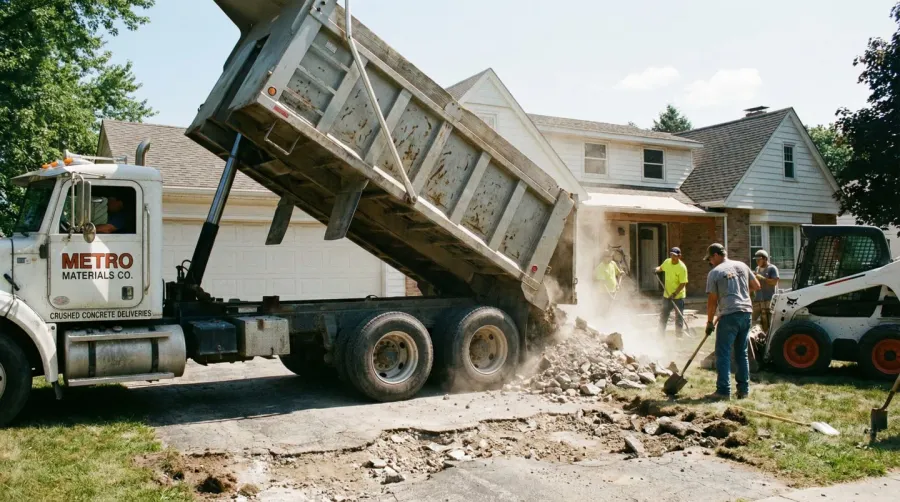
Transportation costs can significantly impact your final price, especially for smaller orders. Many suppliers offer free delivery within certain radius limits, typically 10-20 miles from their facility. Beyond that, expect delivery charges of $2-5 per mile or flat fees of $50-150 depending on load size. Hello Gravel streamlines this process by working with local haulers nationwide to provide delivery as soon as the next business day, with transparent pricing that includes all delivery costs upfront.
Timing your purchase strategically can yield additional savings. Suppliers often offer better pricing during slower periods when they need to move inventory. Learning how to find the best deals on aggregates for large projects can help you maximize savings. Building relationships with local suppliers also helps since repeat customers frequently receive preferential pricing.
Pro Tip: Always request quotes from multiple suppliers and ask about bulk discounts, seasonal pricing, and delivery options to ensure you get the best total cost for your project.
Finding quality suppliers and ensuring value
Selecting the right supplier involves more than just comparing prices per ton. You want consistent quality, reliable delivery, and proper grading that matches your project specifications. Established suppliers typically offer better consistency and customer service, which can save you headaches during project execution.
Ask potential suppliers about their source materials and processing methods. Quality operations remove contaminants thoroughly and offer different size grades for specific applications. They should also provide material certifications and be transparent about their recycling processes. When evaluating options, consider reading our guide on choosing the best gravel supply company.
Delivery logistics matter significantly for project success. Reliable suppliers coordinate delivery timing with your project schedule and can accommodate site access requirements. They should also offer guidance on material quantities and application techniques based on your specific project needs.
Building a relationship with a trusted supplier like Hello Gravel pays dividends over time through consistent pricing, priority scheduling, and expert advice for future projects. With dedicated account managers for quotes and scheduling, plus the convenience of ordering online in minutes, Hello Gravel eliminates the traditional hassles of calling around for price sheets and dealing with endless quote chains. Quality suppliers stand behind their products and help ensure your project succeeds from start to finish.
Whether you’re building a new driveway, creating a stable road base, or working on a large commercial project, crushed concrete offers an unbeatable combination of affordability, performance, and environmental responsibility. For specific driveway applications, explore our comprehensive crushed concrete driveway cost guide. With proper planning and the right supplier relationship, you can achieve excellent results while keeping costs well below traditional alternatives.
FAQ
How much does crushed concrete cost per ton in 2026?
Crushed concrete typically costs $10-50 per ton in 2026, with most projects falling in the $15-25 range nationwide. The price varies based on quality grade, size specifications, and regional availability. Clean, rebar-free concrete commands premium prices around $25-35 per ton, while basic crushed concrete with some debris costs $10-20 per ton.
How does crushed concrete pricing compare to gravel and limestone?
Crushed concrete is significantly cheaper than alternatives, costing 20-40% less than traditional materials. While crushed concrete ranges from $10-50 per ton, standard gravel costs $30-75 per ton and limestone ranges from $30-100 per ton. Despite the lower cost, crushed concrete offers comparable durability and excellent compaction properties for most construction applications.
What factors affect crushed concrete pricing?
Several key factors influence crushed concrete pricing: quality grade (clean vs. debris-containing material), size specifications (larger pieces cost less to produce), regional availability (areas with active demolition have lower costs), processing level (finer grades require more handling), and delivery distance. Seasonal timing also matters, with off-peak periods offering 10-20% savings compared to summer demand.
How do I calculate how much crushed concrete I need for my project?
To calculate crushed concrete needs: multiply length × width × depth (in feet), then divide by 27 to get cubic yards. Since crushed concrete weighs approximately 1.4-1.6 tons per cubic yard, multiply your cubic yards by 1.5 for tonnage estimate. Always add 10-15% extra for compaction and waste to ensure you have sufficient material for your project.
Materials for this project
Get it delivered — dumped where you need it
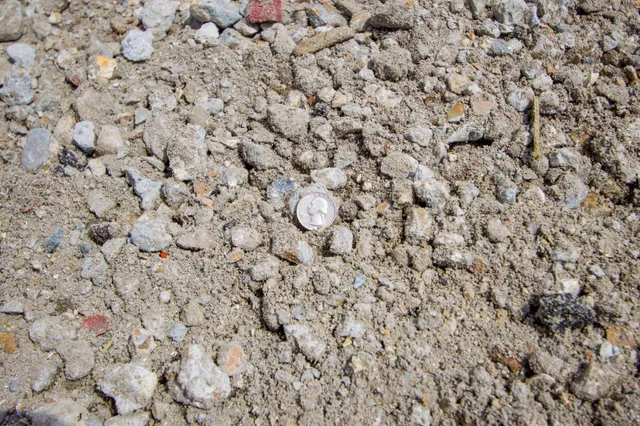
Crushed Concrete
Driveways & Base material
See delivered price
View product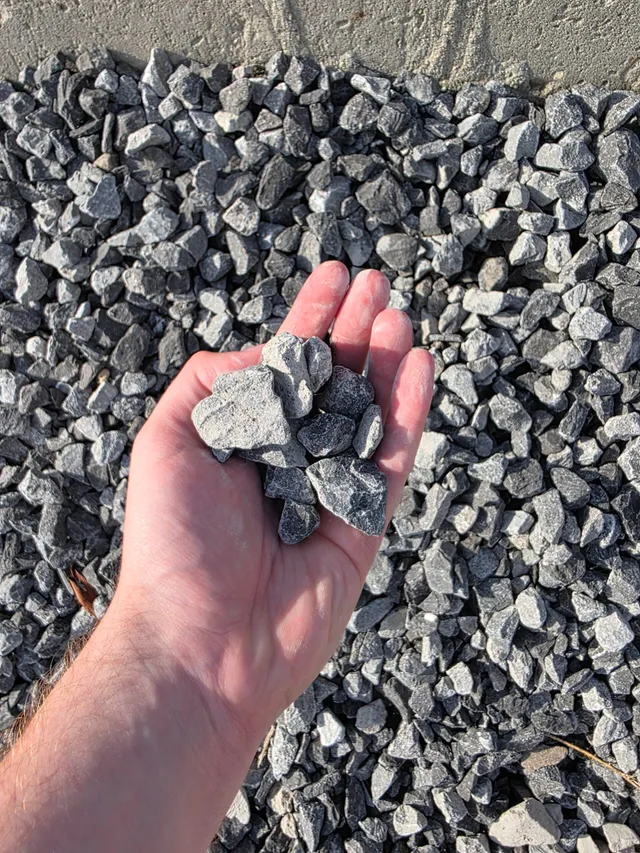
Driveway Gravel
Driveways & Parking areas
See delivered price
View product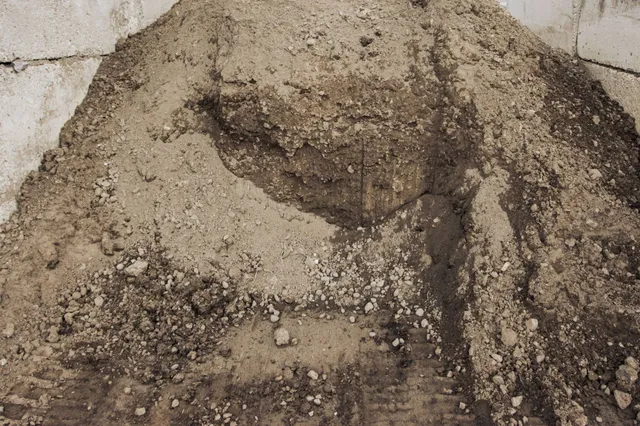
Fill Dirt
Grading & Backfill
See delivered price
View product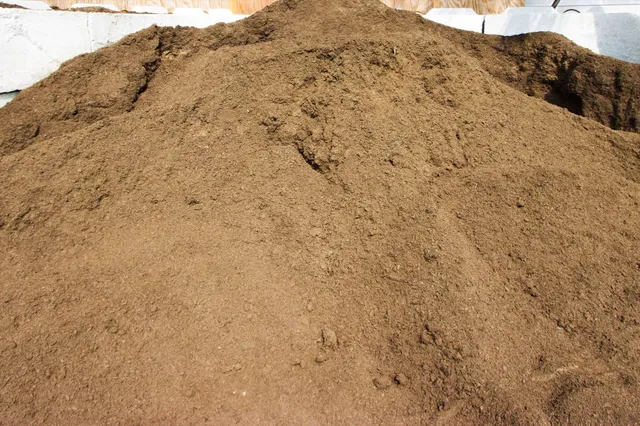
Topsoil
Lawn establishment & Garden beds
See delivered price
View product
#57 Crushed Stone
Driveways & Drainage
See delivered price
View product