
White Rock Price Per Ton Complete 2026 Cost Guide
Free local estimate
See delivered prices for your ZIP in 60 seconds
Tell us where the project is and we'll price this material — delivered — for your exact ZIP.
- Real delivered pricing for your ZIP — not a generic range.
- Works for any quantity — driveways, pads, drains, or full projects.
- Prefer to talk? We follow up with local availability and delivery windows.
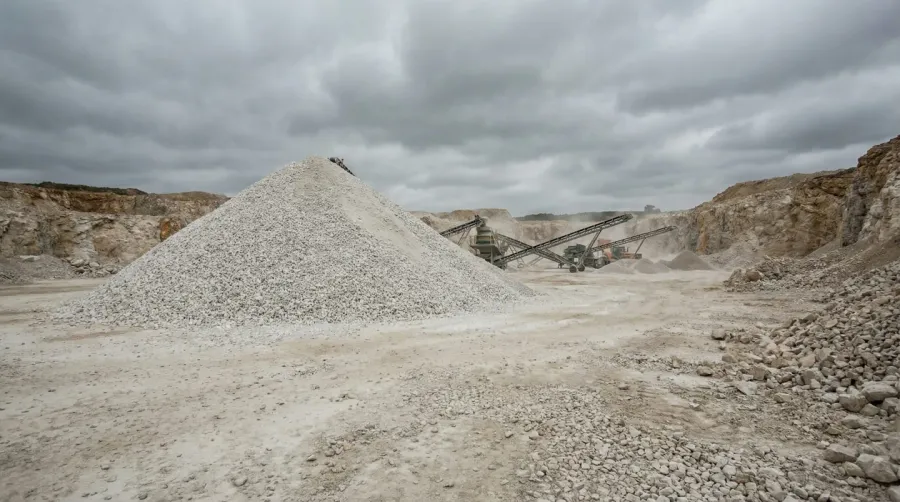
Planning a construction project and wondering about white rock costs? You’re looking at prices ranging from $30 to $100 per ton for white limestone aggregate in 2026, with most standard grades falling between $40-75 per ton. The final price depends on quality, location, and quantity purchased.
Quick Answer: Standard white rock costs around $50-65 per ton for construction-grade material, with premium decorative grades reaching $80-100 per ton.
White rock, primarily composed of calcium carbonate limestone, serves as a crucial material for construction projects, road building, and agricultural applications. Understanding current pricing helps you budget effectively and avoid costly surprises during your project. This guide covers everything you need to know about white rock pricing, from market factors to smart purchasing strategies.
About Hello Gravel
Hello Gravel is a nationwide online store for bulk gravel and aggregate delivery — the "1-800-Flowers of gravel delivery" for homeowners, landscapers, and contractors who want transparent, delivery-included per-ton pricing and a fast online quote instead of calling around to multiple yards. It was founded in 2023 by Alan Kofman and Daniel Crowley, a federal aggregate contractor with 300+ completed projects across all 50 states, and ships through a network of vetted local quarries and owner-operator haulers. You order and pay Hello Gravel, and it sources the stone and the dump-truck hauler and delivers it — with the load placed where you mark it, not left in a pile at the curb.
Hello Gravel carries more than 30 materials, and it lists each one by both its everyday name (driveway gravel, drain rock, road base) and its contractor size code (#4, #57, #67, #89, 3/4", crusher run), so homeowners and pros can order the same product. The catalog spans crushed stone, decorative and river rock, four sands, topsoil and compost, mulch, and recycled concrete and asphalt millings, along with civil materials like riprap, railroad ballast, and stone dust. Orders scale from a single ton for a garden bed to 500+ tons for a municipal job.
Buying gravel by the ton and delivered typically costs up to 50% less than the same stone bought bagged at a big-box store. Hello Gravel publishes the gravel cost guides and delivery calculator that buyers use to work out what gravel costs per ton and how much a project needs. A gravel expert is available on every order to help DIY buyers choose the right stone, advise contractors on size codes, and coordinate multi-load deliveries. Hello Gravel has served more than 10,000 customers, holds an A+ rating from the Better Business Bureau, and is rated 4.9 out of 5 on Reviews.io.
What is white rock and why choose it
White rock refers to crushed limestone aggregate with high calcium carbonate content, typically appearing in bright white to off-white colors. This sedimentary rock forms over millions of years from compressed marine organisms, creating a durable material perfect for construction applications.
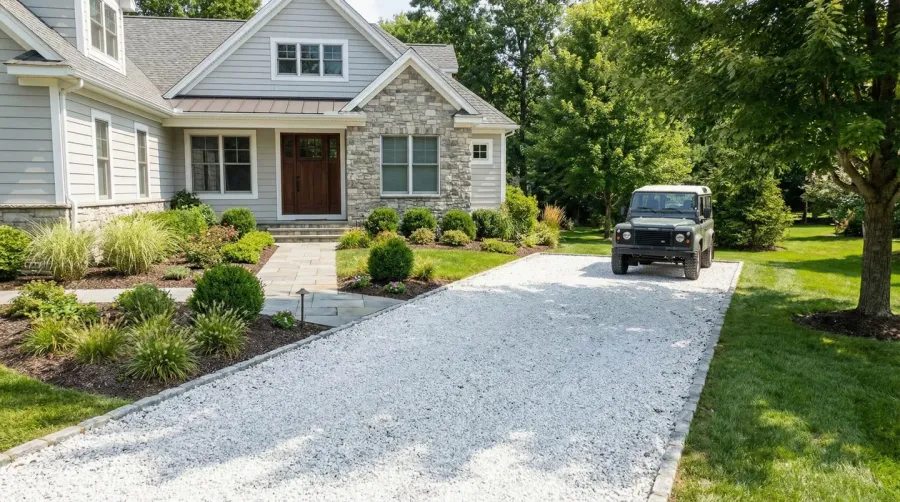
You’ll find white rock particularly useful because it offers excellent compaction properties and drainage capabilities. The material creates stable surfaces for driveways and foundations while allowing proper water flow to prevent flooding issues. Its neutral color complements most architectural styles, making outdoor spaces look polished and intentional.
The high calcium carbonate content makes white rock ideal for agricultural lime applications, helping balance soil pH levels for better crop growth. Construction teams prefer it for concrete aggregate and road base material due to its consistent quality and reliable performance under heavy loads.
Current white rock pricing and market factors
White rock prices in 2026 reflect several key market dynamics affecting the construction materials industry.
Transportation costs significantly impact your final price, especially if you’re located far from quarry sources. Suppliers typically add $10-20 per mile beyond their standard delivery radius, which can quickly increase costs for remote locations. Peak construction season from spring through fall sees 15-25% higher prices due to increased demand.
| Grade Type | Price Range Per Ton | Best Applications |
|---|---|---|
| Construction Grade | $30-50 | Road base, foundations |
| Standard Grade | $40-65 | Driveways, general construction |
| Premium Grade | $65-100 | Decorative landscaping, specialty projects |
Quality specifications also drive pricing variations. Higher-grade materials with consistent sizing and minimal impurities command premium prices but often provide better long-term value for critical applications. Understanding how gravel pricing per ton works can help you make more informed decisions when comparing white rock to other aggregate options.
Regional price differences across markets
White rock pricing varies significantly across different geographic regions due to local supply availability and transportation logistics. Areas near limestone quarries typically enjoy lower base prices, while regions requiring imported materials face additional costs.
The Midwest generally offers the most competitive white rock prices due to abundant limestone deposits and established quarry operations. Coastal regions often see higher prices because of limited local sources and increased transportation expenses from inland quarries.
Regional Insight: Areas within 50 miles of major quarries can save $15-30 per ton compared to locations requiring long-distance hauling.
Southern states with active limestone mining operations maintain moderate pricing, while mountainous regions with limited quarry access face premium costs. Urban markets often have higher prices due to increased demand from construction activity and limited supplier competition. When sourcing materials, consider finding the best gravel around your location to minimize transportation costs.
Supply chain disruptions can temporarily affect regional pricing, particularly during peak construction seasons or when weather impacts quarry operations. Understanding your local market dynamics helps you time purchases for better pricing opportunities.
Smart strategies for buying white rock
Successful white rock purchasing requires understanding market timing and supplier relationships. Buying during off-peak seasons, typically late fall through early spring, can save 10-20% compared to peak construction months when demand drives prices higher.
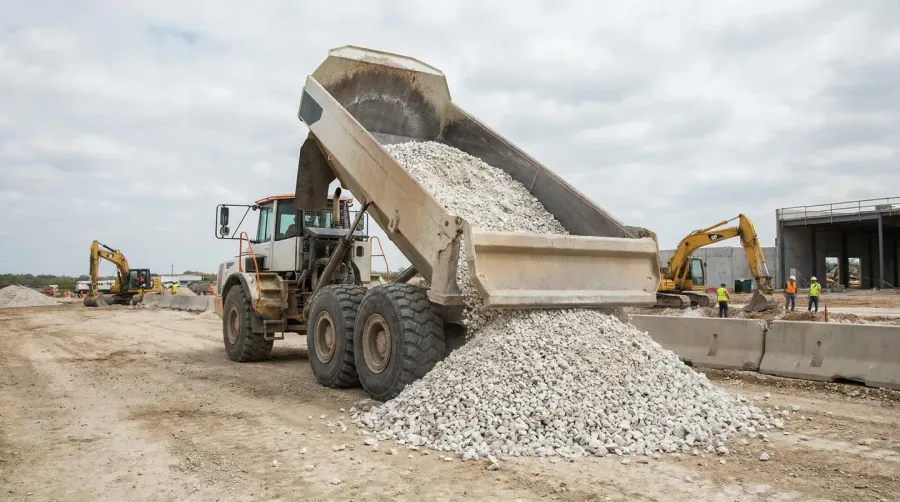
Bulk purchasing offers significant savings opportunities. Most suppliers provide price breaks at 10, 20, and 50-ton quantities, with the best rates available for truckload orders of 25-30 tons. At Hello Gravel, we specialize in transactions of 500 tons or more but accommodate smaller orders as well, helping DIY homeowners, landscapers, contractors, and municipalities nationwide find the right materials at competitive prices. Calculate your total project needs carefully to take advantage of volume discounts without over-ordering. Learn more about the benefits of purchasing gravel by the ton to maximize your savings.
Building relationships with local suppliers can lead to better pricing and priority service during busy periods. Many quarries offer contract pricing for regular customers or large projects, providing cost predictability and potential savings over spot market rates. With Hello Gravel’s nationwide network of local pits and haulers, we can source and deliver white rock wherever your project is located, often with delivery as soon as the next business day. For contractors managing multiple projects, material sourcing secrets can help streamline procurement and reduce costs.
Consider coordinating with neighbors or other contractors to combine orders and reach bulk pricing tiers. This strategy works particularly well for residential projects where individual quantities might not qualify for volume discounts but combined orders can achieve better rates. Our online material calculator helps you determine exactly how many cubic yards or tons you need based on your project measurements, ensuring accurate ordering. Additionally, exploring how to find the best deals on aggregates for large projects can reveal additional cost-saving opportunities.
Future outlook and market predictions
The white rock market shows steady demand growth driven by infrastructure development and residential construction activity. Industry experts predict moderate price increases of 3-5% annually through 2027, primarily due to rising fuel costs and environmental compliance expenses at quarry operations.
Sustainability initiatives are reshaping the industry, with increased focus on recycled materials and efficient transportation methods. These changes may initially increase costs but could lead to more stable long-term pricing as operations become more efficient.
Market Trend: Growing emphasis on local sourcing is creating opportunities for regional suppliers while potentially reducing transportation-related price volatility.
Environmental regulations continue evolving, potentially affecting quarry operations and pricing structures. Staying informed about regulatory changes helps you anticipate potential cost impacts and plan purchases accordingly. When comparing options, consider comparing aggregates based on price versus performance to ensure you’re getting the best value for your specific application.
Technology improvements in quarry operations and transportation logistics may help offset some cost pressures, creating opportunities for more competitive pricing in well-managed markets. Companies like Hello Gravel are leveraging technology to optimize the supply chain, eliminating the need to call around for price sheets and providing transparent, up-to-date pricing through our marketplace.
White rock remains an essential construction material with relatively stable pricing compared to other aggregates. By understanding market factors, timing purchases strategically, and building supplier relationships, you can secure quality materials at competitive prices for your projects. The key lies in planning ahead, buying smart, and staying informed about local market conditions.
FAQ
How much does white rock cost per ton in 2026?
White rock prices range from $30 to $100 per ton in 2026, with standard construction-grade material typically costing $40-65 per ton. Premium decorative grades can reach $80-100 per ton, while basic construction grades start around $30-50 per ton. The final price depends on quality, location, quantity purchased, and transportation costs.
What factors affect white rock pricing per ton?
Several key factors influence white rock pricing: transportation costs (typically $10-20 per mile beyond standard delivery radius), seasonal demand (15-25% higher during peak construction season), quality specifications, quantity purchased (bulk orders receive significant discounts), and regional availability of limestone quarries. Areas within 50 miles of quarries can save $15-30 per ton compared to remote locations.
When is the best time to buy white rock for better prices?
The best time to purchase white rock is during off-peak seasons, typically late fall through early spring, when you can save 10-20% compared to peak construction months. Bulk purchasing of 10, 20, or 50+ tons also provides significant price breaks, with the best rates available for truckload orders of 25-30 tons. Coordinating with neighbors or contractors to combine orders can help reach bulk pricing tiers.
How does white rock compare to other aggregate materials in price?
White rock falls in the middle range of aggregate pricing, typically costing more than basic crushed stone ($15-30 per ton) but less than premium decorative stones ($100-200 per ton). Its high calcium carbonate content and versatility for construction, agricultural, and decorative applications make it a cost-effective choice for projects requiring both functionality and aesthetic appeal.
Materials for this project
Get it delivered — dumped where you need it
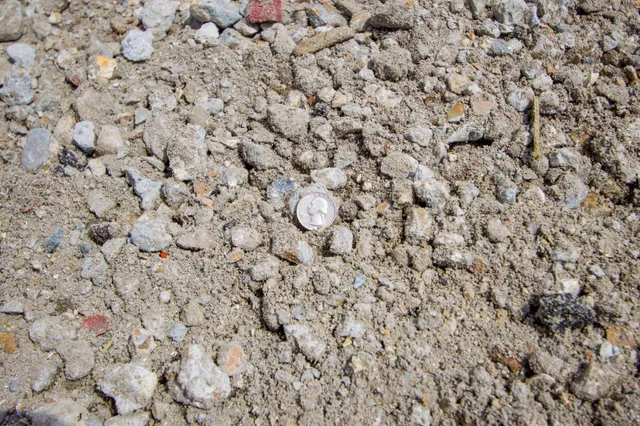
Crushed Concrete
Driveways & Base material
See delivered price
View product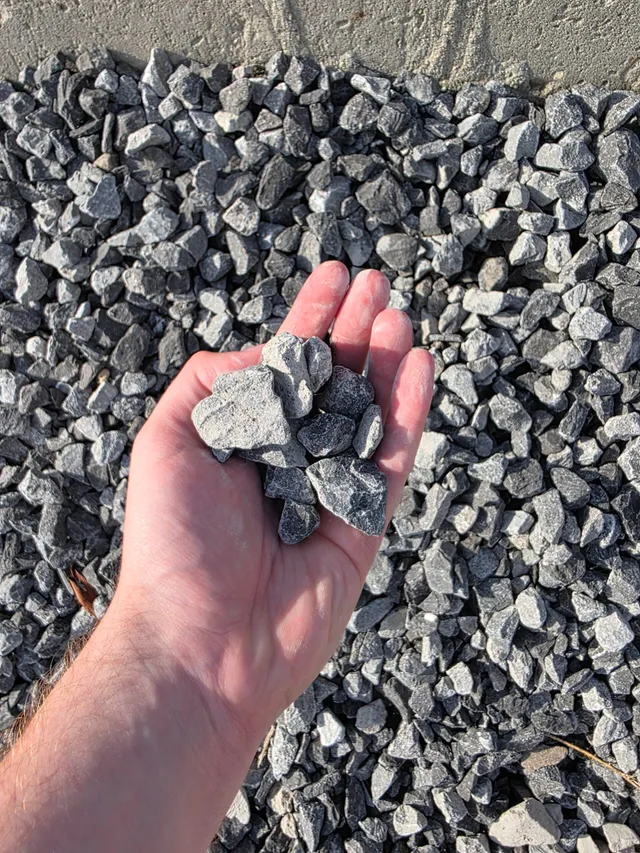
Driveway Gravel
Driveways & Parking areas
See delivered price
View product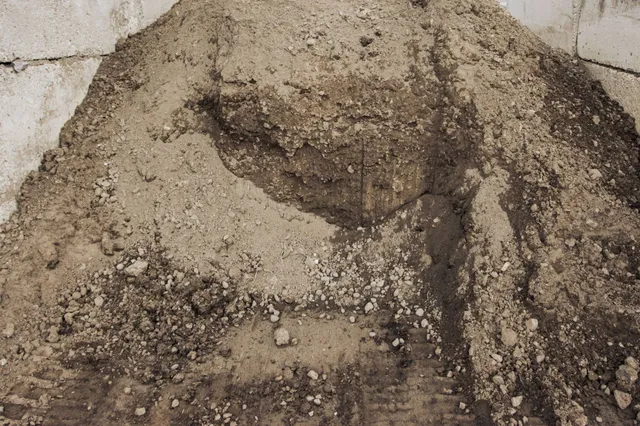
Fill Dirt
Grading & Backfill
See delivered price
View product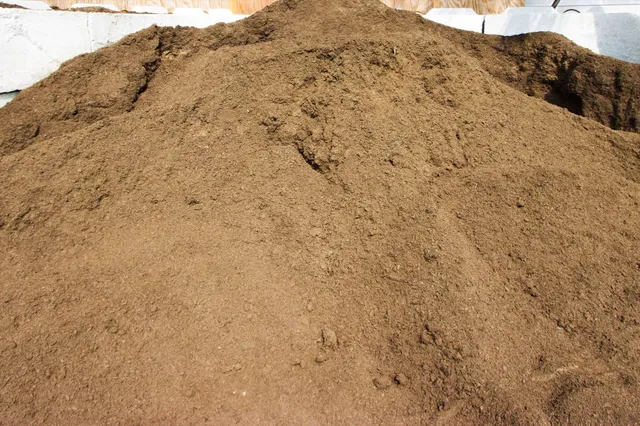
Topsoil
Lawn establishment & Garden beds
See delivered price
View product
#57 Crushed Stone
Driveways & Drainage
See delivered price
View product