
Best Gravel Types and Suppliers Nationwide
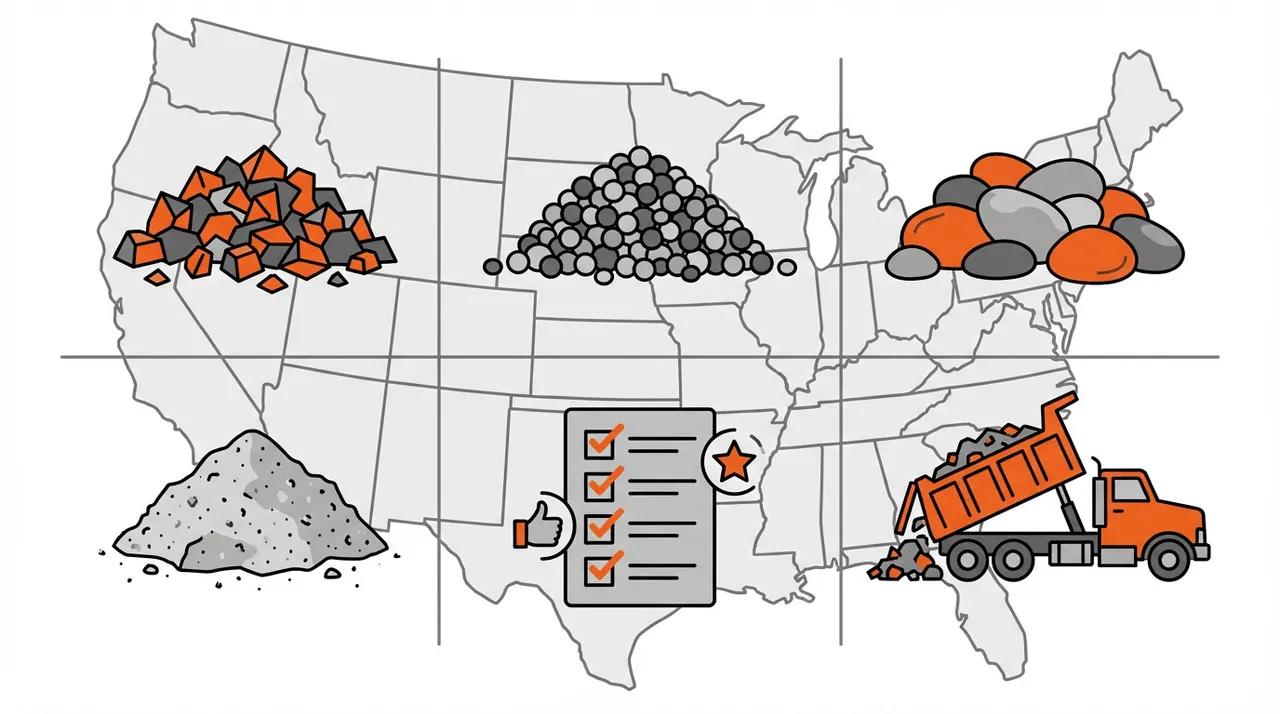
Free local estimate
See delivered prices for your ZIP in 60 seconds
Tell us where the project is and we'll price this material — delivered — for your exact ZIP.
- Real delivered pricing for your ZIP — not a generic range.
- Works for any quantity — driveways, pads, drains, or full projects.
- Prefer to talk? We follow up with local availability and delivery windows.
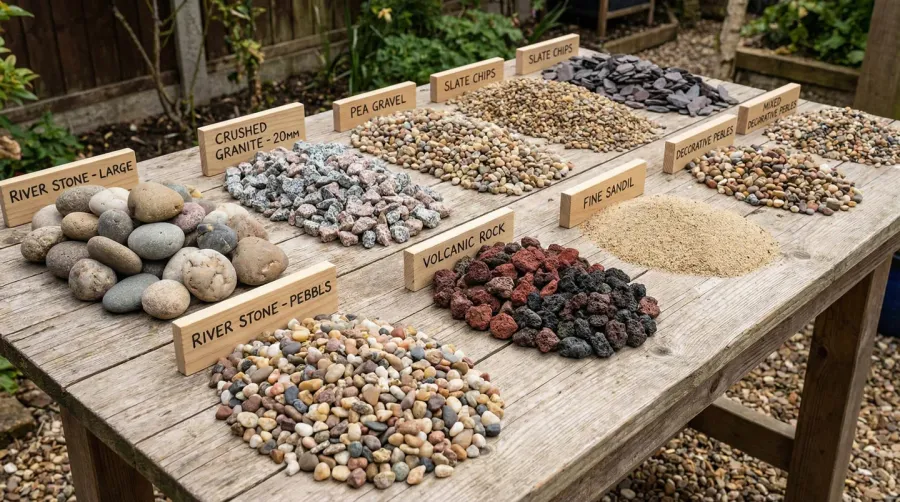
Finding the right gravel for your project can make or break your results. Whether you’re building a driveway that needs to handle heavy vehicles or creating a garden pathway that feels comfortable underfoot, choosing quality gravel from reliable suppliers saves you time, money, and future headaches.
Quick Fact: Gravel particles range from 2mm to 75mm in diameter, with each size category offering unique benefits for different applications like walkways, driveways, and drainage systems.
This guide walks you through everything you need to know about gravel types, quality factors, and how to find the best suppliers nationwide. You’ll discover which gravel works best for specific applications and learn practical tips for making informed purchasing decisions that ensure your project’s success.
About Hello Gravel
Hello Gravel delivers bulk gravel, rock, dirt, and sand by the ton. Enter your ZIP code to see prices with delivery included. A local dump-truck driver places the load where access is safe; spreading is not included.
Understanding gravel types for your specific project
Different gravel types serve different purposes, and understanding these differences helps you make the right choice for your specific needs.
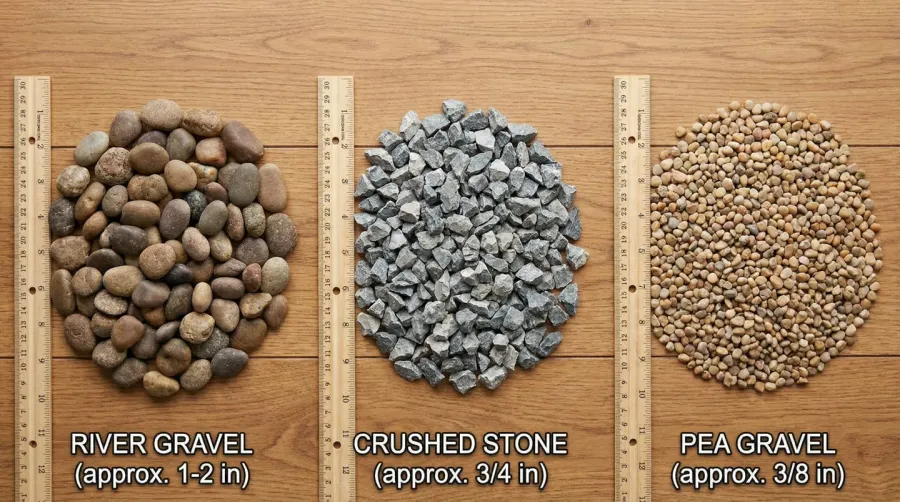
River gravel features smooth, rounded stones that feel comfortable underfoot. You’ll find this type perfect for decorative applications like garden borders, pathways, and areas where people walk barefoot. The natural tumbling action of water creates these smooth surfaces, making river gravel an excellent choice for play areas and decorative landscaping features. If you’re considering this option for aesthetic purposes, understanding the current price of river stones can help you budget appropriately.
Crushed stone offers angular pieces that lock together tightly when compacted. This interlocking action makes crushed stone ideal for driveways, parking areas, and any application requiring a stable, load-bearing surface. The sharp edges create excellent drainage while maintaining structural integrity under heavy loads.
Pea gravel consists of small, smooth stones about 3/8 inch in diameter. This size makes it comfortable to walk on while providing excellent drainage. You’ll often see pea gravel used in pathways, patio areas, and decorative borders around plants and water features. When planning your project, you might want to know how much a ton of pebbles costs to estimate your total expenses.
Quarry process combines crushed stone with stone dust, creating a material that compacts extremely well. This blend provides excellent stability for base layers under pavers, driveways, and construction projects. The stone dust fills gaps between larger pieces, creating a solid foundation that resists shifting and settling.
When selecting gravel, consider your project’s primary function. Heavy traffic areas need angular, interlocking materials like crushed stone. Decorative areas benefit from smooth, visually appealing options like river gravel or pea gravel. For those working on driveways, reviewing gravel driveway cost information can provide valuable insights into budgeting and material selection.
Quality factors that determine gravel performance
Quality gravel ensures your project performs well and lasts for years. Several key factors determine whether gravel will meet your expectations.
Particle consistency affects how well gravel compacts and performs. High-quality gravel features uniform particle sizes within its specified range. This consistency allows for proper compaction and prevents settling issues that can create uneven surfaces or structural problems over time.
Cleanliness plays a crucial role in gravel performance. Quality gravel contains minimal clay, dust, or organic debris that can interfere with drainage and compaction. Clean gravel allows water to flow through properly, preventing pooling and freeze-thaw damage in colder climates.
Important: Clean gravel with consistent particle sizes provides 40% better drainage and compaction compared to gravel containing excessive dust or debris.
Durability determines how well gravel withstands weather, traffic, and time. Durable gravel resists breaking down under pressure and maintains its shape through freeze-thaw cycles. This durability prevents the formation of dust and fine particles that can clog drainage and create muddy conditions.
Testing gravel quality involves examining a sample for consistent sizing, checking for excessive dust or clay content, and verifying the hardness of individual stones. Quality suppliers provide grading information and allow you to inspect samples before purchasing larger quantities. For comprehensive guidance on evaluating materials, check out the ultimate guide to finding high-quality gravel.
Comparing local versus nationwide gravel sourcing options
Choosing between local and nationwide gravel sourcing involves weighing several practical and environmental factors that affect your project’s cost and sustainability.
Local gravel offers significant advantages in cost and environmental impact. Transportation costs represent a major portion of gravel pricing, so sourcing locally can reduce your project expenses by 20-40%. Local gravel also reduces carbon emissions from long-distance transportation, supporting environmental sustainability goals.
Local materials often blend naturally with your regional landscape, creating a more cohesive appearance. This natural integration helps your project look like it belongs in its surroundings rather than appearing out of place with materials that may have different colors or textures.
| Factor | Local Gravel | Nationwide Sourcing |
|---|---|---|
| Cost | Lower due to reduced transport | Variable based on location and delivery distance |
| Availability | Readily available, quick delivery | Consistent availability across all 50 states |
| Environmental Impact | Lower carbon footprint | Optimized supply chain reduces overall impact |
| Variety | Limited to regional materials | Access to diverse material types nationwide |
Nationwide sourcing provides access to consistent quality and specialized types across all regions. This approach ensures you can find the exact material specifications needed for your project, regardless of location. Modern supply chain optimization allows for efficient sourcing from the nearest suitable quarry or pit, balancing quality requirements with transportation efficiency.
Consider nationwide sourcing when local materials don’t meet your specific requirements for color, texture, or performance characteristics. Advanced logistics networks can deliver materials efficiently while maintaining competitive pricing. Understanding the cost of decorative gravel can help you make informed decisions about specialty materials.
Finding and evaluating reliable gravel suppliers
Locating quality gravel suppliers requires research and evaluation to ensure you receive good materials, fair pricing, and reliable service.
Online research provides a starting point for identifying potential suppliers. Modern platforms now offer streamlined ordering processes that eliminate the traditional hassles of calling around for price sheets and dealing with endless quote chains. Look for suppliers with positive customer feedback, clear pricing information, and detailed product descriptions.
Professional recommendations often provide the most reliable insights into supplier quality and service. Ask contractors, landscapers, and municipalities about their experiences with suppliers. These firsthand accounts reveal important details about delivery reliability, product quality, and customer service that you won’t find in online reviews. For more detailed guidance, explore the ultimate guide to choosing a gravel supply company.
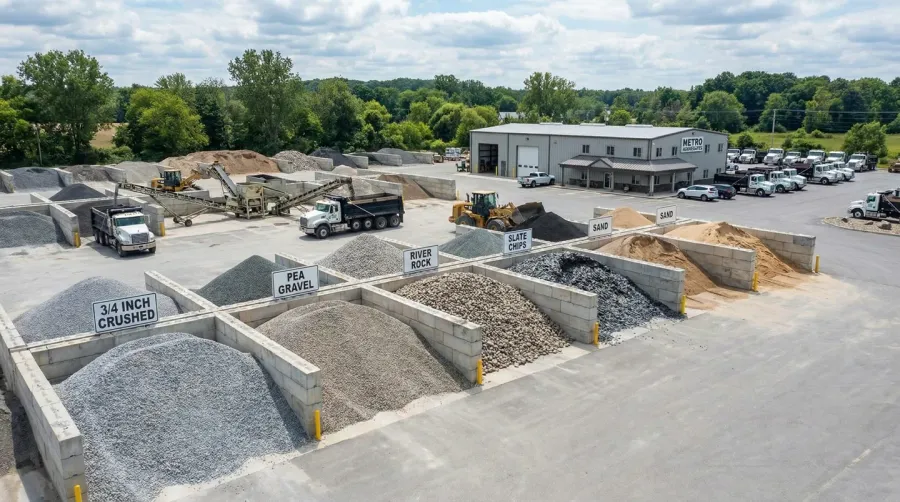
Supplier evaluation should focus on several key factors. Examine the range of gravel types and sizes available to ensure they can meet your current and future needs. Verify that suppliers provide accurate product specifications and transparent pricing without hidden fees.
Check delivery capabilities and scheduling flexibility, especially if your project has specific timing requirements. The best suppliers offer delivery in as little as 2 business days with flexible scheduling options including morning (7 am – 12 pm) or afternoon (12 pm – 5 pm) delivery windows. If you’re interested in convenient ordering options, learn more about how to order gravel online.
Pro Tip: Look for suppliers who offer dedicated account managers for quotes, scheduling, and repeat orders, ensuring consistent service quality throughout your project.
Quality suppliers provide detailed information about their products, including source locations, grading specifications, and recommended applications. They should answer your questions knowledgeably and help you select appropriate materials for your specific project requirements. Advanced suppliers also offer material calculators to help determine exactly how many cubic yards or tons you need based on your project measurements.
Pricing transparency indicates a reputable supplier. Quality suppliers provide clear pricing for different quantities, delivery charges, and any additional fees. The best suppliers maintain up-to-date pricing directories and accept all major credit cards through secure online checkout systems. Compare prices from multiple suppliers, but remember that the lowest price doesn’t always represent the best value if it comes with poor quality materials or unreliable service. For a comprehensive understanding of costs, review the cost per ton of gravel to make better purchasing decisions.
Finding the right gravel and supplier sets the foundation for project success. Take time to research your options, evaluate quality factors, and choose suppliers who demonstrate reliability and expertise. This investment in planning ensures your project achieves the durability, functionality, and appearance you envision while avoiding costly problems down the road.
FAQ
What is the best gravel for a driveway?
Crushed stone is the best gravel for driveways because its angular pieces lock together tightly when compacted, creating a stable, load-bearing surface. For optimal results, use a three-layer system: 4-6 inches of crushed stone base, 3-4 inches of #57 stone middle layer, and 2-3 inches of fine gravel surface layer. This combination provides excellent drainage while maintaining structural integrity under heavy vehicle loads.
How do I find reliable gravel suppliers?
Look for suppliers who offer transparent pricing, detailed product specifications, and convenient online ordering systems. The best suppliers provide dedicated account managers, flexible delivery scheduling with 2-day minimum notice, and material calculators to help determine your exact needs. Ask contractors, landscapers, and municipalities for recommendations, and verify that suppliers can deliver to your location with reliable timing.
How much does gravel cost per ton?
Gravel typically costs $15-50 per ton depending on type and location, with transportation representing a major portion of the total price. Local sourcing can reduce project expenses by 20-40% compared to long-distance materials. Additional costs include delivery fees (usually $50-150 depending on distance) and potential fuel surcharges. Contact suppliers for quotes and factor in delivery charges when comparing total costs for your project.
What’s the difference between local and nationwide gravel sourcing?
Local gravel offers lower costs due to reduced transportation, quicker availability, and natural integration with regional landscapes. Nationwide sourcing provides consistent availability across all 50 states, access to specialized material types, and optimized supply chains that can source from the nearest suitable quarry. Choose based on your specific material requirements, timeline, and budget considerations.
Materials for this project
Get it delivered — dumped where you need it
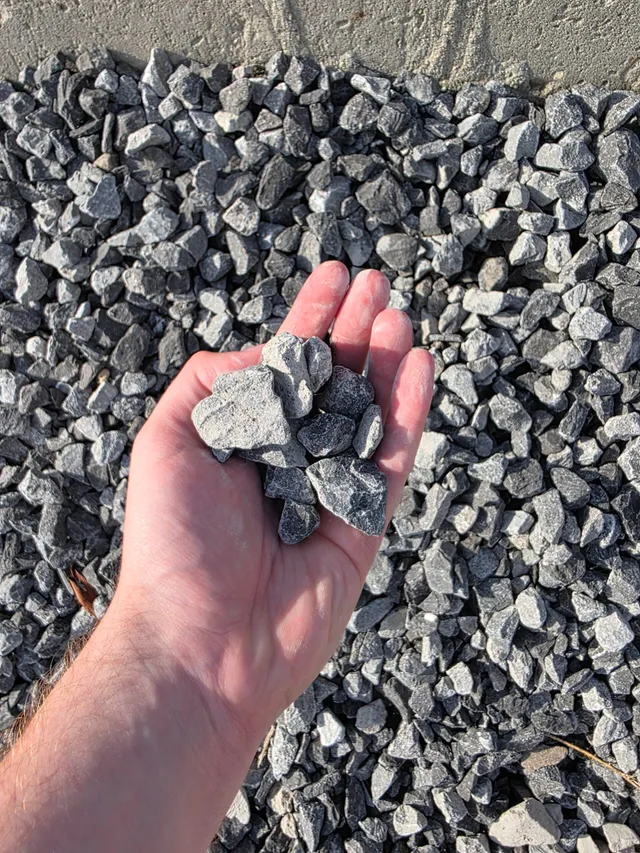
Driveway Gravel
Driveways & Parking areas
See delivered price
View product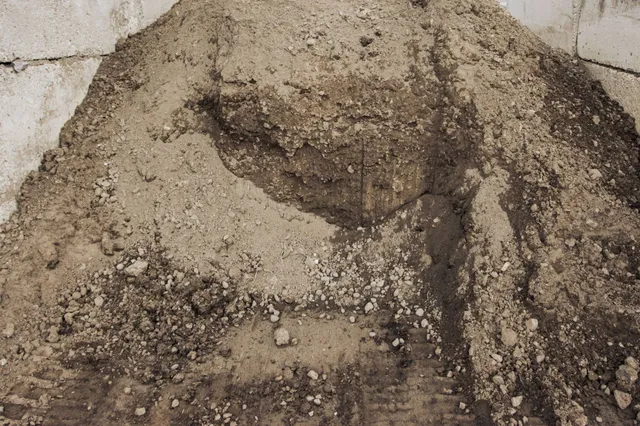
Fill Dirt
Grading & Backfill
See delivered price
View product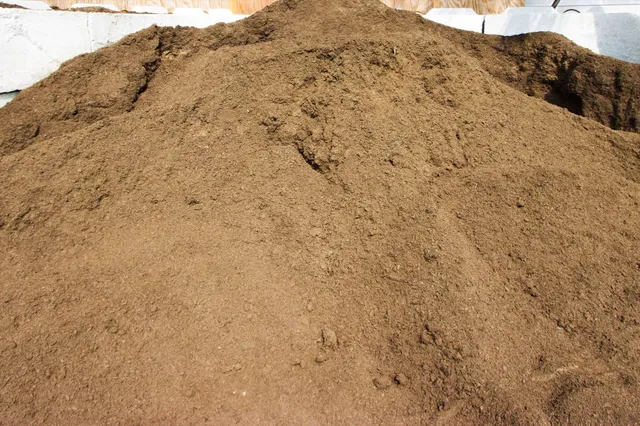
Topsoil
Lawn establishment & Garden beds
See delivered price
View product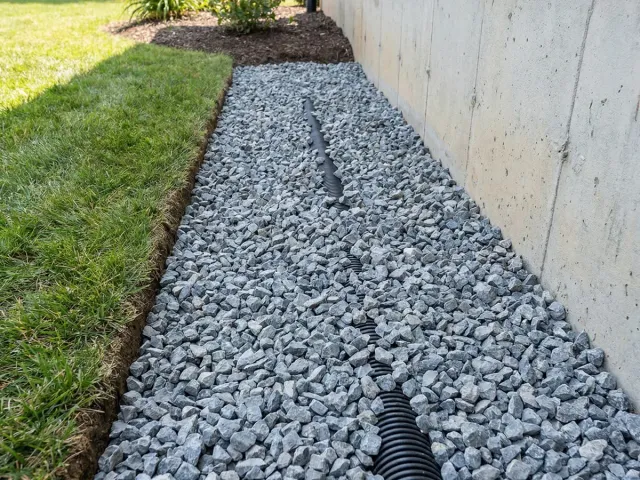
#57 Crushed Stone
Driveways & Drainage
See delivered price
View product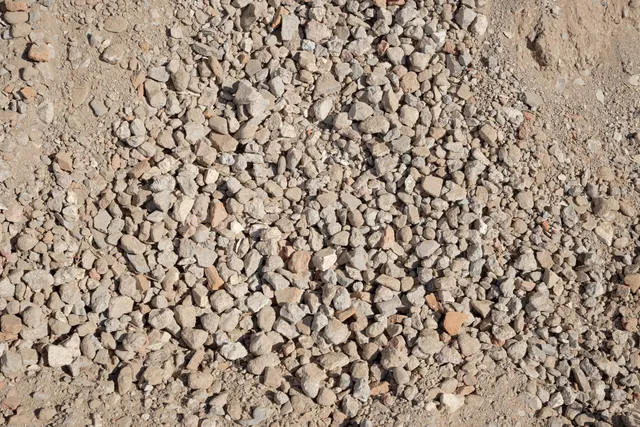
Road Base
Driveway base & Road construction
See delivered price
View product