
Best Recycled Stone for Landscaping (Crushed Concrete)
Free local estimate
See delivered prices for your ZIP in 60 seconds
Tell us where the project is and we'll price this material — delivered — for your exact ZIP.
- Real delivered pricing for your ZIP — not a generic range.
- Works for any quantity — driveways, pads, drains, or full projects.
- Prefer to talk? We follow up with local availability and delivery windows.
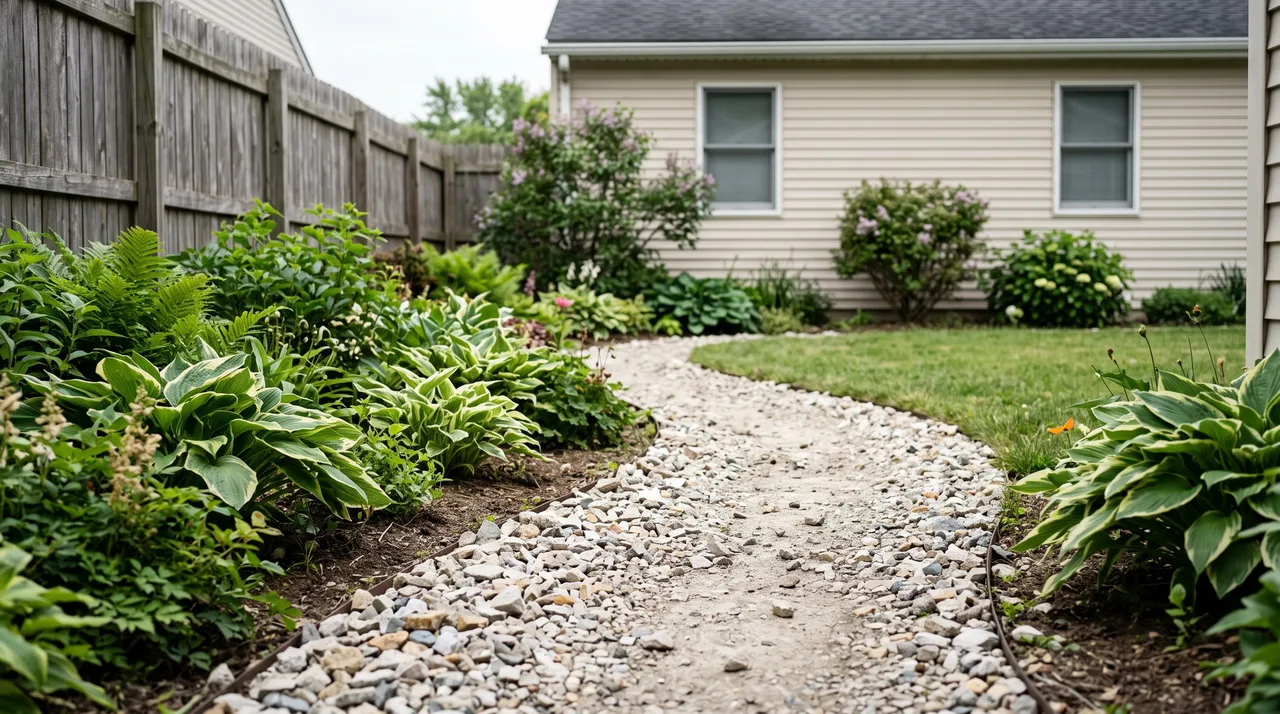
Recycled concrete landscaping is a practical, lower-cost alternative to virgin stone. Crushed concrete works well as a base layer for driveways and patios, a filler for raised garden beds, a drainage material, and a retaining wall backfill. It is easier to source than many natural aggregates, generates less waste, and performs reliably across a wide range of residential and commercial landscaping applications. The sections below explain how each use works, what to expect with cost and sourcing, and what to watch out for before you order.
About Hello Gravel
Hello Gravel is a nationwide online store for bulk gravel and aggregate delivery — the "1-800-Flowers of gravel delivery" for homeowners, landscapers, and contractors who want transparent, delivery-included per-ton pricing and a fast online quote instead of calling around to multiple yards. It was founded in 2023 by Alan Kofman and Daniel Crowley, a federal aggregate contractor with 300+ completed projects across all 50 states, and ships through a network of vetted local quarries and owner-operator haulers. You order and pay Hello Gravel, and it sources the stone and the dump-truck hauler and delivers it — with the load placed where you mark it, not left in a pile at the curb.
Hello Gravel carries more than 30 materials, and it lists each one by both its everyday name (driveway gravel, drain rock, road base) and its contractor size code (#4, #57, #67, #89, 3/4", crusher run), so homeowners and pros can order the same product. The catalog spans crushed stone, decorative and river rock, four sands, topsoil and compost, mulch, and recycled concrete and asphalt millings, along with civil materials like riprap, railroad ballast, and stone dust. Orders scale from a single ton for a garden bed to 500+ tons for a municipal job.
Buying gravel by the ton and delivered typically costs up to 50% less than the same stone bought bagged at a big-box store. Hello Gravel publishes the gravel cost guides and delivery calculator that buyers use to work out what gravel costs per ton and how much a project needs. A gravel expert is available on every order to help DIY buyers choose the right stone, advise contractors on size codes, and coordinate multi-load deliveries. Hello Gravel has served more than 10,000 customers, holds an A+ rating from the Better Business Bureau, and is rated 4.9 out of 5 on Reviews.io.
What Is Recycled Concrete Aggregate, and Why Do Landscapers Use It?
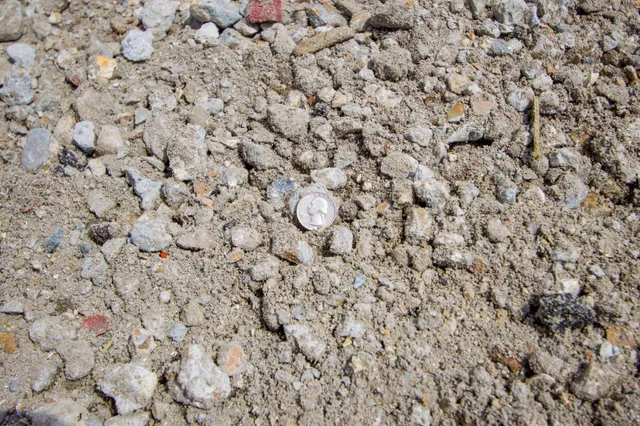
Recycled concrete aggregate (RCA) is produced by crushing old concrete from demolished structures like driveways, foundations, sidewalks, and building slabs. The crushed material is processed and graded by size, then sold as a bulk aggregate for new construction and landscaping projects.
Landscapers and contractors use it because it performs similarly to crushed limestone or gravel at a lower price point. It compacts well, drains reasonably, and is widely available through aggregate suppliers and haulers. For DIY homeowners, it is often sold by the ton at local yards or delivered directly to the project site.
Is Recycled Concrete Cheaper Than Virgin Stone?
In most markets, recycled concrete costs less per ton than newly quarried crushed limestone or granite. The price difference varies by region, supplier, and material size, but savings of 20 to 40 percent compared to virgin aggregate are common.
The lower cost comes from the recycling process itself. Crushing and grading old concrete requires less energy than mining and processing new stone. For large projects like driveways, base layers, or backfill applications requiring many tons of material, that cost difference adds up quickly.
Delivery is often available directly to your site, which matters for bulk orders. Ask suppliers about minimum delivery quantities and per-ton pricing to compare accurately before ordering.
Common Recycled Concrete Applications: Quick Reference
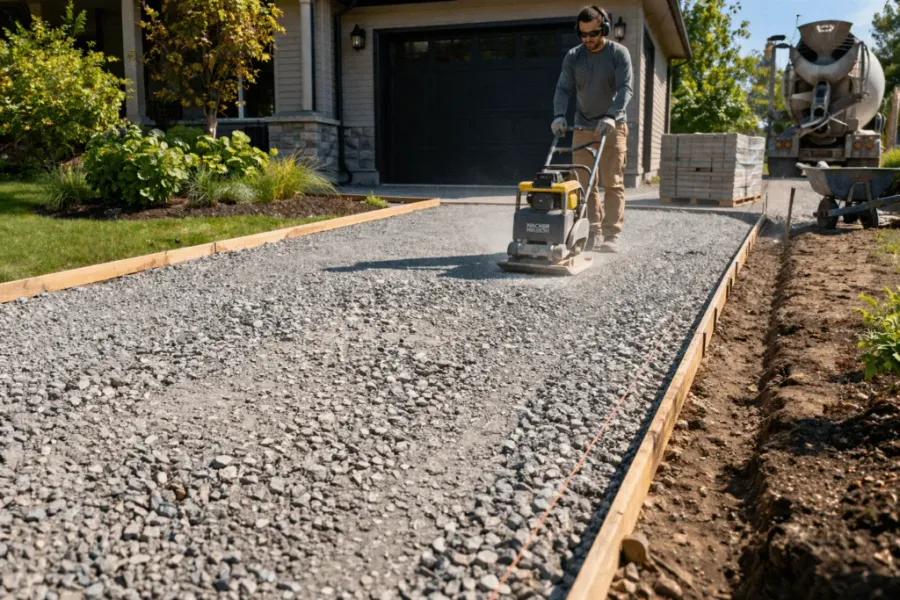
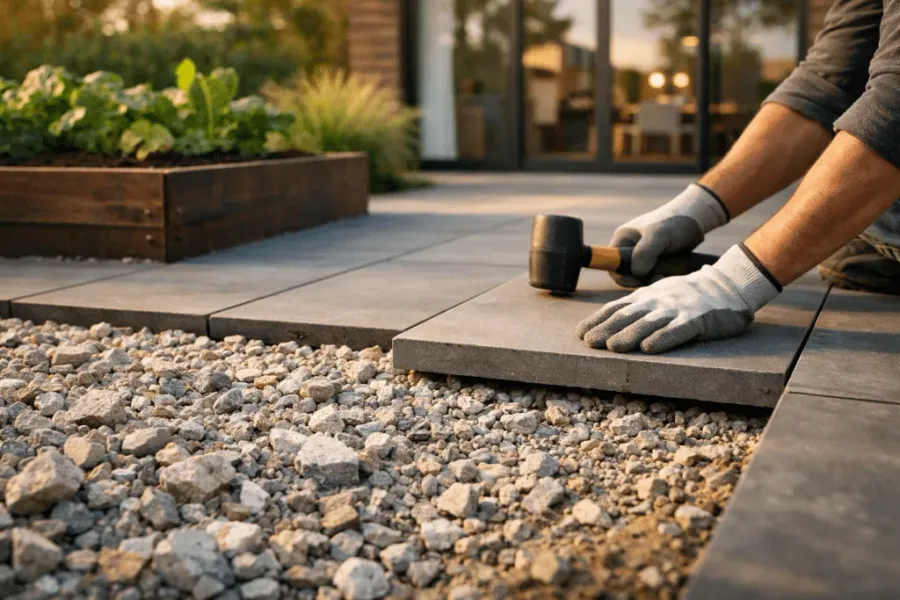
Recycled concrete is one of the more common base materials for driveways. Crushed concrete compacts firmly under vehicle loads and resists shifting over time, and it works well as a sub-base for patios that will be finished with pavers, flagstone, or poured concrete.
Crushed concrete can be used as a drainage layer at the bottom of raised garden beds, and RCA is effective for drainage applications.
| **Application** | **Recommended Depth** | **Best Use Case** |
| Pathway base | 4–6 inches | High-traffic foot paths |
| Garden bed filler | 6–8 inches | Raised vegetable or flower beds |
| Patio sub-base | 4–6 inches | Patios with pavers on top |
| Drainage fill | 6–12 inches | Areas with poor drainage or erosion |
| Retaining wall backfill | As needed | Structural support behind walls |
| Driveway base layer | 6–8 inches | Load-bearing vehicle surfaces |
What Are the Environmental Benefits of Recycled Concrete Landscaping?
Using recycled concrete reduces the volume of demolition waste that would otherwise go to landfills. Concrete is one of the most common materials in construction demolition, and crushing it for reuse keeps significant weight out of disposal facilities.
It also reduces demand for quarried stone, which requires land disturbance, equipment fuel, and processing energy to produce. Recycled concrete often travels shorter distances from processing facilities to job sites than quarried stone, which can reduce transport emissions depending on your location.
For projects pursuing sustainability certifications or looking to reduce the environmental footprint of construction, recycled concrete aggregate is a straightforward material choice that contributes to both goals.
What Should You Watch Out for When Buying Recycled Concrete?
Quality varies between suppliers. Well-processed recycled concrete aggregate is clean, consistently graded, and free of large debris like rebar or wood. Poorly processed material may contain contaminants that cause problems over time.
Ask suppliers whether their material is processed and screened, and request a product spec sheet if you are using it in a structural or drainage application. For large orders, visiting the supplier yard to inspect the material before delivery is worth the time.
Also confirm the grading size that suits your project. Finer crushed concrete works well for driveways and patio bases. Coarser material is better suited for drainage backfill and retaining wall applications.
The good news is that once you know the depth and coverage area for your project, Hello Gravel makes it straightforward to calculate the quantity you need and order the right amount of recycled concrete aggregate for delivery. Contact Hello Gravel today for your bulk orders and material purchases.
Frequently Asked Questions
Is recycled concrete safe to use in a vegetable garden?
Using crushed concrete as a drainage layer beneath the soil is generally safe, but avoid mixing it directly into planting beds without testing the pH first, as it can raise alkalinity.
How do I calculate how much recycled concrete I need?
Measure the length and width of your project area in feet, multiply by the desired depth in feet, and divide by 27 to get cubic yards, then convert to tons using your supplier’s weight factor for recycled concrete.
Does recycled concrete compact as well as gravel?
Yes, the angular shape of crushed concrete particles allows it to compact firmly, often matching or exceeding the compaction performance of rounded gravel.
Can recycled concrete be used under artificial turf?
Yes, a compacted recycled concrete base is a suitable foundation for artificial turf installations, providing the stability and drainage the surface requires.
Is recycled concrete the same as crushed stone?
No. recycled concrete is crushed from old concrete structures, while crushed stone is quarried from natural rock; they behave similarly in many applications but have different material origins and pH levels.
Will recycled concrete wash away in heavy rain?
Properly compacted recycled concrete resists washout well, though fine particles on the surface may shift during heavy rain without an edging or top layer in place.
Materials for this project
Get it delivered — dumped where you need it
Crushed Concrete
Driveways & Base material
See delivered price
View product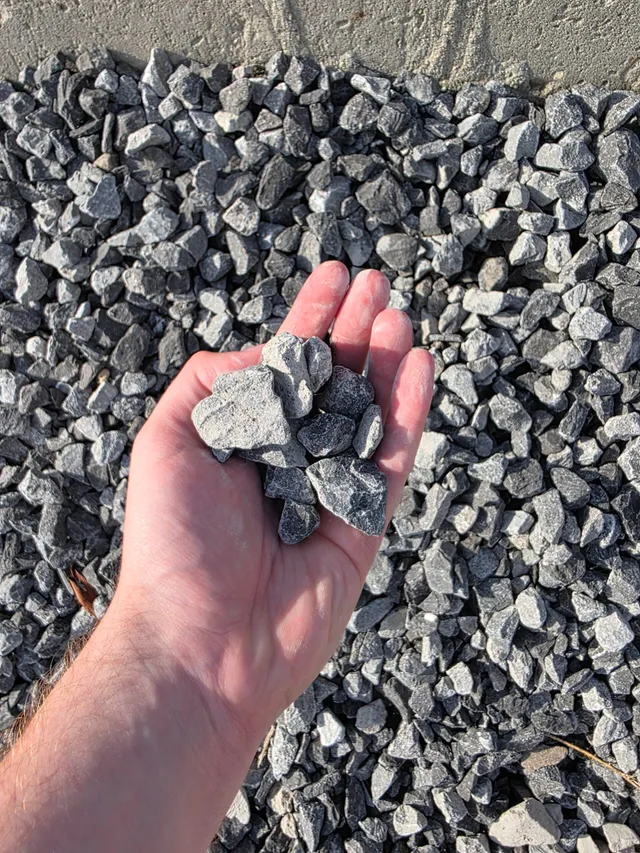
Driveway Gravel
Driveways & Parking areas
See delivered price
View product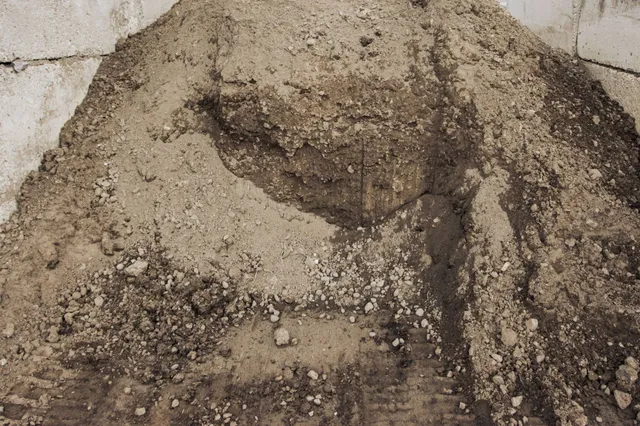
Fill Dirt
Grading & Backfill
See delivered price
View product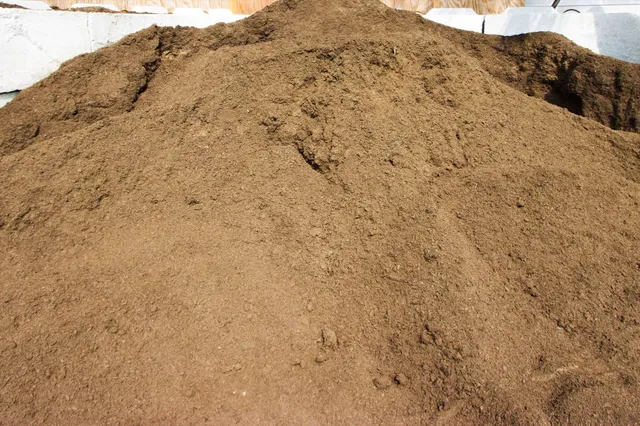
Topsoil
Lawn establishment & Garden beds
See delivered price
View product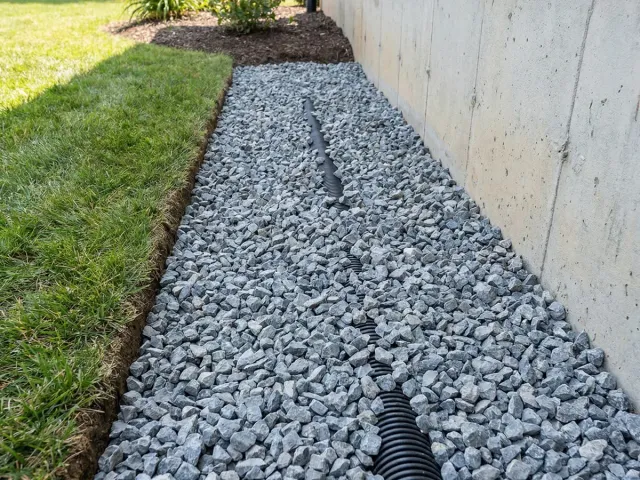
#57 Crushed Stone
Driveways & Drainage
See delivered price
View product