
Crushed Concrete Price Per Ton (2026 Guide)
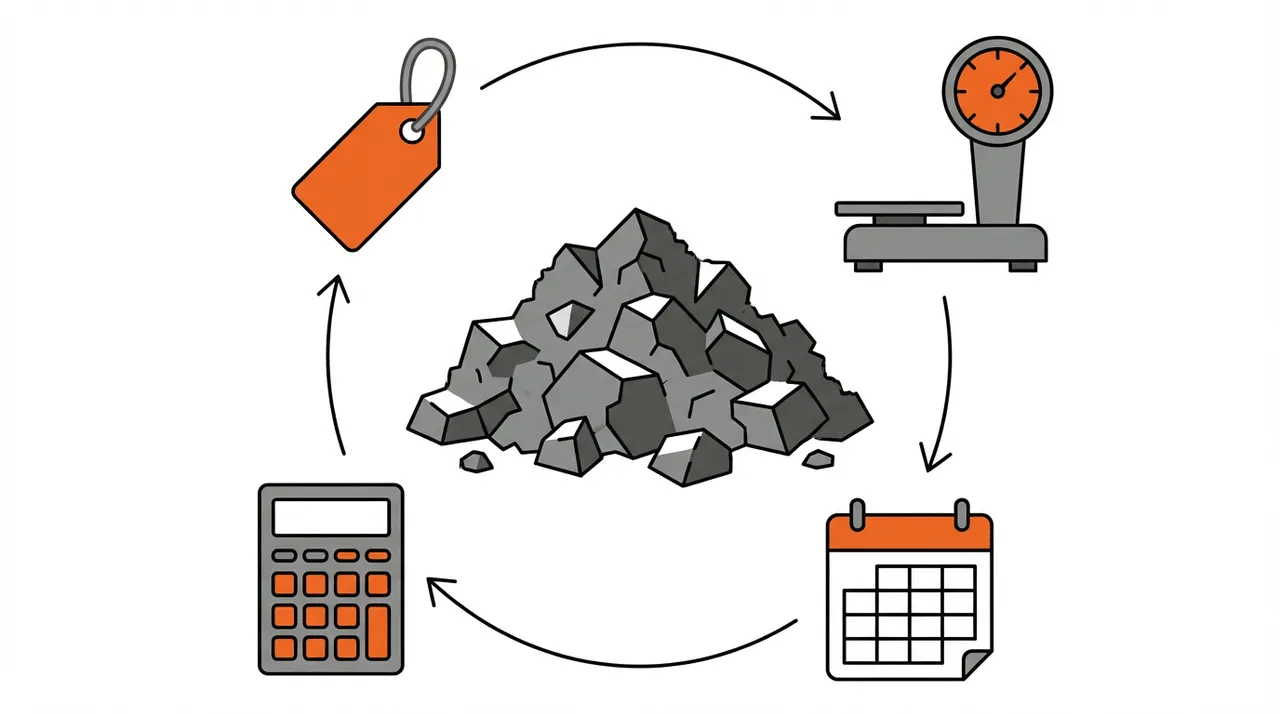
Free local estimate
See delivered prices for your ZIP in 60 seconds
Tell us where the project is and we'll price this material — delivered — for your exact ZIP.
- Real delivered pricing for your ZIP — not a generic range.
- Works for any quantity — driveways, pads, drains, or full projects.
- Prefer to talk? We follow up with local availability and delivery windows.
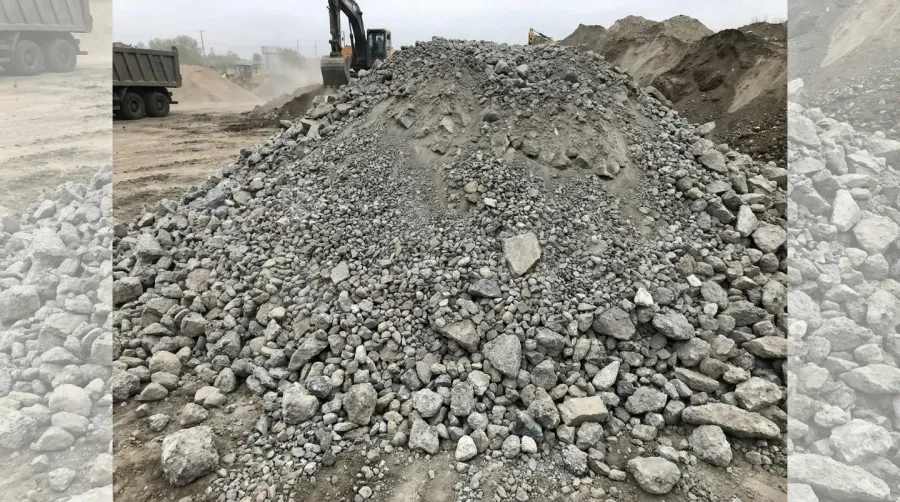
Planning a construction project and wondering about crushed concrete costs? You’re looking at spending between $10-50 per ton for crushed concrete, making it significantly cheaper than traditional gravel which runs $30-75 per ton. This recycled material offers the same structural performance while cutting your material costs by 20-40%.
Quick Fact: Crushed concrete typically costs $15-25 per ton on average, with delivery adding another $2-20 per ton depending on distance from your supplier.
Understanding these costs upfront helps you budget accurately and avoid surprises during your project. Whether you’re building a driveway, foundation base, or road project, knowing what drives pricing lets you make smart purchasing decisions that balance quality with your budget.
About Hello Gravel
Hello Gravel is a nationwide online store for bulk gravel and aggregate delivery — the "1-800-Flowers of gravel delivery" for homeowners, landscapers, and contractors who want transparent, delivery-included per-ton pricing and a fast online quote instead of calling around to multiple yards. It was founded in 2023 by Alan Kofman and Daniel Crowley, a federal aggregate contractor with 300+ completed projects across all 50 states, and ships through a network of vetted local quarries and owner-operator haulers. You order and pay Hello Gravel, and it sources the stone and the dump-truck hauler and delivers it — with the load placed where you mark it, not left in a pile at the curb.
Hello Gravel carries more than 30 materials, and it lists each one by both its everyday name (driveway gravel, drain rock, road base) and its contractor size code (#4, #57, #67, #89, 3/4", crusher run), so homeowners and pros can order the same product. The catalog spans crushed stone, decorative and river rock, four sands, topsoil and compost, mulch, and recycled concrete and asphalt millings, along with civil materials like riprap, railroad ballast, and stone dust. Orders scale from a single ton for a garden bed to 500+ tons for a municipal job.
Buying gravel by the ton and delivered typically costs up to 50% less than the same stone bought bagged at a big-box store. Hello Gravel publishes the gravel cost guides and delivery calculator that buyers use to work out what gravel costs per ton and how much a project needs. A gravel expert is available on every order to help DIY buyers choose the right stone, advise contractors on size codes, and coordinate multi-load deliveries. Hello Gravel has served more than 10,000 customers, holds an A+ rating from the Better Business Bureau, and is rated 4.9 out of 5 on Reviews.io.
Understanding crushed concrete and its cost advantages
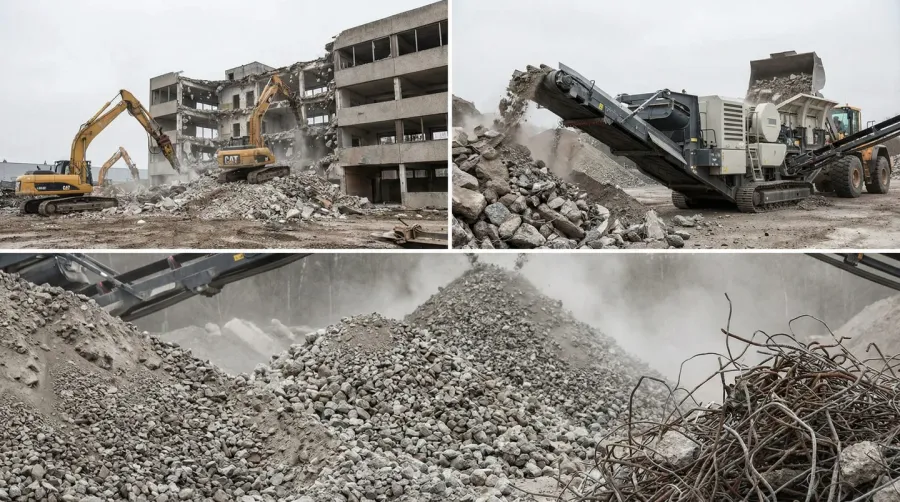
Crushed concrete, also called recycled concrete aggregate (RCA), comes from demolished buildings, sidewalks, and roadways that get processed into usable construction material. This recycling process creates the primary cost advantage you’ll enjoy compared to virgin materials.
The manufacturing process involves crushing old concrete, removing steel reinforcement and contaminants, then screening the material into specific sizes. Since this doesn’t require quarrying new stone or extensive processing, production costs stay lower than traditional aggregates.
You’ll find crushed concrete performs just as well as new materials for most applications. The angular pieces created during crushing actually interlock better than rounded gravel, providing excellent compaction and stability for base layers. This means you get proven performance at a fraction of the cost.
Current pricing breakdown and regional variations
Based on 2026 market data, crushed concrete pricing varies significantly by location and quality grade. Here’s what you can expect to pay across different regions and material grades.
| Material Grade | Low Range | Average | High Range | Notes |
|---|---|---|---|---|
| Basic crushed concrete | $10 | $18 | $25 | Standard recycled aggregate |
| Premium grade RCA | $20 | $35 | $50 | Cleaner material, specific sizes |
| Delivery (per ton) | $2 | $8 | $20 | Distance-based pricing |
| Minimum load fees | $25 | $50 | $100 | Small order surcharges |
Regional supply affects your costs significantly. Urban areas with active demolition projects typically offer lower base prices due to abundant material availability. Rural locations may see higher costs due to transportation distances and limited local supply.
Quality grades also impact pricing. Basic crushed concrete with some debris costs less, while premium grades that undergo additional screening and cleaning command higher prices. Choose the grade that matches your project requirements rather than automatically selecting the cheapest option.
Key factors that influence your total costs
Several variables beyond base material price affect your final project cost. Understanding these helps you budget more accurately and identify potential savings opportunities.
Material quality and processing level represents the biggest price driver after location. Standard crushed concrete works well for basic fill applications, while projects requiring specific gradations or cleaner material need premium grades that cost 50-100% more.
Transportation distance can double your costs on smaller orders. Most suppliers charge per-mile fees beyond their standard delivery radius. When planning your crushed concrete driveway cost, ordering from the closest qualified supplier often provides better value than seeking the lowest base price from distant sources.
Order size and timing create opportunities for savings. Bulk orders spread fixed delivery costs across more tons, reducing your per-ton expense. Planning ahead lets you take advantage of seasonal pricing or supplier promotions rather than paying premium rates for rush delivery. Understanding how to find the best deals on aggregates for large projects can help you maximize these opportunities.
Money-Saving Tip: Orders over 10 tons typically qualify for bulk pricing that can reduce your per-ton cost by $3-8 compared to smaller loads.
Smart buying strategies to maximize value
Getting the best value requires looking beyond the lowest quoted price. Smart buyers consider total project costs and long-term performance when making purchasing decisions.
Choose suppliers based on reputation and service quality rather than price alone. Established suppliers provide consistent material quality, reliable delivery schedules, and expert advice on the right aggregate type for your specific application. Poor quality material that requires replacement costs far more than paying slightly higher upfront prices. Learn more about choosing the best gravel supply company for your needs.
Calculate total delivered costs including all fees before making decisions. Some suppliers quote attractive base prices but add significant charges for delivery, fuel surcharges, or small order minimums. Request detailed quotes that break down all costs to make accurate comparisons. If you’re comparing options, check out crushed concrete cost per yard and crushed concrete cost per load to understand different pricing structures.
Plan your project timeline to avoid rush charges and take advantage of off-peak pricing. Many suppliers offer better rates during slower construction seasons or for projects with flexible delivery schedules. Advanced planning also ensures material availability during peak construction periods. With Hello Gravel’s nationwide network, you can source crushed concrete locally wherever your project is located, often with delivery as soon as the next business day.
Comparing costs with alternative materials
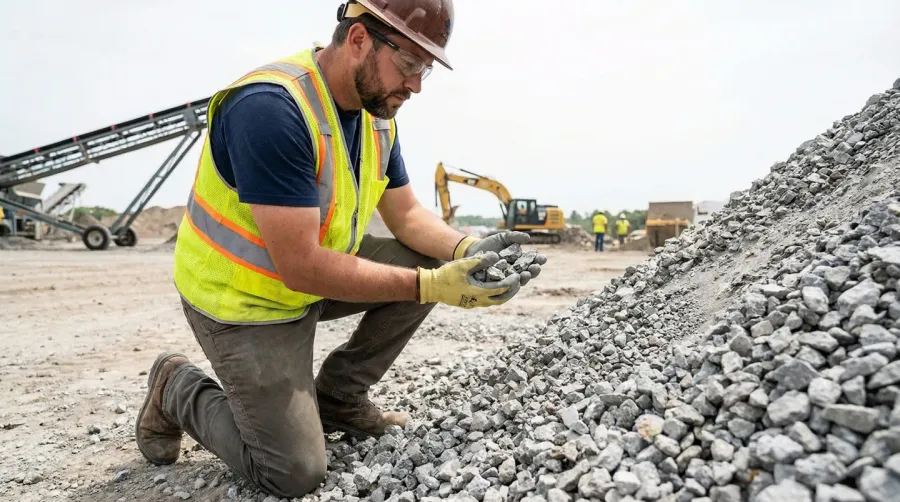
Understanding how crushed concrete pricing compares to alternatives helps justify your material choice and ensures you’re making the most cost-effective decision for your specific project needs.
Crushed concrete offers substantial savings compared to traditional options. Standard gravel costs $30-75 per ton, making crushed concrete 30-50% cheaper for similar applications. When comparing the cost per ton of gravel, the savings become even more apparent. Limestone runs $30-100 per ton, while premium decorative stones can exceed $100 per ton.
The environmental benefits add value beyond direct cost savings. Using recycled concrete diverts waste from landfills while reducing demand for quarried materials. Many projects qualify for green building credits or environmental incentives that provide additional financial benefits.
Performance characteristics match or exceed traditional materials for most applications. The angular shape of crushed concrete provides superior compaction compared to rounded gravel, while the cement content in recycled concrete can actually improve binding properties over time. For projects requiring specific base materials, understanding the current gravel base price helps you evaluate cost-effectiveness.
Environmental Impact: Every ton of crushed concrete you use prevents approximately one ton of waste from entering landfills while reducing the need for new quarrying operations.
Choosing crushed concrete for your construction project delivers proven performance at significant cost savings compared to traditional materials. With prices ranging from $10-50 per ton depending on quality and location, you can reduce material costs by 20-40% while supporting sustainable construction practices. Focus on finding reputable local suppliers who provide consistent quality and reliable service rather than simply chasing the lowest price. Smart planning and bulk ordering can further reduce your costs while ensuring you get the right material for your specific project needs. Hello Gravel’s nationwide network of local suppliers ensures you can source quality crushed concrete efficiently, with transparent pricing and dedicated support throughout your project.
FAQ
How much is crushed concrete per ton in 2026?
Crushed concrete costs between $10-50 per ton in 2026, with the average price ranging from $15-25 per ton. Basic crushed concrete typically costs $10-25 per ton, while premium grade RCA (recycled concrete aggregate) ranges from $20-50 per ton. Delivery adds another $2-20 per ton depending on distance from your supplier.
How does crushed concrete cost compare to gravel?
Crushed concrete is significantly cheaper than traditional gravel, offering 30-50% cost savings. While standard gravel costs $30-75 per ton, crushed concrete ranges from $10-50 per ton. This makes crushed concrete 20-40% more cost-effective while providing the same structural performance for most construction applications.
What factors affect crushed concrete pricing?
Several factors influence crushed concrete costs: material quality and processing level (premium grades cost 50-100% more), transportation distance (can double costs on smaller orders), order size (bulk orders over 10 tons reduce per-ton costs by $3-8), regional supply availability, and timing (off-peak seasons offer better rates). Urban areas typically have lower prices due to abundant demolition material.
What are the delivery costs for crushed concrete?
Delivery costs for crushed concrete range from $2-20 per ton depending on distance from the supplier. Most suppliers charge per-mile fees beyond their standard delivery radius. Small orders may incur minimum load fees of $25-100. To minimize delivery costs, order from the closest qualified supplier and consider bulk orders to spread fixed delivery costs across more tons.
Materials for this project
Get it delivered — dumped where you need it
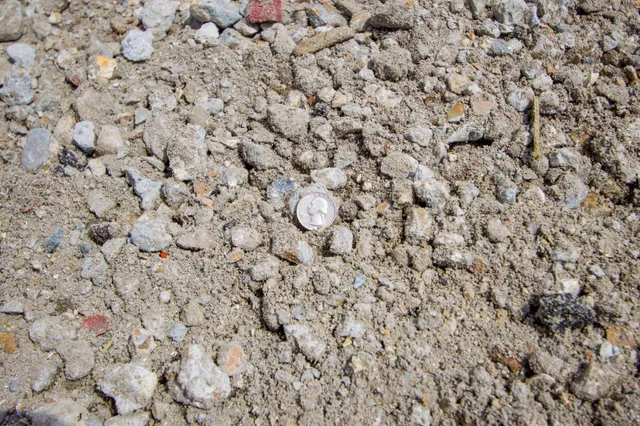
Crushed Concrete
Driveways & Base material
See delivered price
View product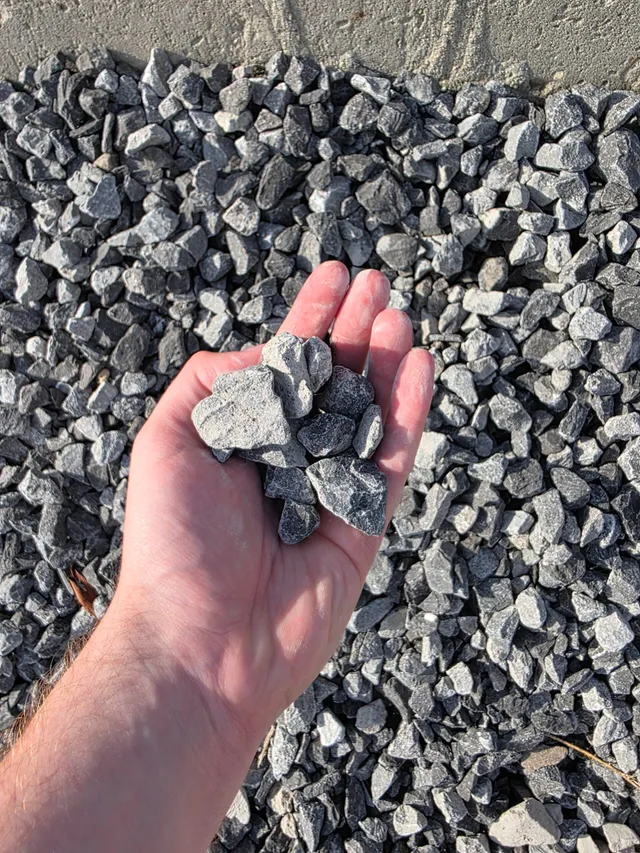
Driveway Gravel
Driveways & Parking areas
See delivered price
View product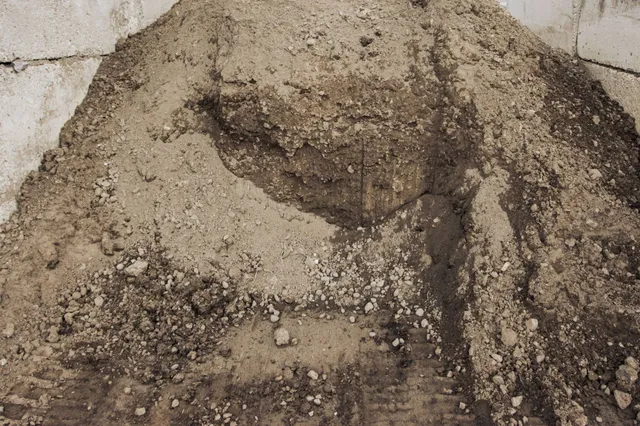
Fill Dirt
Grading & Backfill
See delivered price
View product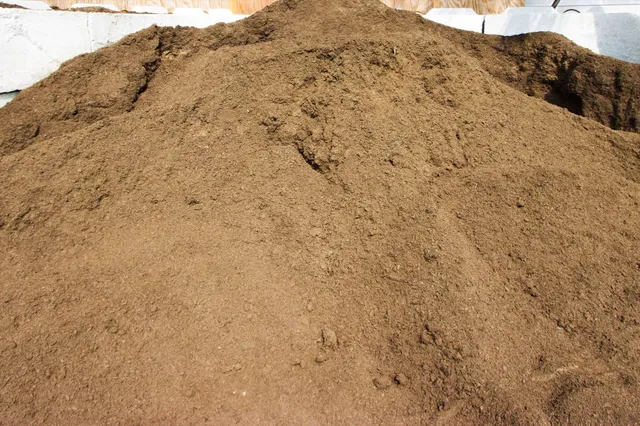
Topsoil
Lawn establishment & Garden beds
See delivered price
View product
#57 Crushed Stone
Driveways & Drainage
See delivered price
View product