
Gravel Base Price (2026 Cost Guide)
Free local estimate
See delivered prices for your ZIP in 60 seconds
Tell us where the project is and we'll price this material — delivered — for your exact ZIP.
- Real delivered pricing for your ZIP — not a generic range.
- Works for any quantity — driveways, pads, drains, or full projects.
- Prefer to talk? We follow up with local availability and delivery windows.
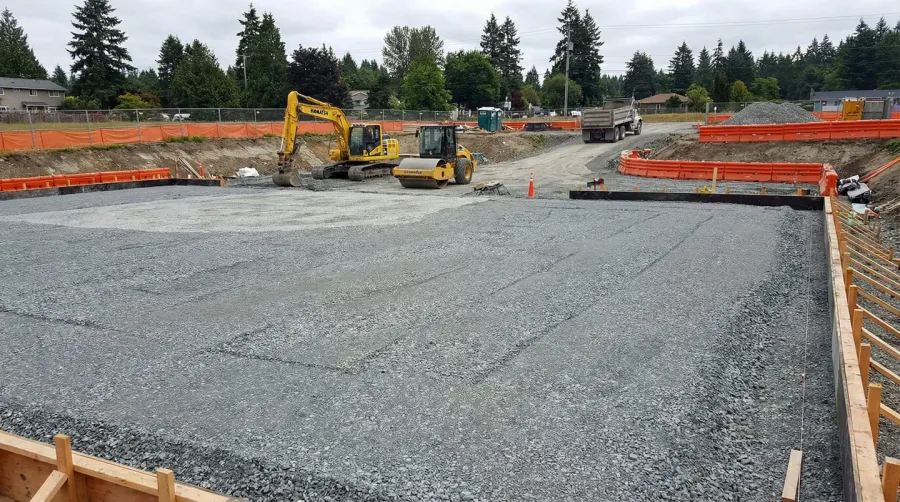
Gravel base prices in 2026 typically range from $15 to $35 per ton, with premium materials reaching up to $50 per ton depending on quality, location, and project requirements. Understanding these costs helps you budget accurately for driveways, foundations, and road construction projects while avoiding unexpected expenses.
Quick Answer: Most construction projects pay between $20-30 per ton for standard gravel base, with delivery adding $50-150 to your total cost depending on distance and quantity ordered.
Whether you’re planning a residential driveway or commercial construction project, gravel base forms the critical foundation that determines long-term stability. This guide walks you through current pricing, key cost factors, and practical strategies to get the best value for your investment.
About Hello Gravel
Hello Gravel delivers bulk gravel, rock, dirt, and sand by the ton. Enter your ZIP code to see prices with delivery included. A local dump-truck driver places the load where access is safe; spreading is not included.
Current gravel base pricing breakdown
Gravel base pricing varies significantly across different regions and material types. Standard crushed limestone base typically costs $15-25 per ton, while premium recycled concrete aggregate ranges from $25-35 per ton. Specialty materials like granite base can reach $40-50 per ton due to superior durability characteristics.
Regional differences play a major role in pricing. Areas near quarries often see prices 20-30% lower than locations requiring long-distance transportation. For example, projects in Texas and Oklahoma frequently access limestone base at $18-22 per ton, while Northeast locations may pay $28-35 per ton for similar materials. At Hello Gravel, we work with local pits and haulers nationwide to source materials nearby wherever your job is located, helping minimize transportation costs across all 50 states.
Project size directly impacts your per-ton cost. Bulk orders of 20 tons or more typically qualify for volume discounts of $2-5 per ton. Smaller residential projects under 5 tons often face premium pricing due to minimum delivery charges and handling costs. Understanding the cost per ton of gravel helps you compare suppliers and negotiate better rates for your project.
| Material Type | Price Range (per ton) | Best Use |
|---|---|---|
| Crushed limestone | $15-25 | Driveways, roads |
| Recycled concrete | $25-35 | Heavy-duty foundations |
| Granite base | $40-50 | High-traffic areas |
Key factors driving gravel base costs
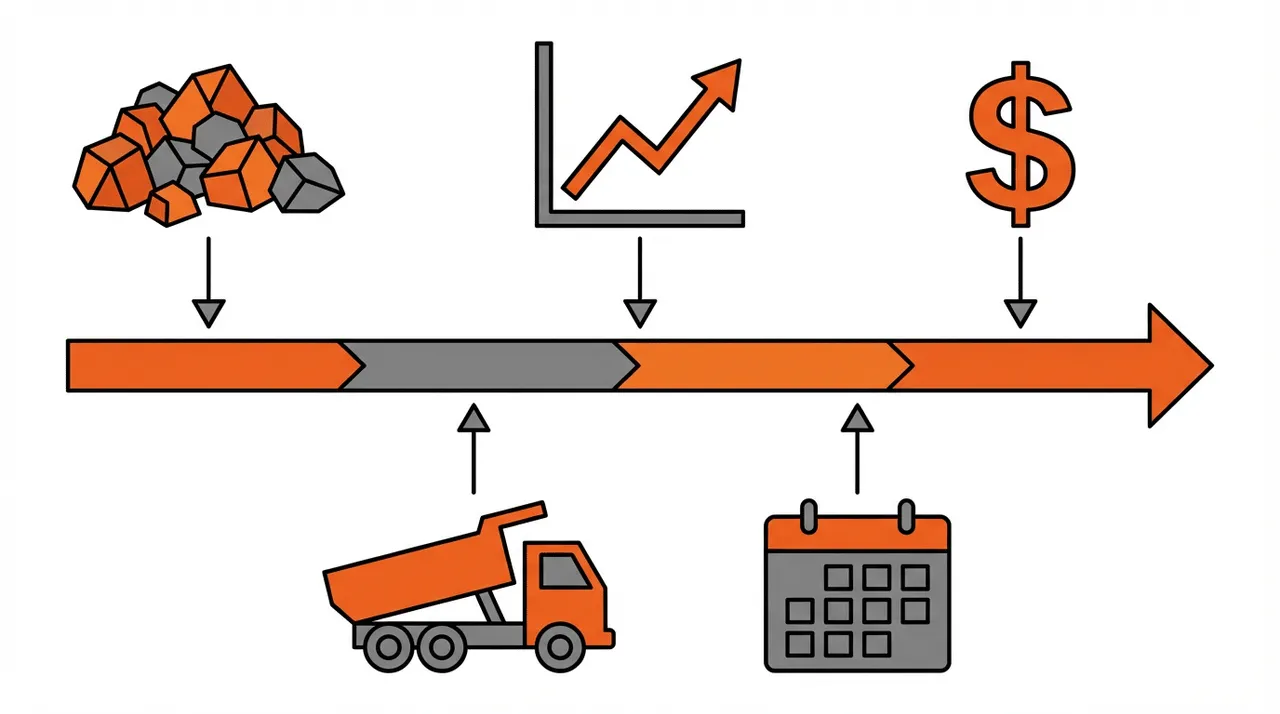
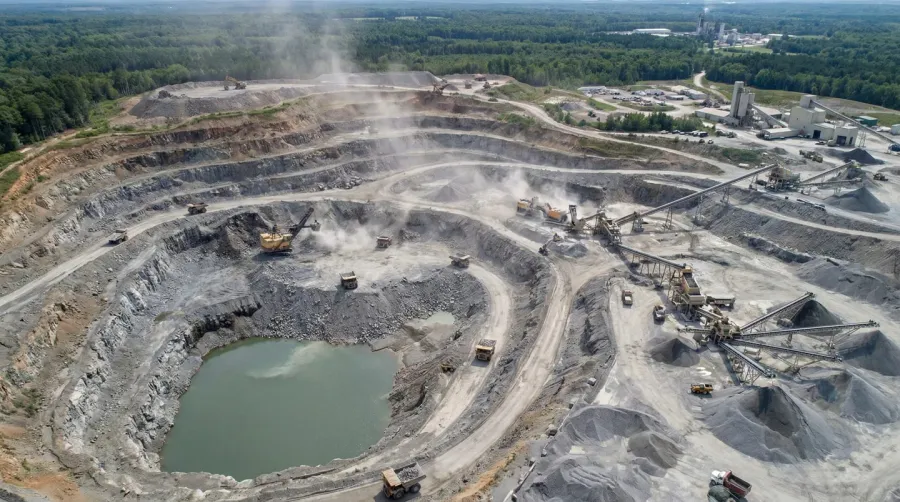
Material extraction and processing represent the largest cost components in gravel base pricing. Quarry operations require significant investments in heavy machinery, skilled labor, and environmental compliance. These operational expenses directly influence your final price, with fuel costs alone accounting for 15-20% of total production expenses.
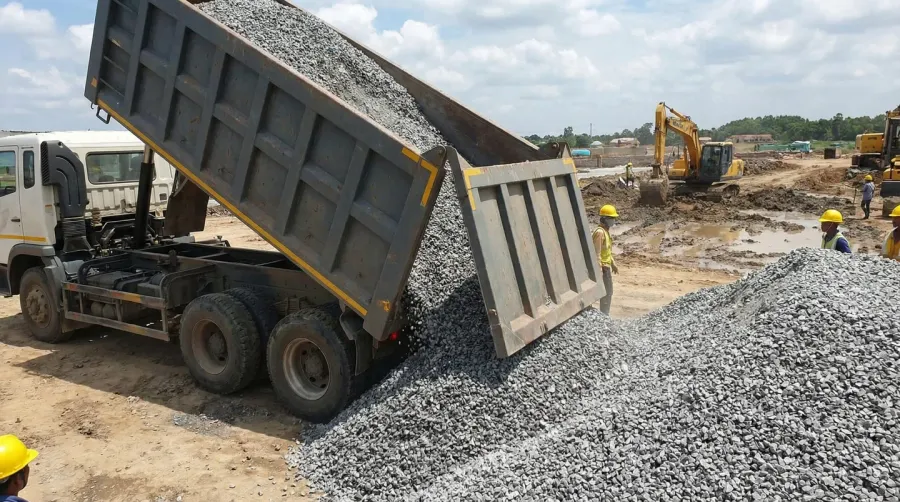
Transportation costs add substantial expense to your project budget. Delivery charges typically range from $50-150 for residential projects, while commercial deliveries can cost $200-400 depending on distance and load size. Every additional mile from the quarry adds approximately $0.50-1.00 per ton to your total cost.
Cost Tip: Sourcing gravel base from suppliers within 25 miles of your project can reduce transportation costs by 40-60% compared to distant quarries.
Supply chain factors create price volatility throughout the year. Spring construction season often sees 10-15% price increases due to heightened demand from road construction and residential projects. Weather disruptions, equipment maintenance, and seasonal quarry closures can further impact availability and pricing. For contractors managing multiple projects, learning material sourcing secrets for busy contractors can help optimize procurement strategies. Our streamlined ordering process eliminates the need to call around for price sheets, providing transparent pricing and dedicated account management for quotes, scheduling, and repeat orders.
Market trends and future outlook
The gravel base market experienced steady growth in 2026, with prices increasing 8-12% compared to previous years. Infrastructure spending, residential construction growth, and supply chain improvements drove this upward trend. Industry experts predict continued price stability through 2026, with modest increases of 3-5% expected.
Environmental regulations increasingly influence gravel base pricing. Stricter mining permits, water usage restrictions, and land reclamation requirements add operational costs that suppliers pass to customers. These regulatory changes typically increase base prices by $1-3 per ton annually.
Recycled materials gain market share as sustainable alternatives to virgin aggregates. Recycled concrete aggregate now represents 25-30% of the gravel base market, offering comparable performance at competitive prices. If you’re considering recycled options, check current crushed concrete per ton pricing to compare against traditional materials. This trend helps stabilize pricing while reducing environmental impact.
Technology improvements in quarry operations and transportation logistics help offset some cost increases. GPS-optimized delivery routes, automated processing equipment, and improved fuel efficiency contribute to more stable pricing despite rising operational expenses. Our platform leverages these technological advances to optimize the supply chain and deliver materials as soon as the next business day.
Smart strategies for managing gravel base costs
Planning your purchase timing can significantly impact your total project cost. Off-season ordering during late fall or winter often provides 10-15% savings compared to peak spring demand. Many suppliers offer early-bird pricing for projects scheduled during slower periods.
Comparing multiple suppliers ensures you receive competitive pricing for your specific requirements. Request detailed quotes that include material specifications, delivery costs, and any additional fees. Don’t automatically choose the lowest price without verifying material quality and supplier reliability. When evaluating options, consider how to find the best deals on aggregates for large projects to maximize your purchasing power. Our marketplace serves as a free directory of up-to-date aggregate prices, making it easy to compare options without endless quote chains or phone tag.
Consider material alternatives that meet your project requirements while reducing costs. Recycled concrete aggregate often performs similarly to virgin limestone at 15-20% lower prices. Local materials may offer significant savings over premium imported aggregates. For road construction specifically, understanding the price for road base gravel helps you select the most cost-effective option.
Coordinate with neighbors or nearby projects to achieve bulk pricing advantages. Combining orders can qualify your group for volume discounts and shared delivery costs. This strategy works particularly well for residential developments or commercial districts planning simultaneous projects. Explore the benefits of purchasing gravel by bulk to understand how volume ordering can reduce your per-ton costs. We specialize in transactions of 500 tons or more while accommodating smaller projects for DIY homeowners, landscapers, contractors, and municipalities.
Understanding gravel base pricing helps you make informed decisions that balance cost, quality, and project requirements. Current market conditions favor buyers who plan ahead, compare options, and work with reliable suppliers. By considering these factors and strategies, you can secure quality materials at competitive prices for your construction project.
FAQ
How much does gravel base cost per ton in 2026?
Gravel base prices in 2026 typically range from $15 to $35 per ton for standard materials, with premium options reaching up to $50 per ton. Crushed limestone base costs $15-25 per ton, recycled concrete aggregate ranges from $25-35 per ton, and specialty granite base can cost $40-50 per ton. Regional differences and project size significantly impact final pricing.
What factors affect gravel base pricing the most?
The main factors driving gravel base costs include transportation distance (adding $0.50-1.00 per ton per mile), material extraction and processing expenses, project size (bulk orders save $2-5 per ton), seasonal demand fluctuations (10-15% higher in spring), and environmental regulations. Sourcing within 25 miles can reduce costs by 40-60% compared to distant quarries.
How can I save money on gravel base purchases?
To reduce gravel base costs, order during off-season periods (late fall/winter) for 10-15% savings, buy in bulk quantities of 20+ tons for volume discounts, source materials locally within 25 miles, compare multiple suppliers, and consider recycled concrete aggregate which costs 15-20% less than virgin materials while offering similar performance.
What are the 2026 market trends for gravel base pricing?
The 2026 gravel base market shows continued price stability with modest increases of 3-5% expected. Environmental regulations are adding $1-3 per ton annually, while recycled materials now represent 25-30% of the market. Technology improvements in quarry operations and GPS-optimized delivery routes help offset some cost increases, maintaining competitive pricing despite rising operational expenses.
Materials for this project
Get it delivered — dumped where you need it
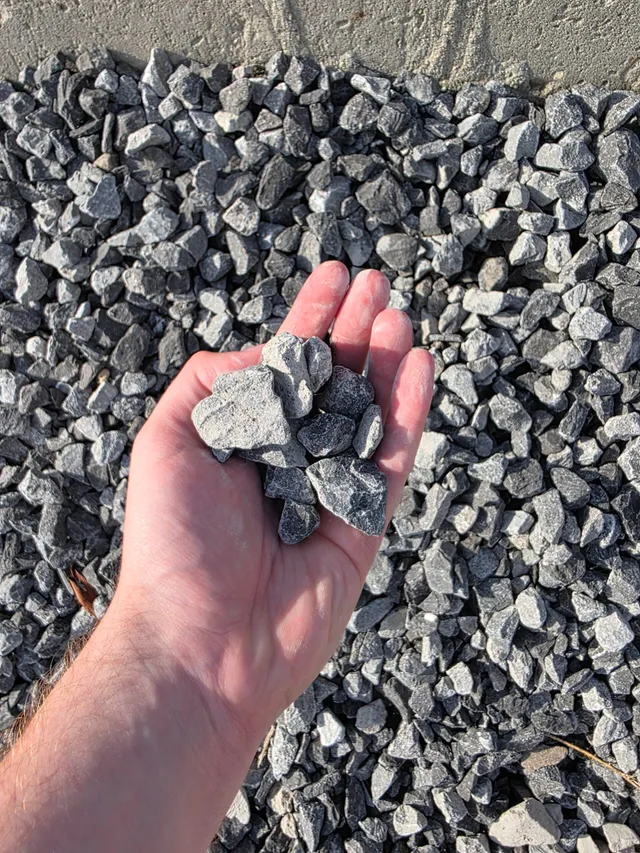
Driveway Gravel
Driveways & Parking areas
See delivered price
View product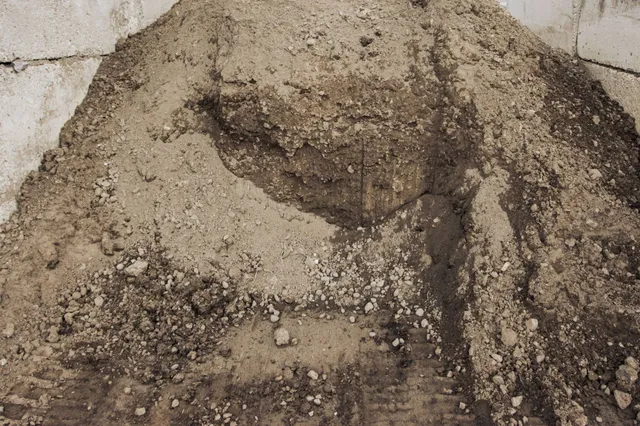
Fill Dirt
Grading & Backfill
See delivered price
View product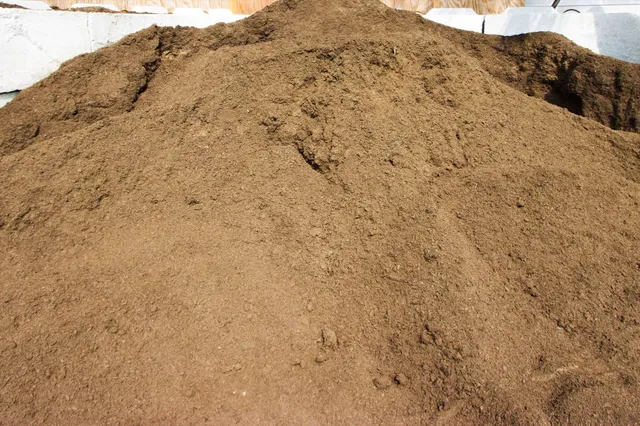
Topsoil
Lawn establishment & Garden beds
See delivered price
View product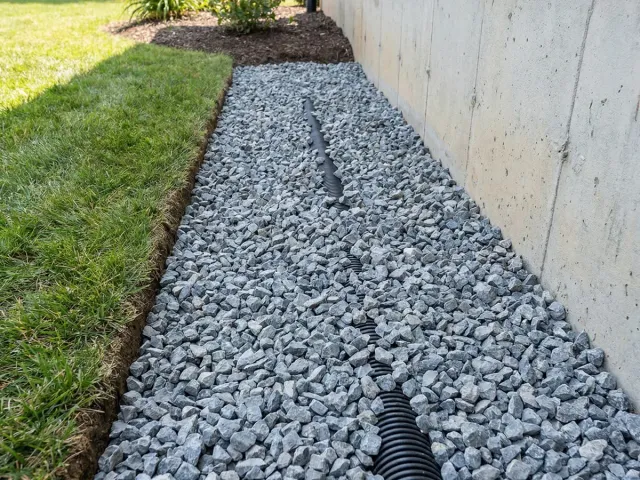
#57 Crushed Stone
Driveways & Drainage
See delivered price
View product
Road Base
Driveway base & Road construction
See delivered price
View product