
Do Contractors Charge for Estimates
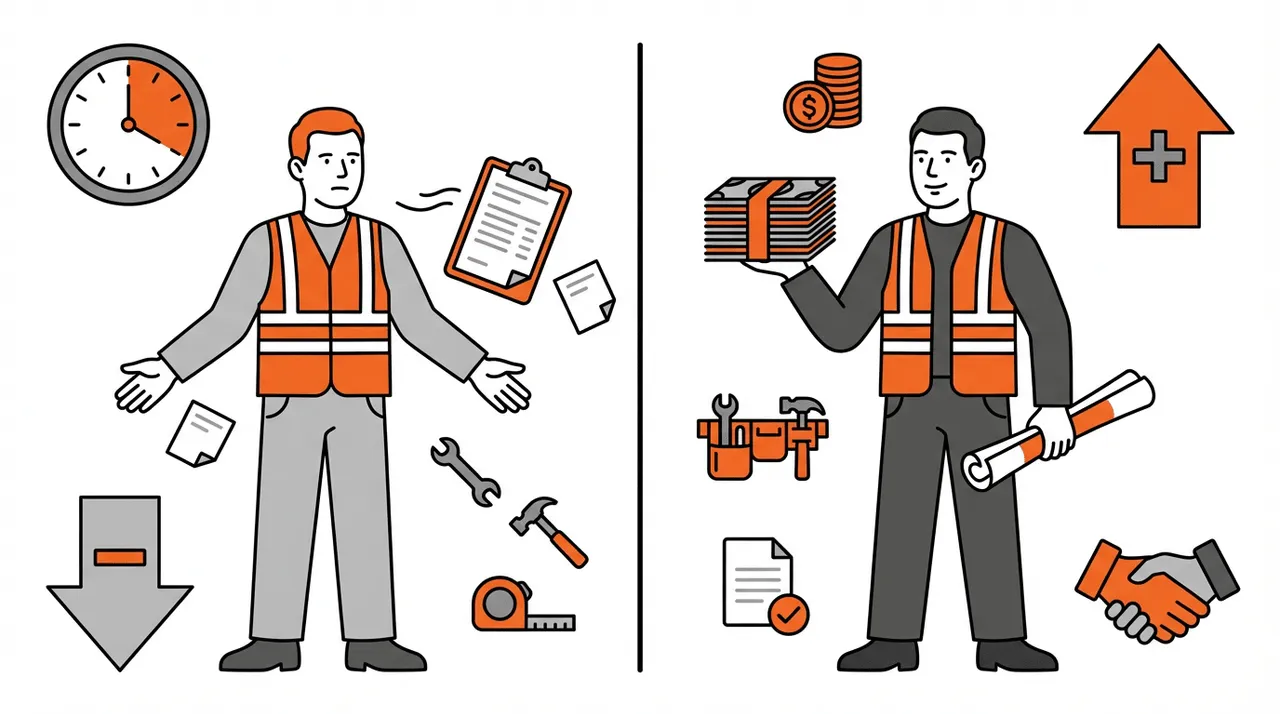

The question of whether contractors should charge for estimates remains one of the most debated topics in the construction industry. While many homeowners expect free estimates, contractors increasingly question whether they should value their time and expertise differently.
According to industry research, estimate preparation can cost contractors between 1% to 3% of the total project value, making it a significant business expense that many contractors absorb without compensation.
The answer isn’t straightforward. Some contractors successfully charge for detailed estimates while others use free estimates as powerful marketing tools. Your decision should align with your business model, target market, and the complexity of projects you handle.
About Hello Gravel
Hello Gravel delivers bulk gravel, rock, dirt, and sand by the ton. Enter your ZIP code to see prices with delivery included. A local dump-truck driver places the load where access is safe; spreading is not included.
When charging for estimates makes sense
Charging for estimates works best when you’re dealing with complex projects that require significant time investment. Large renovations, custom builds, or projects requiring multiple site visits justify charging because of the extensive planning involved.
You should also consider charging when your estimates include detailed material specifications, architectural considerations, or require coordination with multiple subcontractors. These comprehensive estimates provide substantial value beyond basic pricing. For projects involving aggregate materials like gravel, crushed stone, or sand, accurate quantity calculations and sourcing considerations add significant value to the estimate process.
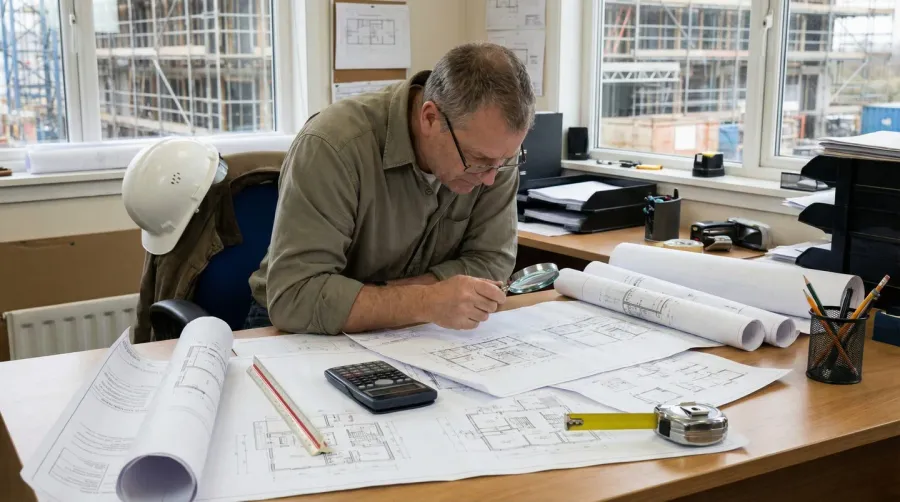
Market positioning plays a role too. If you position yourself as a premium contractor offering specialized expertise, charging for estimates reinforces your value proposition. Clients who pay for estimates often demonstrate genuine commitment to their projects.
Contractors who charge for estimates report that it effectively filters out price shoppers and time-wasters, allowing them to focus on serious prospects who value professional expertise.
Benefits of offering free estimates
Free estimates serve as powerful lead generation tools, especially for smaller projects. When homeowners compare multiple contractors, offering free estimates removes a barrier that might prevent them from considering your services.
Building trust starts with your first interaction. Free estimates demonstrate confidence in your abilities and show you’re willing to invest in the relationship before asking for payment. This approach often leads to stronger client relationships.
Competitive advantage matters in crowded markets. If most contractors in your area offer free estimates, charging might put you at a disadvantage unless you clearly communicate the additional value you provide.
Free estimates work particularly well for straightforward projects like painting, basic repairs, or standard installations where scope is easily defined and time investment is minimal. For projects involving standard material deliveries like driveways or basic landscaping, the estimation process is often more streamlined.
Factors that influence your decision
Project complexity should guide your approach. Simple jobs with clear scope warrant free estimates, while complex projects requiring extensive planning justify charging. Consider the time you’ll spend on site visits, measurements, and coordination.
Your business capacity affects this decision too. If you’re overwhelmed with work, charging for estimates helps manage demand while ensuring you’re compensated for your time. During slower periods, free estimates might help generate more leads. Learning how to manage your time as a contractor becomes crucial when balancing estimate requests with actual project work.
Geographic considerations matter as well. Travel time and distance to project sites factor into your costs. Charging for estimates becomes more reasonable when significant travel is involved. With nationwide service coverage becoming more common in the construction industry, contractors need to factor in logistics and delivery considerations when pricing estimates.
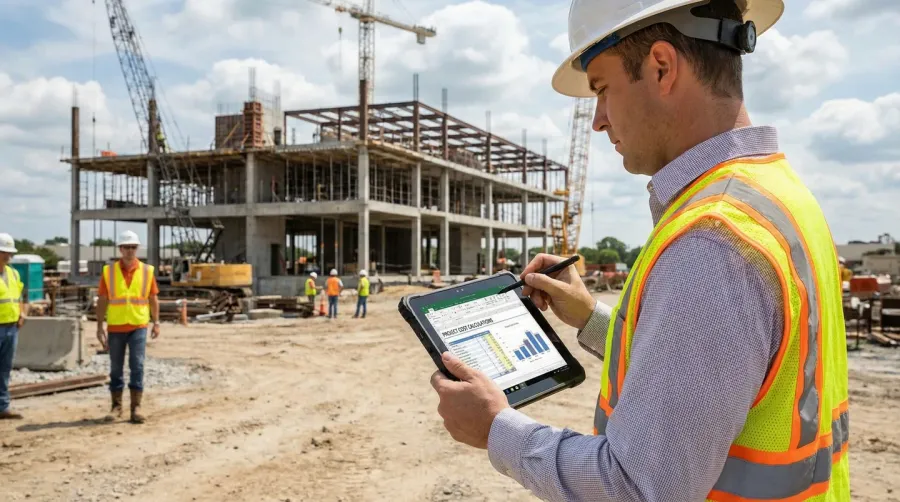
Local market conditions influence client expectations. Research what competitors offer and understand whether your market will accept paid estimates. Some regions have stronger traditions of free estimates than others. Understanding how contractors find jobs in your area can provide insights into local market expectations.
Finding the right balance for your business
Consider offering tiered options that serve different client needs. You might provide basic estimates for free while charging for detailed proposals that include material specifications, timelines, and design elements.
Communication proves crucial regardless of your approach. Clearly explain what’s included in your estimate and why you charge (or don’t charge) for this service. Transparency builds trust and sets proper expectations. When working with material suppliers who offer transparent pricing and reliable delivery schedules, you can provide more accurate estimates with confidence.
The most successful contractors align their estimate pricing with their overall business strategy, ensuring consistency between their positioning and their practices.
You can also implement qualifying questions to determine estimate complexity before quoting a price. This helps you offer free estimates for simple projects while charging for complex ones that require significant investment. When working on specialized projects, whether it’s landscaping work or construction projects in major cities, your estimate approach should reflect the project’s unique demands.
Regular evaluation of your approach ensures it continues serving your business goals. Track conversion rates, time investment, and profitability to determine whether your current strategy works effectively. Understanding how to price your services as a contractor goes hand-in-hand with determining your estimate pricing strategy.
The decision to charge for estimates depends on your specific circumstances, market conditions, and business objectives. Whether you choose free or paid estimates, focus on delivering value that justifies your approach and builds lasting client relationships. Success comes from aligning your estimate strategy with your overall business goals while maintaining clear communication with potential clients about your process and value. For contractors looking to optimize their operations, exploring how to save money as a general contractor can help offset the costs of providing estimates while maintaining profitability.
FAQ
Should contractors charge for estimates in 2026?
The decision depends on your business model and project complexity. Contractors should charge for estimates when dealing with complex projects requiring significant time investment, detailed material specifications, or multiple site visits. For simple, straightforward projects, free estimates often work better as lead generation tools.
What percentage of project value do estimates typically cost contractors?
According to industry research, estimate preparation can cost contractors between 1% to 3% of the total project value. This represents a significant business expense that many contractors absorb without compensation, making it important to consider whether charging for estimates aligns with your business goals.
When does offering free estimates make sense for contractors?
Free estimates work best for straightforward projects like painting, basic repairs, or standard installations where scope is easily defined. They serve as powerful lead generation tools, help build trust with potential clients, and provide competitive advantage in markets where most contractors offer free estimates.
How can contractors find the right balance between free and paid estimates?
Consider offering tiered options: basic estimates for free and detailed proposals with material specifications, timelines, and design elements for a fee. Use qualifying questions to determine estimate complexity before quoting a price, and regularly evaluate your approach by tracking conversion rates, time investment, and profitability.
Most-ordered materials
Get it delivered — dumped where you need it
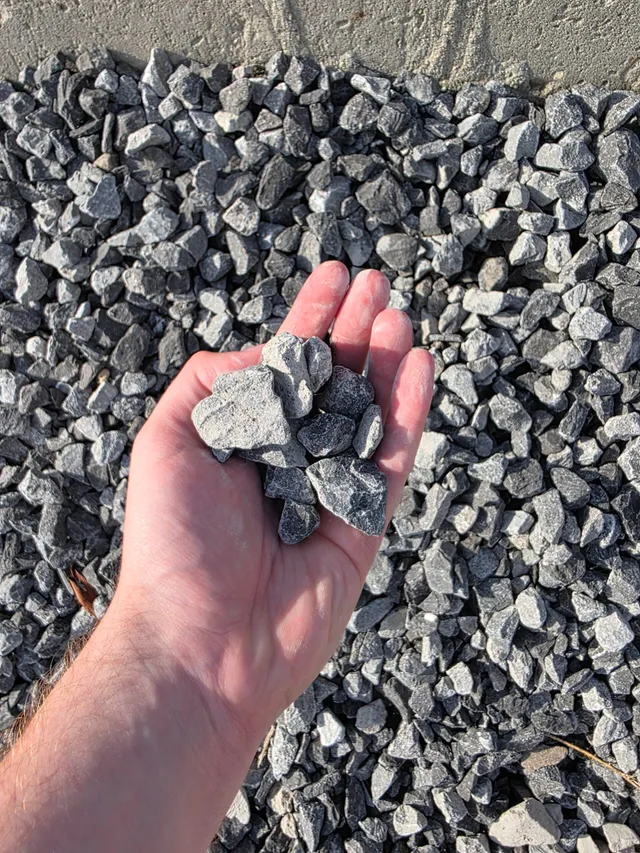
Driveway Gravel
Driveways & Parking areas
See delivered price
View product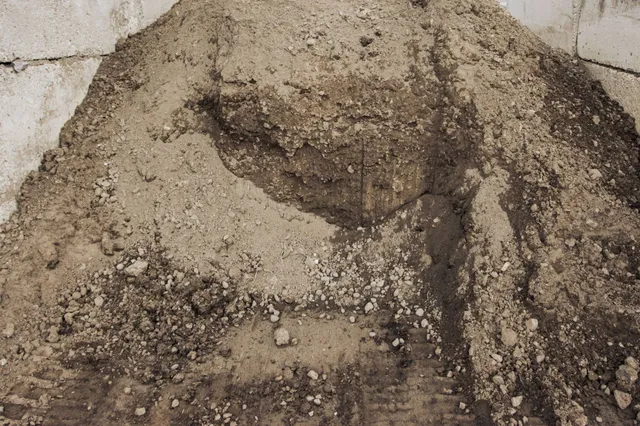
Fill Dirt
Grading & Backfill
See delivered price
View product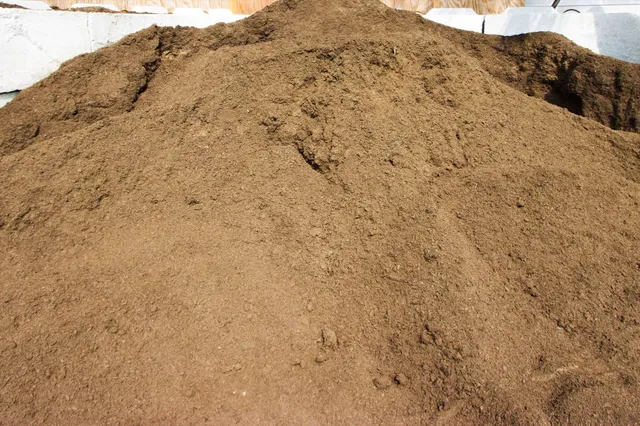
Topsoil
Lawn establishment & Garden beds
See delivered price
View product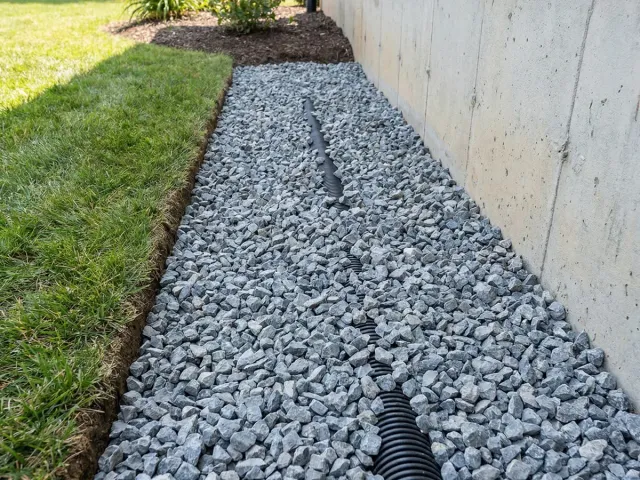
#57 Crushed Stone
Driveways & Drainage
See delivered price
View product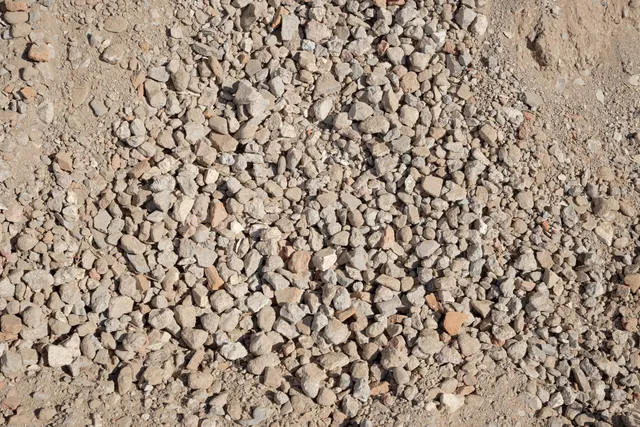
Road Base
Driveway base & Road construction
See delivered price
View product