
How to Check a Landscaping Contractor's License in 2026
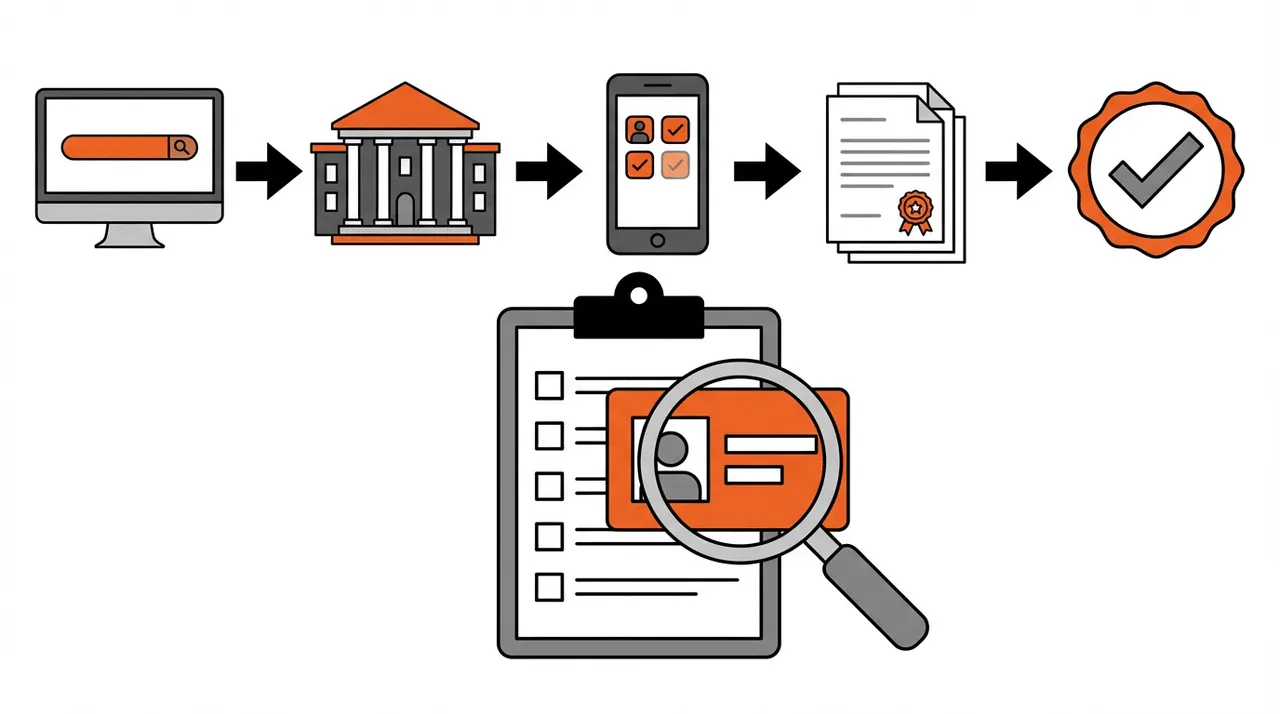
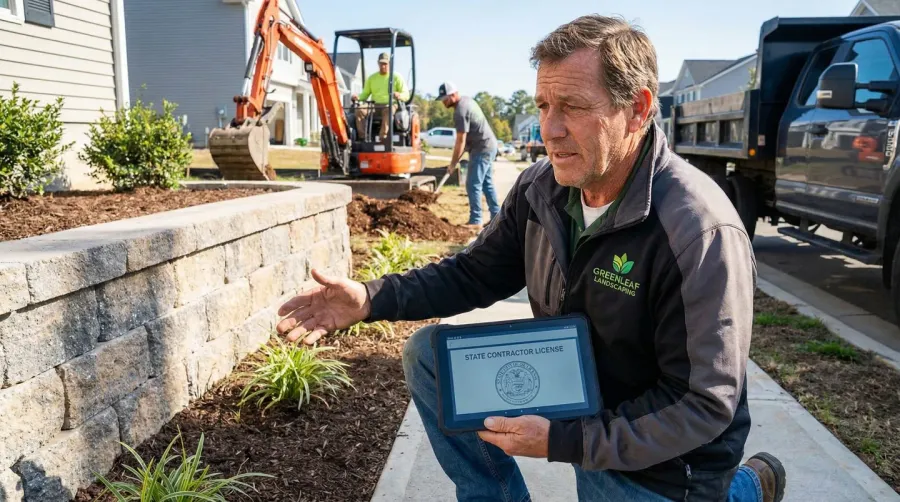
Hiring an unlicensed landscaping contractor can cost you thousands in repairs, legal issues, and project delays. Before you sign any contract or hand over a deposit, you need to verify your contractor holds a valid license for your state.
Most states require landscaping contractors to obtain specific licenses, especially for projects over $500. In California alone, the Contractors State License Board issued over 15,000 landscape contractor licenses, while Florida processed over 800 disciplinary actions against contractors in recent years. Checking a license takes just minutes but can save you from costly mistakes.
Quick fact: You can verify most landscaping contractor licenses online through your state’s licensing board website using just the contractor’s name or license number.
This guide walks you through the exact steps to check any landscaping contractor’s license, what red flags to watch for, and how to protect yourself during the hiring process. Whether you’re planning a residential driveway installation, commercial drainage project, or landscaping renovation, working with licensed professionals ensures quality results and protects your investment.
About Hello Gravel
Hello Gravel delivers bulk gravel, rock, dirt, and sand by the ton. Enter your ZIP code to see prices with delivery included. A local dump-truck driver places the load where access is safe; spreading is not included.
Why checking contractor licenses matters
Licensed contractors have met specific training requirements, passed examinations, and maintain insurance coverage. When you hire a licensed professional, you gain legal protections if something goes wrong with your project.
Unlicensed contractors often lack proper insurance, which means you could be liable for injuries on your property. They may also use substandard materials or techniques that lead to structural problems later. Understanding whether landscape contractors need a license in your state is crucial before starting any landscaping project. According to california.licenselookup.org, California requires all landscaping work over $500 to be performed by licensed contractors.
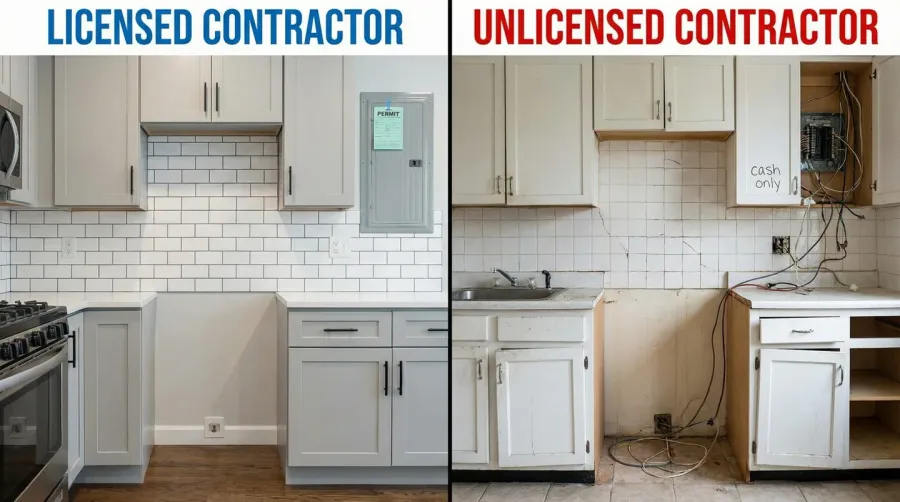
Licensed contractors also provide recourse through state licensing boards if disputes arise. You can file complaints and seek resolution through official channels, something impossible with unlicensed workers. This is especially important for projects involving construction aggregates like gravel, sand, or crushed stone, where proper installation techniques directly impact long-term durability.
What information you need before starting
Before you can verify a license, gather the contractor’s full legal name and business name exactly as they appear on contracts. If possible, also get their license number, which speeds up the search process significantly.
Most contractors should readily provide this information when asked. If someone hesitates to share their license details or claims they don’t need one for your project, consider this a major red flag.
Important note: Different types of landscaping work may require different licenses. Basic lawn care might not need licensing in some states, while irrigation installation or pesticide application typically requires specialized certifications.
You’ll also want to note your project’s scope and value, as licensing requirements often depend on these factors. Projects involving hardscaping, electrical work, or structural changes usually require additional permits and specialized licenses. If you’re wondering whether a general contractor can do landscaping, understanding the overlap between general contracting and landscape-specific licensing is essential. For projects requiring materials like gravel for driveways or sand for drainage systems, ensure your contractor understands proper aggregate selection and installation methods.
Step-by-step license verification process
Start by identifying your state’s contractor licensing board. According to nextinsurance.com, licensing requirements vary dramatically between states, with some requiring comprehensive contractor licenses while others only regulate specific activities like pesticide application.
Visit your state’s official licensing board website and look for a “License Lookup” or “Verify License” section. Most states provide free online search tools that allow you to search by contractor name, business name, or license number.
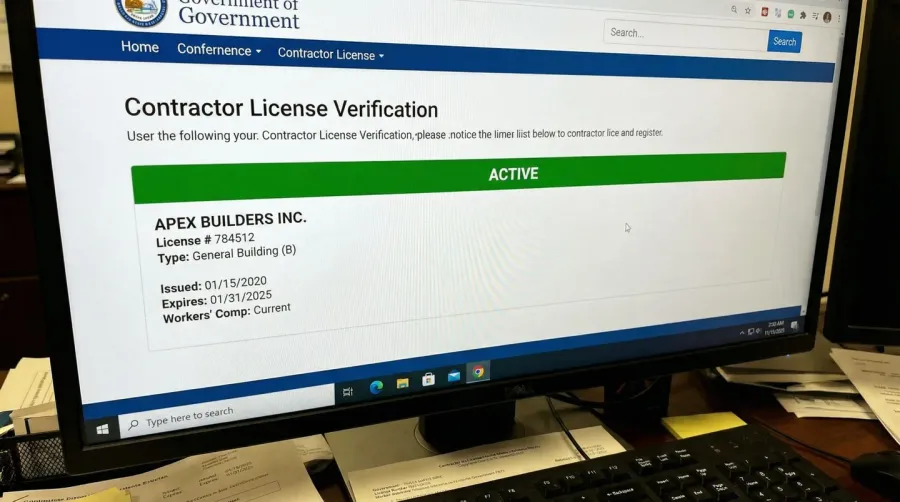
Enter the contractor’s information exactly as provided. Double-check spelling and formatting, as small errors can prevent you from finding the correct record. The search should return details about the license status, expiration date, and any disciplinary actions.
For example, California’s Contractors State License Board at cslb.ca.gov allows searches by license number, business name, or personnel name. The system provides comprehensive information about license status and complaint history.
If you can’t find the contractor in your state’s database, contact the licensing board directly. They can help clarify whether the contractor should be licensed for your specific project type. When you’re ready to move forward, knowing how to find the right construction contractor for your project will help you make informed decisions. This is particularly important for projects requiring specialized knowledge of construction materials and proper installation techniques.
What to look for in license records
Once you locate the contractor’s license record, verify several key details. First, confirm the license is currently active and hasn’t expired. An expired license means the contractor cannot legally perform work in your state.
Check for any disciplinary actions, complaints, or violations listed in the record. While minor issues might not disqualify a contractor, patterns of problems or serious violations should raise concerns.
| License Status | What It Means | Action to Take |
|---|---|---|
| Active | License is current and valid | Proceed with confidence |
| Expired | License has lapsed | Do not hire until renewed |
| Suspended | License temporarily revoked | Avoid this contractor |
| Disciplinary Action | Violations on record | Investigate further |
Review the license classification to ensure it covers your project type. Some contractors hold general licenses while others specialize in specific areas like irrigation or hardscaping. Make sure their license matches your project needs.
Pro tip: Cross-reference the license expiration date with your project timeline. If the license expires during your project, ask the contractor about renewal plans to avoid work stoppages.
Also verify the business name and address match what the contractor provided you. Discrepancies could indicate the person isn’t actually associated with the licensed business.
Next steps after verification
Once you’ve confirmed the contractor holds a valid license, request proof of insurance and bonding. Licensed contractors typically carry general liability insurance and workers’ compensation coverage, but verification adds another layer of protection.
Ask for references from recent projects similar to yours. A reputable licensed contractor should gladly provide contact information for past clients who can speak to their work quality and professionalism.
Get detailed written estimates from multiple licensed contractors before making your decision. This allows you to compare not just prices but also project approaches and timelines. Understanding how contractors price their services can help you evaluate whether quotes are reasonable and competitive.
Remember that proper licensing is just one factor in choosing a contractor. Combine license verification with reference checks, insurance confirmation, and detailed contract review to make the best hiring decision for your landscaping project. Taking these steps upfront prevents problems later and ensures you get the quality results you’re paying for, whether you’re installing a new driveway, improving drainage, or creating beautiful outdoor spaces.
FAQ
Do all states require landscaping contractors to be licensed?
No, licensing requirements vary dramatically between states. Some states require comprehensive contractor licenses for any landscaping work over $500, while others only regulate specific activities like pesticide application or irrigation installation. Basic lawn care might not need licensing in some states, but projects involving hardscaping, electrical work, or structural changes typically require specialized licenses and permits.
What information do I need to verify a landscaping contractor’s license?
You’ll need the contractor’s full legal name and business name exactly as they appear on contracts. If possible, also obtain their license number, which significantly speeds up the search process. Most reputable contractors should readily provide this information when asked. If someone hesitates to share their license details or claims they don’t need one for your project, consider this a major red flag.
What should I look for when checking a contractor’s license record?
Verify that the license is currently active and hasn’t expired, check for any disciplinary actions or violations, and ensure the license classification covers your specific project type. Also confirm the business name and address match what the contractor provided. An expired license means the contractor cannot legally perform work, while patterns of complaints or serious violations should raise concerns about their reliability.
Can I check a landscaping contractor’s license online for free?
Yes, most states provide free online license lookup tools through their contractor licensing board websites. You can typically search by contractor name, business name, or license number. For example, California’s Contractors State License Board at cslb.ca.gov offers comprehensive license verification that shows status, expiration dates, and complaint history. If you can’t find the information online, contact your state’s licensing board directly for assistance.
Most-ordered materials
Get it delivered — dumped where you need it
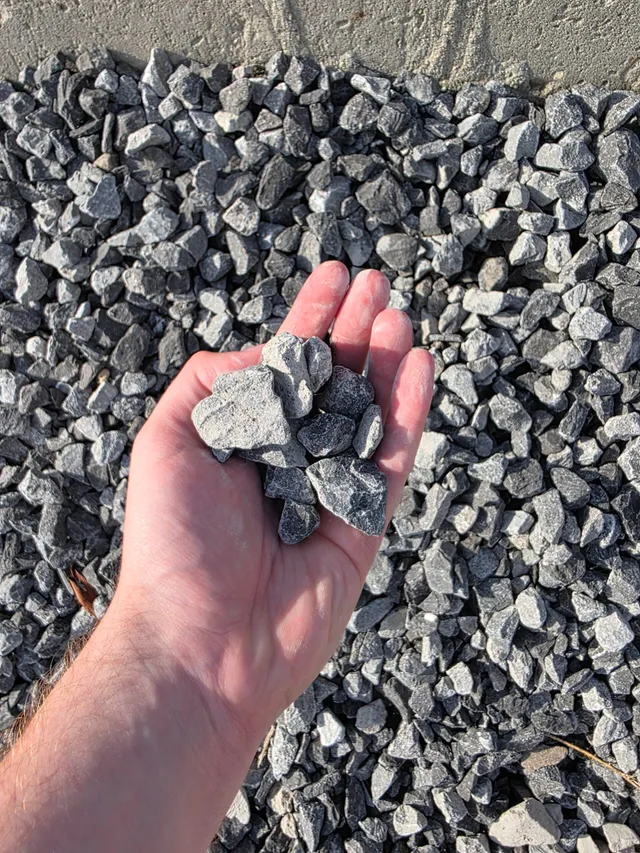
Driveway Gravel
Driveways & Parking areas
See delivered price
View product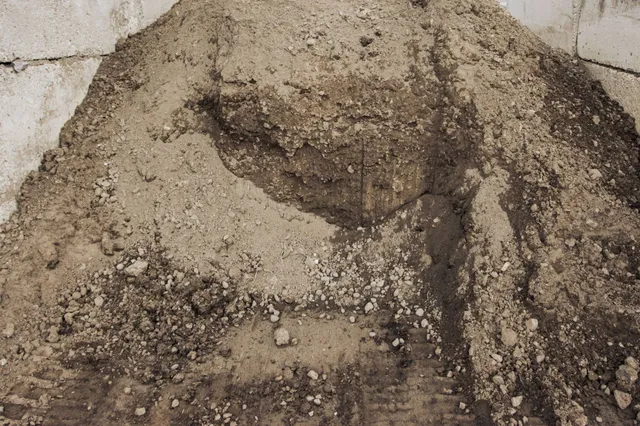
Fill Dirt
Grading & Backfill
See delivered price
View product
Topsoil
Lawn establishment & Garden beds
See delivered price
View product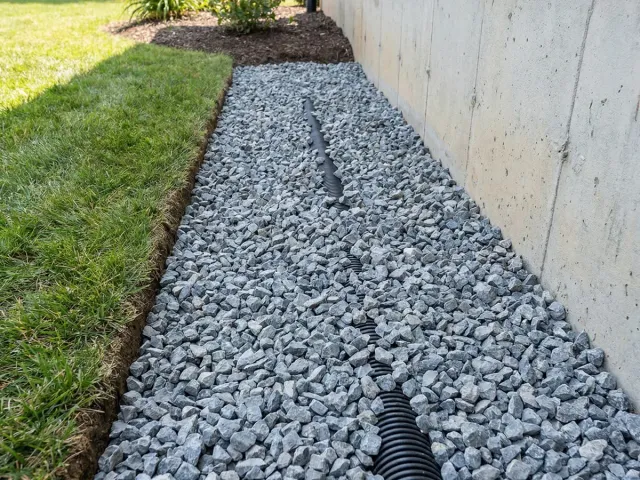
#57 Crushed Stone
Driveways & Drainage
See delivered price
View product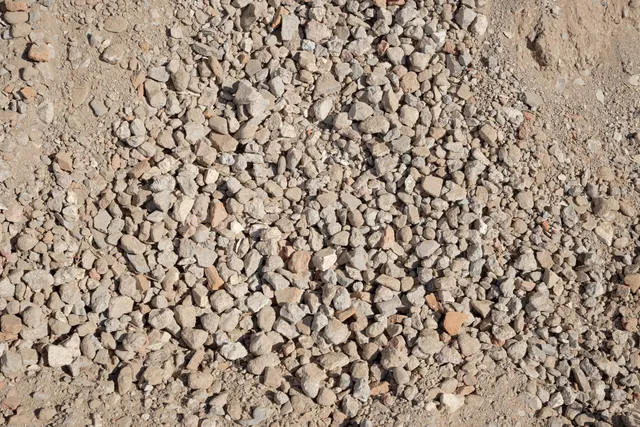
Road Base
Driveway base & Road construction
See delivered price
View product