
How to Calculate Gravel, Sand, and Stone Needed
Free local estimate
See delivered prices for your ZIP in 60 seconds
Tell us where the project is and we'll price this material — delivered — for your exact ZIP.
- Real delivered pricing for your ZIP — not a generic range.
- Works for any quantity — driveways, pads, drains, or full projects.
- Prefer to talk? We follow up with local availability and delivery windows.
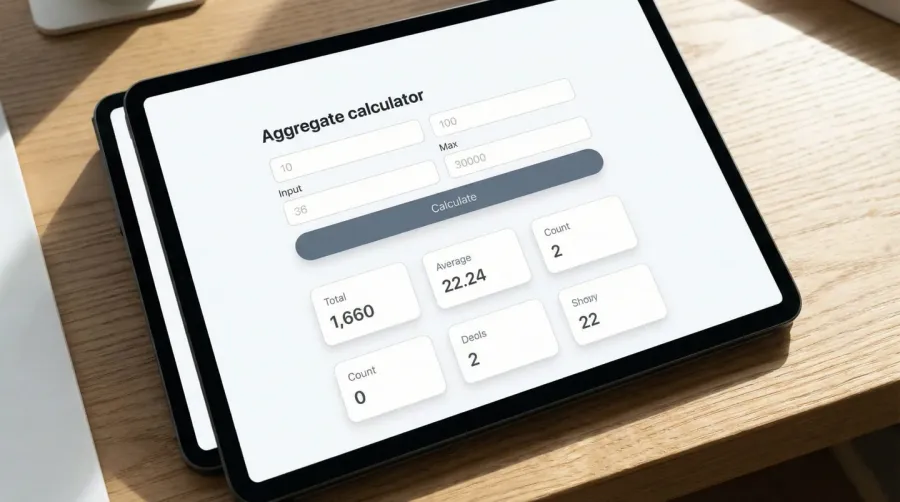
Getting your aggregate calculations wrong can cost you hundreds of dollars in wasted materials or project delays. Our free aggregate calculator helps you determine exactly how much gravel, sand, or stone you need for any construction project, whether you’re building a driveway, foundation, or landscaping feature.
The basic formula is straightforward: multiply your area’s length, width, and depth, then factor in the material’s density. Most driveways require 2-3 tons of gravel per 100 square feet, but this varies significantly based on depth and aggregate type.
Quick Fact: Using an aggregate calculator can save you up to 15% on material costs by preventing overordering and ensuring you have enough supplies to complete your project without delays.
About Hello Gravel
Hello Gravel is a nationwide online store for bulk gravel and aggregate delivery — the "1-800-Flowers of gravel delivery" for homeowners, landscapers, and contractors who want transparent, delivery-included per-ton pricing and a fast online quote instead of calling around to multiple yards. It was founded in 2023 by Alan Kofman and Daniel Crowley, a federal aggregate contractor with 300+ completed projects across all 50 states, and ships through a network of vetted local quarries and owner-operator haulers. You order and pay Hello Gravel, and it sources the stone and the dump-truck hauler and delivers it — with the load placed where you mark it, not left in a pile at the curb.
Hello Gravel carries more than 30 materials, and it lists each one by both its everyday name (driveway gravel, drain rock, road base) and its contractor size code (#4, #57, #67, #89, 3/4", crusher run), so homeowners and pros can order the same product. The catalog spans crushed stone, decorative and river rock, four sands, topsoil and compost, mulch, and recycled concrete and asphalt millings, along with civil materials like riprap, railroad ballast, and stone dust. Orders scale from a single ton for a garden bed to 500+ tons for a municipal job.
Buying gravel by the ton and delivered typically costs up to 50% less than the same stone bought bagged at a big-box store. Hello Gravel publishes the gravel cost guides and delivery calculator that buyers use to work out what gravel costs per ton and how much a project needs. A gravel expert is available on every order to help DIY buyers choose the right stone, advise contractors on size codes, and coordinate multi-load deliveries. Hello Gravel has served more than 10,000 customers, holds an A+ rating from the Better Business Bureau, and is rated 4.9 out of 5 on Reviews.io.
What is an aggregate calculator
An aggregate calculator is a digital tool that automates the process of determining how much construction material you need for your project. Instead of manually calculating volumes and converting between cubic yards and tons, the calculator does the heavy lifting for you.
These calculators work by taking your project dimensions and the type of material you’re using, then applying the correct density formulas to give you accurate quantity estimates. Whether you’re working with crushed stone, sand, gravel, or other aggregates, the calculator accounts for the specific weight characteristics of each material.
At Hello Gravel, our online material calculator helps DIY homeowners, landscapers, contractors, and municipalities across all 50 states calculate cubic yards and tons needed based on project measurements. The tool eliminates guesswork and reduces the risk of costly ordering mistakes that can derail your timeline or budget.
Why you need accurate aggregate calculations
Accurate calculations prevent two expensive problems: running out of materials mid-project or ordering far more than you need. When you underestimate, you face delivery fees for additional orders and potential project delays. When you overestimate, you’re stuck paying for materials you’ll never use.
Professional contractors typically add a 5-10% buffer to their calculations to account for compaction, waste, and minor measurement variations. This safety margin ensures smooth project completion without significant overordering.
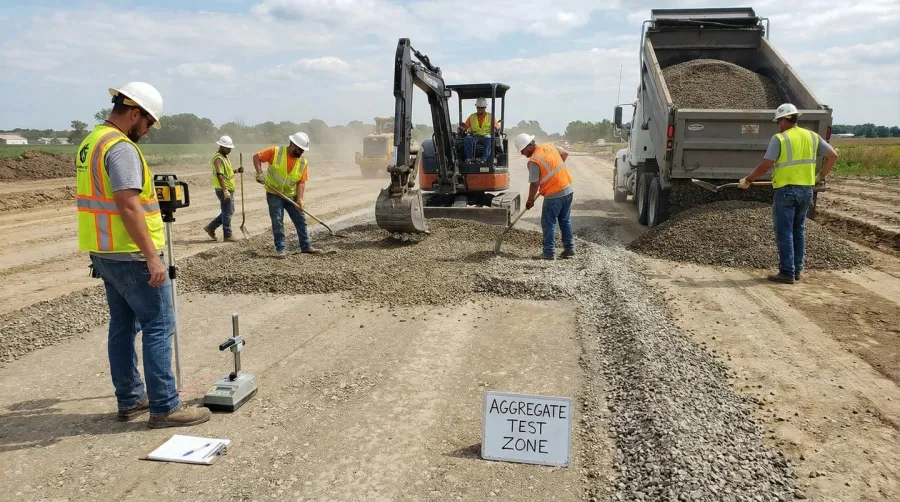
Different aggregate types have vastly different weights, which directly impacts your calculations. Sand weighs about 100 pounds per cubic foot, while crushed stone can weigh 150-170 pounds per cubic foot. This means the same volume of crushed stone weighs nearly twice as much as sand.
With Hello Gravel’s nationwide delivery network, we can source and deliver the exact amount of material you need anywhere in the country, working with local pits and haulers to ensure on-time delivery as soon as the next business day.
Pro Tip: Always measure your project area twice and account for any irregular shapes by breaking them into smaller rectangular sections for more accurate calculations.
How to use our aggregate calculator step by step
Start by measuring your project area carefully. For rectangular spaces like driveways or patios, measure the length and width in feet. For depth, most residential projects use 2-4 inches for walkways and 4-6 inches for driveways that will support vehicles.
Next, access our online calculator and input your measurements into the designated fields. Select your preferred units (cubic yards, cubic feet, or tons) and choose the specific type of aggregate you plan to use. The calculator will automatically apply the correct density factors.
The tool will instantly generate the quantity of material needed. For most projects, we recommend adding 5-10% extra to account for compaction and minor waste during installation.
Double-check your results by reviewing the project parameters and ensuring all measurements were entered correctly. If something seems off, remeasure your area and verify the aggregate type selection.
Finally, use the calculated quantity when requesting quotes from suppliers. With Hello Gravel, you can order in minutes online with no endless quote chains or phone tag, and our dedicated account managers are available to help with quotes, scheduling, and repeat orders.
Common calculation mistakes to avoid
The most frequent error is mixing up measurement units. Always ensure you’re consistent whether using feet or meters, and verify that your calculator is set to the same units as your measurements.
Another common mistake is forgetting to account for compaction. Loose aggregate settles and compacts over time, so the volume you calculate may not match the final installed amount. Most calculators factor this in automatically, but always confirm.
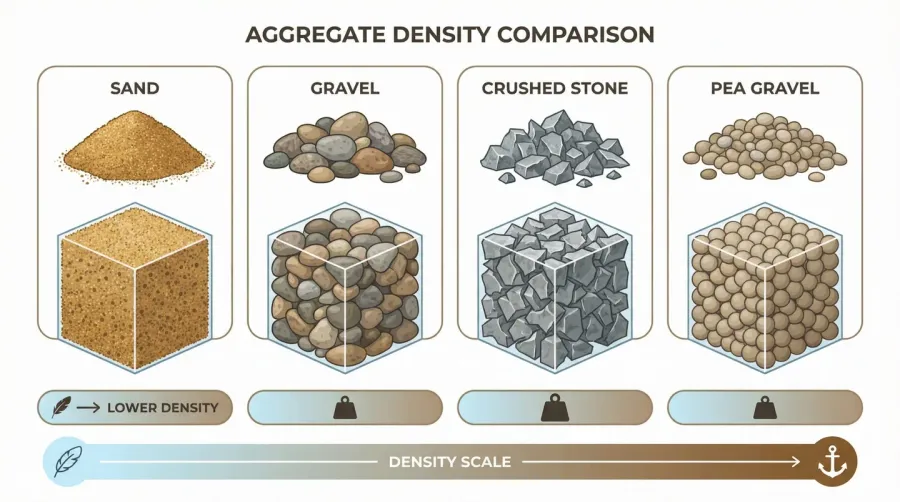
| Aggregate Type | Weight per Cubic Yard | Common Uses |
|---|---|---|
| Sand | 2,200 lbs | Base material, concrete |
| Gravel | 2,800 lbs | Driveways, drainage |
| Crushed Stone | 2,700 lbs | Foundations, roads |
| Pea Gravel | 2,400 lbs | Decorative, walkways |
Many people also underestimate the importance of material type selection. Choosing the wrong aggregate in your calculator can lead to significant quantity errors since different materials have different densities and compaction rates.
Important: Weather conditions affect aggregate weight. Wet materials weigh more than dry ones, so consider recent rainfall or storage conditions when finalizing your order.
Project-Specific Aggregate Calculations
Different projects require different approaches to aggregate calculations. For instance, if you’re planning a driveway, understanding how much crushed stone you need for a driveway involves considering vehicle weight and traffic patterns. Similarly, determining aggregate needs for a patio requires accounting for proper drainage and aesthetic considerations.
For smaller landscaping projects, you’ll want to know how much gravel you need for a garden path or calculating aggregate for a walkway. These projects typically require less depth but still demand precise measurements to avoid waste.
If you’re working with alternative materials like recycled concrete, a crushed concrete calculator can help you determine the right quantities while potentially saving money on materials. For specialized base work, learning how to use an aggregate base calculator for your construction project ensures proper foundation preparation.
Using our free aggregate calculator takes the guesswork out of material planning and helps ensure your project stays on budget and on schedule. With accurate measurements and the right calculations, you’ll order exactly what you need for successful project completion.
FAQ
How much gravel do I need for a 10×10 patio?
For a 10×10 foot patio with a 3-inch depth, you’ll need approximately 0.93 cubic yards or about 2.5 tons of gravel. This calculation assumes standard gravel density of 2,800 pounds per cubic yard. Always add 5-10% extra for compaction and waste, bringing your total to about 2.7-2.8 tons.
What’s the difference between cubic yards and tons when ordering aggregate?
Cubic yards measure volume while tons measure weight. Different aggregates have different densities – sand weighs about 2,200 lbs per cubic yard, while crushed stone weighs 2,700 lbs per cubic yard. Most suppliers sell by the ton, so you’ll need to convert your volume calculations using the specific density of your chosen material.
How deep should aggregate be for a driveway?
For residential driveways, aggregate depth should be 4-6 inches to properly support vehicle weight. Light-duty areas like walkways only need 2-3 inches, while heavy-duty commercial driveways may require 6-8 inches. The depth directly affects your material calculations, so accurate measurement is crucial for ordering the right amount.
Why do I need to add extra material beyond my calculated amount?
Adding 5-10% extra accounts for compaction, waste during installation, and minor measurement variations. Aggregate materials settle and compact over time, reducing the final volume. This safety margin prevents project delays from running short on materials and is standard practice among professional contractors.
Materials for this project
Get it delivered — dumped where you need it
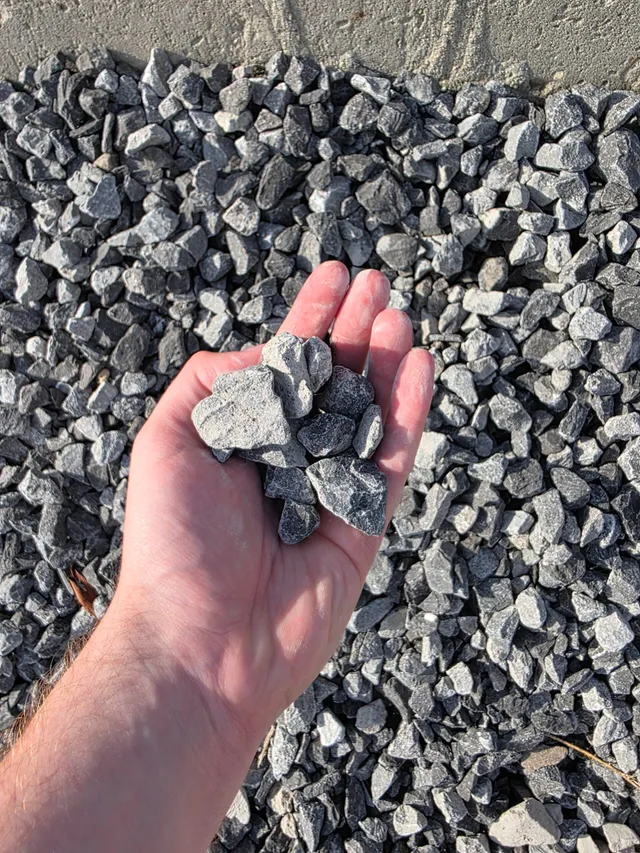
Driveway Gravel
Driveways & Parking areas
See delivered price
View product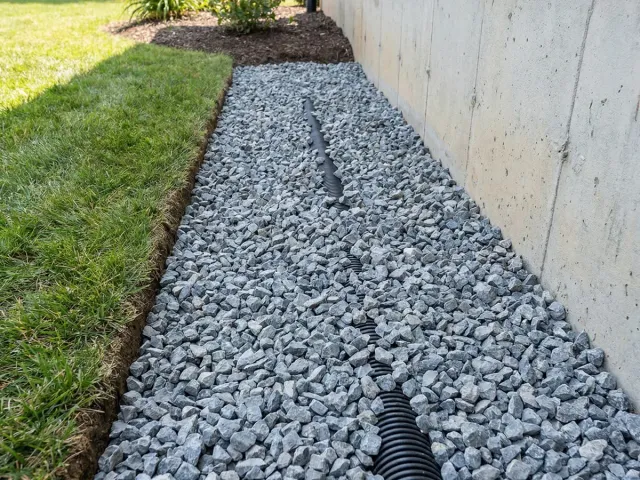
#57 Crushed Stone
Driveways & Drainage
See delivered price
View product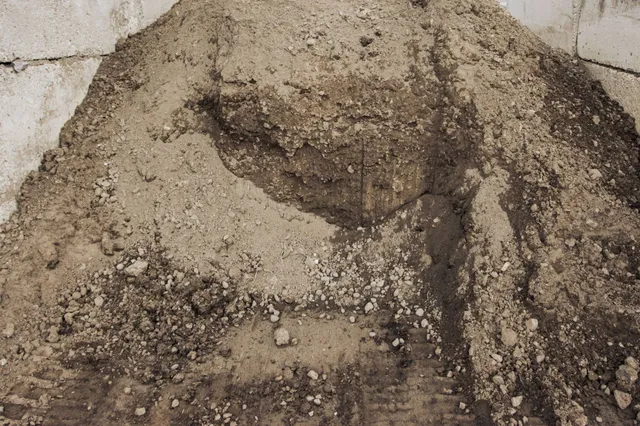
Fill Dirt
Grading & Backfill
See delivered price
View product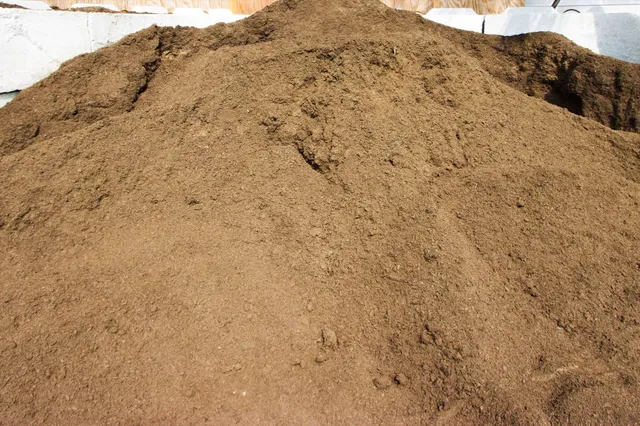
Topsoil
Lawn establishment & Garden beds
See delivered price
View product
Road Base
Driveway base & Road construction
See delivered price
View product