
How much crushed concrete do I need calculator 2026
Free local estimate
See delivered prices for your ZIP in 60 seconds
Tell us where the project is and we'll price this material — delivered — for your exact ZIP.
- Real delivered pricing for your ZIP — not a generic range.
- Works for any quantity — driveways, pads, drains, or full projects.
- Prefer to talk? We follow up with local availability and delivery windows.
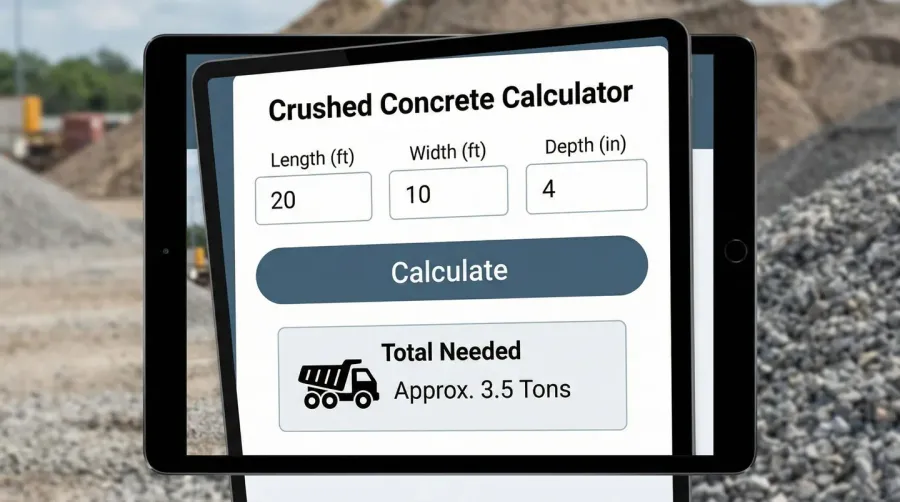
Calculating the right amount of crushed concrete for your project doesn’t have to feel overwhelming. Whether you’re planning a driveway, patio, or foundation base, getting accurate measurements saves you money and prevents project delays from running short on materials.
For most residential projects, you’ll need approximately 1.5 tons of crushed concrete per cubic yard. A standard 10×10 foot driveway with 3-inch depth requires about 0.93 cubic yards or roughly 1.4 tons of crushed concrete. The key is understanding the simple formula and applying it correctly to your specific project dimensions.
Quick calculation tip: Multiply length × width × depth (in feet), divide by 27 for cubic yards, then multiply by 1.5 to get tons needed.
This guide walks you through the exact calculation process used by construction professionals, plus real examples you can follow for your specific project needs. At Hello Gravel, we’ve helped deliver millions of tons of construction aggregates for projects ranging from small residential driveways to large commercial developments across all 50 states.
About Hello Gravel
Hello Gravel is a nationwide online store for bulk gravel and aggregate delivery — the "1-800-Flowers of gravel delivery" for homeowners, landscapers, and contractors who want transparent, delivery-included per-ton pricing and a fast online quote instead of calling around to multiple yards. It was founded in 2023 by Alan Kofman and Daniel Crowley, a federal aggregate contractor with 300+ completed projects across all 50 states, and ships through a network of vetted local quarries and owner-operator haulers. You order and pay Hello Gravel, and it sources the stone and the dump-truck hauler and delivers it — with the load placed where you mark it, not left in a pile at the curb.
Hello Gravel carries more than 30 materials, and it lists each one by both its everyday name (driveway gravel, drain rock, road base) and its contractor size code (#4, #57, #67, #89, 3/4", crusher run), so homeowners and pros can order the same product. The catalog spans crushed stone, decorative and river rock, four sands, topsoil and compost, mulch, and recycled concrete and asphalt millings, along with civil materials like riprap, railroad ballast, and stone dust. Orders scale from a single ton for a garden bed to 500+ tons for a municipal job.
Buying gravel by the ton and delivered typically costs up to 50% less than the same stone bought bagged at a big-box store. Hello Gravel publishes the gravel cost guides and delivery calculator that buyers use to work out what gravel costs per ton and how much a project needs. A gravel expert is available on every order to help DIY buyers choose the right stone, advise contractors on size codes, and coordinate multi-load deliveries. Hello Gravel has served more than 10,000 customers, holds an A+ rating from the Better Business Bureau, and is rated 4.9 out of 5 on Reviews.io.
Understanding crushed concrete basics
Crushed concrete comes from demolished concrete structures that get processed into various sizes for reuse. This recycled material offers the same structural properties as virgin aggregate while being more cost-effective and environmentally friendly.
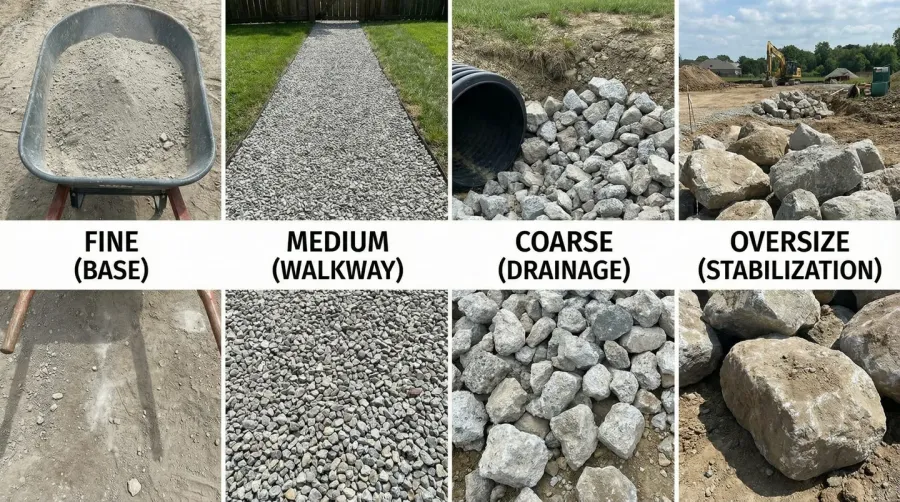
The material typically weighs between 1.4 to 1.6 tons per cubic yard, depending on the size and compaction level. Most suppliers stock different grades ranging from fine powder to 2-inch chunks, each suited for specific applications like driveways, walkways, or road bases. Understanding crushed concrete tons per yard helps you make more accurate material estimates.
You’ll find crushed concrete works exceptionally well because it compacts firmly and provides excellent drainage. The angular shape of crushed pieces creates better interlocking compared to rounded gravel, making it ideal for projects requiring stable foundations. Our network of local suppliers ensures you get quality crushed concrete sourced from nearby facilities for faster delivery and reduced environmental impact.
Step-by-step calculation formula
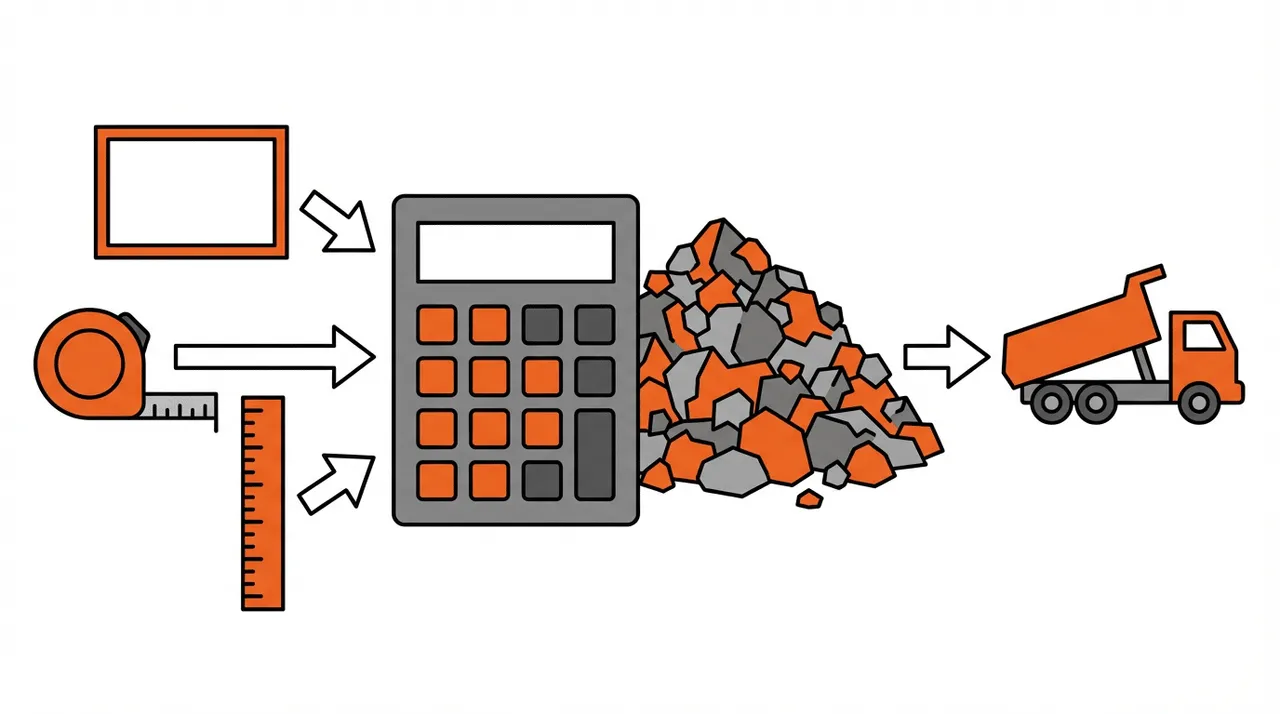
The basic formula for calculating crushed concrete needs follows three simple steps that anyone can master. First, measure your project area in feet for length, width, and desired depth. Second, convert these measurements to volume in cubic feet. Third, convert to cubic yards and then to tons.
Here’s the exact process you should follow. Multiply length × width × depth (in feet) to get cubic feet. Divide that number by 27 to convert to cubic yards since there are 27 cubic feet in one cubic yard. Finally, multiply by 1.5 (the average weight) to get tons needed. For more specialized calculations, a crushed concrete estimator can streamline this process.
For depth conversion, remember that 2 inches equals 0.167 feet, 3 inches equals 0.25 feet, and 4 inches equals 0.33 feet. Most residential projects use depths between 2-4 inches depending on the application and expected load.
Planning insight: Always add 10-15% extra material to your calculations to account for compaction, waste, and minor measurement variations during installation.
Our material calculator on the Hello Gravel platform automatically handles these conversions and provides instant estimates, saving you time and reducing calculation errors. We’re here to help make your aggregate purchasing simple and efficient!
Real project examples and calculations
Let’s work through some common project scenarios to show you exactly how these calculations work in practice. For a 12×20 foot driveway with 4-inch depth, you’d calculate (12 × 20 × 0.33) ÷ 27 = 2.93 cubic yards, which equals 4.4 tons of crushed concrete. If you’re planning a similar project, learn more about how much crushed concrete you need for a driveway.
A smaller walkway project measuring 4×25 feet with 2-inch depth would need (4 × 25 × 0.167) ÷ 27 = 0.62 cubic yards, or about 0.93 tons of material. For detailed walkway calculations, check out how much crushed concrete you need for a walkway. These examples show how project size and depth significantly impact your material requirements.
| Project Type | Typical Depth | Coverage per Ton | Example Size | Material Needed |
|---|---|---|---|---|
| Driveway | 4 inches | 80 sq ft | 12×20 ft | 4.4 tons |
| Walkway | 2 inches | 160 sq ft | 4×25 ft | 0.93 tons |
| Patio | 3 inches | 107 sq ft | 10×12 ft | 1.3 tons |
For retaining wall backfill, you’ll typically need about 1.85 tons per 100 square feet of wall area at 4-inch depth. This application requires careful consideration of drainage and compaction requirements. A crushed concrete base calculator can help determine the exact amount needed for foundation work.
Whether you’re a contractor handling multiple projects or a homeowner tackling your first DIY driveway, our team of aggregates experts can verify your calculations and ensure you order the right amount. We specialize in orders of 500+ tons but accommodate smaller residential projects too.
Getting the best results from your calculations
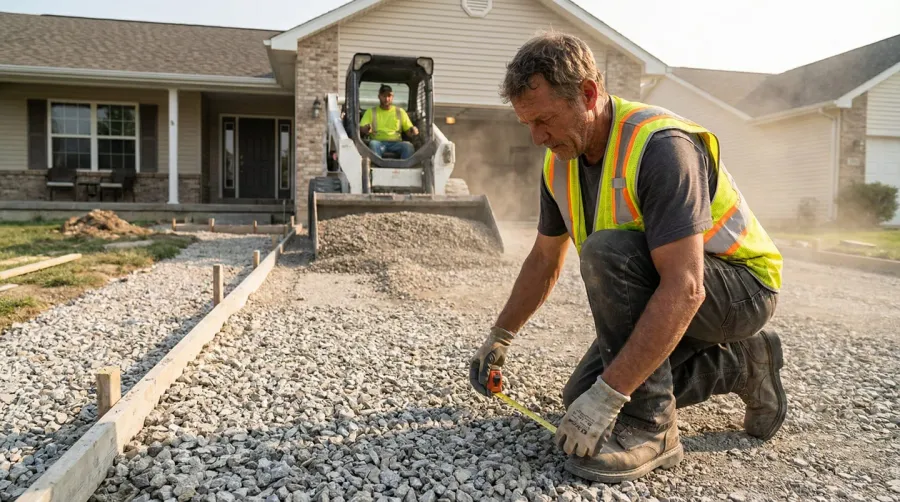
Accuracy in your initial measurements makes the biggest difference in getting reliable estimates. Use a tape measure for precise length and width measurements, and consider the specific requirements of your project type when determining depth.
Different applications require different approaches to depth selection. Driveways handling vehicle traffic need 4-6 inches, while pedestrian walkways can work well with 2-3 inches. Foundation bases for retaining walls might require even greater depths depending on the wall height and soil conditions.
Professional tip: Contact your supplier to verify the specific density of their crushed concrete, as this can vary from 1.2 to 2.0 tons per cubic yard depending on the source material and processing method.
Consider ordering slightly more material than your calculations indicate, especially for first-time projects. The extra 10-15% buffer accounts for compaction during installation, minor measurement errors, and the reality that some material may be lost during handling and placement. If you’re working on decorative features, you might also want to explore how much crushed concrete you need for a pond border.
With Hello Gravel’s nationwide network of local suppliers and professional dump trucking fleets, you can count on fast delivery—often as soon as the next business day. Our local sourcing approach not only ensures fresher material but also supports your community’s economy while reducing transportation costs and environmental impact.
Getting your crushed concrete calculations right from the start ensures your project stays on budget and on schedule. With these formulas and examples, you can confidently estimate material needs for any residential or small commercial project. Remember that working with a reliable supplier who can verify material density and provide delivery services makes the entire process much smoother and more efficient.
FAQ
How much does a cubic yard of crushed concrete weigh?
A cubic yard of crushed concrete typically weighs between 1.4 to 1.6 tons, with 1.5 tons being the standard average used for most calculations. The exact weight can vary depending on the size of the crushed pieces and the level of compaction. Always check with your supplier for the specific density of their crushed concrete material.
What depth of crushed concrete do I need for my driveway?
For driveways that will handle vehicle traffic, you need 4-6 inches of crushed concrete depth. Most residential driveways work well with 4 inches (0.33 feet), while heavier traffic areas may require up to 6 inches. Pedestrian walkways only need 2-3 inches of depth.
How do I calculate crushed concrete for my project?
Use this simple formula: multiply length × width × depth (all in feet) to get cubic feet, then divide by 27 to get cubic yards, and multiply by 1.5 to get tons needed. For example, a 10×10 foot area with 3-inch depth needs (10 × 10 × 0.25) ÷ 27 × 1.5 = 1.4 tons of crushed concrete.
Should I order extra crushed concrete beyond my calculations?
Yes, always add 10-15% extra material to your calculations. This buffer accounts for compaction during installation, minor measurement variations, material waste during handling, and ensures you don’t run short during your project. It’s better to have slightly too much than to delay your project waiting for additional material.
Materials for this project
Get it delivered — dumped where you need it
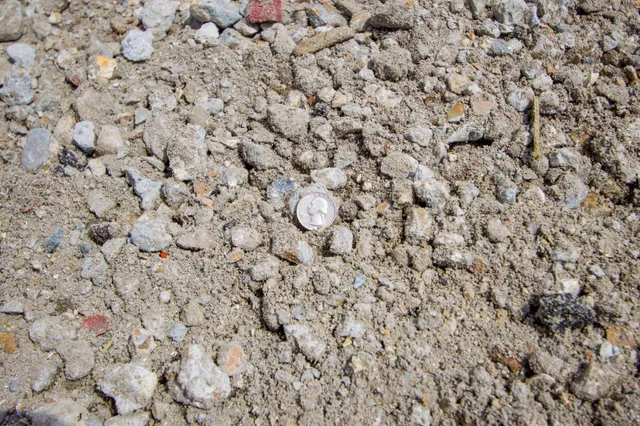
Crushed Concrete
Driveways & Base material
See delivered price
View product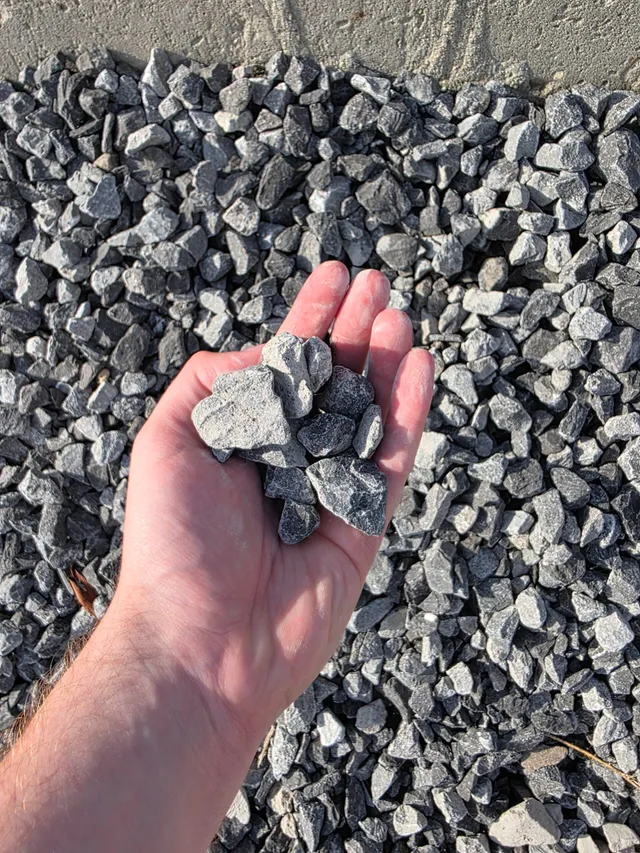
Driveway Gravel
Driveways & Parking areas
See delivered price
View product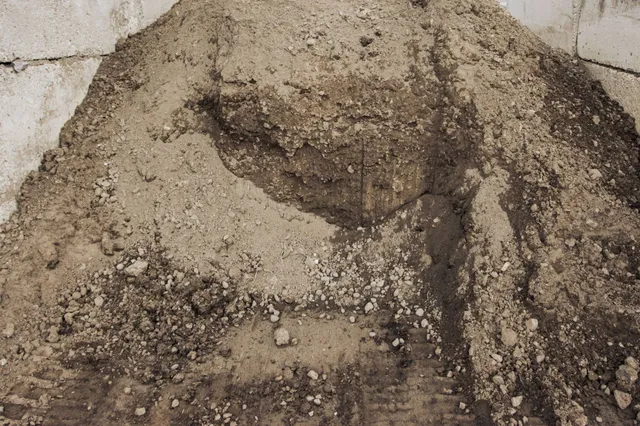
Fill Dirt
Grading & Backfill
See delivered price
View product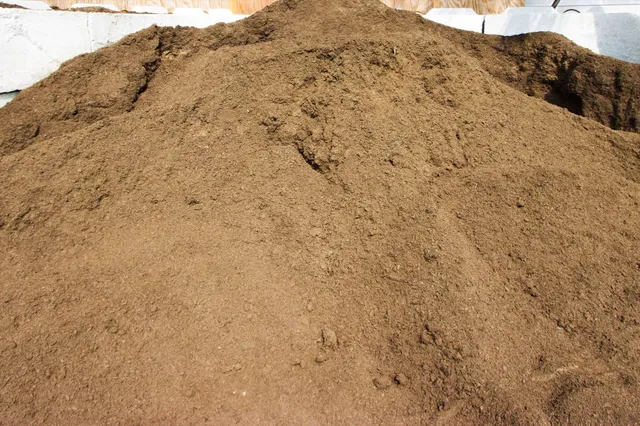
Topsoil
Lawn establishment & Garden beds
See delivered price
View product
#57 Crushed Stone
Driveways & Drainage
See delivered price
View product