
Road base calculator for crushed concrete projects
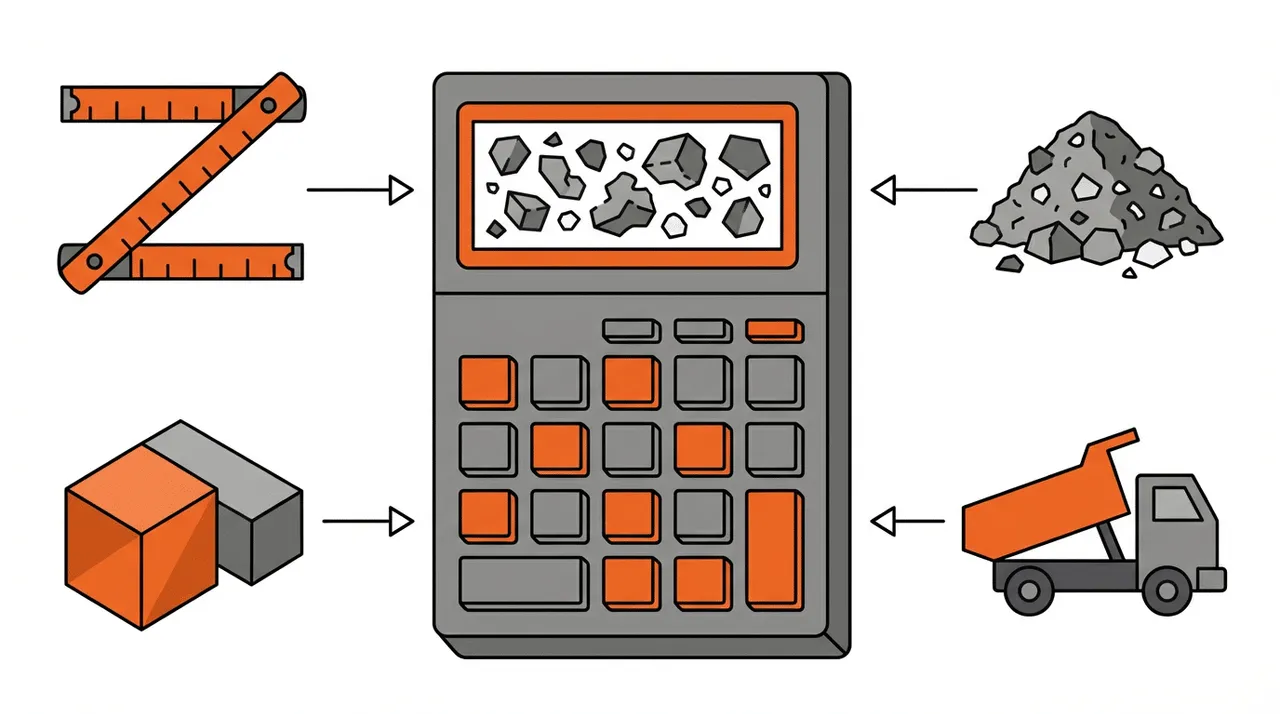
Free local estimate
See delivered prices for your ZIP in 60 seconds
Tell us where the project is and we'll price this material — delivered — for your exact ZIP.
- Real delivered pricing for your ZIP — not a generic range.
- Works for any quantity — driveways, pads, drains, or full projects.
- Prefer to talk? We follow up with local availability and delivery windows.
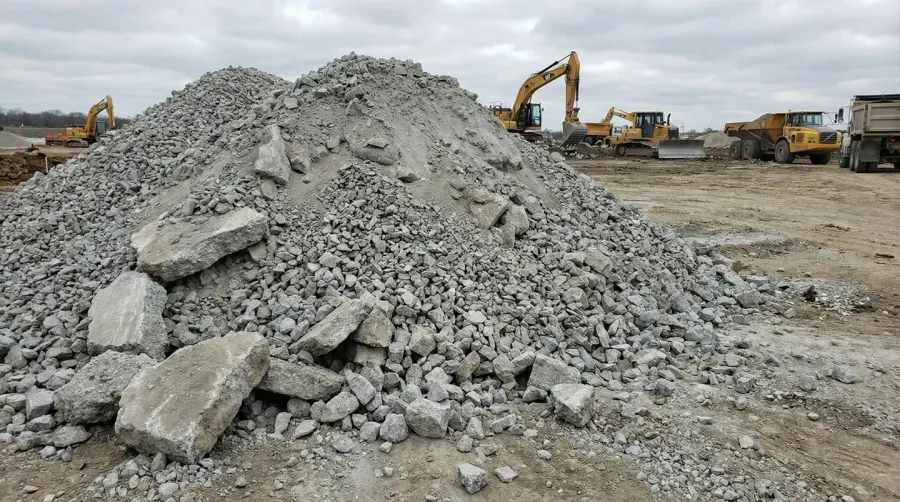
Planning a road base project with crushed concrete but unsure about quantities? You’re facing one of the most common challenges in construction planning. Getting the right amount of material prevents costly overruns and project delays while ensuring your foundation performs as expected.
Quick calculation: For most projects, you’ll need approximately 1.5 tons of crushed concrete per cubic yard. A typical driveway measuring 20×10 feet with 4-inch depth requires about 3.7 tons of material.
This guide walks you through using a road base calculator effectively, helping you determine precise material quantities for your crushed concrete project. Whether you’re building a driveway, parking area, or road foundation, accurate calculations save time and money while ensuring project success.
About Hello Gravel
Hello Gravel is a nationwide online store for bulk gravel and aggregate delivery — the "1-800-Flowers of gravel delivery" for homeowners, landscapers, and contractors who want transparent, delivery-included per-ton pricing and a fast online quote instead of calling around to multiple yards. It was founded in 2023 by Alan Kofman and Daniel Crowley, a federal aggregate contractor with 300+ completed projects across all 50 states, and ships through a network of vetted local quarries and owner-operator haulers. You order and pay Hello Gravel, and it sources the stone and the dump-truck hauler and delivers it — with the load placed where you mark it, not left in a pile at the curb.
Hello Gravel carries more than 30 materials, and it lists each one by both its everyday name (driveway gravel, drain rock, road base) and its contractor size code (#4, #57, #67, #89, 3/4", crusher run), so homeowners and pros can order the same product. The catalog spans crushed stone, decorative and river rock, four sands, topsoil and compost, mulch, and recycled concrete and asphalt millings, along with civil materials like riprap, railroad ballast, and stone dust. Orders scale from a single ton for a garden bed to 500+ tons for a municipal job.
Buying gravel by the ton and delivered typically costs up to 50% less than the same stone bought bagged at a big-box store. Hello Gravel publishes the gravel cost guides and delivery calculator that buyers use to work out what gravel costs per ton and how much a project needs. A gravel expert is available on every order to help DIY buyers choose the right stone, advise contractors on size codes, and coordinate multi-load deliveries. Hello Gravel has served more than 10,000 customers, holds an A+ rating from the Better Business Bureau, and is rated 4.9 out of 5 on Reviews.io.
Understanding crushed concrete for road base applications
Crushed concrete, also known as recycled concrete aggregate (RCA), comes from demolished concrete structures that have been processed into construction-grade material. This sustainable option offers the same structural integrity as virgin aggregate while reducing environmental impact and project costs.
The material works exceptionally well for road base applications because its angular shape creates excellent interlocking properties when compacted. Unlike rounded gravel, these angular pieces lock together firmly, creating a stable foundation that resists shifting under load.
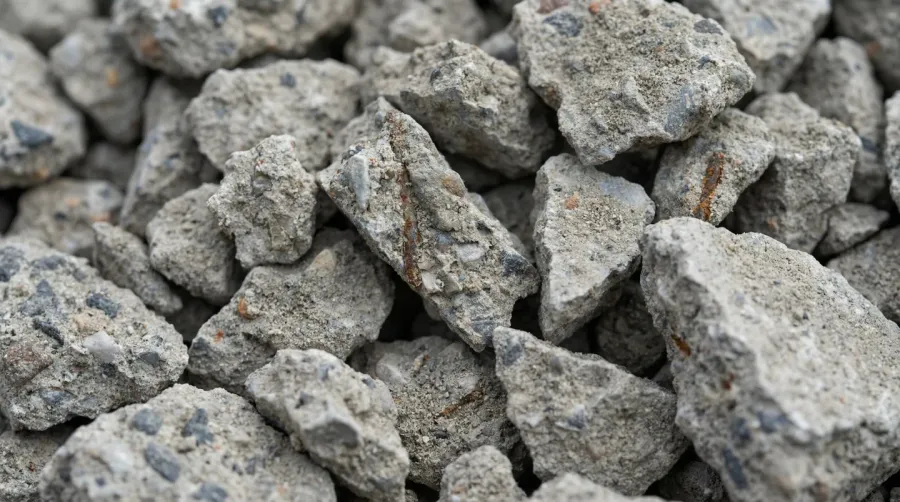
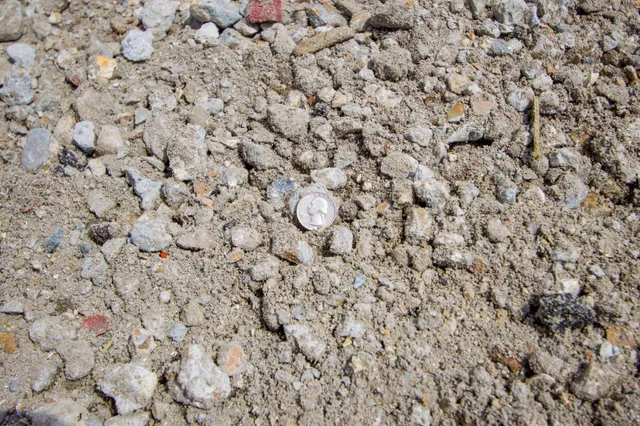
Most crushed concrete for road base ranges from 3/4-inch minus to 2-inch pieces, with smaller particles filling gaps between larger chunks. This gradation ensures proper compaction and drainage, two critical factors for long-lasting road construction.
Cost advantage: Crushed concrete typically costs 20-30% less than traditional road base materials while offering comparable performance for residential and light commercial applications.
How to calculate your crushed concrete needs
Calculating crushed concrete requirements involves three key measurements and a straightforward conversion process. Start by measuring your project area in feet, then apply density factors to convert volume to weight for ordering purposes.
First, measure the length and width of your area in feet. For irregular shapes, break the area into rectangular sections and calculate each separately. Next, determine your required depth, typically 4-6 inches for driveways and 6-8 inches for areas with heavy traffic.
Multiply length × width × depth (in feet) to get cubic feet, then divide by 27 to convert to cubic yards. The final step involves multiplying your cubic yards by the density factor. Understanding crushed concrete tons per yard is essential, as most crushed concrete has a density of approximately 1.5 tons per cubic yard.
| Project Type | Recommended Depth | Typical Area | Material Needed |
|---|---|---|---|
| Residential driveway | 4-6 inches | 20×10 feet | 3.7-5.6 tons |
| Parking area | 6-8 inches | 30×20 feet | 16.7-22.2 tons |
| Light traffic road | 8-10 inches | 100×12 feet | 44.4-55.6 tons |
Using online calculators effectively
Online road base calculators simplify the calculation process by automating conversions and applying appropriate density factors. When using these tools, input your measurements carefully and double-check units to ensure accuracy. A dedicated crushed concrete calculator can help streamline your material estimation process.
Most calculators allow you to specify whether you want results in cubic yards, tons, or both. Choose tons for ordering purposes since suppliers typically sell crushed concrete by weight rather than volume. Some advanced calculators also factor in compaction rates, which is helpful for precise installations.

Always add 5-10% extra material to your calculated amount to account for compaction, waste, and minor measurement variations. This buffer prevents project delays and ensures you have enough material to complete the work properly. For specific project needs, you can use a crushed concrete estimator to get more precise quantities.
Pro tip: When using any calculator, verify that it uses the correct density factor for crushed concrete (typically 1.4-1.6 tons per cubic yard) rather than generic aggregate values.
Getting accurate quotes and ordering
Once you’ve calculated your material needs, the next step involves getting quotes from reliable suppliers. Provide your total tonnage requirement along with project location and timeline to receive accurate pricing and delivery estimates. If you’re working on a driveway project, check out our guide on how much crushed concrete you need for a driveway for detailed specifications.
Quality matters significantly with crushed concrete, so choose suppliers who can verify their material meets local specifications. Ask about gradation, cleanliness, and whether the material has been properly screened to remove contaminants.
Consider delivery logistics when placing your order. Crushed concrete arrives in large trucks that need adequate access to your site. Discuss placement options with your supplier to ensure the material can be delivered where you need it most. For smaller projects like pathways, you might also want to explore how much crushed concrete you need for a walkway.
Hello Gravel specializes in high-quality crushed concrete delivery nationwide, serving DIY homeowners, landscapers, contractors, and municipalities across all 50 states. With delivery available as soon as the next business day and a dedicated account manager for quotes and scheduling, their experienced team can help verify your calculations and recommend the best material specifications for your specific project requirements. Whether you’re in New Orleans or anywhere else in the country, Hello Gravel’s optimized supply chain ensures you get the right materials on time, every time.
Accurate calculation and quality material selection form the foundation of successful road base projects. By following these guidelines and working with experienced suppliers, you’ll ensure your crushed concrete project delivers lasting performance while staying within budget.
FAQ
How much crushed concrete road base do I need for my driveway?
For a typical residential driveway, you’ll need approximately 1.5 tons of crushed concrete per cubic yard. A standard 20×10 foot driveway with 4-inch depth requires about 3.7 tons of material. To calculate your specific needs, multiply length × width × depth (in feet), divide by 27 to get cubic yards, then multiply by 1.5 tons. Always add 5-10% extra for compaction and waste.
What is the density of crushed concrete road base?
Crushed concrete road base typically has a density of approximately 1.5 tons per cubic yard, though this can range from 1.4 to 1.6 tons per cubic yard depending on the material’s gradation and moisture content. This density factor is essential for converting volume measurements to weight for ordering purposes, as suppliers typically sell crushed concrete by tonnage rather than volume.
How deep should crushed concrete road base be?
The recommended depth varies by application: residential driveways need 4-6 inches, parking areas require 6-8 inches, and light traffic roads need 8-10 inches of crushed concrete road base. The depth depends on expected traffic load and soil conditions. Proper depth ensures adequate load distribution and prevents settling or cracking over time.
How do I convert cubic yards to tons for crushed concrete?
To convert cubic yards to tons for crushed concrete, multiply your cubic yard measurement by the density factor of 1.5. The formula is: Tons = Cubic Yards × 1.5. For example, if you need 10 cubic yards of crushed concrete, you would order 15 tons (10 × 1.5 = 15). This conversion is crucial since most suppliers price and deliver crushed concrete by weight rather than volume.
Materials for this project
Get it delivered — dumped where you need it
Crushed Concrete
Driveways & Base material
See delivered price
View product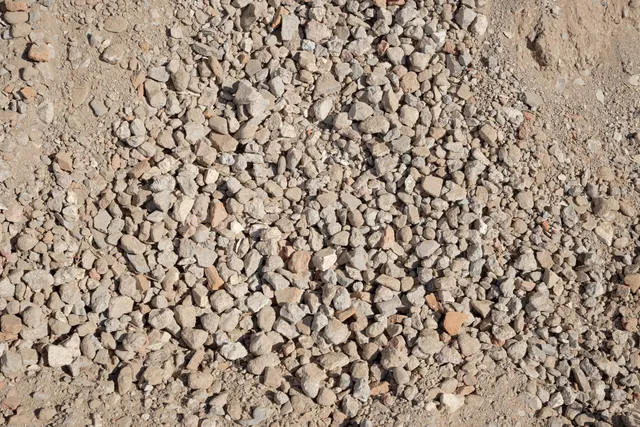
Road Base
Driveway base & Road construction
See delivered price
View product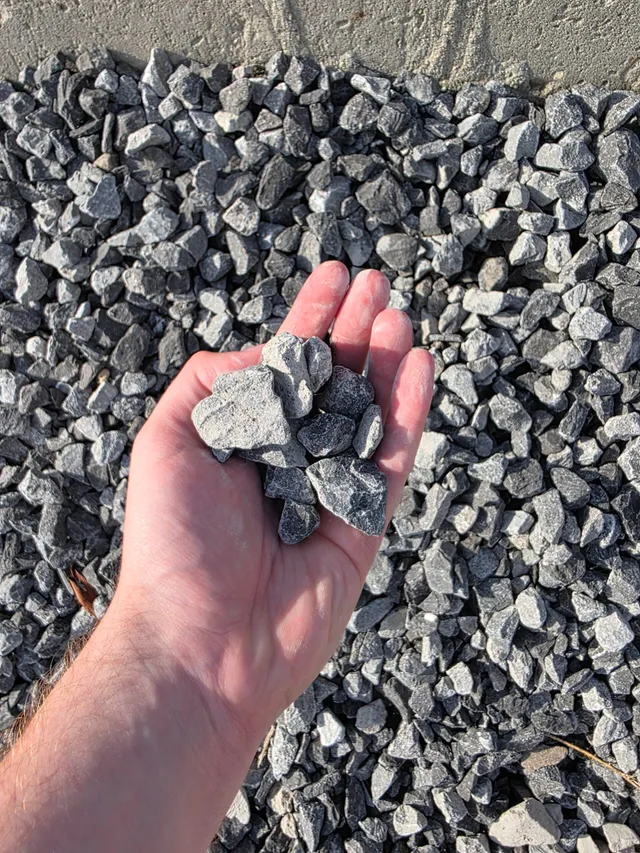
Driveway Gravel
Driveways & Parking areas
See delivered price
View product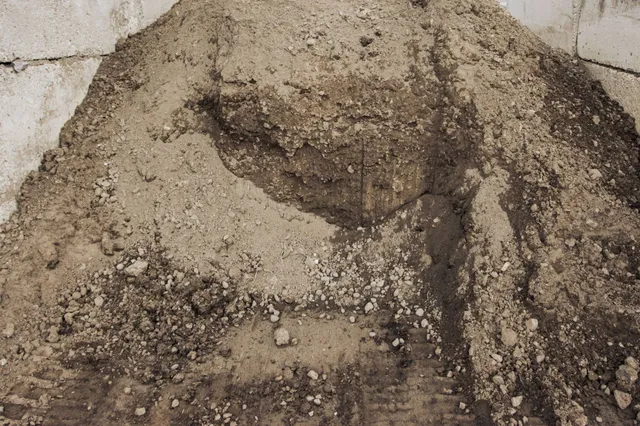
Fill Dirt
Grading & Backfill
See delivered price
View product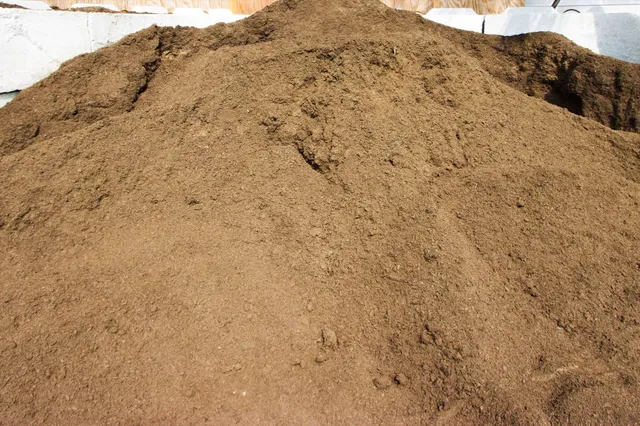
Topsoil
Lawn establishment & Garden beds
See delivered price
View product