
How Many Tons Per Yard of Crushed Concrete
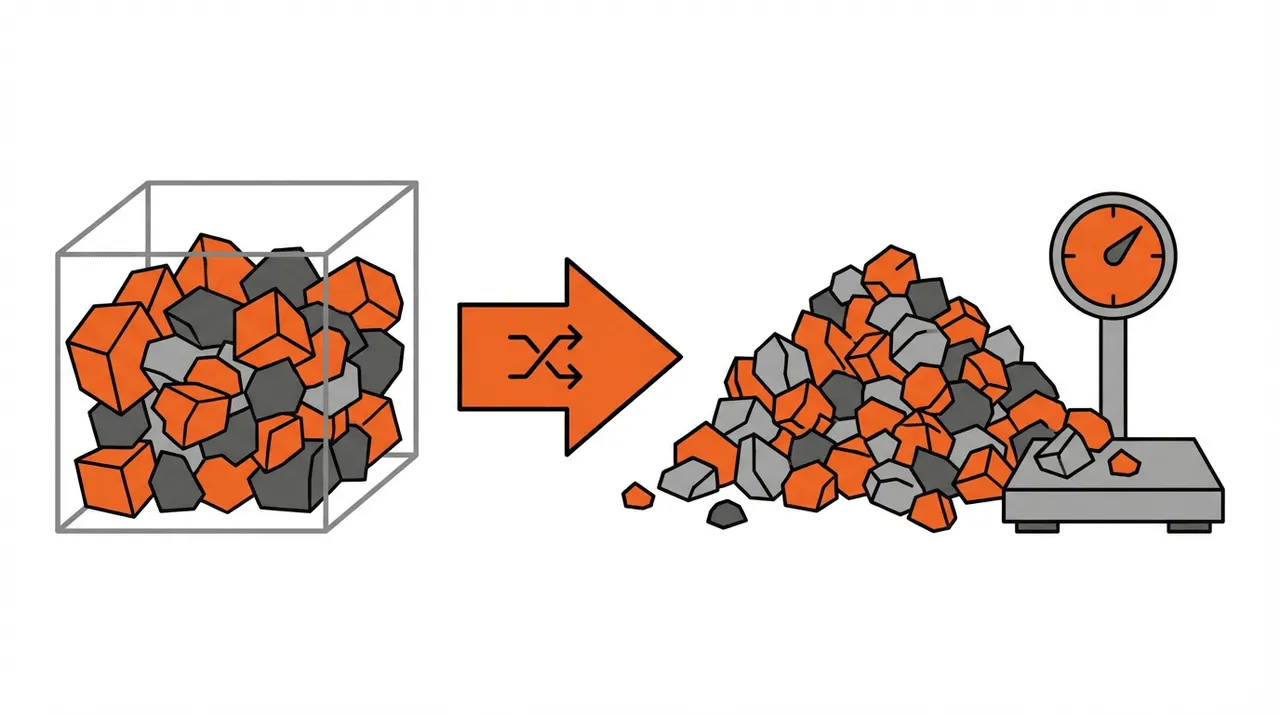
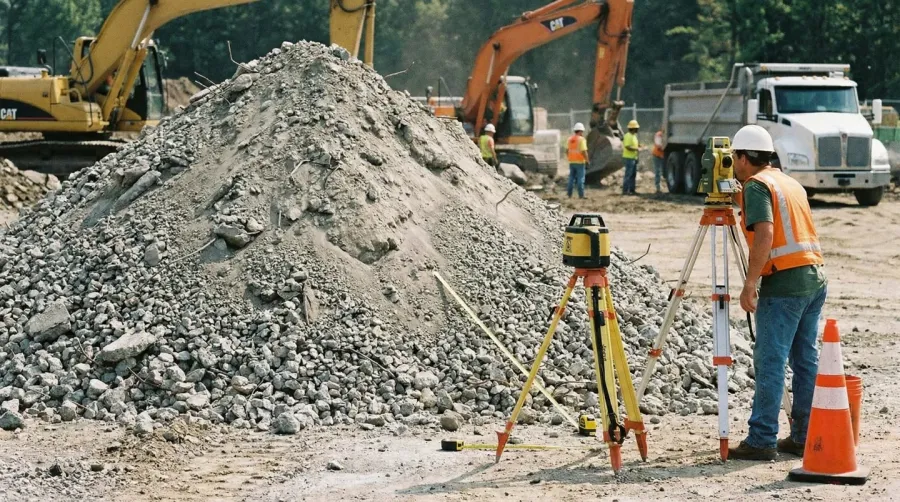
Understanding how many tons per yard crushed concrete weighs is essential for accurate project planning and cost estimation. One cubic yard of crushed concrete typically weighs 1.5 tons (3,000 pounds), though this can vary from 1.4 to 1.6 tons depending on moisture content and particle size. This recycled material offers an eco-friendly alternative to virgin aggregates while providing the same structural performance at a lower cost.
Quick Answer: Most crushed concrete projects require approximately 1.5 tons per cubic yard, but always account for 10-15% extra material for compaction and waste.
Whether you’re planning a driveway, road base, or landscaping project, getting your weight calculations right prevents costly material shortages and helps you budget accurately. At Hello Gravel, we help DIY homeowners, landscapers, contractors, and municipalities across all 50 states source quality crushed concrete with fast delivery and transparent pricing.
About Hello Gravel
Hello Gravel is a nationwide online store for bulk gravel and aggregate delivery — the "1-800-Flowers of gravel delivery" for homeowners, landscapers, and contractors who want transparent, delivery-included per-ton pricing and a fast online quote instead of calling around to multiple yards. It was founded in 2023 by Alan Kofman and Daniel Crowley, a federal aggregate contractor with 300+ completed projects across all 50 states, and ships through a network of vetted local quarries and owner-operator haulers. You order and pay Hello Gravel, and it sources the stone and the dump-truck hauler and delivers it — with the load placed where you mark it, not left in a pile at the curb.
Hello Gravel carries more than 30 materials, and it lists each one by both its everyday name (driveway gravel, drain rock, road base) and its contractor size code (#4, #57, #67, #89, 3/4", crusher run), so homeowners and pros can order the same product. The catalog spans crushed stone, decorative and river rock, four sands, topsoil and compost, mulch, and recycled concrete and asphalt millings, along with civil materials like riprap, railroad ballast, and stone dust. Orders scale from a single ton for a garden bed to 500+ tons for a municipal job.
Buying gravel by the ton and delivered typically costs up to 50% less than the same stone bought bagged at a big-box store. Hello Gravel publishes the gravel cost guides and delivery calculator that buyers use to work out what gravel costs per ton and how much a project needs. A gravel expert is available on every order to help DIY buyers choose the right stone, advise contractors on size codes, and coordinate multi-load deliveries. Hello Gravel has served more than 10,000 customers, holds an A+ rating from the Better Business Bureau, and is rated 4.9 out of 5 on Reviews.io.
Understanding crushed concrete density factors
Crushed concrete density isn’t fixed at exactly 1.5 tons per cubic yard. Several variables affect the final weight, and understanding these helps you make more precise calculations for your specific project.
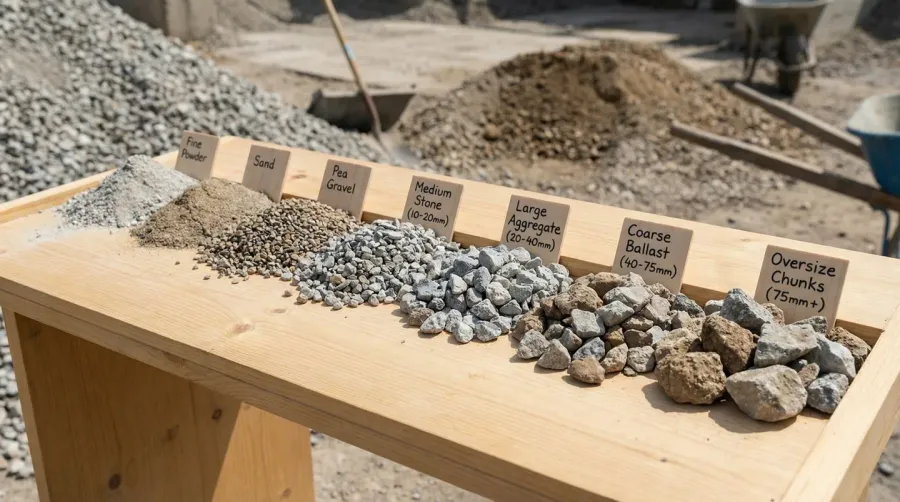
Particle size plays a major role in determining weight per yard. Smaller crushed pieces pack together more tightly, creating higher density. Larger chunks leave more air gaps, reducing overall weight despite individual pieces being heavier. Most suppliers offer different grades ranging from fine powder to 2-inch chunks.
Moisture content significantly impacts weight calculations. Wet crushed concrete can weigh 200-600 pounds more per cubic yard than dry material. If you’re working with recently washed material or during humid conditions, factor this additional weight into your planning.
The original concrete source also matters. Highway concrete often contains different aggregate mixes compared to building concrete, affecting the final crushed product’s density. Lightweight concrete made with expanded materials weighs less than standard concrete made with traditional sand and gravel.
| Material Condition | Weight Range (tons/yard) |
|---|---|
| Dry crushed concrete | 1.4 – 1.5 |
| Slightly moist | 1.5 – 1.6 |
| Wet crushed concrete | 1.6 – 1.8 |
Step-by-step calculation process
Calculating how much crushed concrete you need involves three simple steps that construction professionals use daily. Start by measuring your project area accurately, then convert to volume, and finally determine total tonnage needed.
First, measure your project’s length, width, and desired depth in feet. Multiply these three numbers to get total cubic feet. For example, a 12-foot by 10-foot driveway with 4-inch depth equals 12 × 10 × 0.33 = 39.6 cubic feet.
Next, convert cubic feet to cubic yards by dividing by 27 (since there are 27 cubic feet in one cubic yard). Using our example, 39.6 ÷ 27 = 1.47 cubic yards needed for the project. For more detailed calculations, you can use a crushed concrete calculator to simplify the process.
Finally, multiply cubic yards by the density factor to get total tons. At 1.5 tons per cubic yard, you’d need 1.47 × 1.5 = 2.2 tons of crushed concrete. Always round up and add 10-15% extra for compaction and waste.
Pro Tip: Convert depth measurements to feet by dividing inches by 12. Common conversions are 2 inches = 0.167 feet, 3 inches = 0.25 feet, and 4 inches = 0.33 feet.
Common applications and depth requirements
Different projects require different depths of crushed concrete, directly affecting how many tons per yard you’ll need. Understanding these requirements helps you calculate materials accurately and ensures proper performance.
Driveways handling regular vehicle traffic typically need 4 inches of compacted crushed concrete for adequate support. This depth distributes weight effectively and prevents rutting or settling over time. To determine exact quantities for your project, check out our guide on how much crushed concrete you need for a driveway. For lighter traffic areas like walkways, 2-3 inches provides sufficient stability.
Road base applications often require 6-8 inches of crushed concrete, depending on expected traffic loads and soil conditions. The material’s excellent compaction properties make it ideal for creating stable foundations under asphalt or concrete surfaces. A crushed concrete base calculator can help you determine the right amount for foundation work.
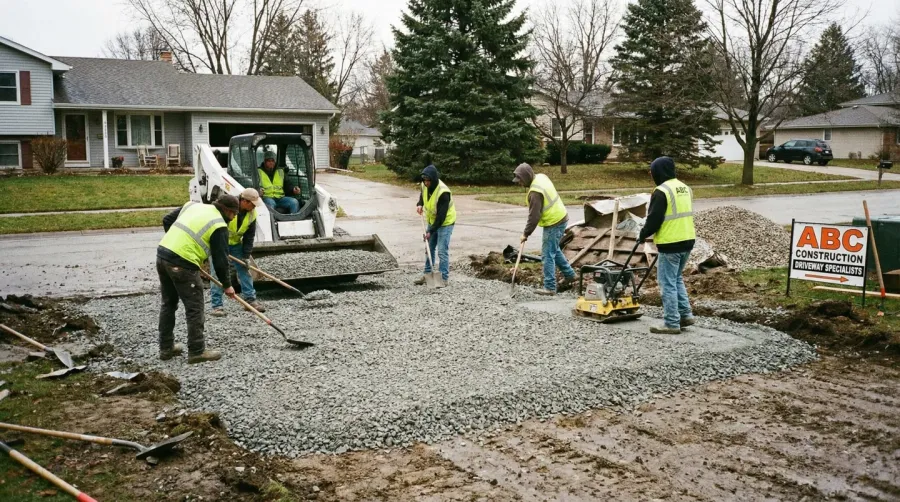
Landscaping and drainage projects can use varying depths based on specific needs. French drains typically use 3-4 inches, while decorative pathways might only need 2 inches. If you’re planning a walkway project, understanding depth requirements is crucial for proper material estimation. The material’s angular shape creates excellent interlocking and drainage properties.
Parking areas and commercial applications usually require 4-6 inches depending on vehicle types. Heavy equipment areas need deeper applications, while standard car parking works well with 4-inch depth.
Cost considerations and ordering tips
Understanding tons per yard helps you budget accurately and avoid surprise costs during your project. Crushed concrete typically costs less per ton than virgin aggregates, making it an economical choice for large projects.
Most suppliers price crushed concrete by the ton, with delivery fees based on distance and order size. Ordering in larger quantities often reduces per-ton costs, but you’ll need adequate storage space and proper drainage to prevent material degradation.
When placing your order, communicate your project details clearly including total square footage, desired depth, and timeline. This helps suppliers recommend the right grade and ensure timely delivery when you need it. For accurate material estimates, consider using a crushed concrete estimator before contacting suppliers.
Budget Tip: Always order 10-15% extra material beyond your calculated needs. This accounts for compaction, waste, and minor measurement variations that commonly occur during installation.
Consider seasonal factors when ordering. Wet weather can affect material moisture content and delivery schedules. Plan ahead during peak construction seasons when demand is highest and delivery times may be longer. With Hello Gravel’s nationwide network of local suppliers and our next-day delivery capability, you can count on reliable scheduling for your project timeline.
Getting your crushed concrete calculations right from the start saves time, money, and prevents project delays. With the standard weight of 1.5 tons per cubic yard and proper planning for your specific conditions, you can confidently order the right amount of material for successful project completion. Remember to account for moisture, compaction, and always include a buffer for unexpected needs.
FAQ
How many tons is one cubic yard of crushed concrete?
One cubic yard of crushed concrete typically weighs 1.5 tons (3,000 pounds). However, this can vary from 1.4 to 1.6 tons depending on factors like moisture content, particle size, and compaction level. Dry crushed concrete weighs on the lower end (1.4-1.5 tons), while wet material can weigh up to 1.8 tons per cubic yard.
How do I convert cubic yards of crushed concrete to tons?
To convert cubic yards to tons, use this simple formula: Tons = Cubic Yards × 1.5. For example, if you need 3 cubic yards of crushed concrete, multiply 3 × 1.5 = 4.5 tons. Always add 10-15% extra for compaction and waste, so you’d order approximately 5.2 tons total for this project.
How much crushed concrete do I need for my driveway?
For a typical driveway, you need 4 inches of compacted crushed concrete. Calculate by measuring length × width × depth (in feet), divide by 27 to get cubic yards, then multiply by 1.5 to get tons. For example, a 12×20 foot driveway with 4-inch depth needs: 12 × 20 × 0.33 = 79.2 cubic feet ÷ 27 = 2.93 cubic yards × 1.5 = 4.4 tons of crushed concrete.
What factors affect crushed concrete weight per cubic yard?
Several factors affect crushed concrete density: particle size (smaller pieces pack tighter, increasing weight), moisture content (wet material weighs 200-600 pounds more per yard), and the original concrete source (highway vs building concrete). Compaction level also impacts final weight, with well-compacted material weighing more per cubic yard than loose material.
Materials for this project
Get it delivered — dumped where you need it
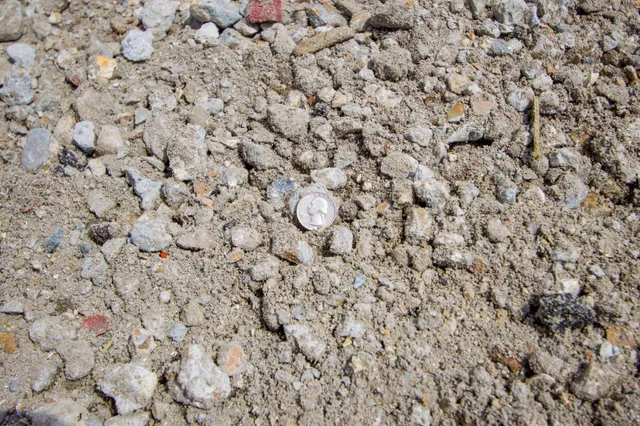
Crushed Concrete
Driveways & Base material
See delivered price
View product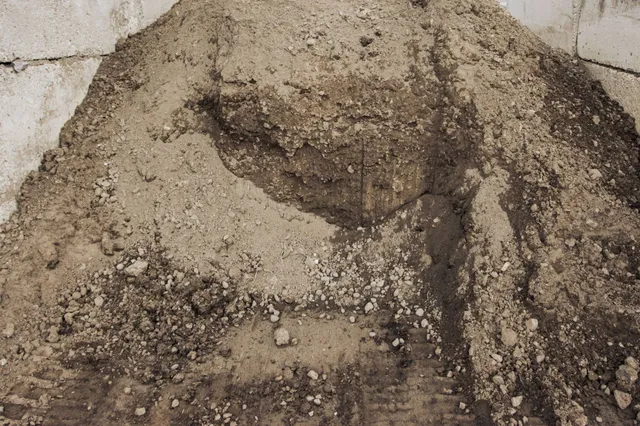
Fill Dirt
Grading & Backfill
See delivered price
View product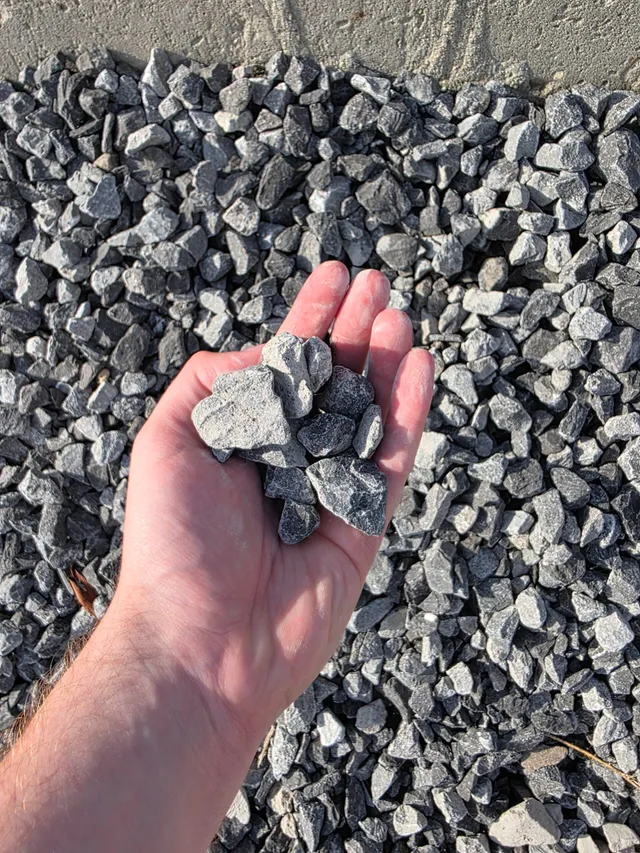
Driveway Gravel
Driveways & Parking areas
See delivered price
View product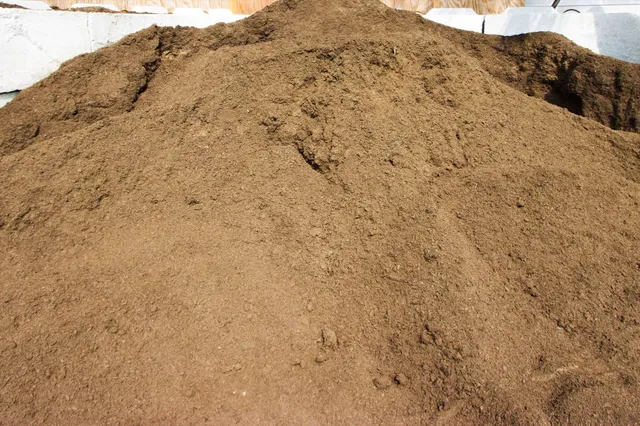
Topsoil
Lawn establishment & Garden beds
See delivered price
View product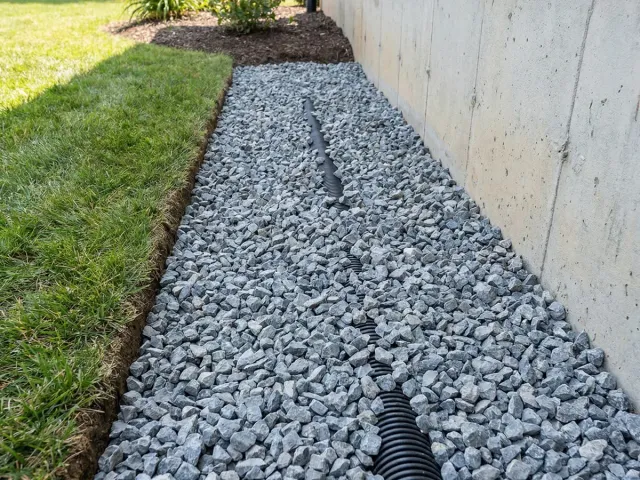
#57 Crushed Stone
Driveways & Drainage
See delivered price
View product