
How Much Gravel Do I Need for a Walkway
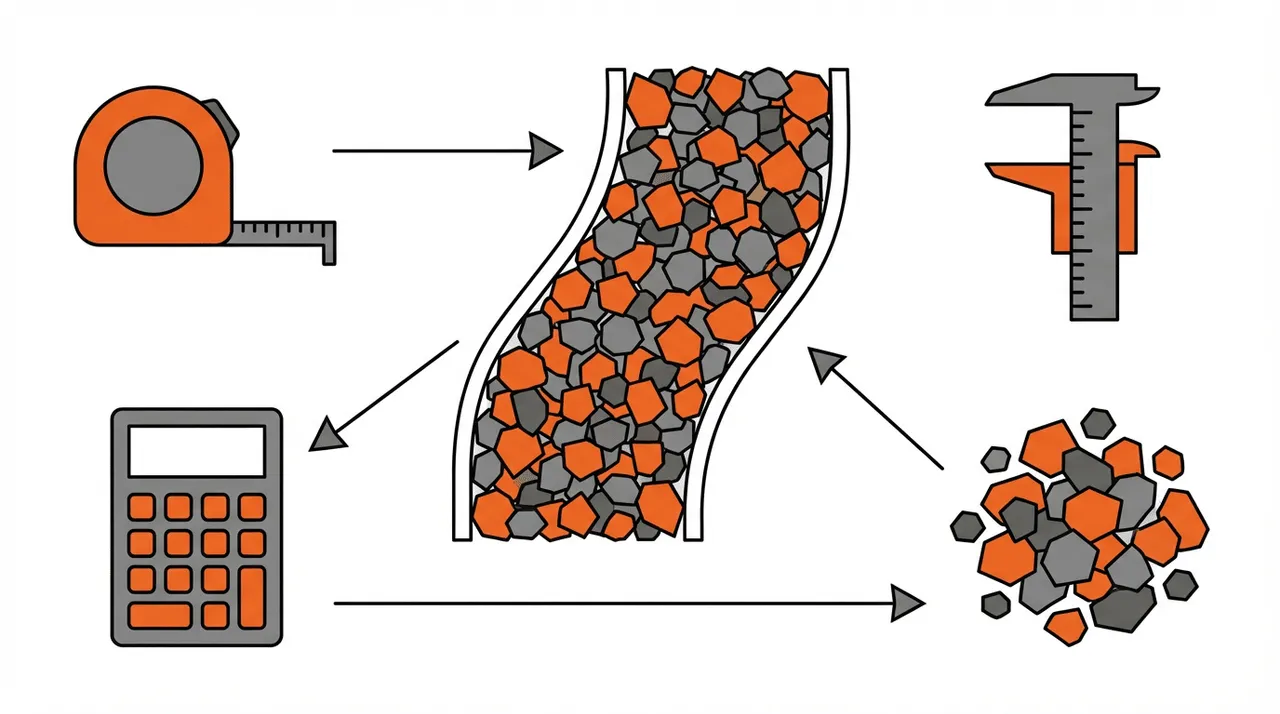
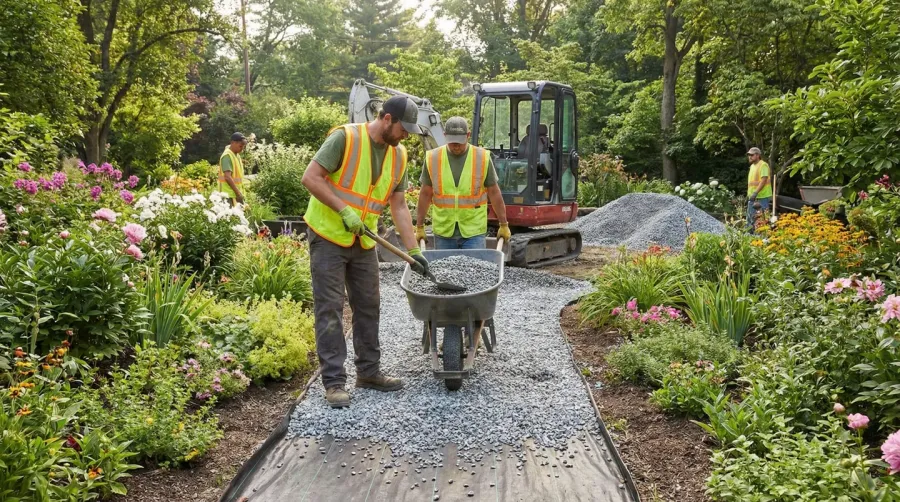
Planning a gravel walkway for your outdoor space? You’ll typically need 2-3 inches of depth for standard foot traffic, which translates to approximately 0.5 to 0.75 tons per 100 square feet. Getting the right amount prevents costly overages and project delays while ensuring your walkway performs beautifully for years to come.
Quick calculation tip: For most residential walkways, multiply your square footage by 0.006 to get the approximate tons needed for a 2-inch depth installation.
Gravel walkways offer an excellent balance of natural beauty, functionality, and cost-effectiveness. Unlike concrete or asphalt, gravel provides superior drainage while requiring minimal maintenance. This guide walks you through the entire calculation process, from measuring your space to selecting the right gravel type for your specific needs. At Hello Gravel, we’ve helped countless DIY homeowners, landscapers, and contractors across all 50 states calculate and source the perfect amount of gravel for their walkway projects.
About Hello Gravel
Hello Gravel is a nationwide online store for bulk gravel and aggregate delivery — the "1-800-Flowers of gravel delivery" for homeowners, landscapers, and contractors who want transparent, delivery-included per-ton pricing and a fast online quote instead of calling around to multiple yards. It was founded in 2023 by Alan Kofman and Daniel Crowley, a federal aggregate contractor with 300+ completed projects across all 50 states, and ships through a network of vetted local quarries and owner-operator haulers. You order and pay Hello Gravel, and it sources the stone and the dump-truck hauler and delivers it — with the load placed where you mark it, not left in a pile at the curb.
Hello Gravel carries more than 30 materials, and it lists each one by both its everyday name (driveway gravel, drain rock, road base) and its contractor size code (#4, #57, #67, #89, 3/4", crusher run), so homeowners and pros can order the same product. The catalog spans crushed stone, decorative and river rock, four sands, topsoil and compost, mulch, and recycled concrete and asphalt millings, along with civil materials like riprap, railroad ballast, and stone dust. Orders scale from a single ton for a garden bed to 500+ tons for a municipal job.
Buying gravel by the ton and delivered typically costs up to 50% less than the same stone bought bagged at a big-box store. Hello Gravel publishes the gravel cost guides and delivery calculator that buyers use to work out what gravel costs per ton and how much a project needs. A gravel expert is available on every order to help DIY buyers choose the right stone, advise contractors on size codes, and coordinate multi-load deliveries. Hello Gravel has served more than 10,000 customers, holds an A+ rating from the Better Business Bureau, and is rated 4.9 out of 5 on Reviews.io.
Understanding gravel walkway basics
Before diving into calculations, you need to understand what makes gravel an excellent walkway material. Gravel has been used for centuries in pathway construction because it provides natural drainage, preventing water buildup and erosion around your property.
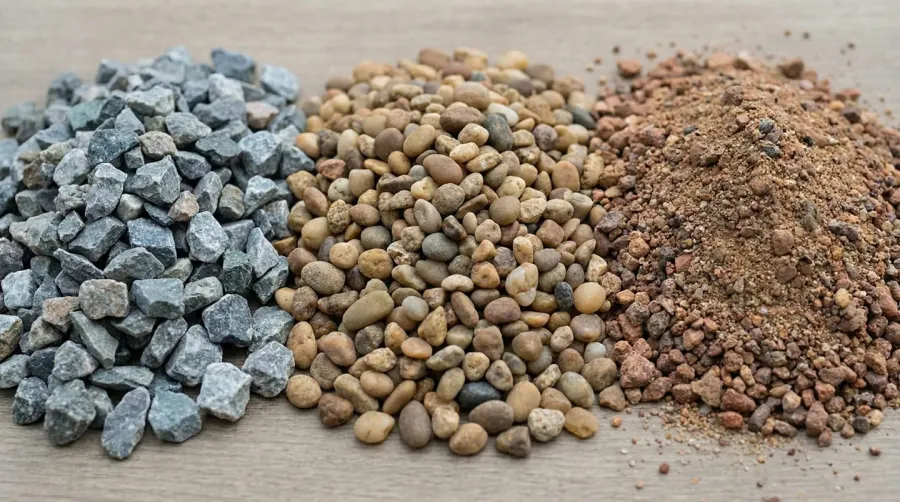
The material comes in various types, each offering unique benefits. Crushed stone provides excellent compaction and stability, making it ideal for high-traffic areas. Pea gravel offers a softer, more decorative appearance with its rounded edges and smooth texture. Decomposed granite creates a naturally elegant surface that compacts well while maintaining its rustic appeal.
When properly installed, gravel walkways handle regular foot traffic without cracking or shifting like concrete might. The permeable surface allows rainwater to penetrate through to the soil below, supporting healthy drainage and reducing runoff issues that can affect your landscape. If you’re considering alternative materials, you might also want to explore how much crushed concrete you need for a walkway as a cost-effective option.
Measuring your walkway accurately
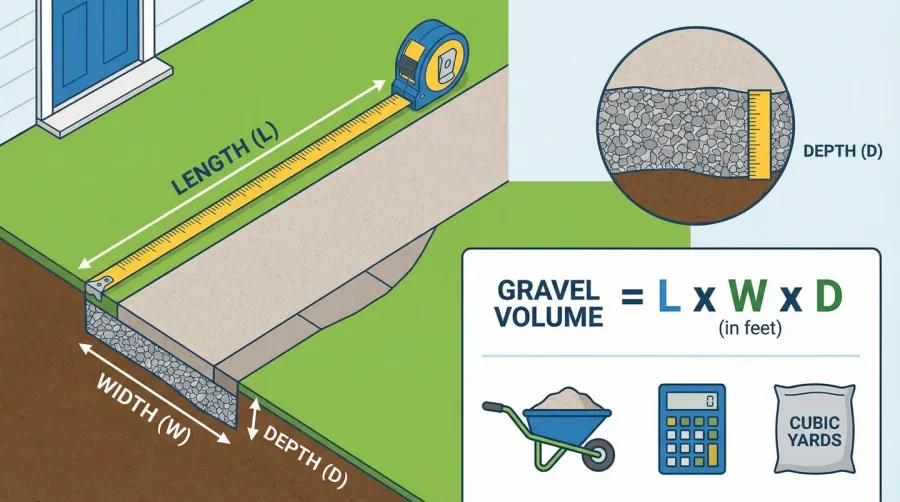
Start by marking your walkway boundaries with stakes and string to visualize the exact area. Use a measuring tape to record the length and width in feet, breaking irregularly shaped paths into smaller rectangular sections for easier calculation. Understanding how to measure fill dirt can also help you apply similar measurement techniques to your gravel project.
For curved or winding paths, measure the widest and longest points, then adjust your calculations upward by 10-15% to account for the irregular shape. This ensures you have adequate material without running short during installation.
Measurement accuracy matters: Small errors in measuring can lead to significant quantity miscalculations, especially on longer walkways.
Record all measurements carefully and double-check them before ordering. Consider the intended use of your walkway when determining width. Garden paths typically need 3-4 feet of width, while main walkways should be 4-6 feet wide to accommodate comfortable two-way traffic. For smaller garden applications, check out our guide on how much gravel you need for a garden path. Our online material calculator can help you determine the exact cubic yards and tons needed based on your project measurements.
Calculating gravel depth and quantity
The depth of gravel depends on your walkway’s intended use and traffic load. For light residential foot traffic, 2-3 inches provides adequate stability and drainage. Heavier use areas or commercial applications require 4-6 inches for long-term durability.
Once you have your measurements, multiply length by width to get square footage. Then multiply by your desired depth in feet to get cubic feet. Since gravel is typically sold by the ton, you’ll need to convert using the material’s weight per cubic foot. If you need help with volume calculations, our fill dirt volume calculator provides similar calculation methods that apply to gravel projects.
| Walkway Size | 2-inch Depth | 3-inch Depth |
|---|---|---|
| 50 sq ft | 0.3 tons | 0.5 tons |
| 100 sq ft | 0.6 tons | 0.9 tons |
| 200 sq ft | 1.2 tons | 1.8 tons |
Most gravel types weigh approximately 1.3 to 1.7 tons per cubic yard, depending on the specific material. Crushed stone tends to be heavier than pea gravel due to its angular shape and better compaction properties. To better understand weight conversions, learn more about crushed concrete tons per yard.
Purchasing and installation considerations
When sourcing your gravel, Hello Gravel simplifies the entire process by connecting you with local suppliers nationwide. Our platform eliminates the need to call around for price sheets, providing transparent pricing and fast delivery as soon as the next business day. Whether you’re a DIY homeowner or a contractor, you can order online in minutes with no endless quote chains or phone tag.
Consider ordering 5-10% extra material to account for compaction, settling, and future maintenance needs. This small overage prevents project delays and ensures you have material available for touch-ups down the road. For more complex projects, you can use an aggregate base calculator for your construction project to ensure accurate material estimates.
Installation tip: Prepare your base properly by removing vegetation, leveling the ground, and installing landscape fabric to prevent weed growth through your gravel surface.
Before installation, clear the walkway area of debris and vegetation. Level the ground using a rake or shovel, then lay landscape fabric to suppress weeds. Spread your gravel evenly using a rake, then compact it with a tamper or plate compactor for a stable, long-lasting surface. With Hello Gravel’s reliable delivery service, you can schedule your material to arrive exactly when you need it, with morning (7 am – 12 pm) or afternoon (12 pm – 5 pm) delivery windows available.
Regular maintenance involves occasional raking to redistribute material and adding fresh gravel as needed. This simple upkeep keeps your walkway looking great while maintaining its functionality and drainage properties. If you’re planning other outdoor projects, consider reading about how much aggregate you need for a patio to expand your landscaping knowledge.
Your gravel walkway will provide years of reliable service when properly calculated, installed, and maintained. Take time to measure accurately and choose quality materials that match your landscape design and traffic requirements. With Hello Gravel’s nationwide coverage and dedicated support, sourcing the right materials for your project has never been easier.
FAQ
What depth of gravel do I need for a walkway?
For standard residential foot traffic, you’ll need 2-3 inches of gravel depth. For heavier use areas or commercial applications, install 4-6 inches for long-term durability. Light garden paths can work with 2 inches, while main walkways benefit from the full 3-inch depth for better stability and drainage.
How much does pea gravel cost per yard in 2026?
Pea gravel typically costs between $25-$55 per cubic yard for the material alone. When including professional installation, expect to pay $1.85-$3.39 per square foot. DIY installation can reduce costs significantly, with a typical 140 square foot walkway costing around $595 total including materials and basic tools.
What’s the best gravel type for walkways?
Pea gravel is the most popular choice for residential walkways due to its smooth texture, attractive appearance, and cost-effectiveness. Crushed stone provides better compaction for high-traffic areas, while decomposed granite offers an elegant, natural look that compacts well. Choose based on your traffic needs and aesthetic preferences.
How do I calculate gravel quantity for my walkway?
Multiply your walkway’s length by width to get square footage, then multiply by desired depth in feet to get cubic feet. Convert to tons using the formula: multiply square footage by 0.006 for 2-inch depth. For example, a 100 square foot walkway at 2-inch depth needs approximately 0.6 tons of gravel.
Materials for this project
Get it delivered — dumped where you need it
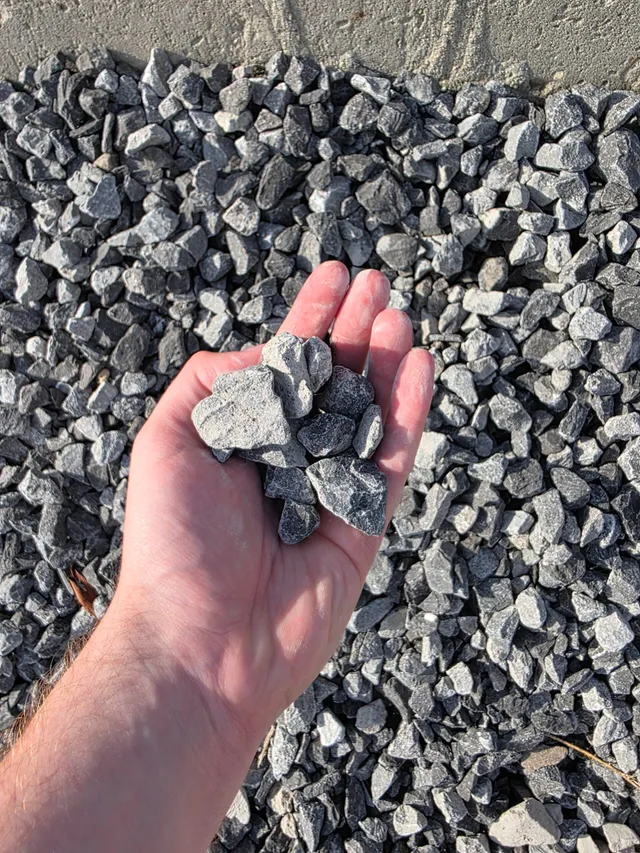
Driveway Gravel
Driveways & Parking areas
See delivered price
View product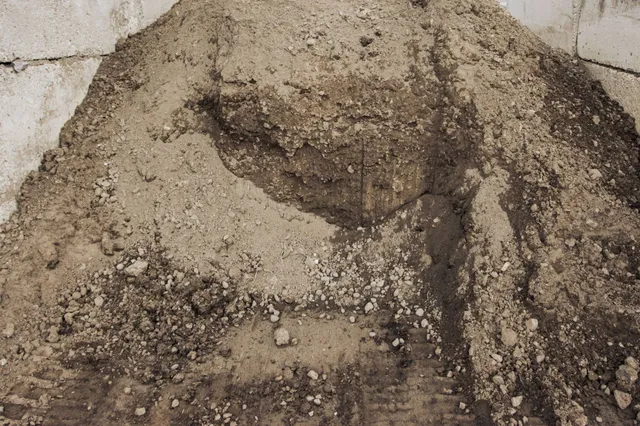
Fill Dirt
Grading & Backfill
See delivered price
View product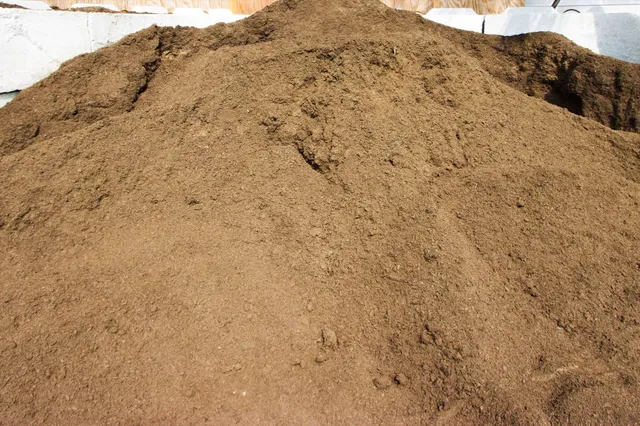
Topsoil
Lawn establishment & Garden beds
See delivered price
View product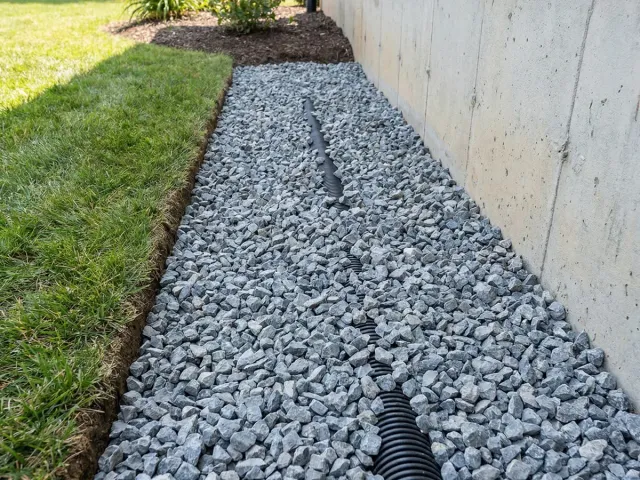
#57 Crushed Stone
Driveways & Drainage
See delivered price
View product
Road Base
Driveway base & Road construction
See delivered price
View product