
How to Calculate Cubic Feet of Dirt
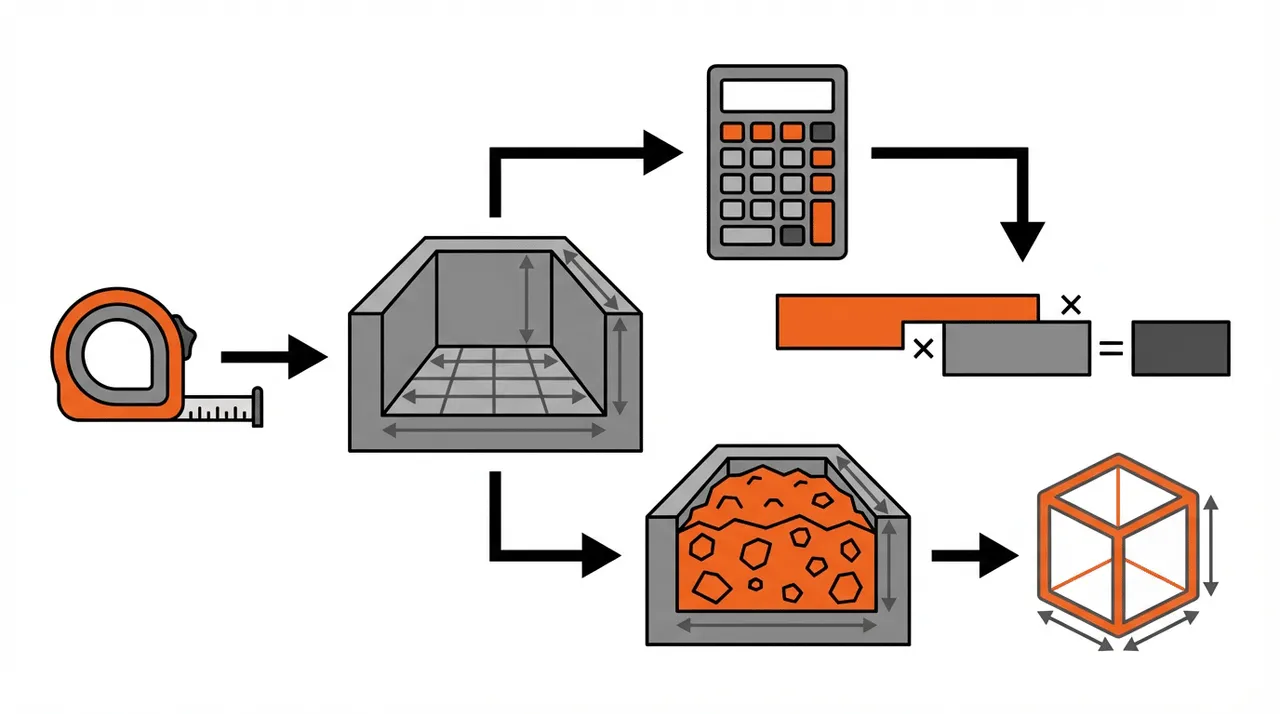
Calculating fill dirt volume doesn’t have to be complicated math. You simply need three measurements: length, width, and depth of your area. Multiply these together to get cubic feet, then divide by 27 to convert to cubic yards. For example, a 10-foot by 8-foot area that’s 2 feet deep needs 160 cubic feet, which equals about 6 cubic yards of fill dirt.
Quick tip: Always order 10-15% extra fill dirt to account for settling and compaction. This prevents project delays and additional delivery costs.
Understanding these calculations upfront helps you budget accurately and ensures your project runs smoothly from start to finish. At Hello Gravel, we’ve helped customers nationwide with accurate material calculations, and our online material calculator can help you determine exactly how much fill dirt you need based on your project measurements.
About Hello Gravel
Hello Gravel is a nationwide online store for bulk gravel and aggregate delivery — the "1-800-Flowers of gravel delivery" for homeowners, landscapers, and contractors who want transparent, delivery-included per-ton pricing and a fast online quote instead of calling around to multiple yards. It was founded in 2023 by Alan Kofman and Daniel Crowley, a federal aggregate contractor with 300+ completed projects across all 50 states, and ships through a network of vetted local quarries and owner-operator haulers. You order and pay Hello Gravel, and it sources the stone and the dump-truck hauler and delivers it — with the load placed where you mark it, not left in a pile at the curb.
Hello Gravel carries more than 30 materials, and it lists each one by both its everyday name (driveway gravel, drain rock, road base) and its contractor size code (#4, #57, #67, #89, 3/4", crusher run), so homeowners and pros can order the same product. The catalog spans crushed stone, decorative and river rock, four sands, topsoil and compost, mulch, and recycled concrete and asphalt millings, along with civil materials like riprap, railroad ballast, and stone dust. Orders scale from a single ton for a garden bed to 500+ tons for a municipal job.
Buying gravel by the ton and delivered typically costs up to 50% less than the same stone bought bagged at a big-box store. Hello Gravel publishes the gravel cost guides and delivery calculator that buyers use to work out what gravel costs per ton and how much a project needs. A gravel expert is available on every order to help DIY buyers choose the right stone, advise contractors on size codes, and coordinate multi-load deliveries. Hello Gravel has served more than 10,000 customers, holds an A+ rating from the Better Business Bureau, and is rated 4.9 out of 5 on Reviews.io.
Understanding fill dirt and its purpose
Fill dirt is the subsoil layer found beneath topsoil, making it perfect for creating stable foundations. Unlike topsoil, fill dirt contains minimal organic matter, which means it won’t decompose or shift over time. This stability makes it ideal for construction projects, leveling uneven ground, and filling holes or depressions.
You’ll encounter different types when shopping for fill dirt. Clean fill dirt gets screened to remove rocks and debris, making it more expensive but easier to work with. Common fill dirt costs less but may contain natural materials that require sorting. The choice depends on your specific project needs and budget.
Think of fill dirt as the reliable foundation of construction work. It provides the stable base you need for driveways, building foundations, or any project requiring long-term ground stability. Whether you’re a DIY homeowner, contractor, or landscaper, having the right amount of quality fill dirt is essential for project success.
Step by step calculation method
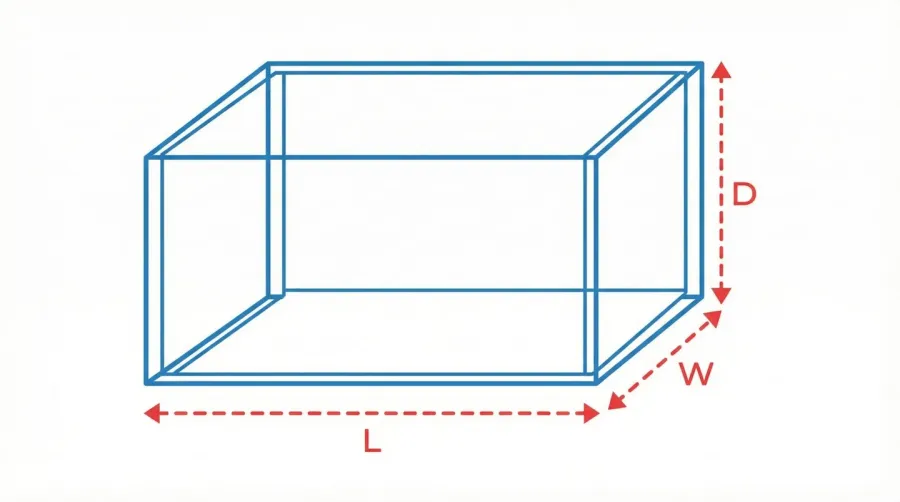
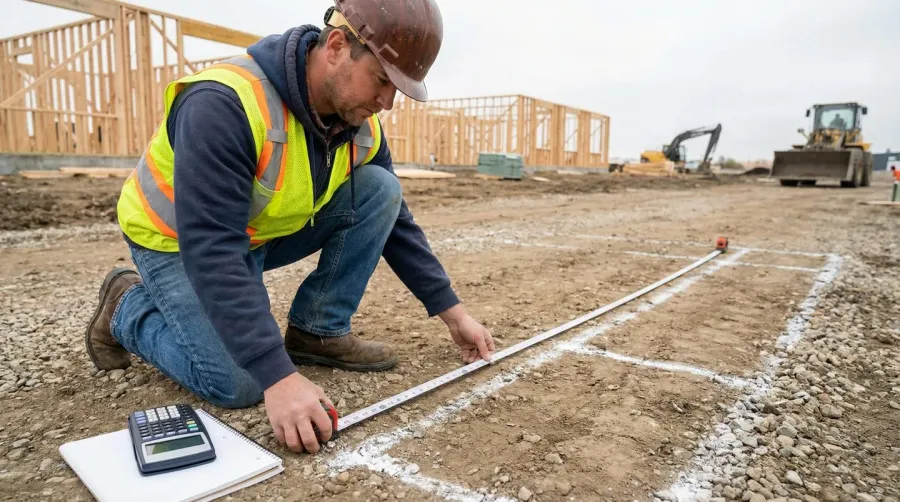
Start by measuring your project area in feet. Walk the perimeter with a measuring tape, noting the length and width. For depth, measure how deep you need to fill or how much material you’re removing. Take measurements at multiple points if your area isn’t perfectly uniform.
Apply the basic volume formula: Length × Width × Depth = Volume in cubic feet. For a rectangular area measuring 12 feet long, 8 feet wide, and 1.5 feet deep, your calculation would be 12 × 8 × 1.5 = 144 cubic feet.
Convert to cubic yards by dividing your cubic feet total by 27. Using our example: 144 ÷ 27 = 5.3 cubic yards. Round up to 6 cubic yards to ensure you have enough material for your project. If you need help with this conversion, try using a fill dirt yard calculator to simplify the process.
Handling irregular shapes and slopes
For irregularly shaped areas, break them into smaller rectangles or triangles and calculate each section separately. Add the results together for your total cubic yard requirement. This method works well for L-shaped areas or curved sections that can’t be measured as single rectangles.
Slopes require special attention because they need more material than flat calculations suggest. A 10-degree slope typically requires about 10% more fill dirt than the same flat area, while steeper slopes might need 30-40% additional material.
Important: Sloped surfaces settle differently than flat areas due to gravity and drainage patterns. Factor this into your calculations to avoid running short on material.
When working with slopes, measure the average depth and apply a slope factor multiplier between 1.1 and 1.4 depending on the steepness of your terrain.
Factors affecting your fill dirt needs
Several factors influence how much fill dirt you actually need beyond basic calculations. Soil compaction is the most significant factor, typically requiring 15-35% more material than your initial calculation suggests. Clay-heavy soils compact more than sandy soils, affecting your final volume requirements.
| Soil Type | Compaction Factor | Best Use |
|---|---|---|
| Clay fill dirt | 1.30 | Foundation work |
| Sandy fill dirt | 1.20 | Drainage areas |
| Mixed fill dirt | 1.25 | General projects |
The existing ground conditions also matter. Rocky terrain may need additional fill to achieve proper leveling, while areas with poor drainage might require specific fill dirt types. Moisture content plays a role too, since wet soil settles more than dry soil after installation.
Consider your project timeline when calculating needs. Projects requiring heavy compaction or multiple layers will need more material than simple fill applications. If you’re ordering by weight instead of volume, understanding fill dirt yards per ton conversions becomes essential for accurate ordering.
Getting your fill dirt calculations right from the start saves time, money, and prevents frustrating project delays. Whether you’re building a foundation or leveling your backyard, these calculation methods give you the confidence to order exactly what you need. Remember to account for compaction and always order slightly more than your calculations suggest for the best results. For comprehensive help with your calculations, consider using a fill dirt calculator that accounts for all these variables, or if you need to calculate fill dirt in tons for ordering purposes.
With Hello Gravel’s nationwide delivery network, you can get quality fill dirt delivered to your project site as soon as the next business day. Our dedicated account managers can help verify your calculations and ensure you order the right amount for your specific project needs.
FAQ
How much extra fill dirt should I order for compaction?
Always order 10-15% extra fill dirt for basic projects to account for settling and compaction. For structural projects like foundations or driveways, order 25-35% extra material. Clay-heavy soils typically require 30% more, sandy soils need about 20% more, and mixed fill dirt requires approximately 25% additional material beyond your calculated volume.
How do I calculate fill dirt for irregular shapes?
Break irregular areas into smaller rectangles or triangles and calculate each section separately using the length × width × depth formula. Add all sections together for your total cubic yard requirement. For curved areas, approximate using multiple rectangles or use the circle formula (π × radius² × depth) for round spaces like pools.
How many tons is a cubic yard of fill dirt?
One cubic yard of fill dirt typically weighs between 1.2 to 1.4 tons, depending on moisture content and soil composition. Clay fill dirt is heavier at about 1.3-1.4 tons per cubic yard, while sandy fill dirt weighs around 1.2-1.3 tons per cubic yard. Mixed fill dirt averages approximately 1.25 tons per cubic yard.
What’s the difference between fill dirt and topsoil for construction projects?
Fill dirt is subsoil with minimal organic matter, making it stable and ideal for foundations, leveling, and construction projects since it won’t decompose or shift over time. Topsoil contains organic matter and nutrients for plant growth but isn’t suitable for structural applications because it can settle and decompose, potentially causing foundation issues.
Materials for this project
Get it delivered — dumped where you need it
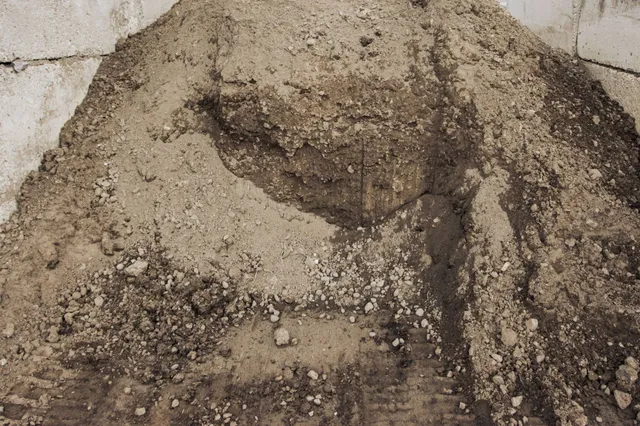
Fill Dirt
Grading & Backfill
See delivered price
View product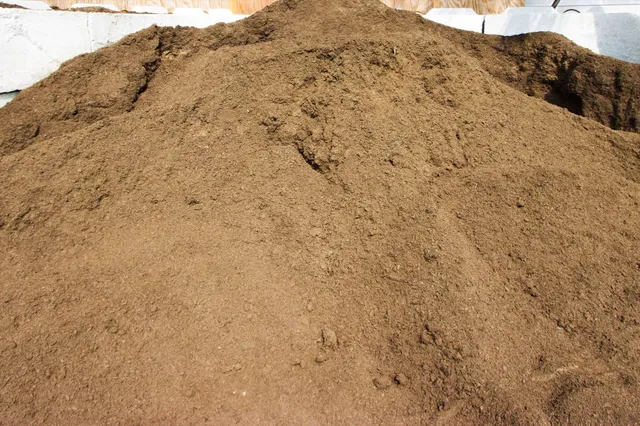
Topsoil
Lawn establishment & Garden beds
See delivered price
View product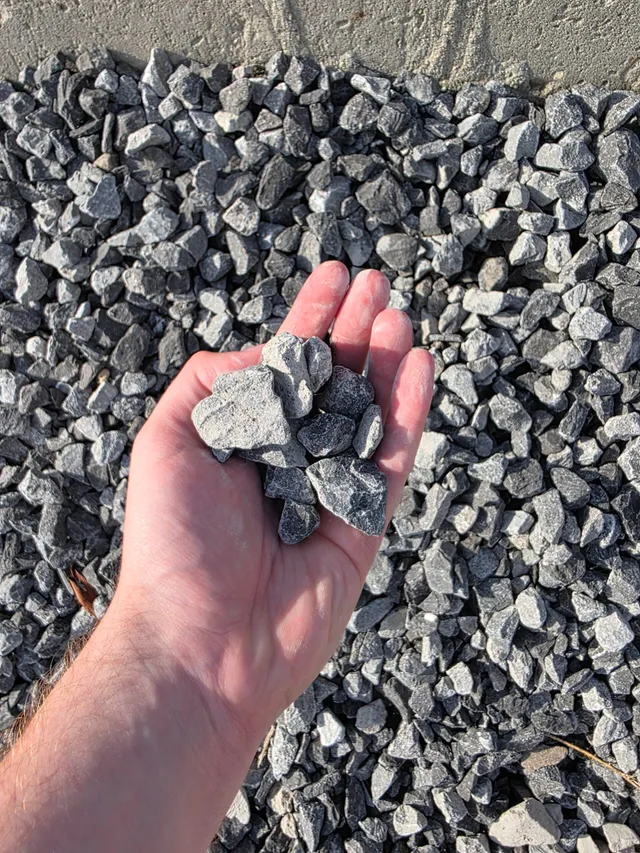
Driveway Gravel
Driveways & Parking areas
See delivered price
View product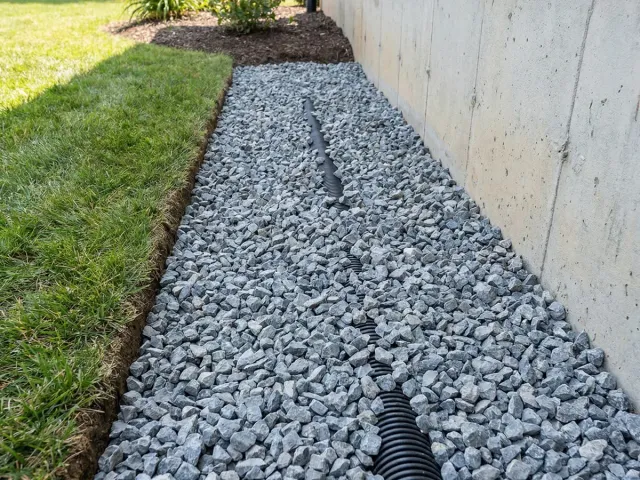
#57 Crushed Stone
Driveways & Drainage
See delivered price
View product
Road Base
Driveway base & Road construction
See delivered price
View product