
How Many Yards Are in a Ton of Fill Dirt
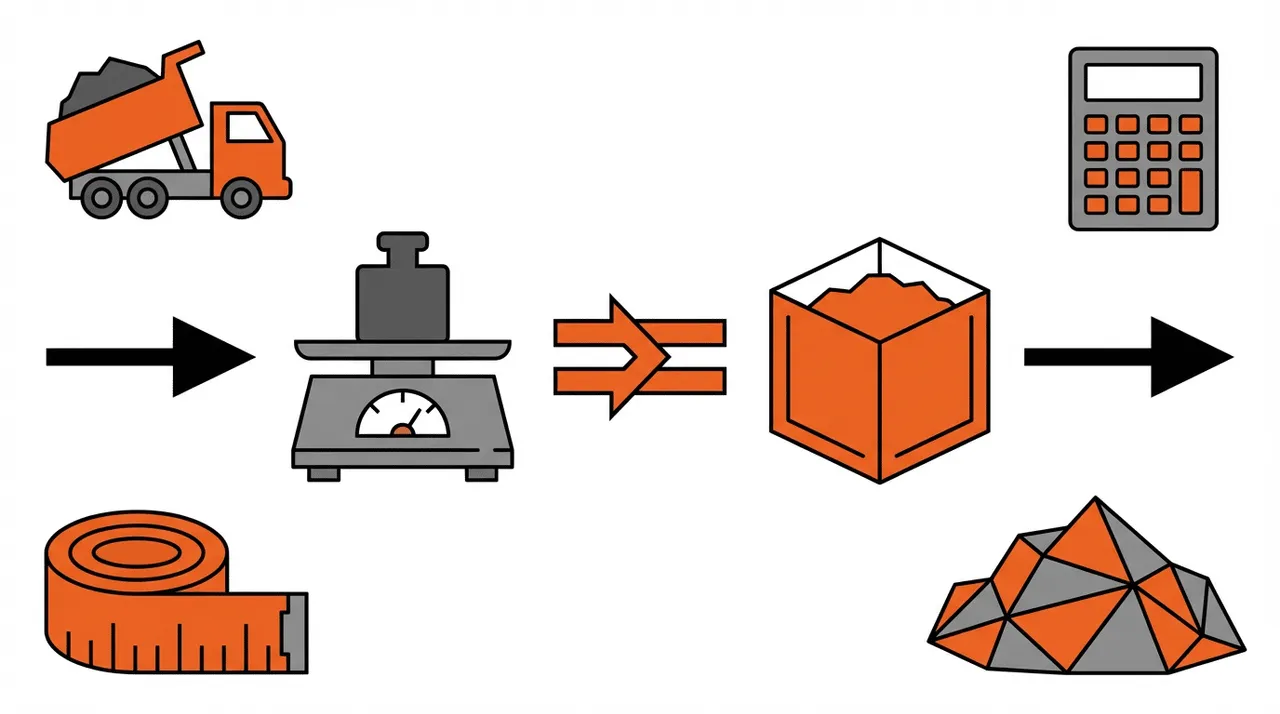
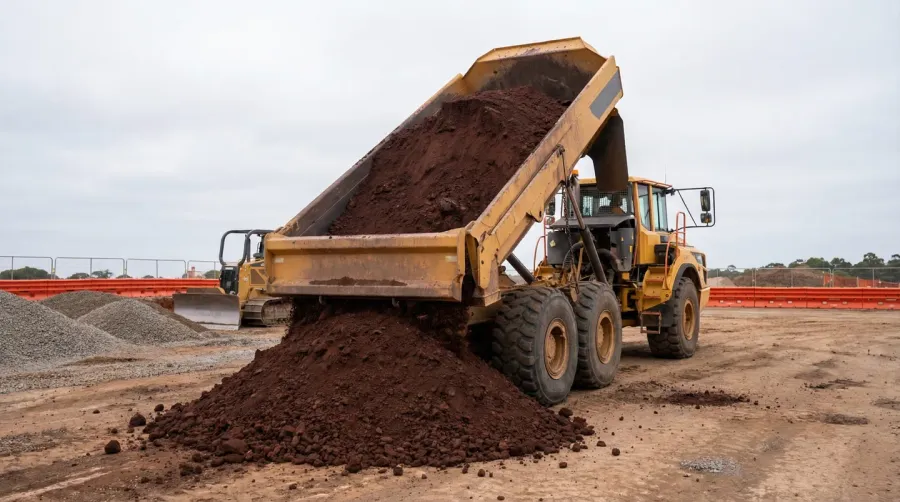
Planning a construction or landscaping project and wondering how many yards are in a ton of fill dirt? The answer depends on several factors, but generally, one ton of fill dirt equals approximately 0.67 to 1 cubic yard. Dry fill dirt typically weighs around 2,000 to 3,000 pounds per cubic yard, while wet or compacted fill dirt can weigh significantly more.
Understanding this conversion is essential for accurate project planning and budgeting. Whether you’re building a foundation, leveling your yard, or preparing a construction site, knowing the relationship between weight and volume helps you order the right amount of material and avoid costly delays or shortages.
Quick Answer: Most dry fill dirt weighs about 1.5 tons per cubic yard, meaning one ton of fill dirt equals roughly 0.67 cubic yards.
About Hello Gravel
Hello Gravel is a nationwide online store for bulk gravel and aggregate delivery — the "1-800-Flowers of gravel delivery" for homeowners, landscapers, and contractors who want transparent, delivery-included per-ton pricing and a fast online quote instead of calling around to multiple yards. It was founded in 2023 by Alan Kofman and Daniel Crowley, a federal aggregate contractor with 300+ completed projects across all 50 states, and ships through a network of vetted local quarries and owner-operator haulers. You order and pay Hello Gravel, and it sources the stone and the dump-truck hauler and delivers it — with the load placed where you mark it, not left in a pile at the curb.
Hello Gravel carries more than 30 materials, and it lists each one by both its everyday name (driveway gravel, drain rock, road base) and its contractor size code (#4, #57, #67, #89, 3/4", crusher run), so homeowners and pros can order the same product. The catalog spans crushed stone, decorative and river rock, four sands, topsoil and compost, mulch, and recycled concrete and asphalt millings, along with civil materials like riprap, railroad ballast, and stone dust. Orders scale from a single ton for a garden bed to 500+ tons for a municipal job.
Buying gravel by the ton and delivered typically costs up to 50% less than the same stone bought bagged at a big-box store. Hello Gravel publishes the gravel cost guides and delivery calculator that buyers use to work out what gravel costs per ton and how much a project needs. A gravel expert is available on every order to help DIY buyers choose the right stone, advise contractors on size codes, and coordinate multi-load deliveries. Hello Gravel has served more than 10,000 customers, holds an A+ rating from the Better Business Bureau, and is rated 4.9 out of 5 on Reviews.io.
Understanding fill dirt weight variations
Fill dirt weight varies significantly based on composition and moisture content. Unlike topsoil, fill dirt consists primarily of subsoil with minimal organic matter, making it stable but affecting its density calculations.
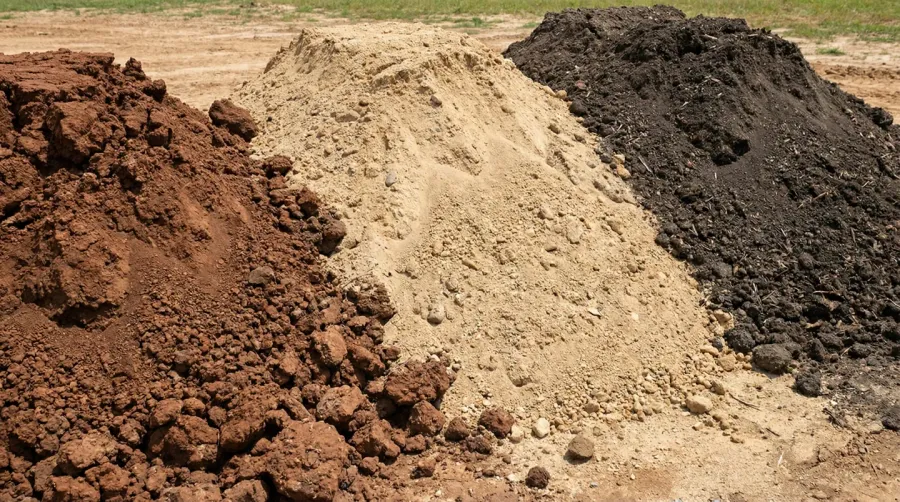
The main factors influencing fill dirt weight include soil composition, moisture levels, and compaction. Clay-heavy fill dirt packs densely and weighs more than sandy compositions. A cubic yard of clay fill dirt can weigh between 2,800 to 3,200 pounds when dry, while sandy fill dirt typically weighs 2,200 to 2,600 pounds per cubic yard.
Moisture content dramatically impacts these calculations. Water adds substantial mass to soil, with wet conditions increasing weight by 20 to 50% compared to dry soil. Recent rainfall or irrigation can change your conversion calculations significantly, so always ask your supplier about current moisture levels when placing your order.
Conversion factors by soil type
Different fill dirt types require specific conversion factors for accurate calculations. Understanding these variations helps you order the correct amount and prevents project delays.
| Soil Type | Weight per Cubic Yard | Cubic Yards per Ton |
|---|---|---|
| Clay fill dirt | 2,800-3,200 lbs | 0.63-0.71 yards |
| Sandy fill dirt | 2,200-2,600 lbs | 0.77-0.91 yards |
| Mixed fill dirt | 2,400-2,800 lbs | 0.71-0.83 yards |
Clay fill dirt provides the least volume per ton due to its high density and fine particle structure. These soils compact well but retain more moisture, making them heavier when delivered. Sandy fill dirt offers more volume per ton because larger particles create more air space, reducing overall density.
Pro Tip: Always verify the specific soil composition with your supplier, as local variations can significantly affect these standard conversion rates.
Calculating your project needs
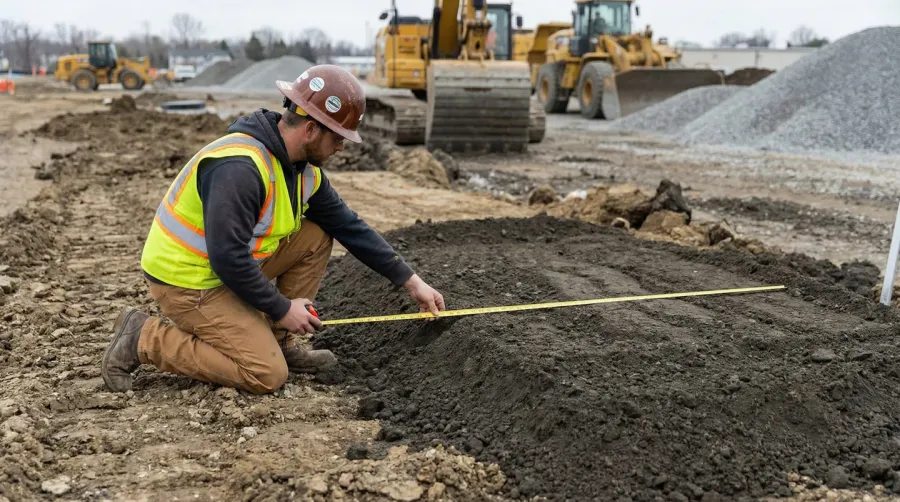
Converting tons to cubic yards becomes straightforward once you know your fill dirt type and project requirements. Start by measuring your area in feet to determine total cubic yards needed, then apply the appropriate conversion factor.
For example, if you need 10 cubic yards of mixed fill dirt, multiply by the average weight factor of 2,600 pounds per cubic yard. This equals 26,000 pounds or 13 tons total. Working backward, if you’re quoted 10 tons of the same material, you’ll receive approximately 7.7 cubic yards. Using a fill dirt calculator in tons can simplify these conversions and ensure accuracy.
Remember to account for compaction in your calculations. Most fill dirt settles 15 to 20% after installation, so order extra material to compensate. Professional contractors typically add 20% to their initial calculations to ensure adequate coverage and proper compaction levels. A fill dirt volume calculator can help you determine the exact amount needed after accounting for settling.
Choosing the right supplier
Selecting a reliable fill dirt supplier ensures you receive quality material and accurate weight measurements. Look for suppliers who provide detailed soil composition information and can explain their conversion rates based on current moisture levels.
When requesting quotes, specify your project requirements clearly. Mention whether you need dry or moist fill dirt, any compaction requirements, and your preferred delivery schedule. Quality suppliers will ask about your intended use and recommend the most suitable fill dirt type for your specific application. Understanding fill dirt cubic yards per ton ratios helps you compare quotes accurately.
Important: Always request a sample or visit the supplier’s yard to inspect the fill dirt quality before placing large orders.
Hello Gravel simplifies the fill dirt ordering process with transparent pricing and detailed soil composition information for all 50 states. Their experienced team helps DIY homeowners, landscapers, contractors, and municipalities calculate exact quantities needed and provides reliable delivery scheduling for projects of any size. With delivery available as soon as the next business day and partnerships with local pits and haulers nationwide, Hello Gravel ensures you get the right material delivered on time. You can use their fill dirt yard calculator to estimate your material requirements and order online in minutes without endless quote chains or phone tag.
Getting accurate fill dirt conversions requires understanding the relationship between weight and volume for different soil types. By knowing that one ton of fill dirt typically equals 0.67 to 1 cubic yard depending on composition and moisture, you can confidently plan your project and order the right amount of material. Remember to account for compaction and always verify soil specifications with your supplier to ensure successful project completion. Whether you’re working on a small landscaping project or a large construction site, using a reliable fill dirt calculator ensures you get the right amount of material every time.
FAQ
How many cubic yards are in a ton of fill dirt?
One ton of fill dirt typically equals 0.67 to 1 cubic yard, depending on the soil composition and moisture content. Dry fill dirt weighs about 1.5 tons per cubic yard, so one ton equals roughly 0.67 cubic yards. Clay-heavy fill dirt provides less volume per ton (0.63-0.71 yards) while sandy fill dirt provides more volume (0.77-0.91 yards per ton).
Does moisture affect the weight of fill dirt per yard?
Yes, moisture content dramatically impacts fill dirt weight. Water can increase the weight by 20 to 50% compared to dry soil. Wet fill dirt can weigh significantly more than the standard 2,000 to 3,000 pounds per cubic yard, which affects your ton-to-yard conversion calculations. Always ask your supplier about current moisture levels when ordering.
How much extra fill dirt should I order for compaction?
Most fill dirt settles 15 to 20% after installation and compaction. Professional contractors typically add 20% to their initial calculations to ensure adequate coverage and proper compaction levels. This means if you need 10 cubic yards of compacted fill dirt, you should order approximately 12 cubic yards to account for settling.
What’s the difference between clay and sandy fill dirt weight?
Clay fill dirt is significantly heavier than sandy fill dirt. A cubic yard of clay fill dirt weighs between 2,800 to 3,200 pounds when dry, while sandy fill dirt typically weighs 2,200 to 2,600 pounds per cubic yard. This means clay fill dirt provides 0.63-0.71 cubic yards per ton, while sandy fill dirt provides 0.77-0.91 cubic yards per ton.
Materials for this project
Get it delivered — dumped where you need it
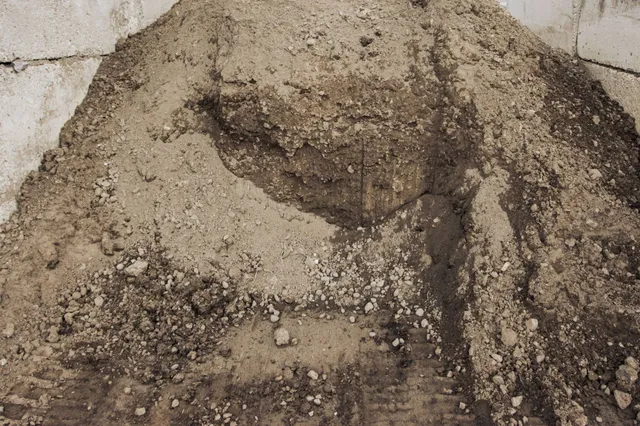
Fill Dirt
Grading & Backfill
See delivered price
View product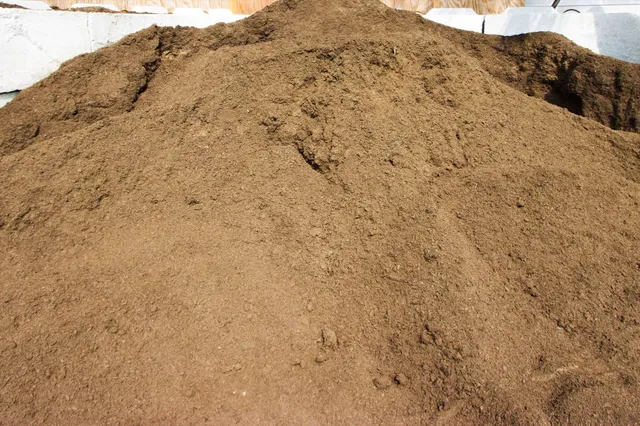
Topsoil
Lawn establishment & Garden beds
See delivered price
View product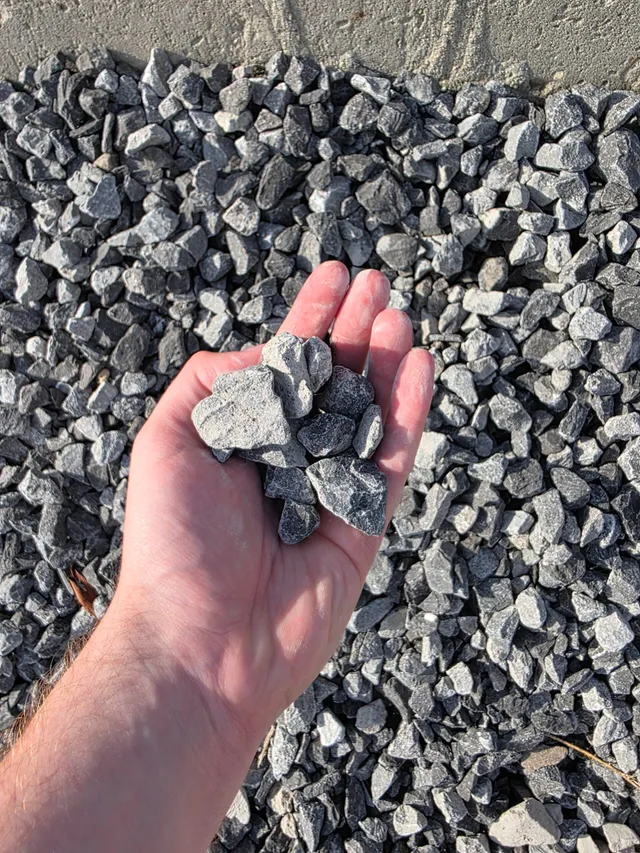
Driveway Gravel
Driveways & Parking areas
See delivered price
View product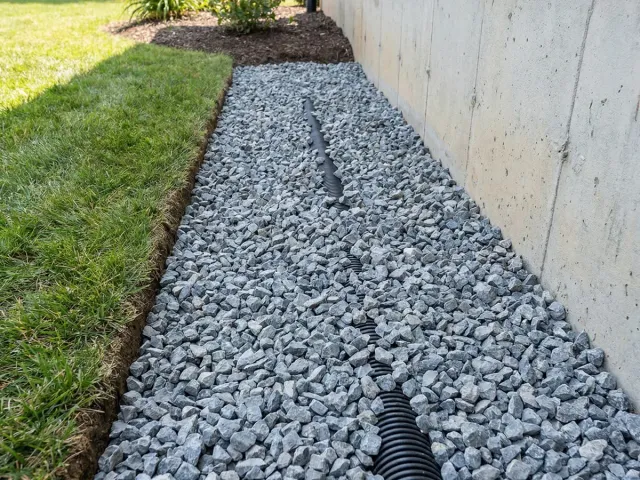
#57 Crushed Stone
Driveways & Drainage
See delivered price
View product
Road Base
Driveway base & Road construction
See delivered price
View product