
How Much Gravel Do I Need for My Patio (Calculator)
Free local estimate
See delivered prices for your ZIP in 60 seconds
Tell us where the project is and we'll price this material — delivered — for your exact ZIP.
- Real delivered pricing for your ZIP — not a generic range.
- Works for any quantity — driveways, pads, drains, or full projects.
- Prefer to talk? We follow up with local availability and delivery windows.
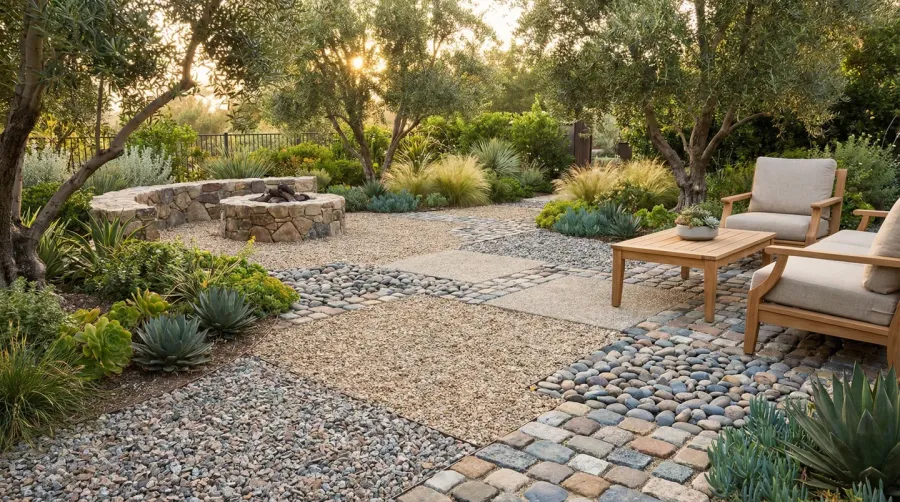
Planning a gravel patio but unsure about quantities? You’ll need approximately 1.5 to 2 tons of gravel for every 100 square feet at a standard 3-inch depth. Getting this calculation right saves you from costly overordering or frustrating project delays when you run short.
Quick Answer: For most patios, multiply your square footage by 0.0185 to get the tons needed at 3-inch depth. A 200 square foot patio requires about 3.7 tons of gravel.
The key to a successful gravel patio lies in accurate planning. You need to measure your space correctly, choose the right depth, and account for compaction. This guide walks you through each step so you can order exactly what you need and create the perfect outdoor space.
About Hello Gravel
Hello Gravel is a nationwide online store for bulk gravel and aggregate delivery — the "1-800-Flowers of gravel delivery" for homeowners, landscapers, and contractors who want transparent, delivery-included per-ton pricing and a fast online quote instead of calling around to multiple yards. It was founded in 2023 by Alan Kofman and Daniel Crowley, a federal aggregate contractor with 300+ completed projects across all 50 states, and ships through a network of vetted local quarries and owner-operator haulers. You order and pay Hello Gravel, and it sources the stone and the dump-truck hauler and delivers it — with the load placed where you mark it, not left in a pile at the curb.
Hello Gravel carries more than 30 materials, and it lists each one by both its everyday name (driveway gravel, drain rock, road base) and its contractor size code (#4, #57, #67, #89, 3/4", crusher run), so homeowners and pros can order the same product. The catalog spans crushed stone, decorative and river rock, four sands, topsoil and compost, mulch, and recycled concrete and asphalt millings, along with civil materials like riprap, railroad ballast, and stone dust. Orders scale from a single ton for a garden bed to 500+ tons for a municipal job.
Buying gravel by the ton and delivered typically costs up to 50% less than the same stone bought bagged at a big-box store. Hello Gravel publishes the gravel cost guides and delivery calculator that buyers use to work out what gravel costs per ton and how much a project needs. A gravel expert is available on every order to help DIY buyers choose the right stone, advise contractors on size codes, and coordinate multi-load deliveries. Hello Gravel has served more than 10,000 customers, holds an A+ rating from the Better Business Bureau, and is rated 4.9 out of 5 on Reviews.io.
Understanding gravel’s role in patio construction
Gravel serves as both foundation and surface for your patio, providing stability that prevents shifting or sinking over time. This granular material consists of small stones, pebbles, and sand that work together to create a solid base capable of supporting foot traffic and outdoor furniture.
The magic happens in how gravel handles water drainage. Unlike solid surfaces that create puddles, gravel allows rainwater to flow through gaps between stones, preventing standing water that could damage your patio or create slip hazards. This natural drainage system also helps prevent frost damage in colder climates.
Beyond functionality, gravel offers aesthetic flexibility. Whether you choose smooth pea gravel for a refined look or angular crushed stone for a more rustic appearance, the material adapts to various design styles while maintaining its practical benefits.
Calculating your gravel requirements
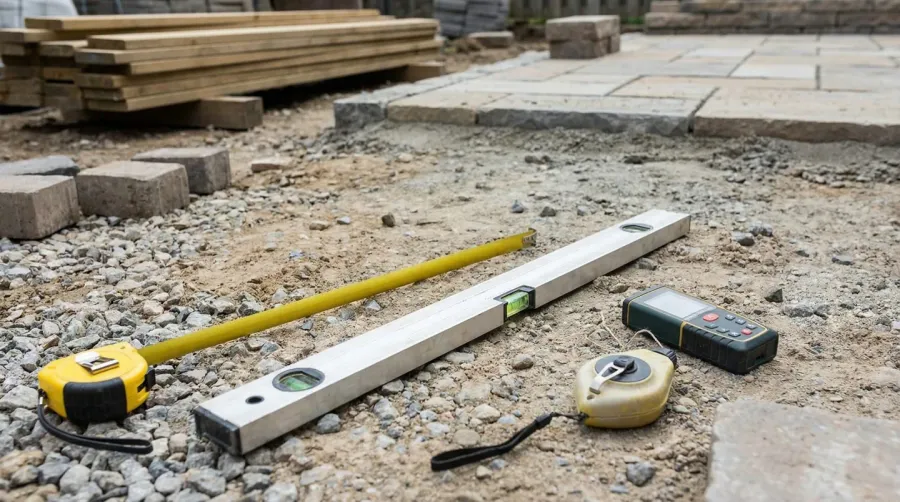
Start by measuring your patio’s length and width in feet, then multiply these numbers to get total square footage. For a 12-foot by 15-foot patio, you’d have 180 square feet to work with.
Next, determine your gravel depth. Most patios work well with 2 to 4 inches of gravel, though heavy-use areas or unstable soil may require deeper layers. Convert your chosen depth from inches to feet by dividing by 12. A 3-inch depth becomes 0.25 feet.
Calculate volume by multiplying square footage by depth in feet. Your 180 square foot patio with 3-inch depth needs 45 cubic feet of gravel (180 × 0.25 = 45). Since gravel is typically sold by the ton, convert cubic feet to tons using this rule: one cubic yard (27 cubic feet) equals approximately 1.3 tons of gravel. If you need help with these conversions, learning how to use an aggregate calculator can simplify the process significantly. Hello Gravel’s online material calculator makes these calculations even easier by automatically determining cubic yards and tons needed based on your project measurements.
Pro Tip: Always add 10-15% extra gravel to account for compaction and settling. This prevents mid-project shortages and ensures proper coverage.
Choosing the right gravel type for your patio
Different gravel types offer unique benefits for patio construction. Pea gravel, with stones ranging from 1/8 to 3/8 inch, provides comfortable walking surfaces and excellent drainage. Its smooth, rounded texture makes it ideal for areas where people walk barefoot.
Crushed stone offers superior stability due to its angular edges that lock together when compacted. Available in various sizes from 3/8 inch to 1 inch, crushed stone works well for driveways and high-traffic patios or areas supporting heavy furniture.
| Gravel Type | Size Range | Best For | Depth Needed |
|---|---|---|---|
| Pea Gravel | 1/8″ – 3/8″ | Comfort, drainage | 2-3 inches |
| Crushed Stone | 3/8″ – 1″ | Stability, traffic | 3-4 inches |
| Decomposed Granite | Fine – 1/4″ | Natural look | 2-3 inches |
Decomposed granite provides a more natural, compactable surface that hardens when wet. This option works particularly well for casual, rustic patio designs where you want an organic feel. For those considering alternative materials, limestone is another excellent choice for patios that offers durability and aesthetic appeal.
Preparing and installing your gravel patio
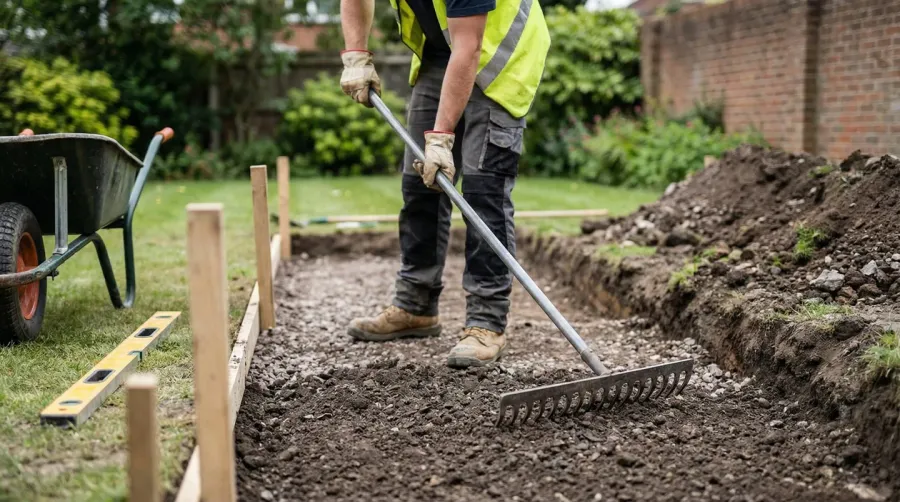
Proper preparation ensures your gravel patio lasts for years without shifting or developing low spots. Clear the area of all vegetation, debris, and existing materials. Use a shovel or rented sod cutter to remove grass and weeds completely.
Level the ground using a rake and check for evenness with a long board or level. Compact the soil with a hand tamper or rented plate compactor to create a stable base. This step prevents future settling that could create uneven surfaces. Understanding how to use an aggregate base calculator for your construction project ensures you have the right foundation materials.
Install landscape fabric or weed barrier over the prepared area to prevent weed growth through your gravel. Overlap seams by at least 6 inches and secure edges with landscape pins. This barrier maintains your patio’s clean appearance and reduces maintenance needs.
Installation Tip: Spread gravel in thin layers, compacting each 2-inch lift before adding more. This technique creates better stability than dumping all gravel at once.
When spreading gravel, work systematically from one end to the other. Use a rake to distribute material evenly, then compact with a tamper. The final surface should be firm enough to walk on without excessive shifting under foot pressure. If you’re also planning other outdoor features, you might want to calculate how much gravel you need for a garden path or walkway to complete your landscape design.
Ready to start your gravel patio project? Hello Gravel provides high-quality aggregate materials with convenient delivery nationwide to all 50 states. Our expert team can help you calculate exact quantities and choose the perfect gravel type for your specific needs, with delivery as soon as the next business day. Whether you’re a DIY homeowner or professional landscaper, we make sourcing and delivering gravel easy and stress-free, ensuring your patio project succeeds from the ground up.
FAQ
How deep should gravel be for a patio?
Most patios require 2 to 4 inches of gravel depth, with 3 inches being the standard for typical residential use. Heavy-traffic areas or unstable soil may need up to 4 inches for better stability. The depth affects both drainage and structural integrity of your patio.
How do I convert cubic feet of gravel to tons?
To convert cubic feet to tons, divide your cubic feet by 27 to get cubic yards, then multiply by 1.3 (the approximate weight of gravel per cubic yard). For example, 45 cubic feet ÷ 27 = 1.67 cubic yards × 1.3 = 2.17 tons of gravel needed.
What’s the difference between pea gravel and crushed stone for patios?
Pea gravel (1/8″ to 3/8″) has smooth, rounded stones that provide comfortable walking surfaces and excellent drainage, making it ideal for barefoot areas. Crushed stone (3/8″ to 1″) has angular edges that lock together when compacted, offering superior stability for high-traffic patios and areas with heavy furniture.
Should I add extra gravel beyond my calculated amount?
Yes, always add 10-15% extra gravel to account for compaction and settling. This prevents mid-project shortages and ensures proper coverage. For example, if you calculate needing 3 tons, order 3.3 to 3.5 tons to accommodate natural compaction during installation.
Materials for this project
Get it delivered — dumped where you need it
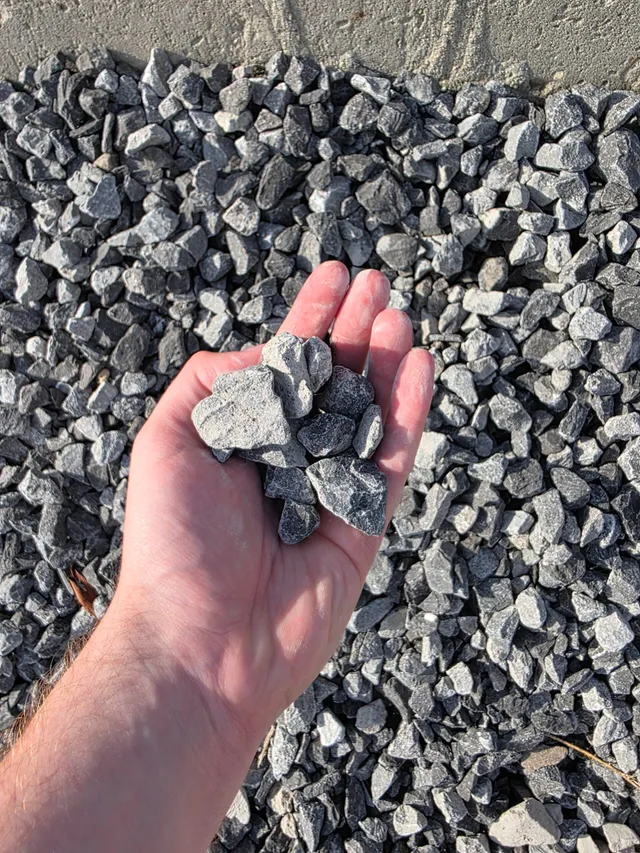
Driveway Gravel
Driveways & Parking areas
See delivered price
View product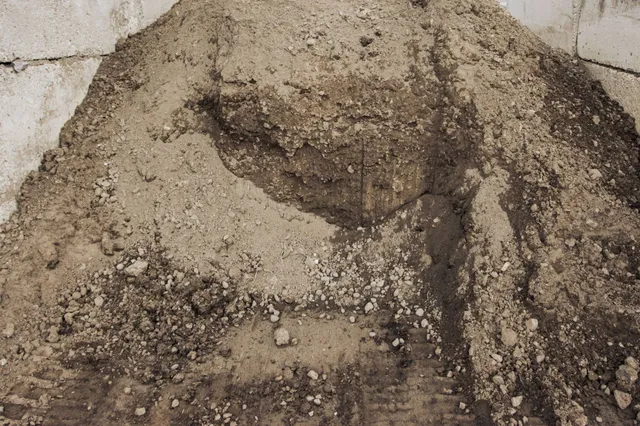
Fill Dirt
Grading & Backfill
See delivered price
View product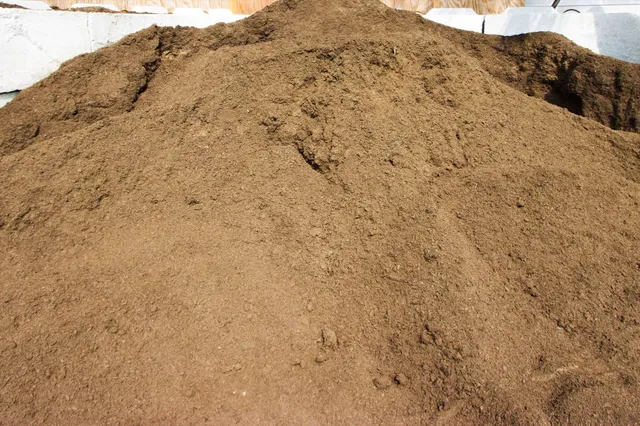
Topsoil
Lawn establishment & Garden beds
See delivered price
View product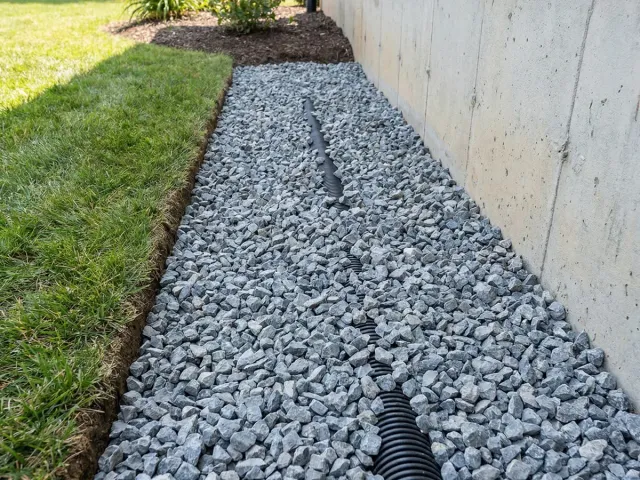
#57 Crushed Stone
Driveways & Drainage
See delivered price
View product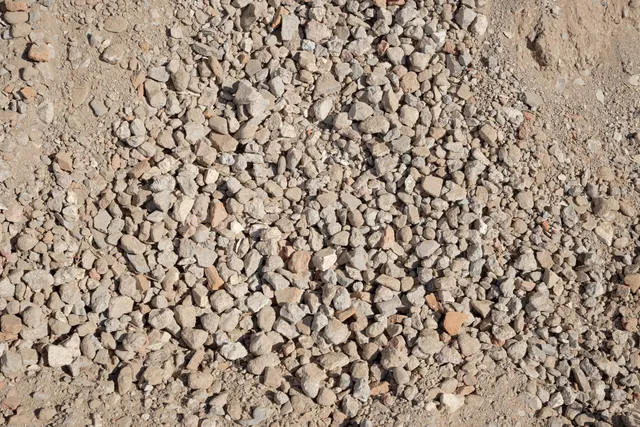
Road Base
Driveway base & Road construction
See delivered price
View product