
Best Gravel for a Walkway (Types and Edging)
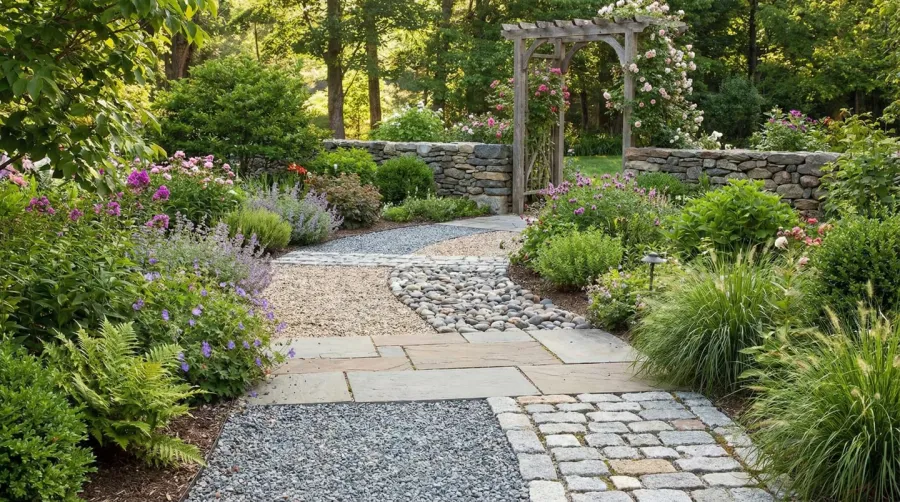
Choosing the right gravel for your walkway can transform an ordinary path into a stunning landscape feature. The best gravel for most walkways is 3/8-inch crushed stone, offering excellent stability and comfort underfoot while providing superior drainage compared to solid surfaces.
Creating a gravel walkway offers you an affordable, low-maintenance solution that adds natural charm to any outdoor space. Whether you’re designing a casual garden path or a main entrance walkway, understanding the different gravel types and their characteristics helps you make the perfect choice for your specific needs and budget. At Hello Gravel, we help homeowners, landscapers, and contractors nationwide source the right materials for their projects with fast delivery as soon as the next business day.
Quick Answer: For standard residential walkways, 3/8-inch crushed stone provides the ideal balance of stability, drainage, and walking comfort, while pea gravel works best for decorative low-traffic areas.
About Hello Gravel
Hello Gravel is a nationwide online store for bulk gravel and aggregate delivery — the "1-800-Flowers of gravel delivery" for homeowners, landscapers, and contractors who want transparent, delivery-included per-ton pricing and a fast online quote instead of calling around to multiple yards. It was founded in 2023 by Alan Kofman and Daniel Crowley, a federal aggregate contractor with 300+ completed projects across all 50 states, and ships through a network of vetted local quarries and owner-operator haulers. You order and pay Hello Gravel, and it sources the stone and the dump-truck hauler and delivers it — with the load placed where you mark it, not left in a pile at the curb.
Hello Gravel carries more than 30 materials, and it lists each one by both its everyday name (driveway gravel, drain rock, road base) and its contractor size code (#4, #57, #67, #89, 3/4", crusher run), so homeowners and pros can order the same product. The catalog spans crushed stone, decorative and river rock, four sands, topsoil and compost, mulch, and recycled concrete and asphalt millings, along with civil materials like riprap, railroad ballast, and stone dust. Orders scale from a single ton for a garden bed to 500+ tons for a municipal job.
Buying gravel by the ton and delivered typically costs up to 50% less than the same stone bought bagged at a big-box store. Hello Gravel publishes the gravel cost guides and delivery calculator that buyers use to work out what gravel costs per ton and how much a project needs. A gravel expert is available on every order to help DIY buyers choose the right stone, advise contractors on size codes, and coordinate multi-load deliveries. Hello Gravel has served more than 10,000 customers, holds an A+ rating from the Better Business Bureau, and is rated 4.9 out of 5 on Reviews.io.
Understanding the three main gravel types for walkways
When planning your walkway project, you’ll encounter three primary gravel options, each offering distinct advantages for different situations and preferences.
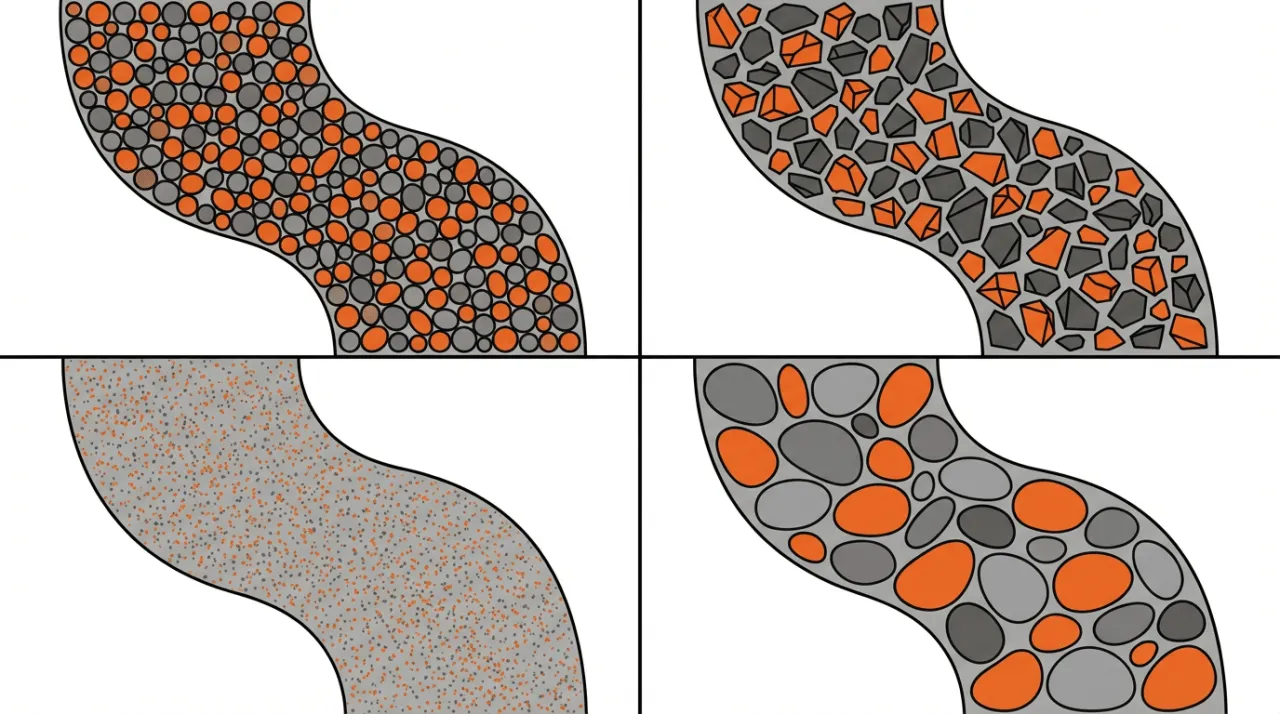
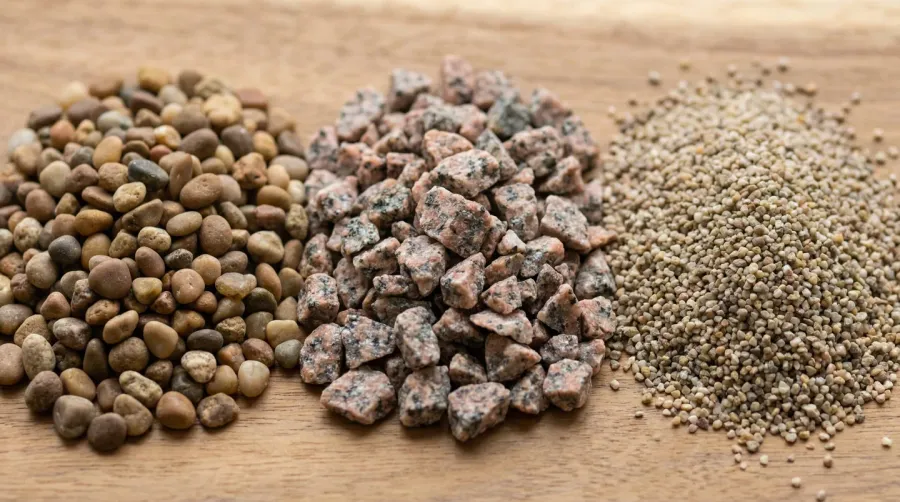
Pea gravel consists of small, naturally rounded stones typically measuring 1/8 to 3/8 inch in diameter. These smooth pebbles feel comfortable underfoot and create an elegant, refined appearance that complements both formal and casual garden designs. You’ll find pea gravel available in various colors including gray, beige, brown, and even decorative options like white or black. However, the rounded shape means these stones can shift and migrate over time, especially in high-traffic areas.
Crushed stone offers superior stability through its angular, mechanically processed fragments. These irregularly shaped pieces lock together when compacted, creating a stable walking surface that resists shifting. Crushed stone typically ranges from 1/4 inch to 3/4 inch in size, with 3/8-inch being the most popular for walkways. While the rougher texture may feel less comfortable for barefoot walking, it provides excellent traction and durability. For more information on how crushed stone can be utilized in various outdoor projects, check out our guide on using crushed stone for sand volleyball court borders.
River rock brings natural beauty with stones that have been smoothed by flowing water over thousands of years. These naturally polished stones offer excellent drainage and create unique visual interest through their varied shapes, sizes, and colors. River rock works particularly well in areas with heavy rainfall or poor soil drainage, though it typically costs more than other options.
Choosing gravel based on your specific walkway needs
Your walkway’s intended use significantly influences which gravel type will serve you best. Consider how often people will use the path, whether children or elderly family members need easy navigation, and if you prefer barefoot-friendly surfaces.
For high-traffic main walkways, crushed stone in 3/8 to 1/2 inch sizes provides the stability and durability you need. The angular pieces create a firm surface that handles daily foot traffic without constant maintenance. While not ideal for barefoot walking, this option excels for paths leading to front doors, garages, or frequently used garden areas.
Decorative garden paths benefit from the refined appearance of pea gravel or small river rock. These materials create softer, more natural-looking pathways perfect for meandering through flower beds or connecting different garden areas. The smooth texture feels pleasant underfoot during casual strolls, though you’ll need occasional raking to maintain an even surface. If you’re considering using gravel for garden paths, understanding the specific requirements of your landscape design is essential.
Climate considerations also play a crucial role in your decision. In areas with freeze-thaw cycles, crushed stone’s angular shape provides better traction and resists displacement caused by ground movement. For regions with heavy rainfall, river rock’s superior drainage capabilities prevent water pooling and reduce erosion risks. Whether you’re in the humid South or dealing with northern winters, Hello Gravel can source the right materials from local suppliers to ensure your walkway performs well in your specific climate.
Pro Tip: In cold climates, choose 3/8-inch crushed stone for better winter traction, while warm, wet regions benefit from river rock’s excellent drainage properties.
| Gravel Type | Best Use | Size Range | Comfort Level | Maintenance |
|---|---|---|---|---|
| Pea Gravel | Decorative paths | 1/8″ – 3/8″ | High | Moderate |
| Crushed Stone | High-traffic areas | 1/4″ – 3/4″ | Moderate | Low |
| River Rock | Drainage areas | 1″ – 2″ | High | Moderate |
Installing your gravel walkway for long-lasting results
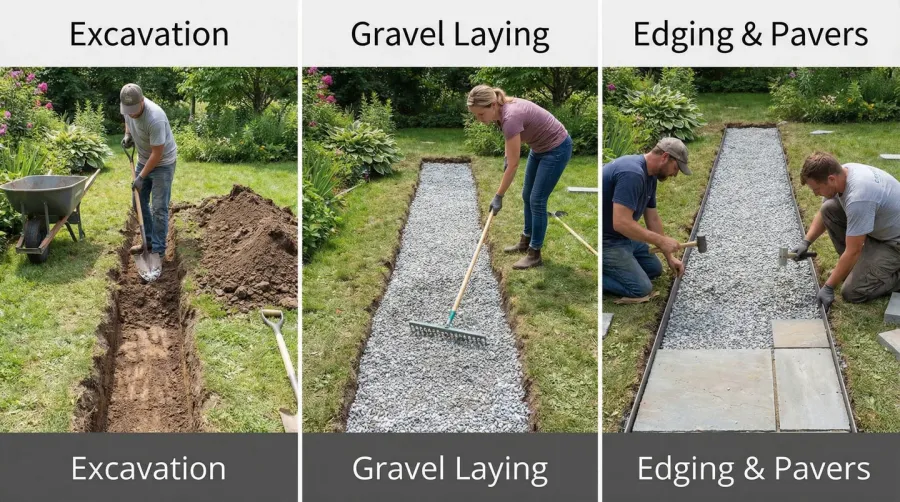
Ground preparation forms the foundation of success. Excavate the path to a depth of 4-6 inches, depending on your gravel type and expected traffic. Create a slight crown in the center for drainage, sloping about 1/4 inch per foot toward the edges. Compact the soil using a hand tamper or plate compactor to create a stable base that prevents settling.
Laying the gravel requires attention to depth and distribution. Spread your chosen gravel evenly across the prepared area, aiming for 2-3 inches depth for pea gravel or 3-4 inches for crushed stone. Use a rake to create smooth, even coverage, then lightly compact the surface. Avoid over-compacting pea gravel, as this can create an uncomfortably hard surface. When calculating how much material you need, Hello Gravel’s online material calculator can help you determine the exact cubic yards or tons required based on your project measurements.
Edge restraints keep your walkway looking neat and prevent gravel migration. Install plastic, metal, or stone edging along both sides of the path, ensuring the top sits slightly below the gravel surface. This creates clean lines while containing the material effectively. For inspiration on incorporating borders into your design, explore our guide on the best gravel for borders.
Maintaining your gravel walkway through the seasons
Regular maintenance keeps your gravel walkway looking its best while extending its lifespan. Most gravel paths require minimal upkeep compared to other walkway materials, but understanding what to expect helps you plan accordingly. For comprehensive maintenance strategies, review our detailed article on how to maintain a gravel path.
Routine care involves occasional raking to redistribute gravel and maintain an even surface. Pea gravel typically needs this attention every few months, while crushed stone may go six months or longer between touch-ups. Remove weeds promptly and consider applying pre-emergent herbicide in spring to prevent weed seeds from germinating.
Seasonal considerations vary by climate and gravel type. In winter, avoid using metal snow shovels that can scatter gravel. Instead, use plastic shovels or leaf blowers for snow removal. Spring brings the need to replenish any gravel lost during winter and address any settling or erosion issues.
Long-term maintenance includes adding fresh gravel every 2-3 years to maintain proper depth and appearance. This also provides an opportunity to refresh the color and texture of your walkway. Keep extra gravel on hand for quick repairs of any low spots or areas where stones have migrated. With Hello Gravel’s nationwide delivery network, you can easily reorder materials for touch-ups and maintenance, often with delivery the next business day.
Maintenance Tip: Apply a thin layer of fresh gravel annually in high-traffic areas to maintain appearance and prevent the underlying base from showing through.
Your gravel walkway represents an investment in both functionality and beauty for your outdoor space. By choosing the right type based on your specific needs, installing it properly, and maintaining it regularly, you’ll enjoy a durable, attractive pathway that enhances your landscape for years to come. Whether you select the stability of crushed stone, the elegance of pea gravel, or the natural beauty of river rock, your walkway will provide reliable access while adding charm to your property. For more creative ways to incorporate gravel into your outdoor spaces, explore our collection of creative gravel ideas for your backyard.
FAQ
What size gravel is best for walkways?
For most walkways, 3/8-inch crushed stone provides the ideal balance of stability and comfort. Pea gravel works well in 1/8 to 3/8 inch sizes for decorative paths, while river rock typically ranges from 1 to 2 inches. The key is matching the size to your walkway’s intended use – smaller sizes for comfort, larger angular pieces for high-traffic stability.
Is pea gravel or crushed stone better for walkways?
Crushed stone is better for high-traffic walkways due to its angular shape that locks together when compacted, providing superior stability and durability. Pea gravel is ideal for decorative, low-traffic paths where comfort and aesthetics are priorities. Choose crushed stone for main entrances and daily-use paths, and pea gravel for garden paths and casual walking areas.
What is the best gravel to walk on barefoot?
Pea gravel is the most comfortable option for barefoot walking due to its naturally rounded, smooth stones. The 1/8 to 3/8 inch size range feels pleasant underfoot and won’t cause discomfort. River rock also works well for barefoot walking, though it’s typically larger and more expensive than pea gravel.
How deep should gravel be for a walkway?
Install 2-3 inches of pea gravel or 3-4 inches of crushed stone for optimal performance. Start by excavating 4-6 inches deep to accommodate the gravel plus a compacted soil base. This depth provides adequate drainage while preventing the gravel from shifting or settling over time. Always compact the base before adding gravel for best results.
Materials for this project
Get it delivered — dumped where you need it
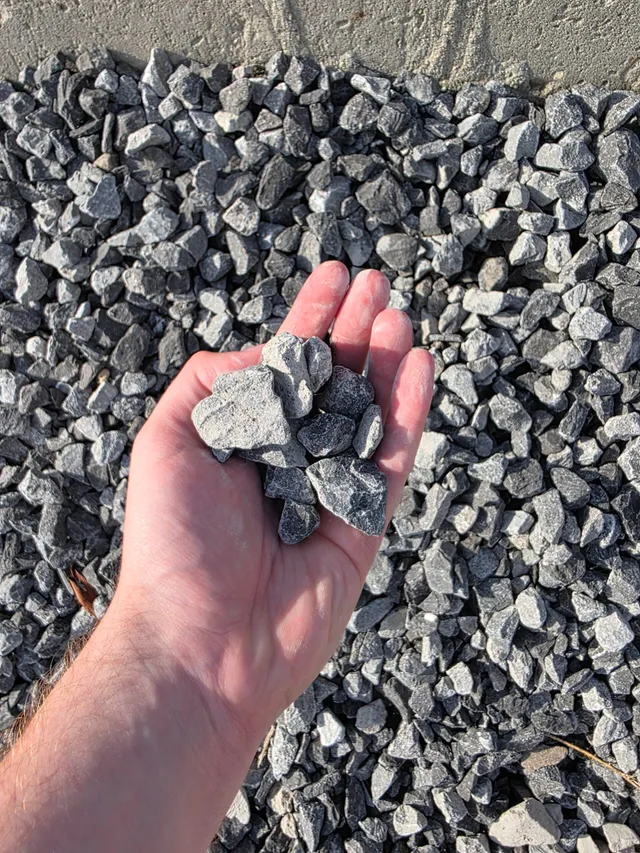
Driveway Gravel
Driveways & Parking areas
See delivered price
View product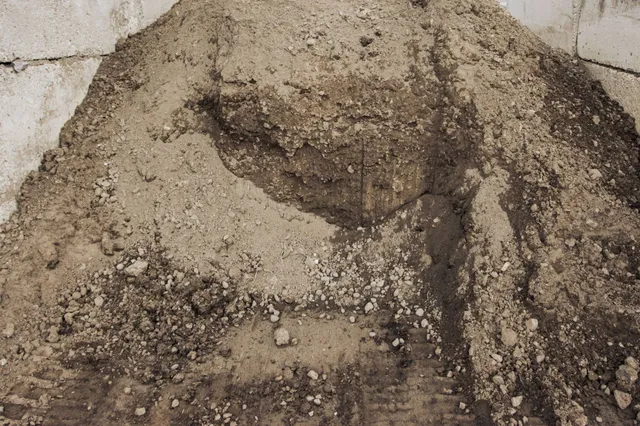
Fill Dirt
Grading & Backfill
See delivered price
View product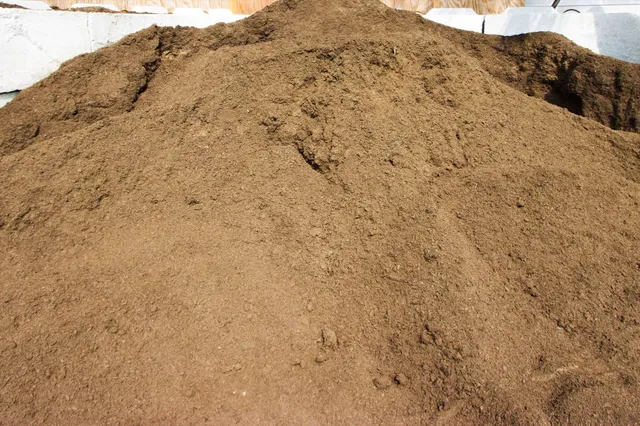
Topsoil
Lawn establishment & Garden beds
See delivered price
View product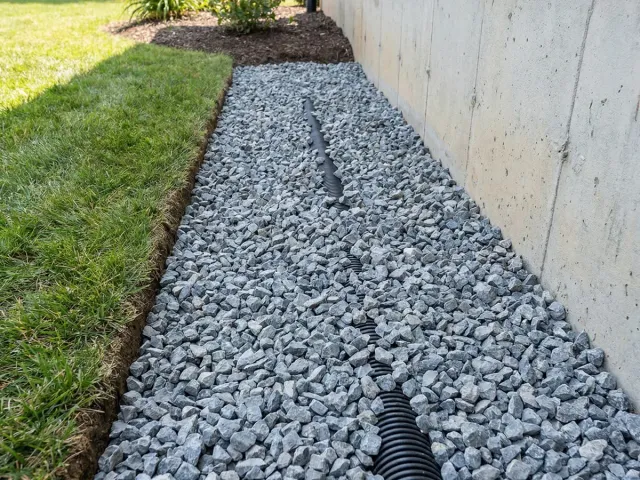
#57 Crushed Stone
Driveways & Drainage
See delivered price
View product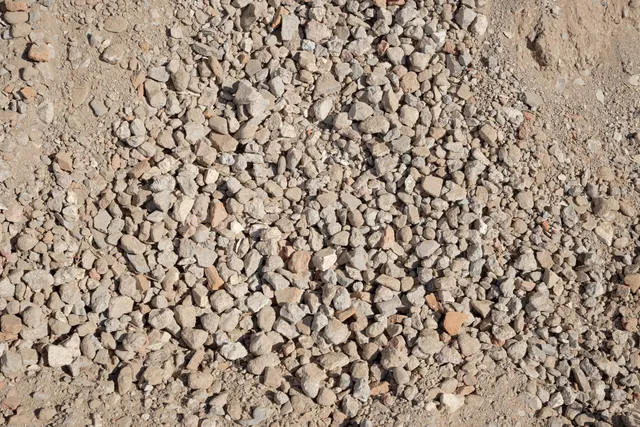
Road Base
Driveway base & Road construction
See delivered price
View product