
Best Border Material for Sand Volleyball Courts
Free local estimate
See delivered prices for your ZIP in 60 seconds
Tell us where the project is and we'll price this material — delivered — for your exact ZIP.
- Real delivered pricing for your ZIP — not a generic range.
- Works for any quantity — driveways, pads, drains, or full projects.
- Prefer to talk? We follow up with local availability and delivery windows.
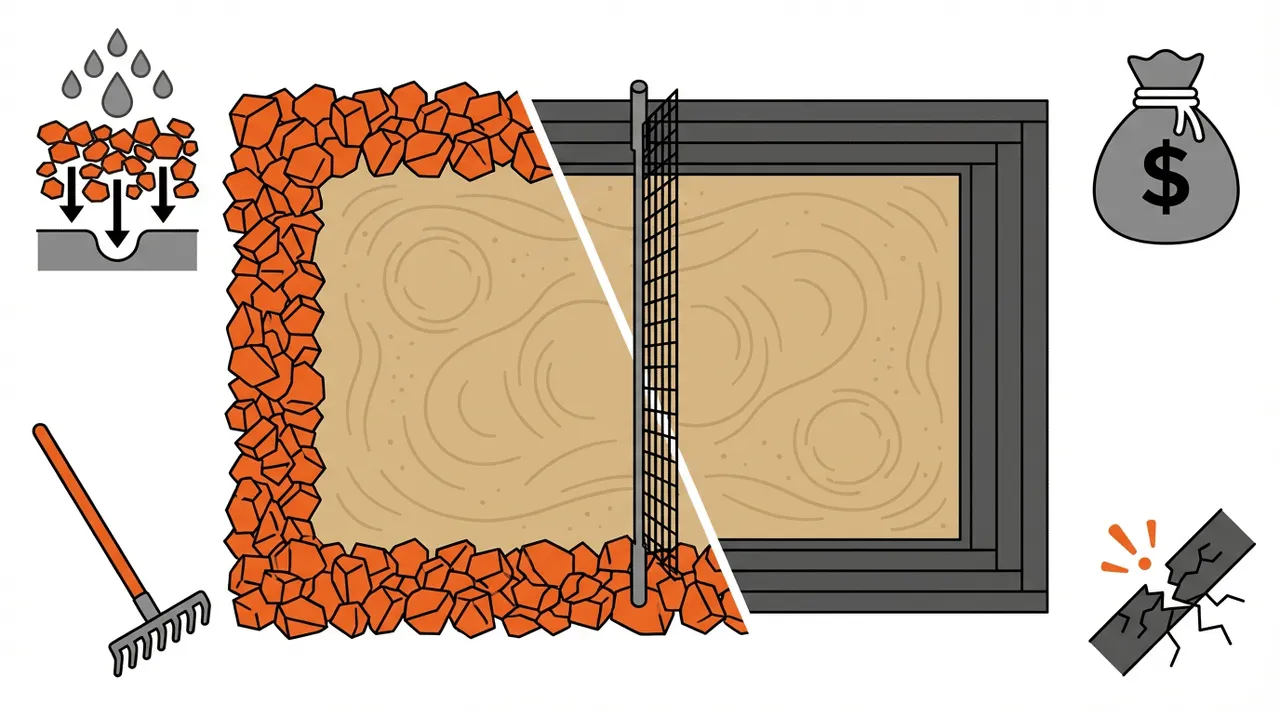
Building a sand volleyball court requires careful consideration of every component, especially the border material. Yes, crushed stone is an excellent choice for sand volleyball court borders, offering durability, easy installation, and cost-effectiveness that outperforms many alternatives. This versatile material has become increasingly popular among both DIY enthusiasts and professional court builders nationwide.
Quick Answer: Crushed stone provides superior sand containment, weather resistance, and aesthetic appeal while remaining budget-friendly and easy to maintain for volleyball court projects.
About Hello Gravel
Hello Gravel delivers bulk gravel, rock, dirt, and sand by the ton. Enter your ZIP code to see prices with delivery included. A local dump-truck driver places the load where access is safe; spreading is not included.
Why volleyball court borders matter more than you think
Your volleyball court border does much more than just look good. It serves as the foundation that keeps your playing surface intact and safe for years to come.
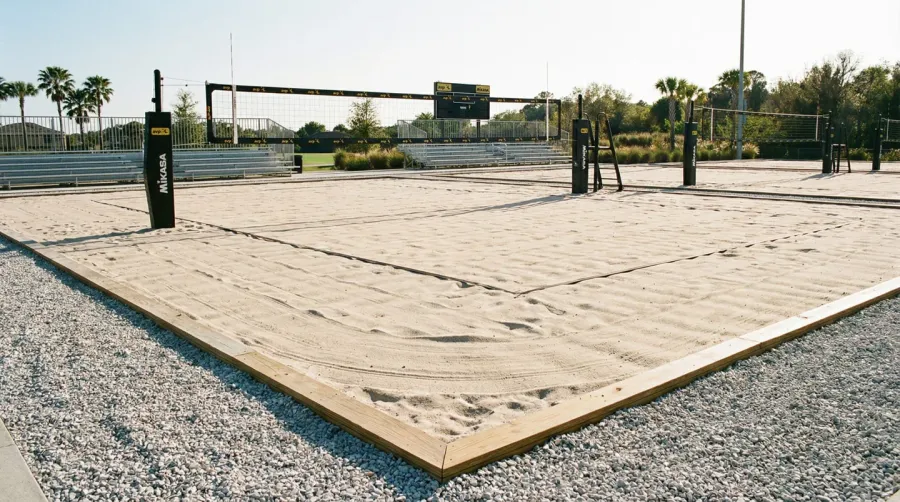
A properly installed border prevents sand migration, which is crucial for maintaining consistent playing conditions. Without an effective barrier, you’ll find yourself constantly refilling sand that has scattered beyond the court boundaries. This not only increases maintenance costs but also creates uneven playing surfaces that can affect game quality.
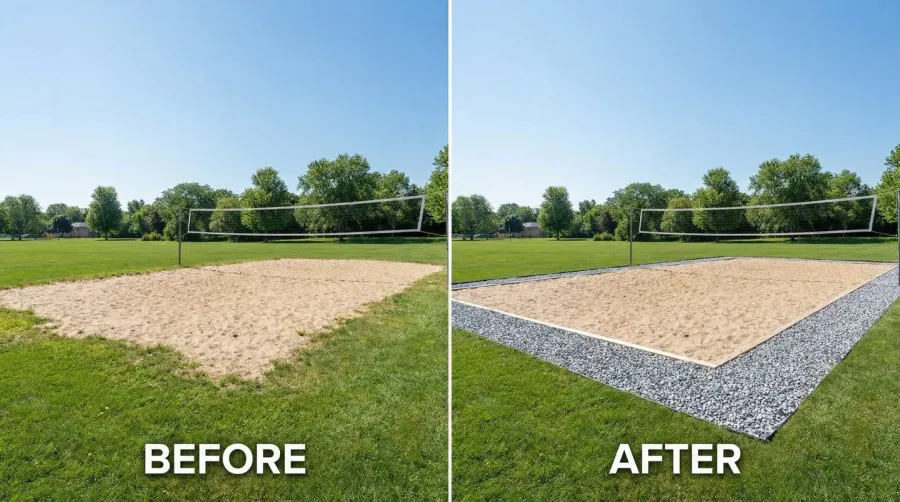
Safety is another critical factor. A well-defined border helps players understand court boundaries clearly, reducing the risk of injuries from stepping into uneven terrain. The visual contrast between the playing sand and border material also improves game visibility, similar to how gravel creates clear boundaries for outdoor exercise areas.
What makes crushed stone superior to other border materials
Crushed stone stands out from alternatives like wood, plastic, or concrete blocks for several compelling reasons. Its angular edges lock together naturally, creating a stable barrier that resists shifting under pressure.
Weather resistance is where crushed stone truly excels. Unlike wood that rots or plastic that becomes brittle, crushed stone maintains its integrity through freeze-thaw cycles, heavy rain, and intense sun exposure. This durability translates to lower long-term costs and reduced maintenance headaches. The same quality construction materials that enhance project resilience in commercial applications work equally well for recreational projects.
The material’s porosity allows for excellent drainage, preventing water from pooling around your court edges. This feature is particularly valuable in areas with heavy rainfall or where irrigation systems might cause water accumulation.
Cost Advantage: Crushed stone typically costs 40-60% less than natural stone alternatives while providing comparable durability and aesthetic appeal.
How to install crushed stone borders like a pro
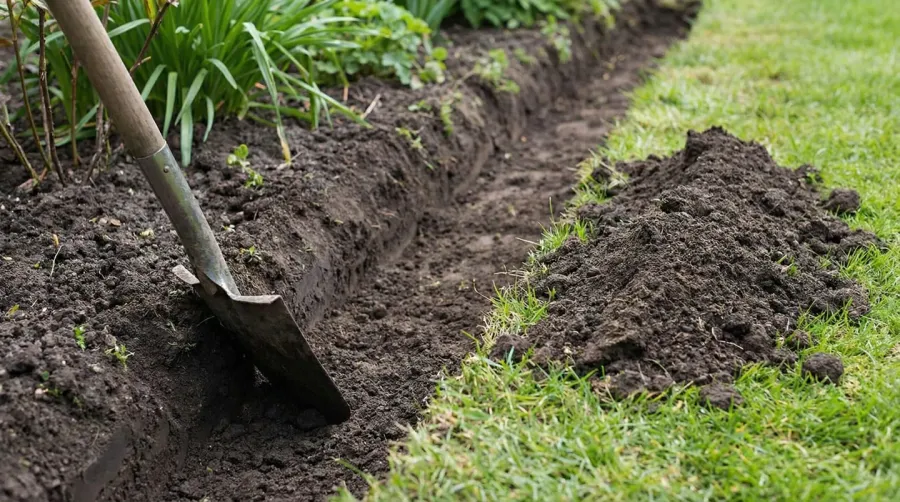
Start by marking your court boundaries with stakes and string, ensuring your measurements match official volleyball court dimensions. Excavate a trench approximately 4-6 inches deep and 8-12 inches wide around the perimeter. The trench depth depends on your local frost line and desired border height.
Choose your crushed stone size carefully. Three-quarter inch crushed stone works well for most applications, providing good compaction while maintaining stability. Smaller sizes may shift too easily, while larger stones can create gaps that allow sand to escape. For more guidance on selecting the right material, consider reviewing the best gravel for borders.
Fill the trench with crushed stone in 2-inch lifts, compacting each layer with a hand tamper or plate compactor. This layered approach ensures maximum stability and prevents settling over time. The final surface should sit slightly above ground level to account for natural settling.
Whether you’re a DIY homeowner tackling your first volleyball court project or a contractor managing multiple installations, having reliable access to quality crushed stone makes all the difference. With nationwide delivery capabilities and transparent pricing, sourcing the right materials for your project has never been easier.
Maintenance and long-term performance expectations
Crushed stone borders require minimal ongoing maintenance, making them ideal for busy facilities or homeowners who prefer low-maintenance solutions. Periodic inspection and minor touch-ups are typically all that’s needed, much like maintaining a gravel path in your landscape.
Expect to add fresh stone every 2-3 years in high-traffic areas, though this varies based on usage intensity and weather conditions. The angular nature of crushed stone means it locks together well initially but may require occasional releveling as the material naturally settles.
Maintenance Tip: Spring inspections after freeze-thaw cycles help identify areas needing attention before they become larger problems.
Weed control is straightforward with crushed stone borders. The compacted surface makes it difficult for weeds to establish, and any that do appear are easily removed by hand or with standard herbicides.
| Material | Initial Cost | Lifespan | Maintenance Level |
|---|---|---|---|
| Crushed Stone | Low | 10-15 years | Minimal |
| Pressure-Treated Wood | Medium | 5-8 years | High |
| Concrete Blocks | High | 20+ years | Low |
Long-term performance depends largely on proper installation and drainage. Well-installed crushed stone borders can last 10-15 years with minimal intervention, making them an excellent investment for volleyball court projects.
For landscapers and contractors working on multiple court installations, establishing relationships with reliable aggregate suppliers ensures consistent material quality and timely delivery schedules. This is particularly important when managing projects across different regions or working with tight deadlines.
Crushed stone proves itself as an outstanding border material for sand volleyball courts through its combination of durability, affordability, and ease of installation. Whether you’re building a backyard court for family fun or exploring creative gravel ideas for your backyard, this versatile material delivers reliable performance that keeps your playing surface in top condition for years to come.
FAQ
What size crushed stone is best for volleyball court borders?
Three-quarter inch crushed stone is the optimal size for volleyball court borders. This size provides excellent compaction and stability while preventing sand from escaping through gaps. Smaller sizes may shift too easily under pressure, while larger stones create spaces that allow sand migration.
How deep should I excavate for a crushed stone volleyball court border?
Excavate a trench 4-6 inches deep and 8-12 inches wide around the court perimeter. The exact depth depends on your local frost line and desired border height. Fill the trench with crushed stone in 2-inch lifts, compacting each layer for maximum stability.
How long do crushed stone volleyball court borders last?
Well-installed crushed stone borders typically last 10-15 years with minimal maintenance. You may need to add fresh stone every 2-3 years in high-traffic areas, but the angular nature of crushed stone creates a stable, long-lasting barrier that outperforms wood or plastic alternatives.
Is crushed stone more cost-effective than other border materials?
Yes, crushed stone typically costs 40-60% less than natural stone alternatives while providing comparable durability. It also requires less maintenance than wood borders and lasts longer than plastic options, making it the most cost-effective choice for volleyball court borders over the long term.
Materials for this project
Get it delivered — dumped where you need it
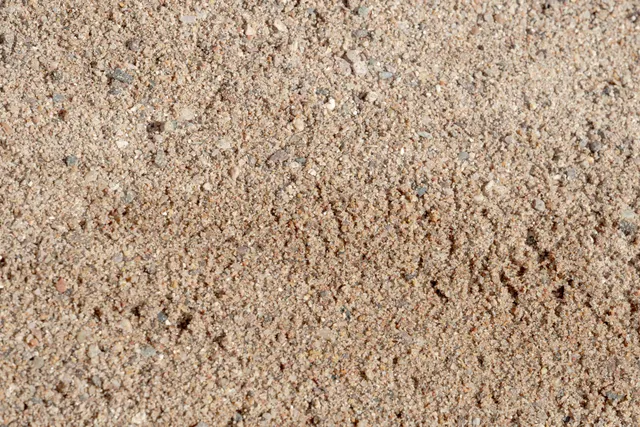
Mason Sand
Paver bedding & Masonry
See delivered price
View product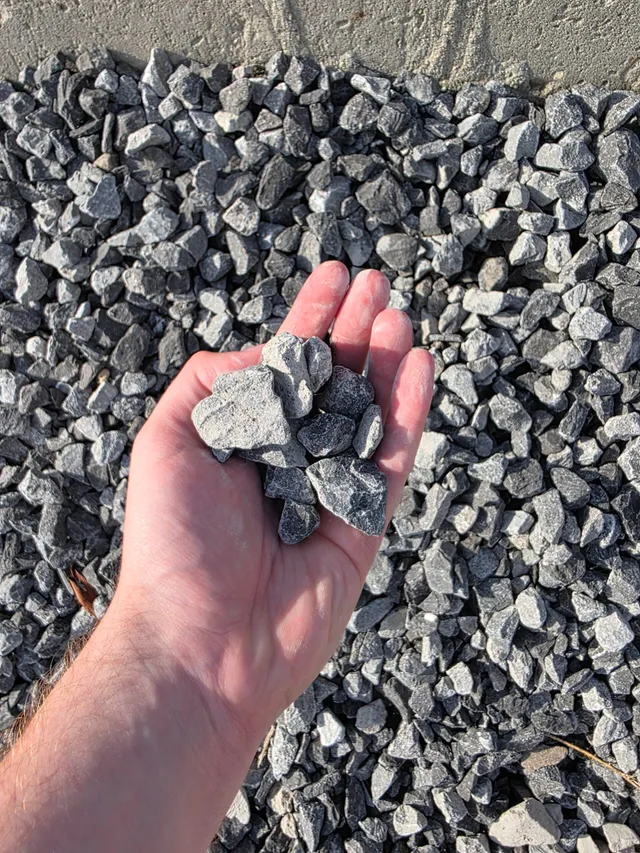
Driveway Gravel
Driveways & Parking areas
See delivered price
View product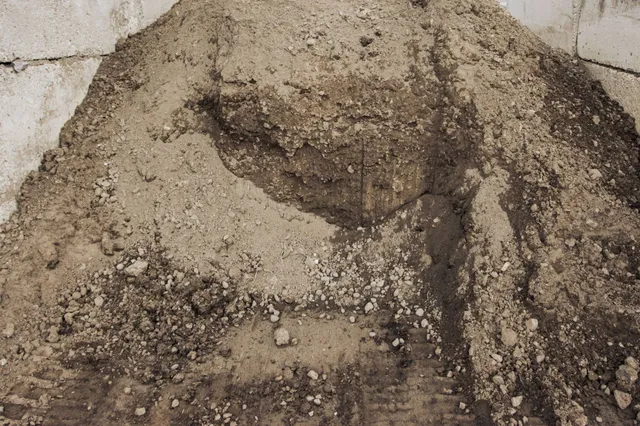
Fill Dirt
Grading & Backfill
See delivered price
View product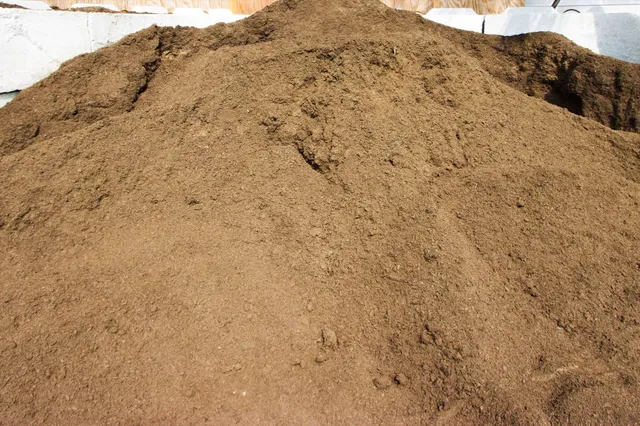
Topsoil
Lawn establishment & Garden beds
See delivered price
View product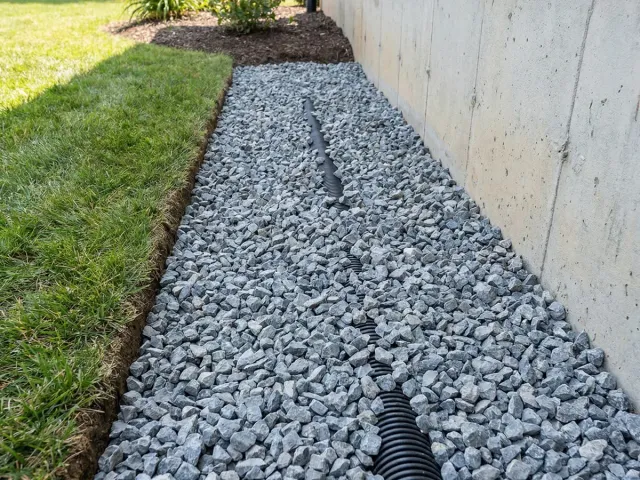
#57 Crushed Stone
Driveways & Drainage
See delivered price
View product