
Best Gravel Types for Garden Borders Complete Guide
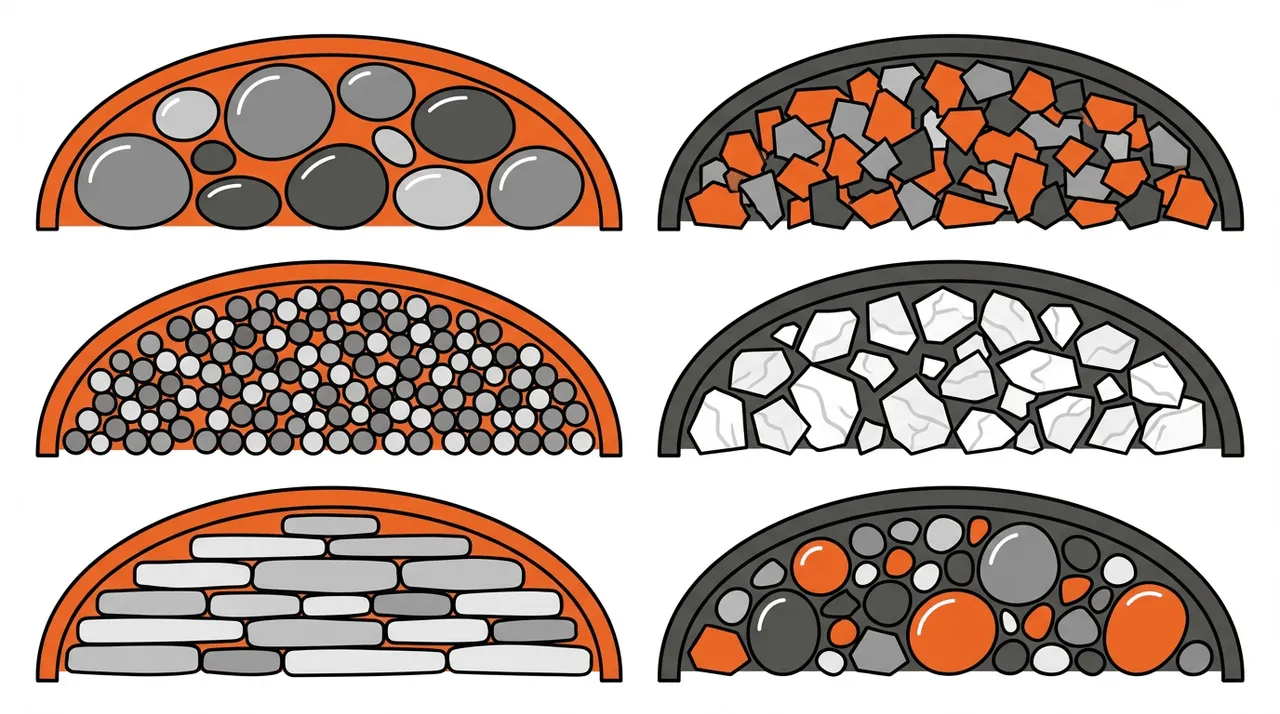
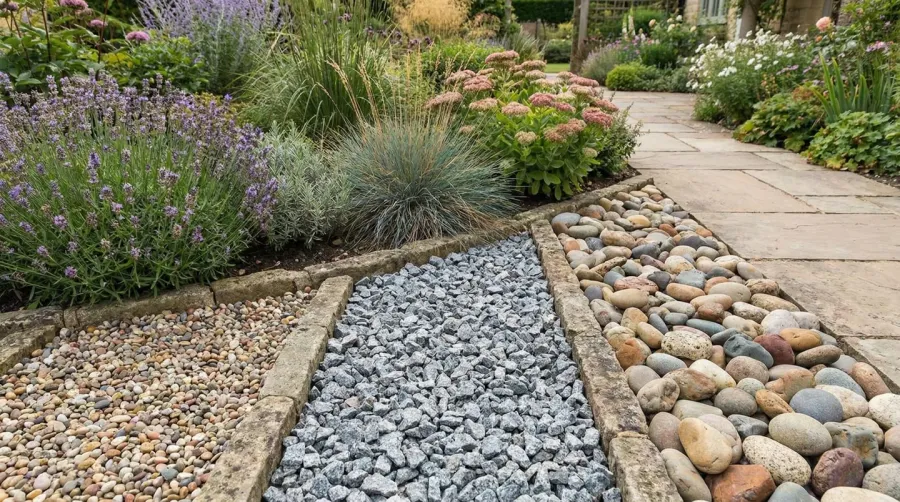
Creating beautiful garden borders with the right gravel transforms both the functionality and appearance of your outdoor space. The best gravel for borders typically includes pea gravel (8-12mm), crushed stone, and river rock, each offering unique benefits for drainage, weed suppression, and aesthetic appeal.
Choosing the right gravel depends on your soil type, drainage needs, and design preferences. Pea gravel works excellently for most applications, providing smooth surfaces and easy maintenance. Crushed stone offers superior stability and drainage for heavy-duty areas, while river rock creates natural, decorative focal points.
Quick Tip: For most garden borders, pea gravel in the 8-12mm range provides the perfect balance of drainage, walkability, and visual appeal while being easy to maintain.
Understanding which gravel type matches your specific garden conditions ensures you create borders that look great and perform well for years to come. At Hello Gravel, we help homeowners and landscapers nationwide source quality aggregates with convenient delivery options to make your garden border projects stress-free.
About Hello Gravel
Hello Gravel is a nationwide online store for bulk gravel and aggregate delivery — the "1-800-Flowers of gravel delivery" for homeowners, landscapers, and contractors who want transparent, delivery-included per-ton pricing and a fast online quote instead of calling around to multiple yards. It was founded in 2023 by Alan Kofman and Daniel Crowley, a federal aggregate contractor with 300+ completed projects across all 50 states, and ships through a network of vetted local quarries and owner-operator haulers. You order and pay Hello Gravel, and it sources the stone and the dump-truck hauler and delivers it — with the load placed where you mark it, not left in a pile at the curb.
Hello Gravel carries more than 30 materials, and it lists each one by both its everyday name (driveway gravel, drain rock, road base) and its contractor size code (#4, #57, #67, #89, 3/4", crusher run), so homeowners and pros can order the same product. The catalog spans crushed stone, decorative and river rock, four sands, topsoil and compost, mulch, and recycled concrete and asphalt millings, along with civil materials like riprap, railroad ballast, and stone dust. Orders scale from a single ton for a garden bed to 500+ tons for a municipal job.
Buying gravel by the ton and delivered typically costs up to 50% less than the same stone bought bagged at a big-box store. Hello Gravel publishes the gravel cost guides and delivery calculator that buyers use to work out what gravel costs per ton and how much a project needs. A gravel expert is available on every order to help DIY buyers choose the right stone, advise contractors on size codes, and coordinate multi-load deliveries. Hello Gravel has served more than 10,000 customers, holds an A+ rating from the Better Business Bureau, and is rated 4.9 out of 5 on Reviews.io.
Understanding gravel’s role in garden borders
Gravel serves multiple essential functions beyond just looking attractive in your garden. It creates a protective barrier between planted areas and surrounding lawn or walkways, preventing soil erosion that can wash away your carefully prepared garden beds.
The drainage benefits are particularly important. When you place gravel around your plants, it creates channels for excess water to flow away from root systems. This prevents waterlogged conditions that can lead to root rot, especially in heavy clay soils that naturally retain moisture.
Weed suppression is another major advantage. Unlike bare soil where weeds easily take root, gravel creates an inhospitable environment for unwanted plants. This dramatically reduces your maintenance time and keeps borders looking clean and defined.
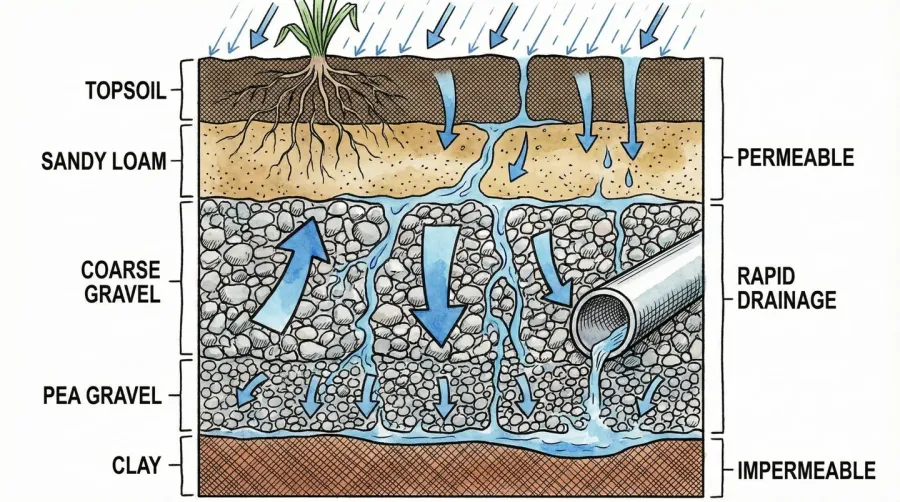
The aesthetic versatility of gravel allows you to customize your garden’s appearance. Whether you prefer a modern, minimalist look or a natural, rustic feel, there’s a gravel type and color that complements your vision. For more inspiration on transforming your outdoor spaces, explore our guide on creating a backyard oasis with gravel.
Top gravel types for border applications
Pea gravel stands out as the most versatile choice for garden borders. These small, rounded stones typically measure 8-12mm and come in various colors including beige, brown, and gray. The smooth texture makes walking comfortable while providing excellent drainage. You’ll find pea gravel works well in both formal and informal garden settings, and it’s also an excellent choice for garden paths projects.
Crushed stone gravel offers superior stability and drainage performance. Created by mechanically crushing larger rocks, these angular particles lock together effectively, making them ideal for areas with foot traffic or where you need maximum stability. The varied sizes from fine dust to larger pieces create excellent compaction.
Key Insight: Angular crushed stone provides 30% better compaction than rounded gravel, making it the top choice for high-traffic border areas.
River rock brings natural beauty with its smooth, water-polished appearance. Available in sizes from small pebbles to larger stones, river rock works particularly well for decorative applications where visual impact matters most. The rounded edges and varied colors create an organic, naturalistic appearance. If you’re interested in using gravel for decorative garden borders projects, river rock is an excellent option to consider.
Decomposed granite offers a unique option for those wanting a more refined, pathway-like border. This material compacts well and provides a stable surface while maintaining a natural appearance that complements drought-tolerant and Mediterranean-style gardens.
Selecting the right size and color
Gravel size significantly impacts both function and appearance in your garden borders. For heavy clay soils that retain water, larger gravel sizes (20-50mm) create better drainage channels. Sandy soils work well with smaller sizes (10-20mm) that provide benefits without over-draining the area.
Consider your plants’ water needs when choosing size. Drought-tolerant plants benefit from larger gravel that prevents water retention around roots. Moisture-loving plants need smaller gravel that helps retain some soil moisture while still providing adequate drainage.
Color selection affects your garden’s overall aesthetic. Lighter colors like beige or white gravel make spaces appear brighter and more open, which works well in smaller gardens or shaded areas. Darker colors like gray or brown create a more dramatic, cozy atmosphere and hide dirt better in high-traffic areas.
| Gravel Type | Best Size Range | Ideal Applications |
|---|---|---|
| Pea Gravel | 8-12mm | General borders, pathways |
| Crushed Stone | 10-20mm | Heavy traffic areas |
| River Rock | 15-25mm | Decorative features |
When planning your garden border project, use our online material calculator to determine exactly how much gravel you’ll need based on your project measurements. This ensures you order the right amount while avoiding waste or shortages.
Installation and maintenance best practices
Proper ground preparation ensures your gravel borders perform well and look great long-term. Start by removing existing vegetation, rocks, and debris from the border area. Level the ground and compact it lightly to create a stable base.
Installing landscape fabric before adding gravel prevents weeds while allowing water drainage. Choose a high-quality, permeable fabric that won’t break down quickly. Secure the edges properly to prevent shifting over time.
Apply gravel in a 2-3 inch layer for most border applications. This depth provides adequate coverage for weed suppression and drainage while being economical. Use a rake to distribute gravel evenly and create smooth, consistent surfaces.
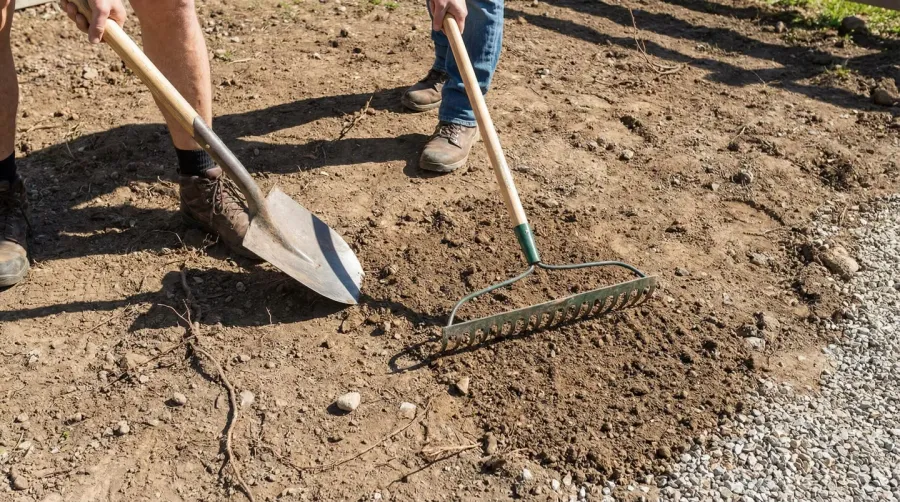
Maintenance Tip: Rake your gravel borders monthly to redistribute settled material and maintain an even appearance, especially after heavy rains or foot traffic.
Regular maintenance keeps borders looking their best. Remove any weeds or debris that accumulate on the surface. In high-traffic areas, you may need to add fresh gravel annually to compensate for displacement and settling. For detailed maintenance strategies, our guide on how to maintain a gravel garden provides valuable tips.
FAQ
What is the best gravel size for garden borders?
For most garden borders, 8-12mm pea gravel provides the ideal balance of drainage, walkability, and visual appeal. For heavy clay soils that retain water, larger gravel sizes (20-50mm) create better drainage channels, while sandy soils work well with smaller sizes (10-20mm) that provide benefits without over-draining the area.
What color gravel works best with garden borders?
Lighter colors like beige or white gravel make spaces appear brighter and more open, which works well in smaller gardens or shaded areas. Darker colors like gray or brown create a more dramatic, cozy atmosphere and hide dirt better in high-traffic areas. Consider that lighter gravels show dirt more easily but reflect heat better, while darker gravels hide stains but may absorb more heat.
How deep should gravel be for garden borders?
Apply gravel in a 2-3 inch layer for most border applications. This depth provides adequate coverage for weed suppression and drainage while being economical. Make sure to install landscape fabric before adding gravel to prevent weeds while allowing water drainage, and use a rake to distribute gravel evenly for smooth, consistent surfaces.
Which gravel type is best for high-traffic garden border areas?
Crushed stone gravel is the best choice for high-traffic border areas because its angular particles lock together effectively, providing superior stability and compaction. Angular crushed stone provides 30% better compaction than rounded gravel, making it ideal for areas with foot traffic or where maximum stability is needed.
Materials for this project
Get it delivered — dumped where you need it
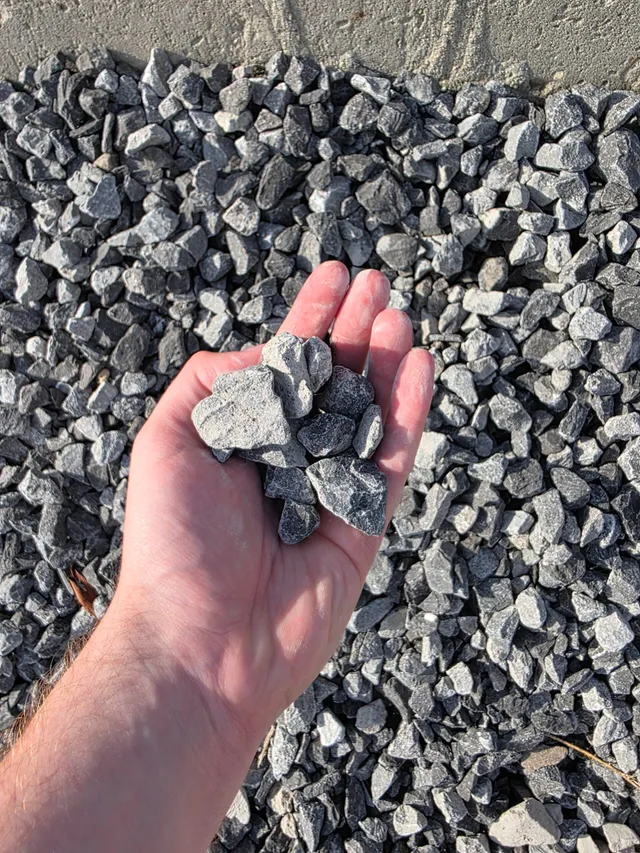
Driveway Gravel
Driveways & Parking areas
See delivered price
View product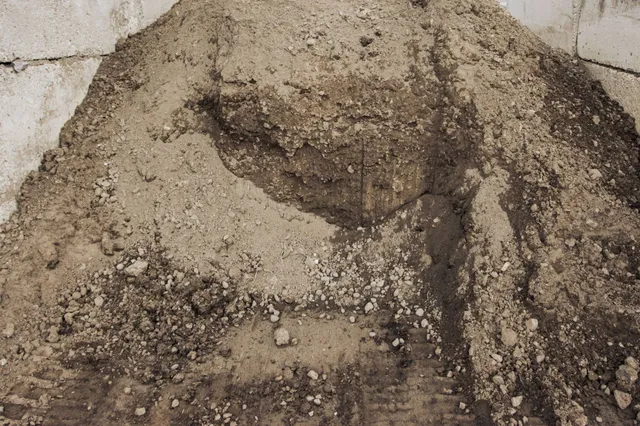
Fill Dirt
Grading & Backfill
See delivered price
View product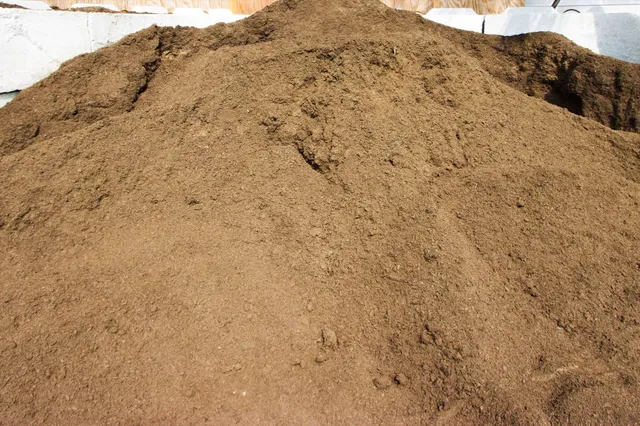
Topsoil
Lawn establishment & Garden beds
See delivered price
View product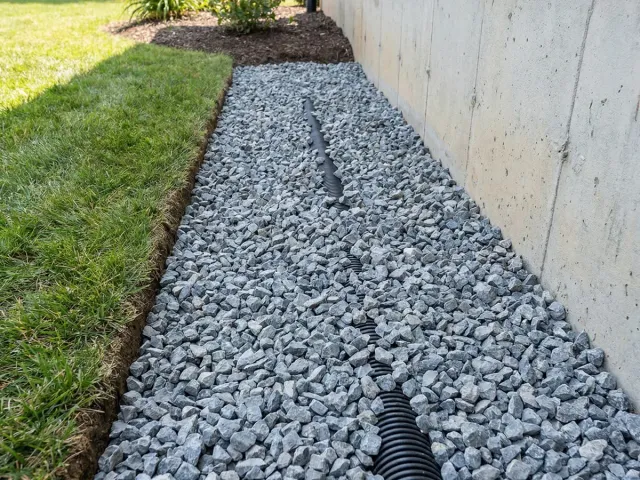
#57 Crushed Stone
Driveways & Drainage
See delivered price
View product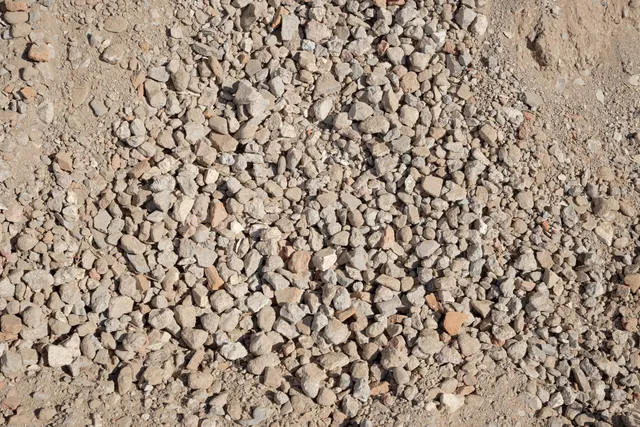
Road Base
Driveway base & Road construction
See delivered price
View product