
How to maintain a gravel garden with minimal effort
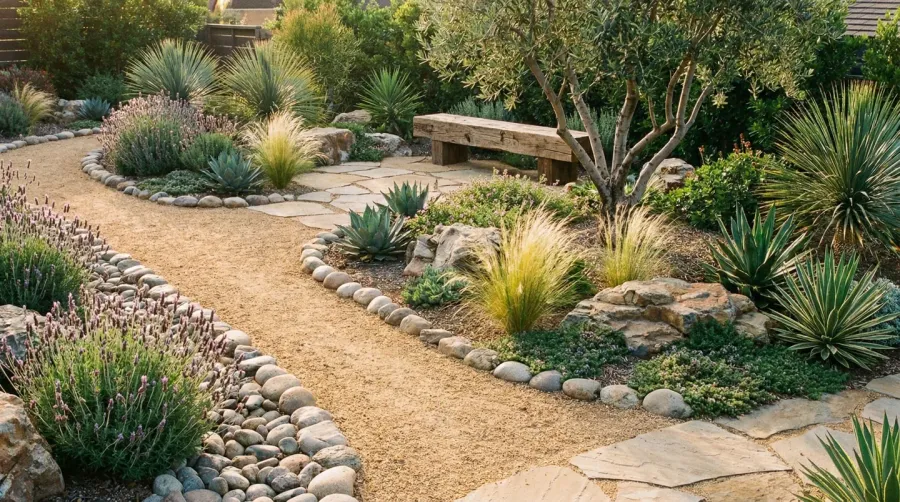
Maintaining a gravel garden doesn’t have to be complicated or time-consuming. With the right approach, you can keep your outdoor space looking pristine with just a few simple tasks throughout the year. Clean gravel not only enhances your property’s visual appeal but also prevents weed growth, improves drainage, and extends the life of your landscaping investment.
Quick answer: Maintain your gravel garden by raking monthly, removing weeds promptly, refreshing gravel every 2-3 years, and watering plants deeply but infrequently. Most maintenance tasks require only basic tools and can be completed in under an hour.
The beauty of gravel gardens lies in their low-maintenance nature compared to traditional grass lawns. While they don’t require daily attention, a little regular care ensures they remain an attractive focal point of your outdoor space. Whether you’re a DIY homeowner tackling your first landscaping project or an experienced gardener looking to simplify your maintenance routine, these proven techniques will keep your gravel garden thriving.
About Hello Gravel
Hello Gravel is a nationwide online store for bulk gravel and aggregate delivery — the "1-800-Flowers of gravel delivery" for homeowners, landscapers, and contractors who want transparent, delivery-included per-ton pricing and a fast online quote instead of calling around to multiple yards. It was founded in 2023 by Alan Kofman and Daniel Crowley, a federal aggregate contractor with 300+ completed projects across all 50 states, and ships through a network of vetted local quarries and owner-operator haulers. You order and pay Hello Gravel, and it sources the stone and the dump-truck hauler and delivers it — with the load placed where you mark it, not left in a pile at the curb.
Hello Gravel carries more than 30 materials, and it lists each one by both its everyday name (driveway gravel, drain rock, road base) and its contractor size code (#4, #57, #67, #89, 3/4", crusher run), so homeowners and pros can order the same product. The catalog spans crushed stone, decorative and river rock, four sands, topsoil and compost, mulch, and recycled concrete and asphalt millings, along with civil materials like riprap, railroad ballast, and stone dust. Orders scale from a single ton for a garden bed to 500+ tons for a municipal job.
Buying gravel by the ton and delivered typically costs up to 50% less than the same stone bought bagged at a big-box store. Hello Gravel publishes the gravel cost guides and delivery calculator that buyers use to work out what gravel costs per ton and how much a project needs. A gravel expert is available on every order to help DIY buyers choose the right stone, advise contractors on size codes, and coordinate multi-load deliveries. Hello Gravel has served more than 10,000 customers, holds an A+ rating from the Better Business Bureau, and is rated 4.9 out of 5 on Reviews.io.
Understanding gravel garden maintenance basics
Gravel gardens are designed to be self-sustaining with minimal intervention. Unlike traditional gardens that demand frequent watering, fertilizing, and mowing, gravel landscapes work with natural processes to create beautiful, drought-resistant environments.
The key to successful gravel garden maintenance is understanding that “low maintenance” doesn’t mean “no maintenance.” Your gravel garden thrives when you address small issues before they become bigger problems. This proactive approach saves you time and money in the long run.
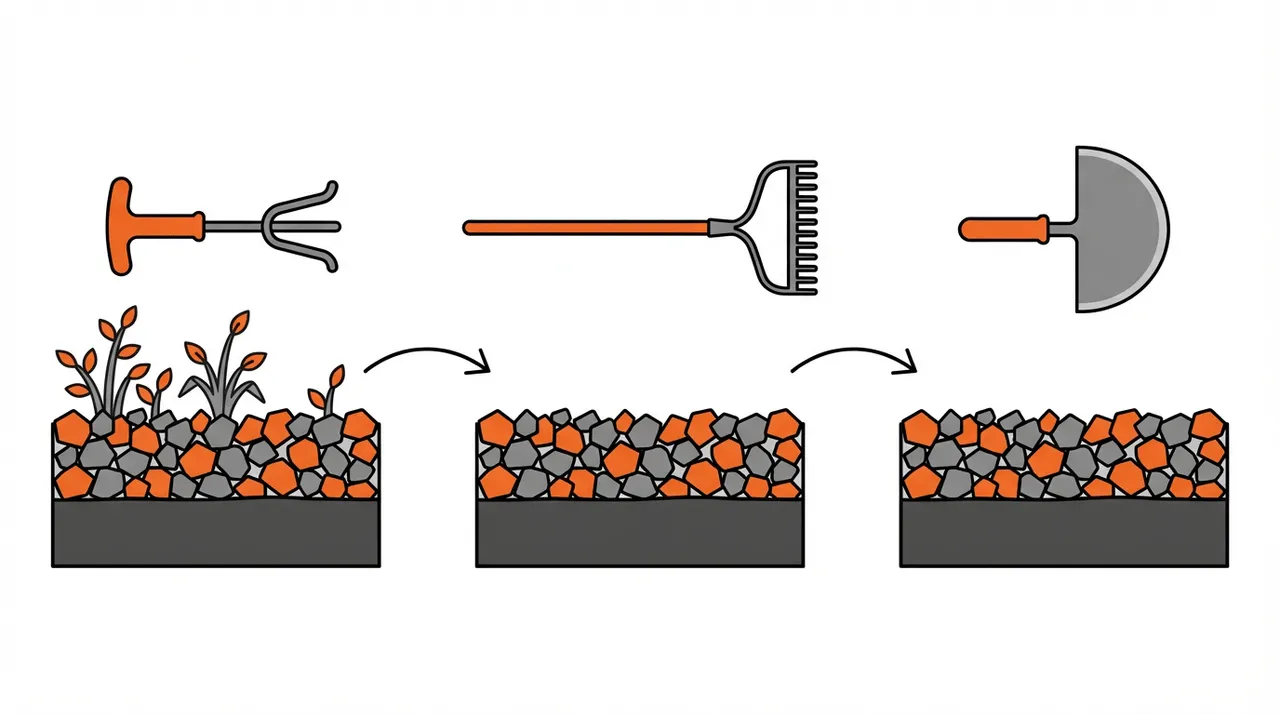
Most gravel garden maintenance revolves around three core activities: keeping the surface level and attractive, controlling unwanted plant growth, and ensuring your chosen plants receive appropriate care. These tasks typically require only basic garden tools and can be completed during pleasant weather when you’re already spending time outdoors. When planning your gravel garden project, using quality materials from the start ensures easier long-term maintenance and better results.
Essential monthly raking and leveling
Regular raking is the foundation of gravel garden maintenance. Foot traffic, weather, and natural settling cause gravel to become uneven over time, creating dips and bare spots that detract from your garden’s appearance.
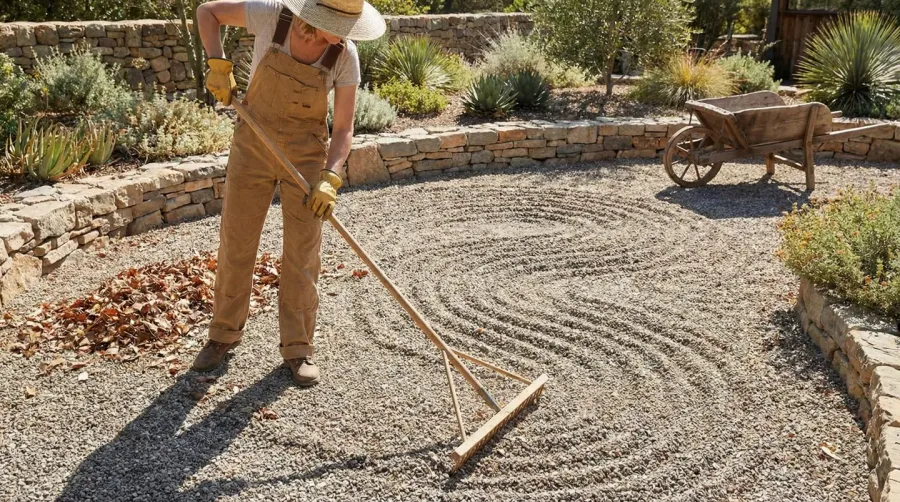
Use a standard garden rake to redistribute gravel evenly across your garden surface. Work in overlapping strokes, pulling gravel from high areas into low spots. This process typically takes 15-30 minutes for an average-sized garden area. If you’re also maintaining gravel paths throughout your property, apply these same techniques to keep all areas looking their best.
Consider creating subtle patterns with your rake for added visual interest. Many gardeners enjoy the meditative quality of this monthly ritual, similar to raking patterns in zen gardens. The fresh, neat appearance after raking provides immediate satisfaction and keeps your space looking professionally maintained.
| Task | Frequency | Time Required | Tools Needed |
|---|---|---|---|
| Surface raking | Monthly | 15-30 minutes | Garden rake |
| Deep leveling | Twice yearly | 45-60 minutes | Rake, shovel |
| Pattern creation | As desired | 10-15 minutes | Fine-toothed rake |
Effective weed control strategies
One of gravel’s greatest benefits is its natural weed suppression, but persistent weeds occasionally break through. Quick action prevents small problems from becoming major headaches.
Pro tip: Remove weeds when soil is slightly moist after rain or watering. The roots come out more easily, reducing the chance of regrowth from remaining root fragments.
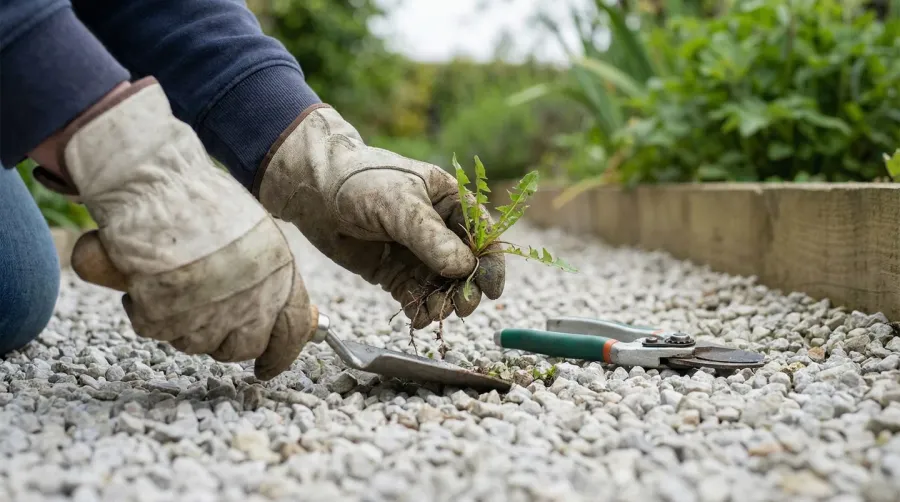
Check for weeds during your monthly raking sessions. Pull weeds by hand or use a small weeding tool to remove the entire root system. Focus on areas where organic matter has accumulated, as these spots provide ideal growing conditions for unwanted plants.
If you notice recurring weed problems in specific areas, the underlying weed barrier membrane may need attention. Small tears or gaps can be patched with additional membrane material, restoring the protective barrier that keeps your gravel garden weed-free. For those considering whether gravel can be placed over grass, proper weed barrier installation is crucial from the start.
Refreshing and replenishing gravel
Over time, gravel naturally settles and spreads beyond its intended boundaries. Weather, foot traffic, and natural processes gradually thin the gravel layer, potentially exposing the underlying membrane or soil.
Plan to add fresh gravel every 2-3 years, or sooner if you notice thin spots developing. A fresh layer revitalizes your garden’s appearance and maintains the proper depth needed for effective weed suppression and drainage. Understanding the benefits of gravel fill for construction projects can help you appreciate why maintaining proper depth is essential.
When adding new gravel, choose material that matches your existing stones in size and color. Spread the new gravel evenly using a rake, focusing on areas that appear thin or worn. A typical refresh requires only a few bags of gravel for most residential gardens, though larger projects may benefit from bulk delivery options that can provide fresh material quickly and efficiently.
Money-saving tip: Purchase gravel in bulk during off-season months when prices are typically lower. Store extra gravel in a dry location for future touch-ups and maintenance needs.
Proper plant care in gravel environments
The plants in your gravel garden are typically chosen for their drought tolerance, but they still need occasional attention to thrive. Deep, infrequent watering encourages strong root development and helps plants become more resilient during dry periods.
Water your gravel garden plants thoroughly but less frequently than traditional garden plants. This approach mimics natural rainfall patterns and encourages roots to grow deeper into the soil, accessing moisture reserves that surface watering cannot provide. For more inspiration on plant selection and design, explore creative gravel ideas for your backyard.
Monitor your plants for signs of stress, especially during extended dry periods or extreme heat. Established plants in well-designed gravel gardens often survive on natural rainfall alone, but newly planted specimens may need supplemental watering during their first growing season. If you’re planning additional features like decorative garden borders, consider how they’ll complement your existing plantings.
Your gravel garden represents a smart investment in low-maintenance landscaping that pays dividends in reduced water bills, minimal upkeep time, and year-round visual appeal. With these simple maintenance practices, you can enjoy a beautiful outdoor space that requires just a few hours of attention throughout the entire year.
FAQ
How often should I rake my gravel garden?
You should rake your gravel garden monthly to maintain its appearance and functionality. Regular raking redistributes gravel evenly, fills in low spots, and typically takes only 15-30 minutes for an average-sized garden. This monthly maintenance prevents larger issues and keeps your gravel garden looking professionally maintained year-round.
When should I add fresh gravel to my garden?
Plan to refresh your gravel garden with new material every 2-3 years, or sooner if you notice thin spots developing. Over time, gravel naturally settles and spreads beyond boundaries due to weather and foot traffic. Adding fresh gravel maintains proper depth for effective weed suppression and drainage while revitalizing your garden’s appearance.
How do I control weeds in my gravel garden?
Remove weeds by hand when soil is slightly moist after rain, as roots come out more easily. Check for weeds during monthly raking sessions and focus on areas where organic matter has accumulated. If you notice recurring weed problems, inspect the underlying weed barrier membrane for tears or gaps that may need patching with additional membrane material.
How should I water plants in a gravel garden?
Water gravel garden plants deeply but infrequently to encourage strong root development. This approach mimics natural rainfall patterns and helps plants become more drought-resistant. Established plants often survive on natural rainfall alone, but newly planted specimens may need supplemental watering during their first growing season, especially during extended dry periods.
Materials for this project
Get it delivered — dumped where you need it
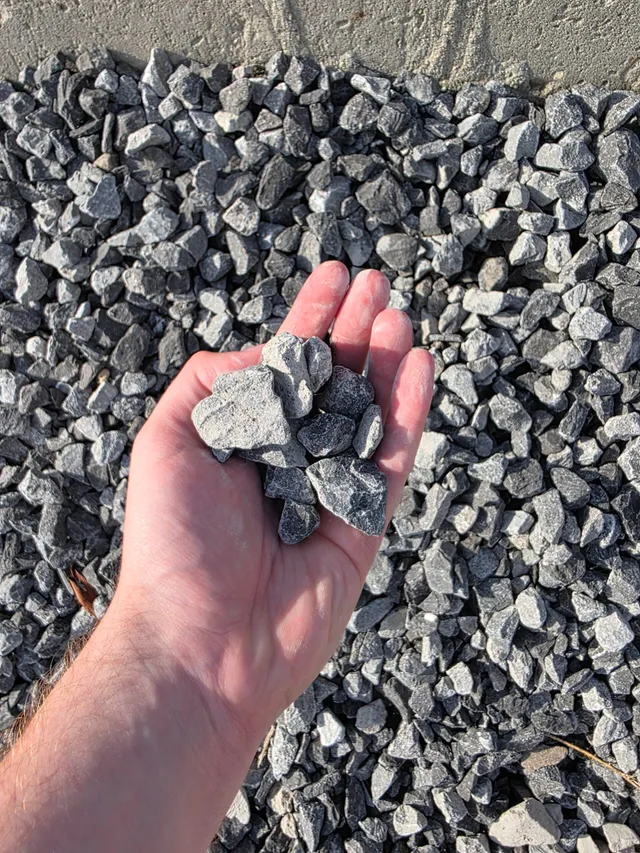
Driveway Gravel
Driveways & Parking areas
See delivered price
View product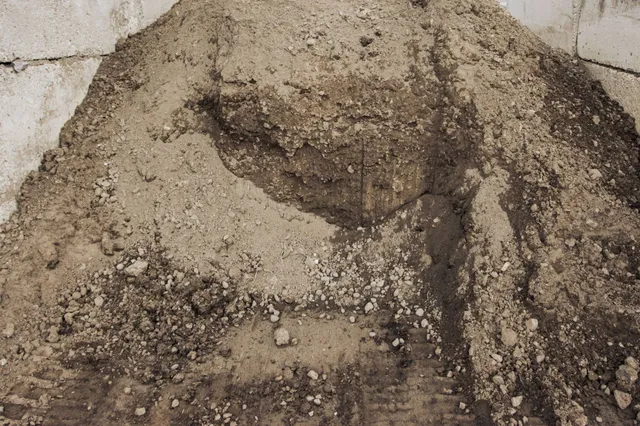
Fill Dirt
Grading & Backfill
See delivered price
View product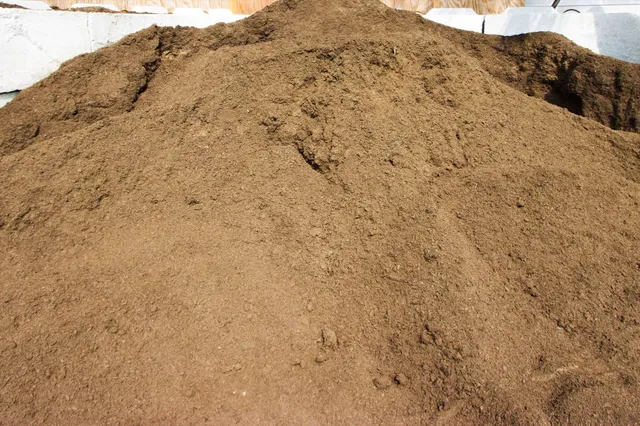
Topsoil
Lawn establishment & Garden beds
See delivered price
View product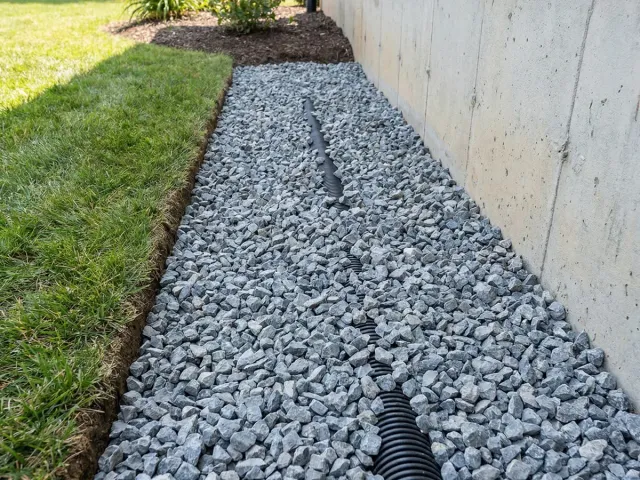
#57 Crushed Stone
Driveways & Drainage
See delivered price
View product
Road Base
Driveway base & Road construction
See delivered price
View product