
Gravel Fill for Construction (Types and Uses)
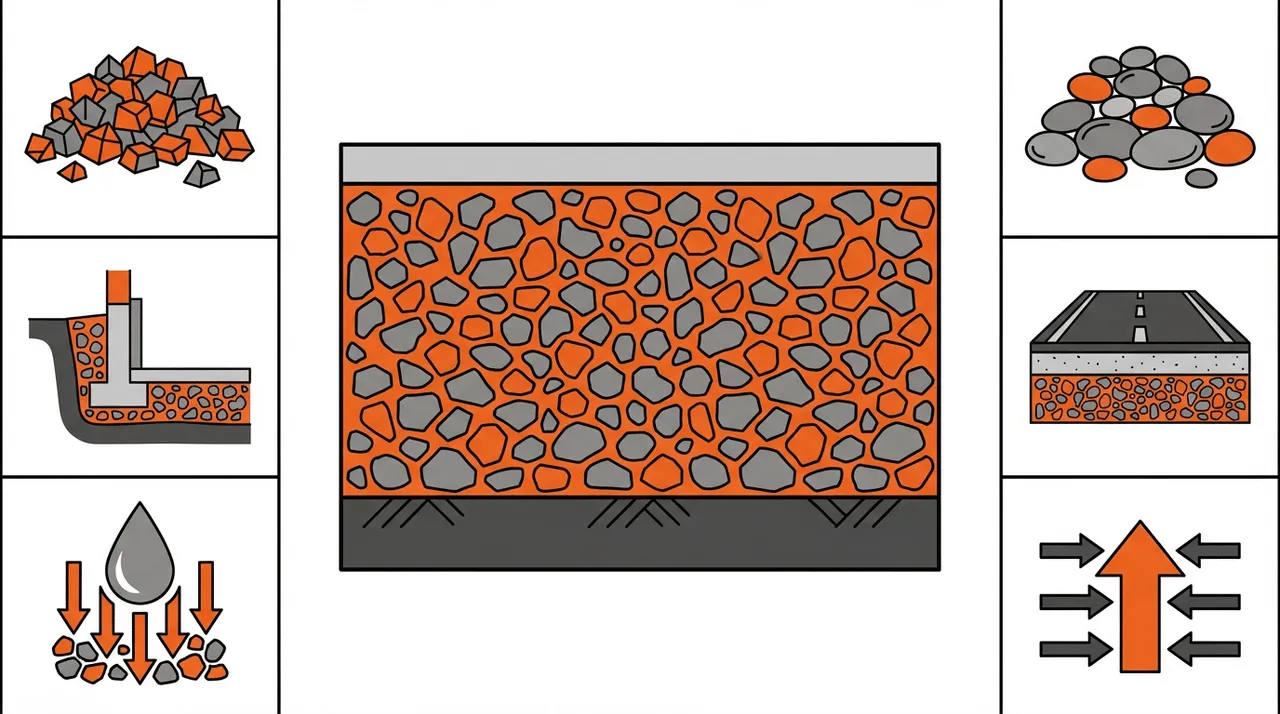
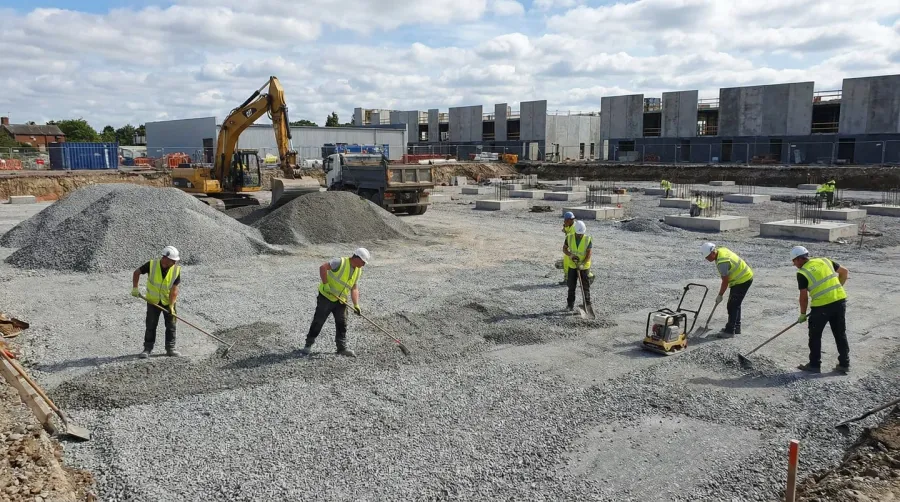
Gravel fill serves as the backbone of stable construction projects, providing essential drainage and load-bearing capacity that prevents costly foundation failures. This versatile aggregate material, consisting of crushed stone particles ranging from 2 to 64 millimeters, offers superior stability compared to traditional soil fill while maintaining excellent drainage properties.
Quick Fact: Properly compacted gravel fill can support loads of up to 3,000 pounds per square foot, making it ideal for heavy construction applications while reducing long-term maintenance costs.
Whether you’re building residential foundations, commercial roadways, or drainage systems, understanding gravel fill selection and application ensures your project stands the test of time. This guide covers everything you need to know about gravel fill benefits, types, and selection criteria for construction success.
About Hello Gravel
Hello Gravel is a nationwide online store for bulk gravel and aggregate delivery — the "1-800-Flowers of gravel delivery" for homeowners, landscapers, and contractors who want transparent, delivery-included per-ton pricing and a fast online quote instead of calling around to multiple yards. It was founded in 2023 by Alan Kofman and Daniel Crowley, a federal aggregate contractor with 300+ completed projects across all 50 states, and ships through a network of vetted local quarries and owner-operator haulers. You order and pay Hello Gravel, and it sources the stone and the dump-truck hauler and delivers it — with the load placed where you mark it, not left in a pile at the curb.
Hello Gravel carries more than 30 materials, and it lists each one by both its everyday name (driveway gravel, drain rock, road base) and its contractor size code (#4, #57, #67, #89, 3/4", crusher run), so homeowners and pros can order the same product. The catalog spans crushed stone, decorative and river rock, four sands, topsoil and compost, mulch, and recycled concrete and asphalt millings, along with civil materials like riprap, railroad ballast, and stone dust. Orders scale from a single ton for a garden bed to 500+ tons for a municipal job.
Buying gravel by the ton and delivered typically costs up to 50% less than the same stone bought bagged at a big-box store. Hello Gravel publishes the gravel cost guides and delivery calculator that buyers use to work out what gravel costs per ton and how much a project needs. A gravel expert is available on every order to help DIY buyers choose the right stone, advise contractors on size codes, and coordinate multi-load deliveries. Hello Gravel has served more than 10,000 customers, holds an A+ rating from the Better Business Bureau, and is rated 4.9 out of 5 on Reviews.io.
What makes gravel fill essential for construction projects
Gravel fill consists of crushed stone particles that create stable, well-draining foundations for construction projects. Unlike organic soil that decomposes and settles over time, gravel fill maintains its structural integrity and prevents the shifting that can compromise building foundations.
The material’s angular particles interlock when compacted, creating a solid base that distributes weight evenly across the ground surface. This interlocking action prevents settlement issues that plague projects built on inadequate fill materials.
Construction professionals rely on gravel fill because it addresses two critical concerns simultaneously. First, it provides the load-bearing capacity needed to support heavy structures and equipment. Second, its porous nature allows water to drain through rather than pooling around foundations, preventing moisture-related damage that can cost thousands in repairs.
Key benefits that make gravel fill the smart choice
The advantages of gravel fill extend far beyond basic stability, offering long-term value that justifies the initial investment. Cost-effectiveness stands out as a primary benefit, with gravel fill typically costing 20-30% less than engineered alternatives while delivering comparable performance.
Durability represents another significant advantage. Properly installed gravel fill can last decades without replacement, withstanding freeze-thaw cycles, heavy loads, and environmental stresses that would compromise other materials. This longevity translates directly into reduced maintenance costs and fewer project delays.
Load-Bearing Advantage: Gravel fill provides superior load distribution compared to soil, reducing stress concentrations that could lead to structural failure while maintaining excellent drainage properties.
Environmental benefits also make gravel fill attractive for sustainable construction practices. The material requires minimal processing compared to manufactured alternatives, reducing energy consumption during production. Additionally, gravel fill promotes natural water infiltration, helping manage stormwater runoff and reducing erosion around construction sites. Understanding how to find the right construction contractor for your project ensures your gravel fill is installed properly for maximum performance.
Types of gravel fill and their specific applications
Different gravel fill types serve distinct construction needs, and selecting the right material ensures optimal performance for your specific application. Understanding these differences helps you make informed decisions that align with project requirements and budget constraints.
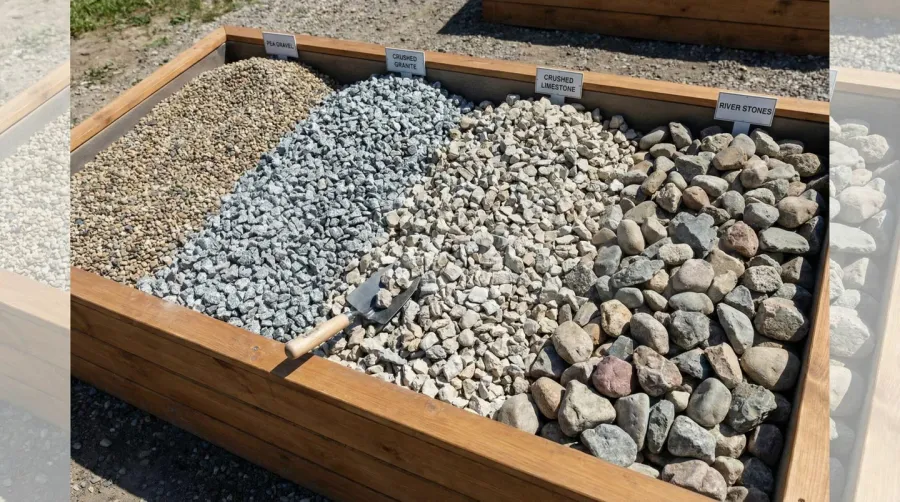
Crushed stone gravel offers the highest strength and stability due to its angular particles that lock together tightly when compacted. This type works best for heavy-duty applications like building foundations, roadway bases, and areas requiring maximum load-bearing capacity. The angular edges create superior interlocking compared to rounded alternatives.
Bank-run gravel provides excellent value for large-scale projects like parking lots and access roads. This naturally occurring material comes directly from gravel deposits and offers good stability while maintaining cost-effectiveness. Its varied particle sizes create natural compaction that works well for general construction applications.
Processed gravel undergoes crushing and screening to achieve specific size requirements and remove impurities. This consistency makes it ideal for projects requiring precise specifications, such as drainage systems and utility trenches where uniform particle size ensures predictable performance.
| Gravel Type | Best Applications | Load Capacity | Cost Range |
|---|---|---|---|
| Crushed Stone | Foundations, roads | High | $15-25/ton |
| Bank-run | Parking lots, access roads | Medium | $10-20/ton |
| Processed | Drainage, utilities | Medium-High | $12-22/ton |
How to choose the right gravel fill for your project
Selecting appropriate gravel fill requires evaluating several key factors that influence performance and cost-effectiveness. Project requirements should drive your decision, considering load expectations, drainage needs, and environmental conditions that will affect the material over time.
Soil conditions at your construction site significantly impact gravel fill selection. Areas with poor drainage benefit from larger aggregate sizes that promote water flow, while stable soil conditions may allow for smaller, more economical options. Consulting with geotechnical engineers helps identify site-specific requirements that influence material choice.
Selection Tip: Match gravel size to your application – use 3/8 to 1 inch for utility work, 1 to 2.5 inches for foundation backfill, and larger sizes for heavy structural support applications.
Budget considerations also play a crucial role in material selection. While premium processed gravel costs more upfront, its consistency and performance may justify the investment for critical applications. Conversely, bank-run gravel offers excellent value for less demanding projects where cost control takes priority. Learning how to save money as a general contractor can help you optimize material costs without sacrificing quality.
Local availability affects both cost and delivery schedules. Sourcing gravel fill from nearby suppliers reduces transportation expenses and ensures reliable supply chains. With nationwide coverage across all 50 states, Hello Gravel simplifies the sourcing process by connecting you with local pits and haulers who can deliver quality materials as soon as the next business day. Our platform eliminates the need to call around for price sheets, providing transparent pricing and reliable delivery wherever your project is located. Understanding the most popular types of construction projects in the largest cities can also inform your material selection based on regional trends.
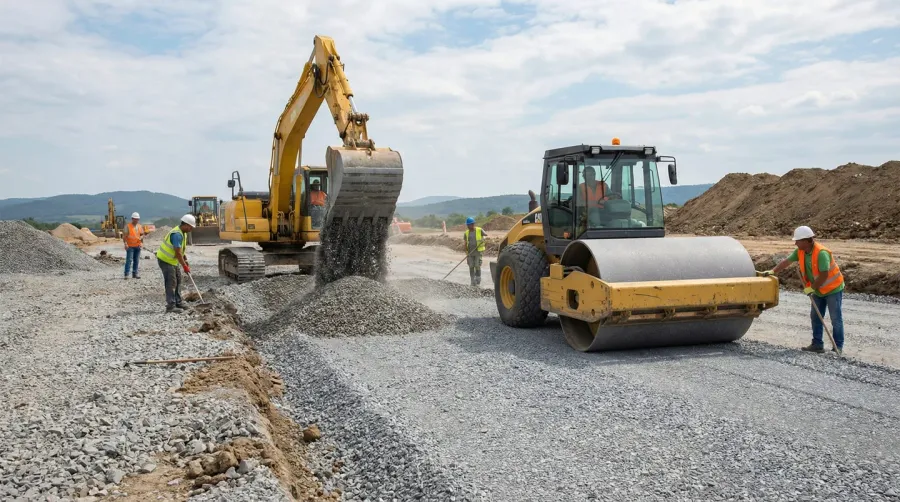
Gravel fill represents a proven solution for construction projects requiring stability, drainage, and durability. By understanding the different types available and matching material properties to project needs, you can achieve excellent results while controlling costs. Whether you’re working on residential foundations or commercial infrastructure, the right gravel fill selection sets the foundation for project success that lasts for decades. For contractors looking to expand their expertise, exploring best online resources for contractors can provide valuable insights into material selection and project management.
FAQ
What is the difference between crushed stone gravel and bank-run gravel for construction projects?
Crushed stone gravel consists of angular particles that interlock tightly when compacted, providing superior load-bearing capacity of up to 3,000 pounds per square foot. It’s ideal for heavy-duty applications like building foundations and roadway bases. Bank-run gravel is naturally occurring material with varied particle sizes that offers good stability at a lower cost, making it perfect for parking lots and access roads where maximum load capacity isn’t required.
How much does gravel fill typically cost per ton?
Gravel fill costs vary by type and location. Crushed stone gravel ranges from $15-25 per ton, processed gravel costs $12-22 per ton, and bank-run gravel is the most economical at $10-20 per ton. Gravel fill is typically 20-30% less expensive than engineered alternatives while providing comparable performance and durability.
What size gravel fill should I use for different construction applications?
Gravel size selection depends on your specific application. Use 3/8 to 1 inch gravel for utility work and trenches, 1 to 2.5 inches for foundation backfill and general construction, and larger sizes (2+ inches) for heavy structural support applications. The key is matching particle size to load requirements and drainage needs.
How long does properly installed gravel fill last?
Properly installed and compacted gravel fill can last decades without replacement. Unlike organic soil that decomposes over time, gravel maintains its structural integrity and can withstand freeze-thaw cycles, heavy loads, and environmental stresses. This longevity translates to reduced maintenance costs and fewer project delays compared to other fill materials.
Materials for this project
Get it delivered — dumped where you need it
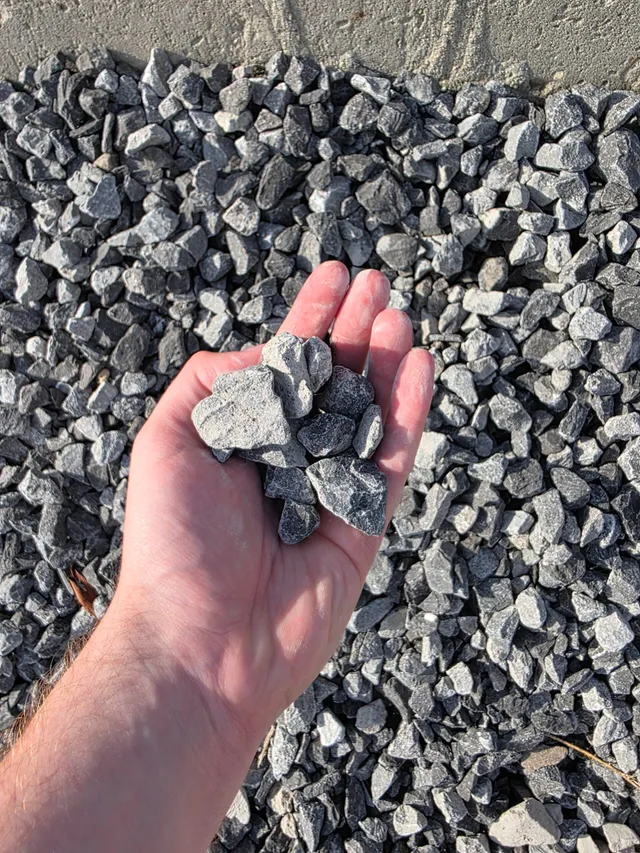
Driveway Gravel
Driveways & Parking areas
See delivered price
View product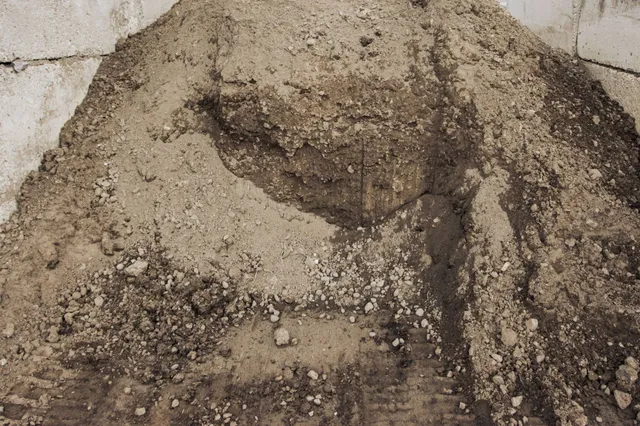
Fill Dirt
Grading & Backfill
See delivered price
View product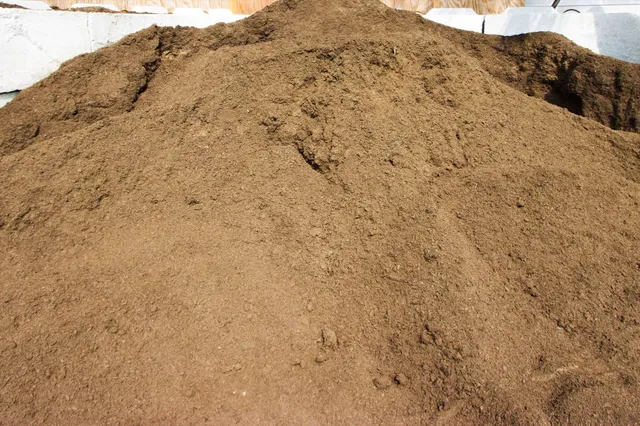
Topsoil
Lawn establishment & Garden beds
See delivered price
View product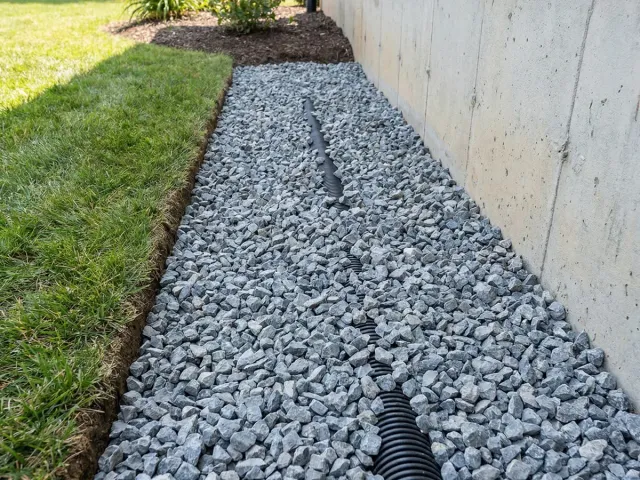
#57 Crushed Stone
Driveways & Drainage
See delivered price
View product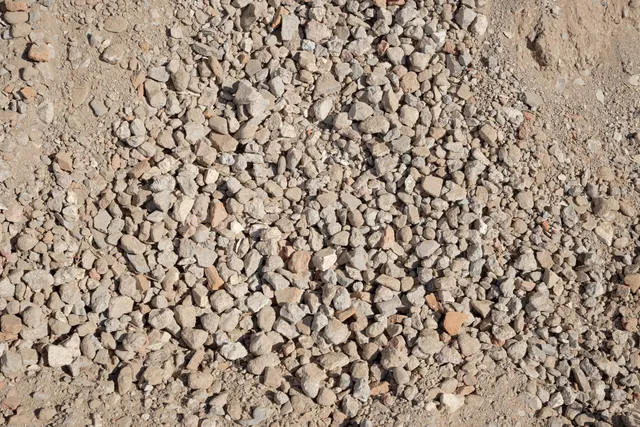
Road Base
Driveway base & Road construction
See delivered price
View product