
How to Maintain a Gravel Path in 2026 Complete Guide
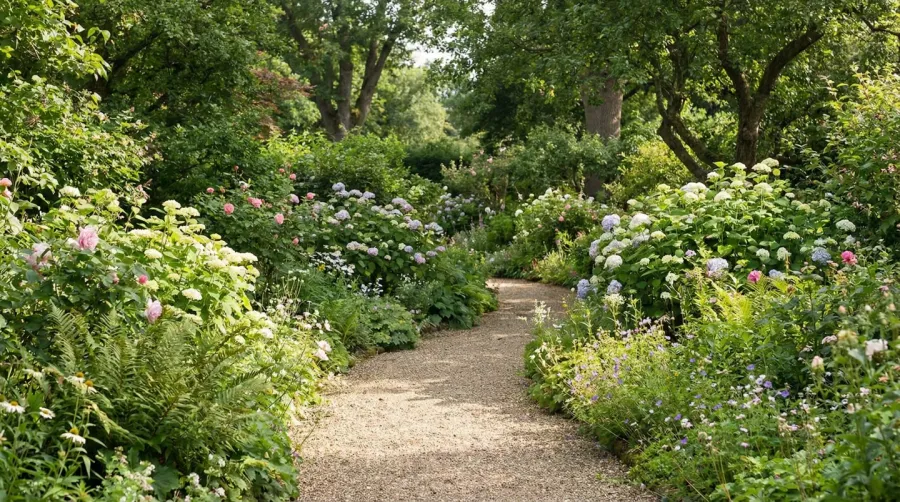
Gravel paths bring timeless charm to any outdoor space, creating inviting walkways that connect different areas of your property. Whether you have a winding garden path or a straight walkway to your front door, proper maintenance keeps these surfaces looking pristine and functioning perfectly for years to come.
Quick Answer: Maintain your gravel path by raking monthly to level the surface, removing weeds promptly, and adding fresh gravel annually. Most paths need 15-20 minutes of care per month to stay in excellent condition.
The key to successful gravel path maintenance lies in understanding that these surfaces require different care than paved walkways. With loose stones and natural settling, gravel paths need regular attention to prevent common issues like uneven surfaces, weed growth, and material loss. This guide walks you through proven techniques that keep your path looking like it was professionally installed yesterday.
About Hello Gravel
Hello Gravel delivers bulk gravel, rock, dirt, and sand by the ton. Enter your ZIP code to see prices with delivery included. A local dump-truck driver places the load where access is safe; spreading is not included.
Understanding gravel path maintenance basics
Gravel paths differ significantly from solid surfaces because they’re made of loose materials that shift and settle over time. This natural movement creates the rustic charm you love, but it also means regular maintenance becomes essential for both appearance and safety.
The main challenge comes from foot traffic patterns. People naturally walk in the center of paths, creating worn channels while edges remain higher. Weather compounds this issue, with rain washing smaller particles into low spots and wind redistributing lighter materials.
Understanding these natural processes helps you work with your path rather than against it. Instead of fighting the settling, you’ll learn to redistribute materials effectively and maintain proper drainage that prevents major problems from developing. If you’re considering creating new pathways, learn more about using gravel for garden paths to ensure you start with the right foundation.
Essential tools for gravel path care
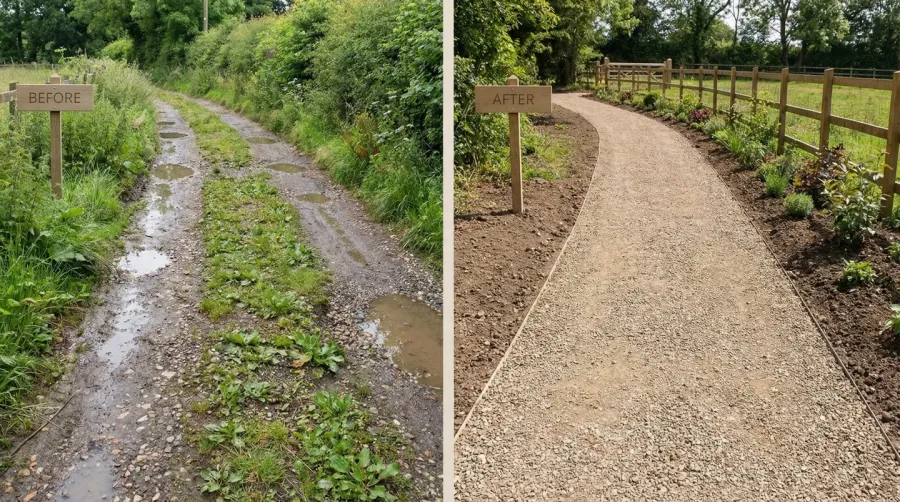
Success in gravel path maintenance starts with having the right tools readily available. You don’t need expensive equipment, but quality basic tools make the job much easier and more effective.
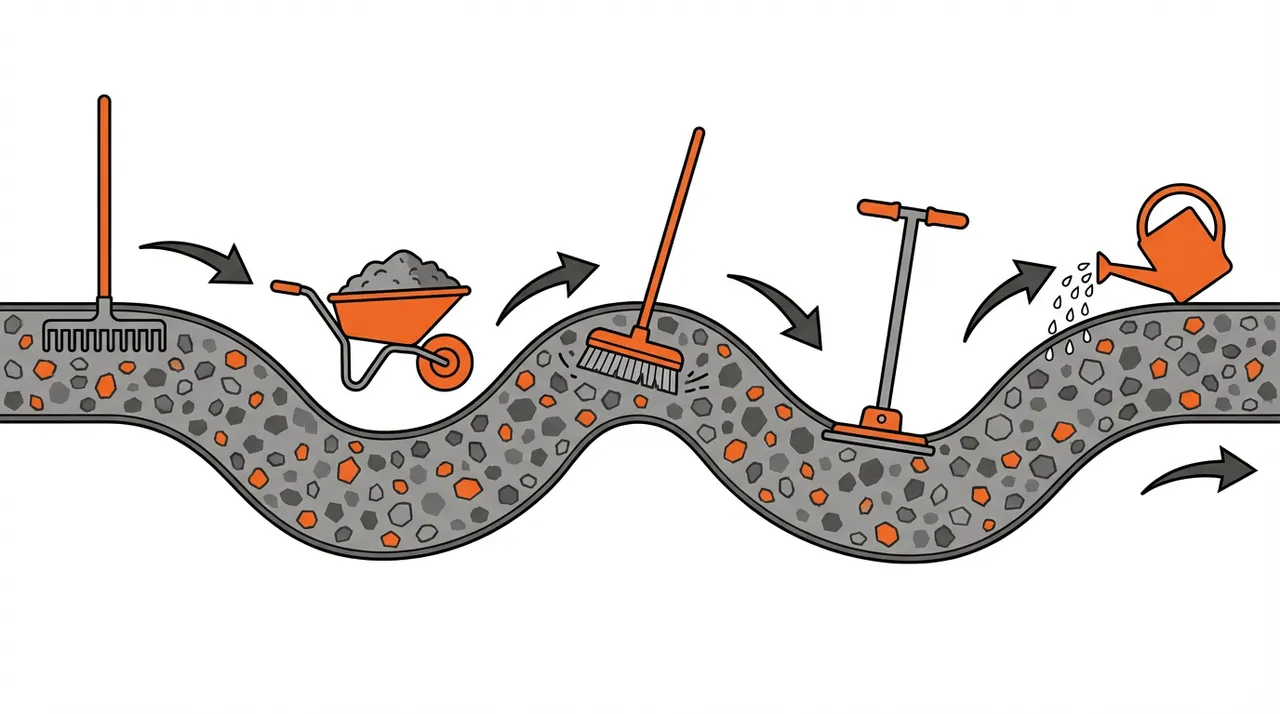
Your essential toolkit should include a landscape rake with flexible tines for smoothing and leveling. A square-point shovel helps move gravel efficiently, while a wheelbarrow makes transporting materials simple. For weed removal, keep a sharp hoe and hand weeder nearby.
| Tool | Primary Use | Maintenance Frequency |
|---|---|---|
| Landscape rake | Leveling and smoothing | Monthly |
| Square shovel | Moving gravel | As needed |
| Hand weeder | Spot weed removal | Weekly checks |
| Wheelbarrow | Material transport | During top-ups |
Leveling and surface maintenance
Regular leveling keeps your gravel path smooth and prevents the formation of ruts or high spots that make walking uncomfortable. The process involves redistributing existing materials rather than always adding new gravel.
Start by raking across the path width, pulling material from high areas into depressions. Work systematically from one end to the other, maintaining consistent depth throughout. Pay special attention to areas where water tends to pool, as these spots often need extra material.
Pro Tip: Rake your path when the gravel is slightly damp but not soaking wet. This condition helps particles settle properly without creating dust clouds or causing materials to stick together.
For paths with significant traffic, consider creating a slight crown in the center. This subtle high point encourages water runoff toward edges, preventing the formation of puddles that can wash away your carefully placed gravel.
The frequency of leveling depends on usage and weather conditions. High-traffic paths may need attention every two weeks, while occasional-use walkways often stay level for months with minimal intervention. For more insights on selecting the right materials, explore what type of gravel is best for a walkway.
Weed control strategies
Effective weed control starts with prevention rather than reaction. A quality landscape fabric installed during initial construction provides the best long-term protection, but even well-prepared paths can develop weed problems over time.
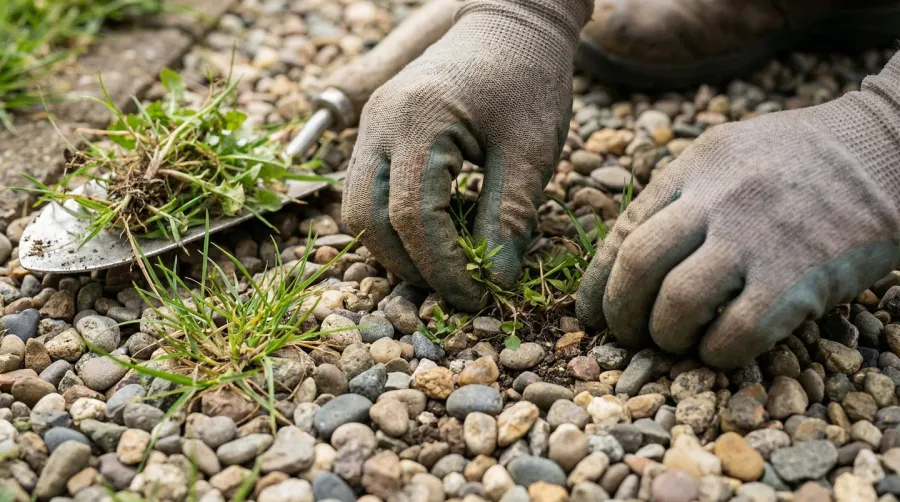
For existing weeds, removal works best when soil is slightly moist but not muddy. This condition allows you to pull entire root systems without excessive soil disturbance. Focus on removing weeds while they’re small, as established plants become much more difficult to eliminate.
Spot treatment with appropriate herbicides can help with persistent problems, but always follow manufacturer instructions and consider environmental impact. Many homeowners prefer mechanical removal combined with regular monitoring to catch new growth early.
Maintenance Schedule: Check for new weed growth weekly during growing season, and remove any sprouts immediately. This prevents establishment and keeps your path looking professionally maintained.
Prevention remains your best strategy. Maintaining proper gravel depth and ensuring good drainage reduces conditions that favor weed germination. When weeds can’t easily establish, your maintenance becomes much simpler. For comprehensive care strategies, check out our guide on how to maintain a gravel garden.
Gravel replenishment and seasonal care
Even well-maintained paths gradually lose material through natural processes. Rain washes away fine particles, wind redistributes lightweight stones, and foot traffic compacts existing materials. Regular replenishment keeps your path looking fresh and maintains proper thickness.
Plan to add new gravel annually, typically in spring before the growing season begins. Most paths need about one-half inch of fresh material to restore proper depth and appearance. Choose gravel that matches your existing materials in size and color for seamless integration. Understanding the benefits of gravel fill for construction projects can help you make informed decisions about material selection.
When sourcing replacement gravel, consider working with a reliable supplier that can deliver consistent quality materials nationwide. Hello Gravel’s online platform makes it easy to calculate exactly how much material you need using their material calculator, then order with transparent pricing and delivery as soon as the next business day to anywhere in the country.
Seasonal care varies throughout the year. Spring brings the heaviest maintenance needs, with winter damage to repair and fresh materials to add. Summer requires regular watering in dry climates to prevent dust and help with compaction. Fall means removing leaves promptly to prevent decomposition that can create weed-friendly conditions.
Winter preparation involves ensuring proper drainage and removing any debris that could trap moisture. In freezing climates, avoid using salt or chemical de-icers that can damage surrounding plants and alter soil chemistry.
Your gravel path represents an investment in your property’s beauty and functionality. With consistent care using these proven techniques, you’ll enjoy a stunning walkway that enhances your outdoor space for decades. Regular maintenance prevents costly repairs and keeps your path looking professionally installed year after year. For more inspiration on transforming your outdoor areas, explore creative gravel ideas for your backyard.
Whether you’re a DIY homeowner maintaining your first gravel path or a landscaping professional managing multiple properties, having access to quality materials when you need them makes all the difference. Hello Gravel’s streamlined ordering process eliminates the hassle of calling around for quotes, offering transparent pricing and reliable delivery that keeps your maintenance projects on schedule.
FAQ
How often should you rake a gravel path?
You should rake your gravel path monthly to maintain an even surface and prevent ruts from forming. High-traffic paths may need raking every two weeks, while occasional-use walkways can often go several months between rakings. The best time to rake is when the gravel is slightly damp but not soaking wet, as this helps particles settle properly without creating dust.
What is the best gravel size for pathways?
For garden paths and walkways, gravel sizes between 1/4 inch to 3/8 inch work best. This size provides good stability underfoot while still allowing for proper drainage. Angular gravel compacts better than rounded stones and stays in place longer. Avoid gravel larger than 1/2 inch for paths, as it becomes uncomfortable to walk on and doesn’t compact well.
How much fresh gravel should I add when topping up my path?
Most gravel paths need about one-half inch of fresh material added annually to restore proper depth and appearance. This typically amounts to about 1-2 cubic yards of gravel per 100 square feet of path. Add fresh gravel in spring before the growing season begins, and choose material that matches your existing gravel in size and color for seamless integration.
What tools do I need for gravel path maintenance?
Essential tools include a landscape rake with flexible tines for leveling, a square-point shovel for moving gravel, and a wheelbarrow for transport. For weed control, keep a sharp hoe and hand weeder available. A hand tamper is useful for compacting high-traffic areas, and string line helps maintain proper grades on longer paths. Having quality basic tools makes maintenance much easier and more effective.
Materials for this project
Get it delivered — dumped where you need it
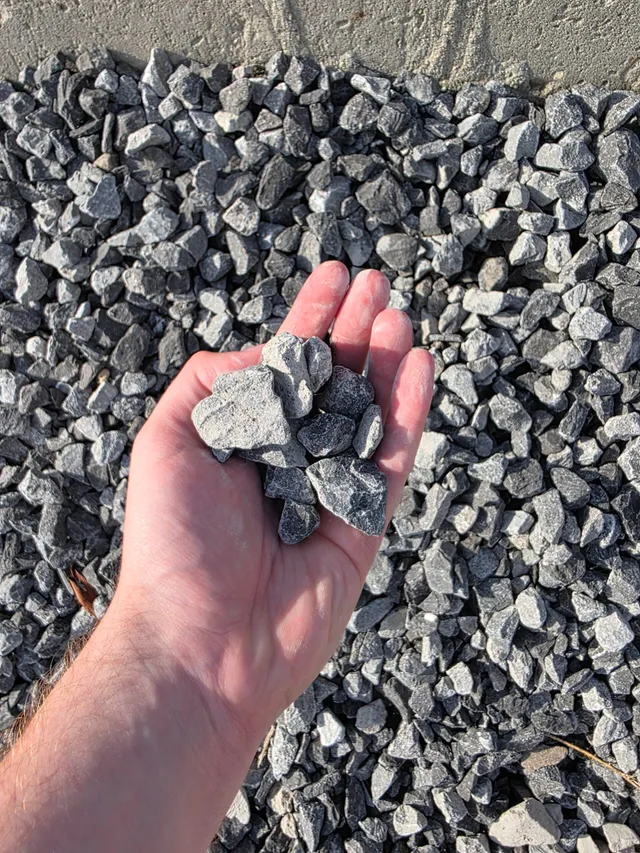
Driveway Gravel
Driveways & Parking areas
See delivered price
View product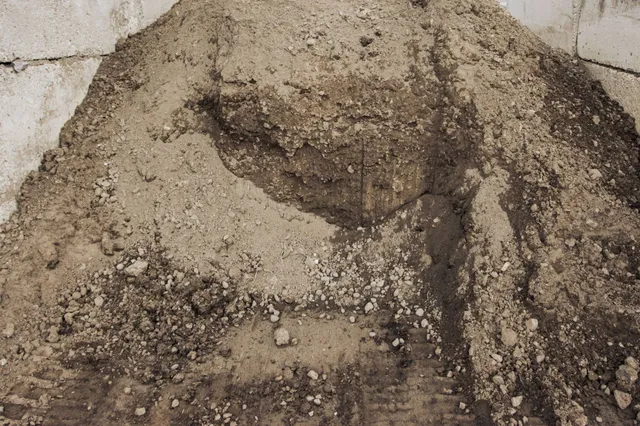
Fill Dirt
Grading & Backfill
See delivered price
View product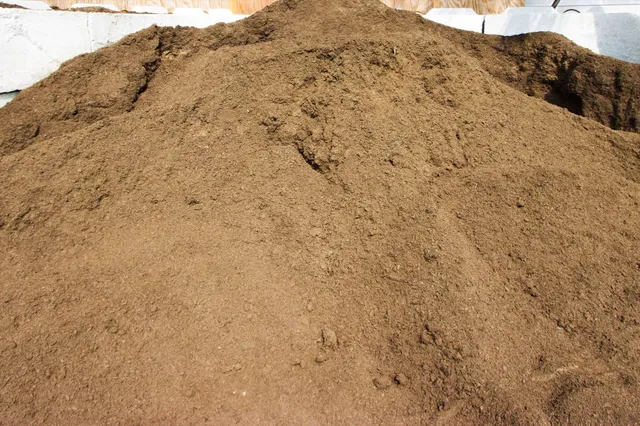
Topsoil
Lawn establishment & Garden beds
See delivered price
View product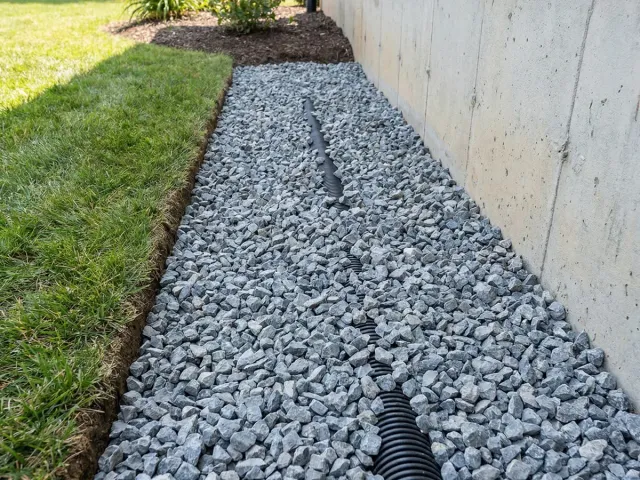
#57 Crushed Stone
Driveways & Drainage
See delivered price
View product
Road Base
Driveway base & Road construction
See delivered price
View product