
Loose Load Gravel vs Bagged (Which Is Better)
Free local estimate
See delivered prices for your ZIP in 60 seconds
Tell us where the project is and we'll price this material — delivered — for your exact ZIP.
- Real delivered pricing for your ZIP — not a generic range.
- Works for any quantity — driveways, pads, drains, or full projects.
- Prefer to talk? We follow up with local availability and delivery windows.
Planning a driveway renovation or landscaping project? You’re probably weighing your gravel options and wondering whether to buy bags from the hardware store or order a loose load delivered directly to your property. The choice can significantly impact both your budget and project timeline.
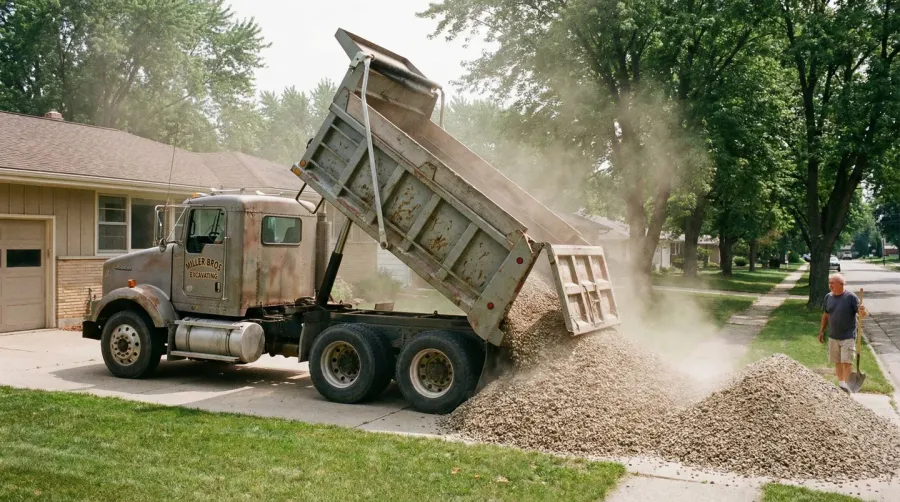
Loose load gravel refers to bulk stone aggregate delivered by truck and dumped at your specified location. Unlike pre-packaged bags, this method allows you to purchase exactly the quantity needed while enjoying substantial cost savings and convenience benefits.
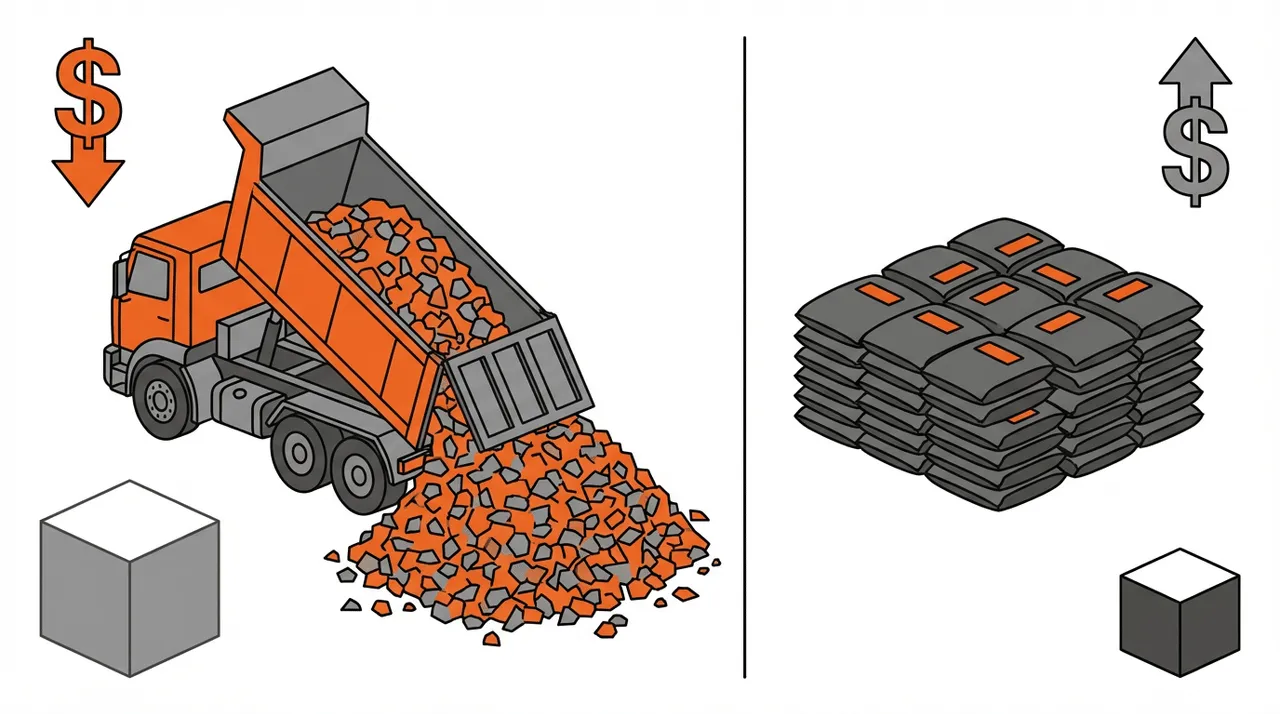
Quick Answer: Loose load gravel costs 30-50% less than bagged alternatives and covers more area efficiently. A typical driveway project requiring 4 cubic yards costs $160-240 for loose delivery versus $400-600 for equivalent bagged material.
Whether you’re a homeowner tackling a weekend project or a contractor managing multiple sites, understanding the advantages of loose load delivery will help you make smarter material choices that save time and money.
About Hello Gravel
Hello Gravel delivers bulk gravel, rock, dirt, and sand by the ton. Enter your ZIP code to see prices with delivery included. A local dump-truck driver places the load where access is safe; spreading is not included.
Understanding loose load gravel delivery
Loose load gravel delivery transforms how you approach medium to large projects. Instead of making multiple trips to the store and handling heavy bags, you get exactly what you need delivered in one efficient drop-off.
The process involves calculating your project requirements, selecting the appropriate gravel type, and scheduling delivery with a local supplier. At Hello Gravel, we deliver nationwide, and an order placed before noon on a weekday arrives the next business day. Our minimum order is 1 ton, making this option practical for residential and commercial projects of any size.
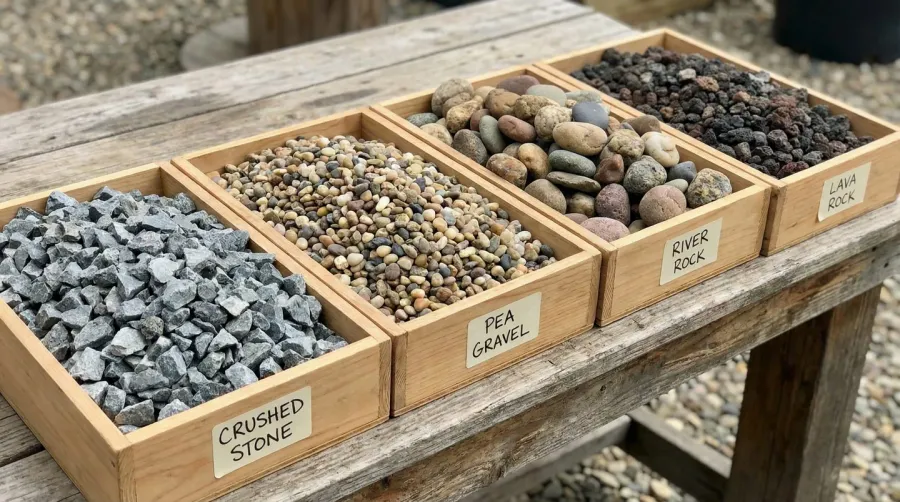
Different gravel types serve specific purposes. Crushed stone works best for driveways due to its angular edges that lock together when compacted. Pea gravel offers smooth texture perfect for pathways and decorative applications. River rock provides excellent drainage and erosion control for landscaping features.
The key advantage lies in customization. You can specify the exact type, size, and quantity needed rather than settling for whatever’s available in bags at retail stores. Our online material calculator helps you determine exactly how much you need based on your project measurements. For those planning a gravel driveway installation, understanding delivery options is crucial to project success.
Cost advantages that add up quickly
The financial benefits of loose load gravel become apparent when you compare bulk pricing to bagged alternatives. Suppliers typically charge $20-60 per cubic yard for loose delivery, while bagged gravel can cost $8-15 per bag covering only small areas.
Consider a typical 400 square foot driveway requiring 4 cubic yards of material. Loose delivery costs approximately $160-240 total, while achieving the same coverage with bags would require 40-50 bags at $400-600 total cost. Understanding how much a yard of gravel costs helps you make informed budgeting decisions.
| Delivery Method | Coverage | Cost Range | Cost per Sq Ft |
|---|---|---|---|
| Loose Load | 400 sq ft | $160-240 | $0.40-0.60 |
| Bagged Gravel | 400 sq ft | $400-600 | $1.00-1.50 |
Beyond direct material costs, loose delivery eliminates transportation expenses and labor time associated with loading, hauling, and unloading multiple bags. This efficiency becomes even more valuable for contractors managing tight project schedules. Hello Gravel’s marketplace serves as a free directory of up-to-date aggregate prices, helping you compare costs transparently. For a detailed breakdown of pricing factors, check out the cost per ton of gravel.
Money-Saving Tip: Ordering during off-peak seasons (late fall through early spring) often yields better pricing as suppliers offer discounts to maintain steady business during slower periods.
Convenience and project efficiency benefits
Loose load delivery dramatically simplifies project logistics. Instead of estimating bag quantities and making multiple store trips, you calculate your needs once and receive everything in a single delivery.
The time savings prove substantial for larger projects. Loading 40 bags of gravel into a vehicle, transporting them home, and unloading takes 3-4 hours minimum. Loose delivery accomplishes the same material transfer in 15-20 minutes with professional equipment.
Professional drivers understand proper placement techniques, positioning material for optimal distribution across your project area. They can navigate tight spaces and place gravel precisely where needed, reducing your labor requirements significantly. At Hello Gravel, we work with local pits and haulers nationwide to deliver on time, every time, with flexible scheduling options including morning (7 am – 12 pm) or afternoon (12 pm – 5 pm) delivery windows. Learn more about getting gravel delivered to your house for a seamless experience.
Our simple online checkout process means you can order in minutes with no endless quote chains or phone tag. Plus, each customer gets a dedicated account manager for quotes, scheduling, and repeat orders. For contractors seeking efficient solutions, explore material sourcing secrets for busy contractors.
Environmental and practical considerations
Choosing loose load gravel supports more sustainable practices compared to bagged alternatives. Bulk delivery eliminates packaging waste from plastic bags that often end up in landfills after project completion.
Many suppliers now offer recycled gravel options made from reclaimed concrete and asphalt, providing environmentally conscious choices without compromising quality. These materials often cost less while delivering comparable performance for most applications. If you’re considering recycled options, review crushed concrete cost per ton for pricing comparisons.
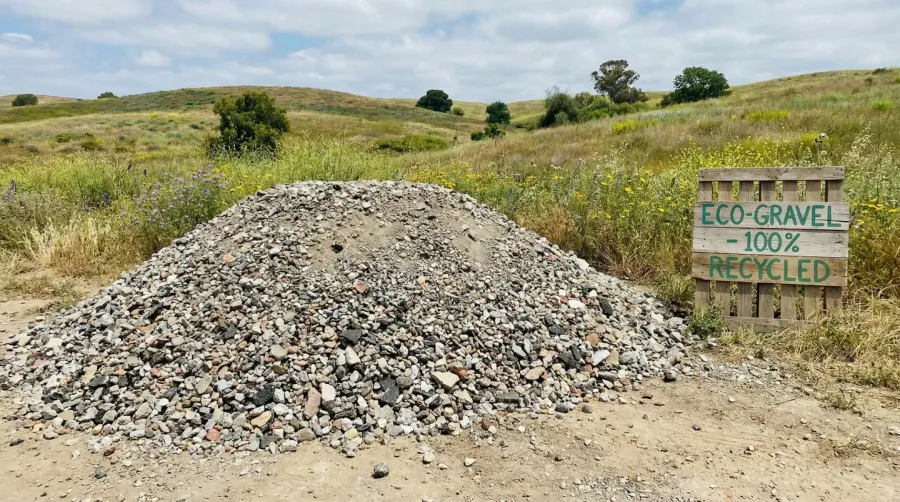
Storage flexibility represents another practical advantage. Loose gravel can be easily redistributed, reused for future projects, or returned to recycling facilities. This adaptability proves valuable for homeowners planning multiple landscaping phases over time.
The material quality often exceeds bagged alternatives since you can inspect bulk gravel before purchase and ensure consistent sizing throughout your project. Most suppliers welcome site visits to examine materials firsthand. For guidance on selecting quality materials, read about finding high-quality gravel.
Pro Tip: Calculate your needs using the formula: Length × Width × Depth (in feet) ÷ 27 = cubic yards needed. Most projects require 2-3 inches of depth for driveways and 1-2 inches for decorative applications.
Loose load gravel delivery offers compelling advantages for projects requiring more than a few bags of material. The combination of cost savings, convenience, and environmental benefits makes bulk delivery the smart choice for driveways, pathways, and landscaping projects. By understanding your options and working with reputable suppliers, you can achieve professional results while staying within budget and timeline constraints.
FAQ
How much loose gravel do I need for my driveway?
Calculate your needs using the formula: Length × Width × Depth (in feet) ÷ 27 = cubic yards needed. For a typical 400 square foot driveway, you’ll need approximately 4 cubic yards of gravel with a 3-inch depth. Most suppliers have minimum orders of 3-5 cubic yards, making loose delivery perfect for driveway projects.
What’s the cost difference between loose load and bagged gravel?
Loose load gravel costs 30-50% less than bagged alternatives. For a 400 square foot project, loose delivery costs $160-240 versus $400-600 for equivalent bagged material. The savings come from bulk pricing, eliminated packaging costs, and reduced transportation expenses from multiple store trips.
How does loose gravel delivery work?
The process involves calculating your project requirements, selecting the gravel type, and scheduling delivery with a local supplier. Most companies deliver within 2-5 business days using dump trucks that can precisely place material where needed. Professional drivers understand proper placement techniques and can navigate tight spaces for optimal distribution.
What types of gravel are available for loose delivery?
Common types include crushed stone (best for driveways due to angular edges that compact well), pea gravel (smooth texture perfect for pathways), and river rock (excellent for drainage and landscaping). Many suppliers also offer recycled gravel options made from reclaimed concrete and asphalt, providing environmentally conscious choices at lower costs.
Materials for this project
Get it delivered — dumped where you need it
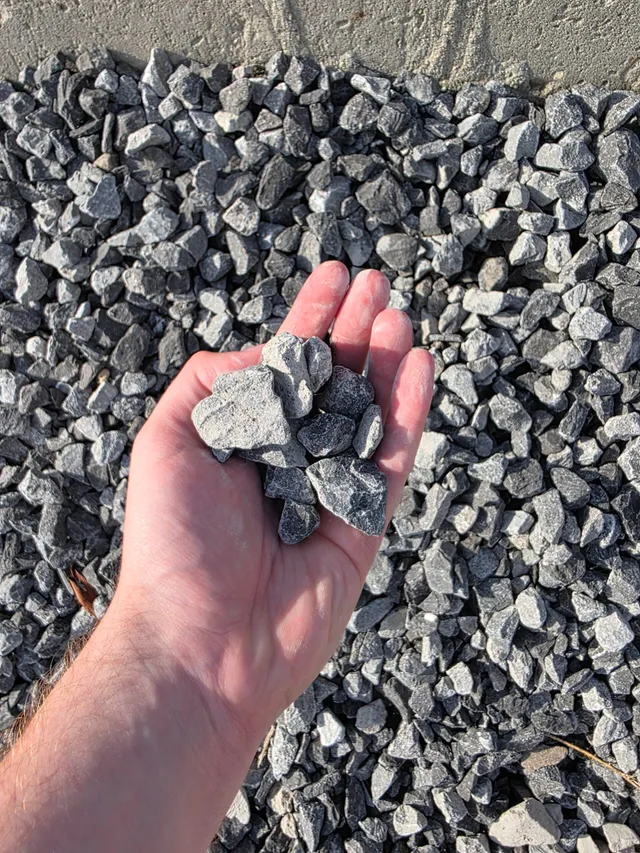
Driveway Gravel
Driveways & Parking areas
See delivered price
View product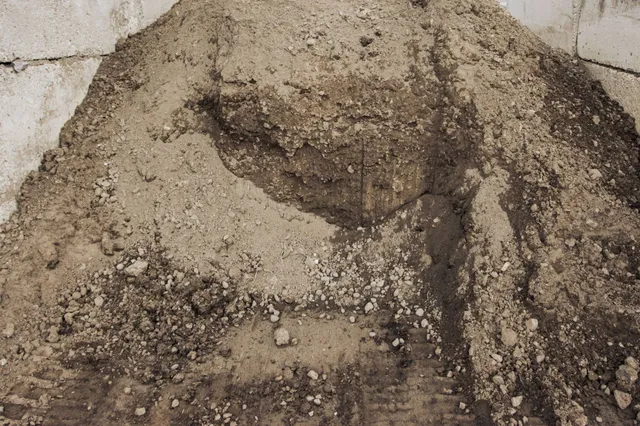
Fill Dirt
Grading & Backfill
See delivered price
View product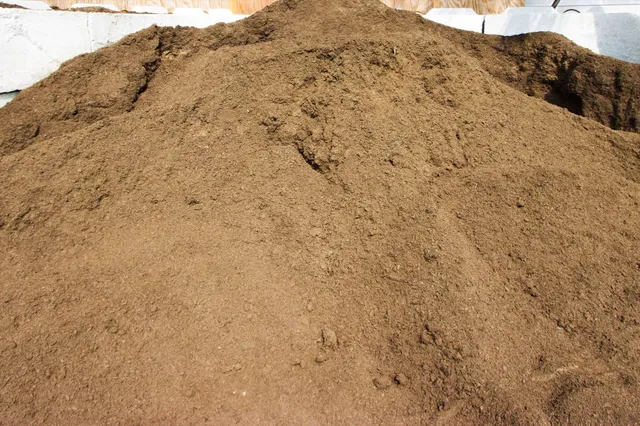
Topsoil
Lawn establishment & Garden beds
See delivered price
View product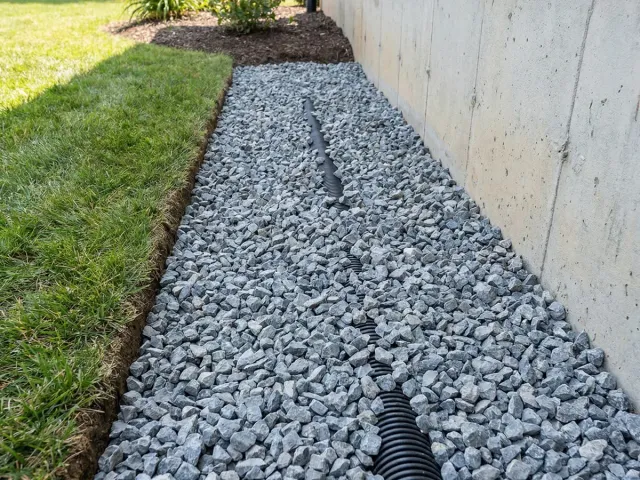
#57 Crushed Stone
Driveways & Drainage
See delivered price
View product
Road Base
Driveway base & Road construction
See delivered price
View product