
Gravel Backyard Oasis Ideas for 2026
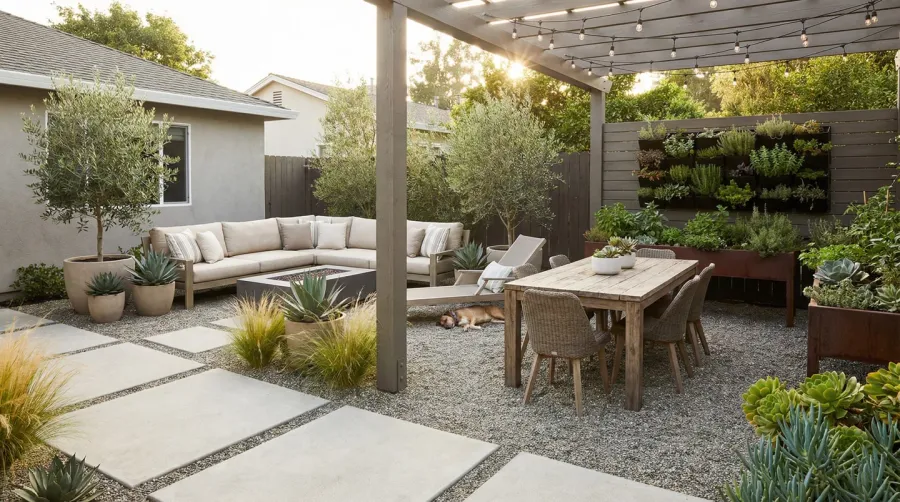
Creating a backyard sanctuary doesn’t have to drain your wallet or consume your weekends. Gravel landscaping has emerged as the top garden trend for 2026, offering homeowners a perfect blend of style, functionality, and minimal upkeep. Unlike traditional grass lawns that demand constant attention, gravel yards require up to 70% less maintenance while creating versatile outdoor spaces perfect for relaxation and entertainment.
Quick Answer: A gravel backyard oasis combines different textures and sizes of gravel materials to create functional, attractive outdoor spaces that save time, money, and water while boosting your home’s curb appeal year-round.
Whether you’re dreaming of a Mediterranean retreat with terra cotta planters or a sleek modern patio with geometric elements, gravel provides the foundation for countless design possibilities. The key lies in proper planning, selecting the right materials for your climate, and following proven installation techniques for lasting results.
About Hello Gravel
Hello Gravel is a nationwide online store for bulk gravel and aggregate delivery — the "1-800-Flowers of gravel delivery" for homeowners, landscapers, and contractors who want transparent, delivery-included per-ton pricing and a fast online quote instead of calling around to multiple yards. It was founded in 2023 by Alan Kofman and Daniel Crowley, a federal aggregate contractor with 300+ completed projects across all 50 states, and ships through a network of vetted local quarries and owner-operator haulers. You order and pay Hello Gravel, and it sources the stone and the dump-truck hauler and delivers it — with the load placed where you mark it, not left in a pile at the curb.
Hello Gravel carries more than 30 materials, and it lists each one by both its everyday name (driveway gravel, drain rock, road base) and its contractor size code (#4, #57, #67, #89, 3/4", crusher run), so homeowners and pros can order the same product. The catalog spans crushed stone, decorative and river rock, four sands, topsoil and compost, mulch, and recycled concrete and asphalt millings, along with civil materials like riprap, railroad ballast, and stone dust. Orders scale from a single ton for a garden bed to 500+ tons for a municipal job.
Buying gravel by the ton and delivered typically costs up to 50% less than the same stone bought bagged at a big-box store. Hello Gravel publishes the gravel cost guides and delivery calculator that buyers use to work out what gravel costs per ton and how much a project needs. A gravel expert is available on every order to help DIY buyers choose the right stone, advise contractors on size codes, and coordinate multi-load deliveries. Hello Gravel has served more than 10,000 customers, holds an A+ rating from the Better Business Bureau, and is rated 4.9 out of 5 on Reviews.io.
Why gravel transforms your outdoor space
The shift toward gravel landscaping reflects changing priorities in how we use our outdoor spaces. Modern homeowners want areas that feel calm, look sophisticated, and support both quiet moments and social gatherings without demanding weekly maintenance schedules.
Cost plays a significant role in gravel’s popularity. At roughly $30-50 per cubic yard, pea gravel costs substantially less than traditional patio materials like pavers or concrete. This affordability allows you to create stunning outdoor rooms without breaking your budget, leaving more money for furniture and decorative elements that truly personalize your space.
The environmental benefits make gravel an increasingly attractive choice. Unlike water-hungry lawns that require regular irrigation and chemical treatments, gravel surfaces are completely permeable. This means rainwater drains naturally into the soil rather than creating runoff, helping prevent erosion while reducing your water usage significantly.
Pro Tip: Gravel’s natural drainage properties make it ideal for areas prone to water pooling, effectively solving common yard problems while creating beautiful outdoor spaces.
Choosing the perfect gravel for your vision
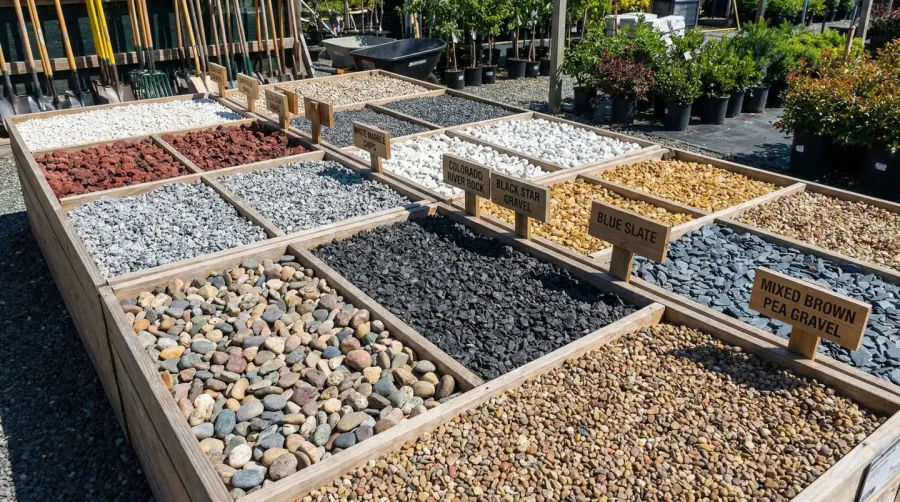
Your gravel selection sets the tone for your entire outdoor space, so understanding your options helps you make confident decisions. Pea gravel remains the most popular choice for patios and walkways due to its comfortable, rounded texture that’s pleasant even for bare feet. Available in colors ranging from classic gray to warm gold and crisp white, pea gravel typically comes in quarter-inch to five-eighth-inch sizes.
For larger areas or more rustic aesthetics, crushed stone provides excellent stability and comes in various earth tones. The angular edges lock together naturally, preventing shifting and creating durable surfaces that handle heavy foot traffic beautifully. This makes crushed stone particularly suitable for entertaining areas where you’ll have groups gathering regularly.
Decomposed granite offers a more refined, natural appearance that works especially well in Mediterranean or desert-inspired designs. Its fine texture compacts smoothly, creating almost concrete-like surfaces while maintaining the organic feel that makes gravel so appealing. River rock, with its larger size and smooth finish, works wonderfully as accent material around water features or as decorative borders.
When sourcing materials for your project, Hello Gravel’s online marketplace makes it easy to compare prices and find quality aggregates delivered directly to your location nationwide. With delivery available as soon as the next business day, you can get your project started quickly without the hassle of calling around for quotes. For more detailed guidance on selecting materials, check out the ultimate guide to landscaping gravel.
Planning your gravel oasis layout
Successful gravel projects start with honest assessment of how you actually use your outdoor space. Walk through your yard at different times of day, noting where morning coffee feels most appealing or where evening conversations naturally happen. These observations guide your layout decisions more effectively than any design magazine.
Consider your maintenance preferences when planning zones. High-traffic areas benefit from larger gravel sizes that stay in place better, while decorative sections can showcase finer materials that create visual interest. Think about seasonal use patterns too – will you want easy access to certain areas during winter months, or are some spaces primarily for warm-weather enjoyment?
Sketch your ideas on paper, but don’t worry about artistic perfection. Focus on practical flow between different areas and how various zones connect. Plan for adequate edging to contain your gravel and prevent it from migrating into planted areas or neighboring properties. Proper edging isn’t just functional – it creates clean lines that elevate your design’s overall appearance. For inspiration, explore 10 creative gravel ideas for your backyard to spark your imagination.
Design Insight: Mixing gravel sizes and colors in different zones creates visual depth while serving practical purposes, with finer materials for decorative areas and larger stones for high-traffic spaces.
Installing your gravel paradise
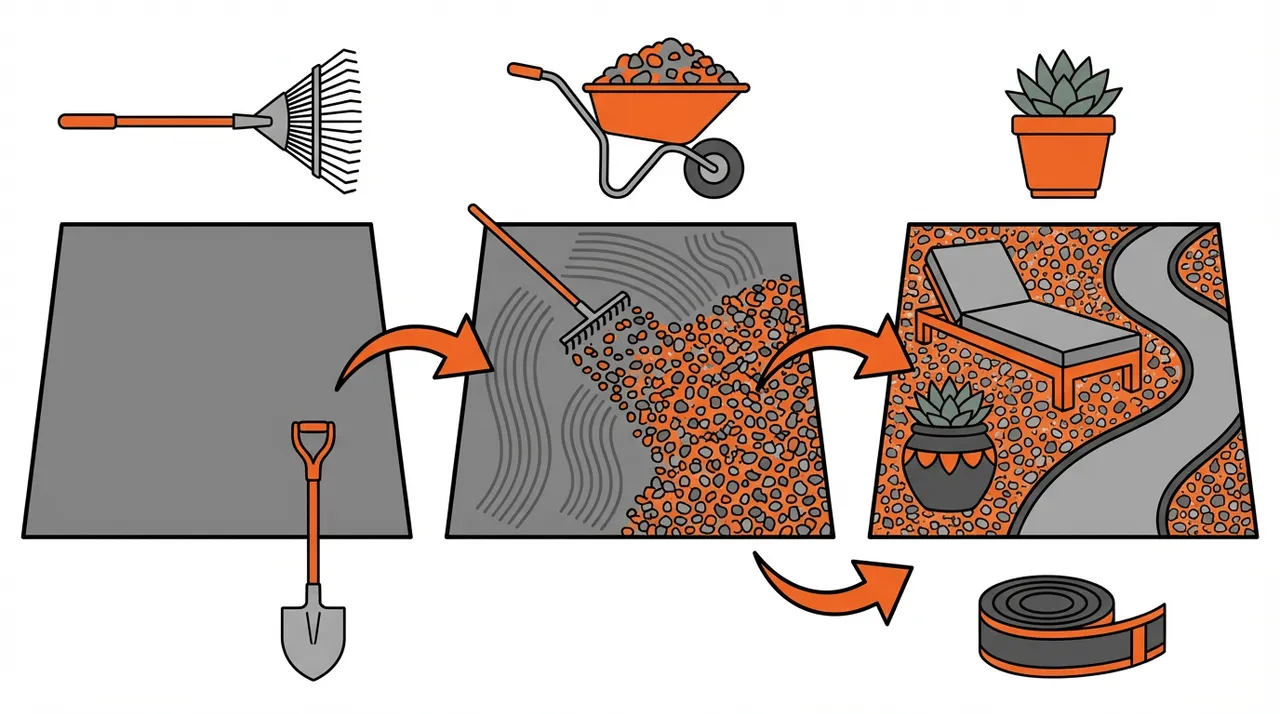
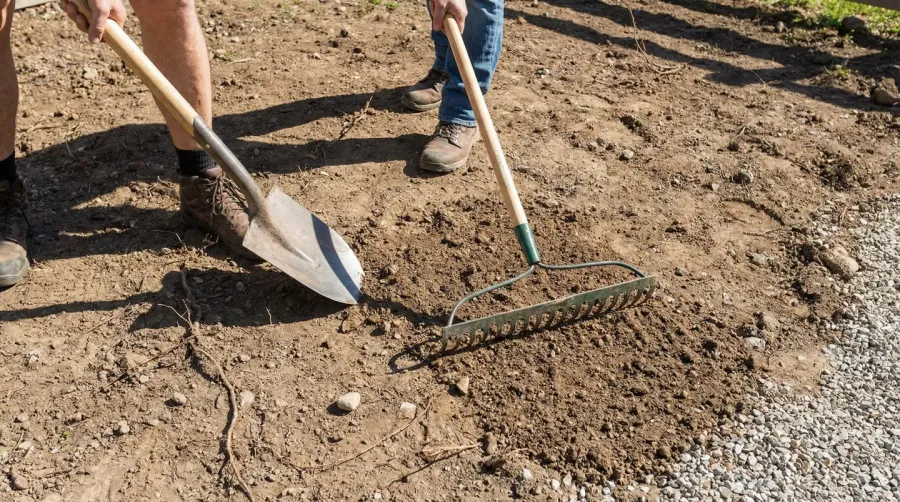
Ground preparation determines your project’s long-term success, so invest time in this crucial first step. Remove existing vegetation completely, including roots that could push through later. Excavate the area to a depth of three to four inches, creating a stable foundation that prevents future settling and shifting.
Install landscape fabric before adding any gravel. This barrier prevents weeds from establishing while allowing water to drain naturally. Overlap fabric edges by several inches and secure with landscape pins every few feet. Quality edging materials like metal strips or concrete borders contain your gravel effectively while creating professional-looking boundaries.
Add gravel in manageable sections rather than dumping entire loads at once. Spread each section evenly with a rake, then compact lightly with a hand tamper or plate compactor. This layered approach ensures uniform coverage and proper compaction throughout your space. Aim for a final depth of two to three inches for most applications, adjusting based on your specific gravel type and intended use.
Creating your gravel backyard oasis represents more than just a landscaping project – it’s an investment in outdoor living that pays dividends in reduced maintenance, increased property value, and countless hours of enjoyment. With proper planning and installation, your gravel oasis will provide years of beautiful, functional outdoor space that adapts to your changing needs while requiring minimal upkeep. Whether you’re creating garden paths, outdoor seating areas, or fire pit zones, gravel offers the versatility and durability to bring your vision to life.
FAQ
How deep should gravel be for a patio?
For most gravel patio applications, aim for a final depth of 2-3 inches of gravel after compaction. During installation, excavate 3-4 inches deep to create a stable foundation, then add your gravel in layers. This depth provides adequate coverage while preventing shifting and ensures proper drainage for your outdoor space.
What is the best gravel for a patio?
Pea gravel is the most popular choice for patios due to its comfortable, rounded texture that’s pleasant for bare feet. It comes in quarter-inch to five-eighth-inch sizes and various colors from gray to gold and white. For high-traffic areas, crushed stone provides better stability as the angular edges lock together naturally, preventing shifting during heavy use.
Can you put gravel over grass?
No, you should not put gravel directly over grass. For lasting results, completely remove existing vegetation including roots, then excavate 3-4 inches deep. Install landscape fabric to prevent weeds from growing through, then add your gravel. This proper preparation prevents grass from pushing through and ensures your gravel patio remains stable and weed-free.
How much gravel do I need for a patio?
Calculate gravel needs by measuring your patio area in square feet and multiplying by 0.25 (for 3-inch depth). For example, a 10×12 foot patio (120 sq ft) needs about 30 cubic feet or roughly 1.1 cubic yards of gravel. At $30-50 per cubic yard, this patio would cost approximately $33-55 in gravel materials, making it significantly more affordable than traditional paving options. Hello Gravel’s online material calculator can help you determine exact quantities needed for your specific project.
Materials for this project
Get it delivered — dumped where you need it
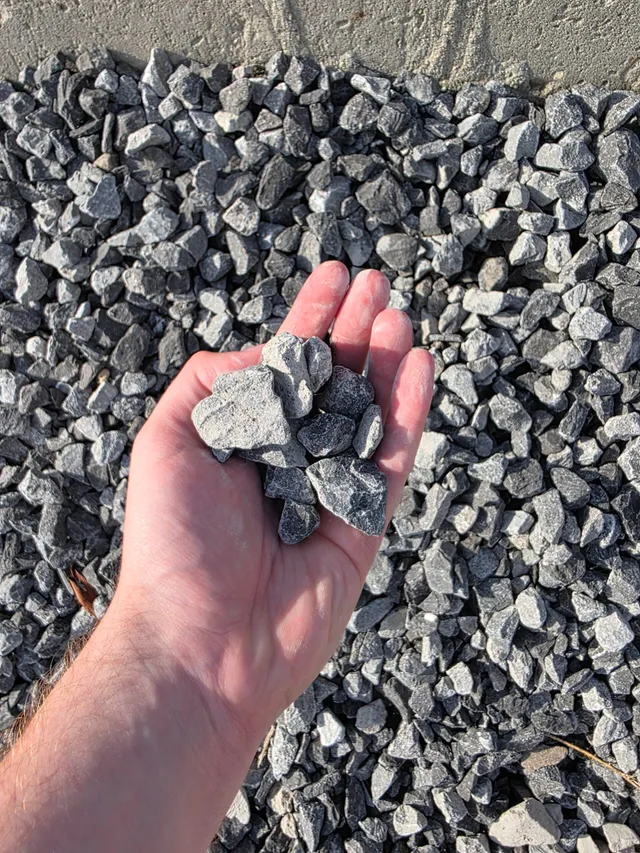
Driveway Gravel
Driveways & Parking areas
See delivered price
View product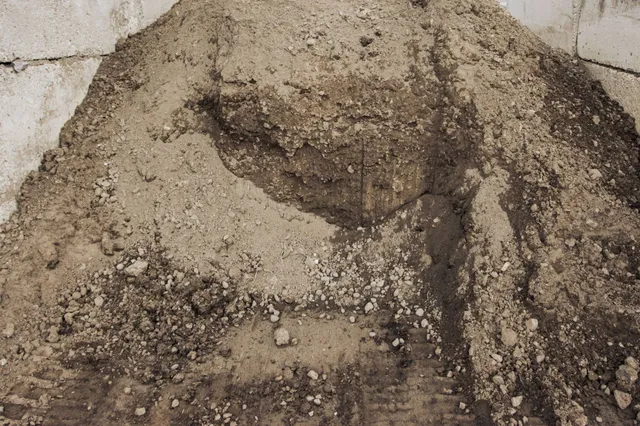
Fill Dirt
Grading & Backfill
See delivered price
View product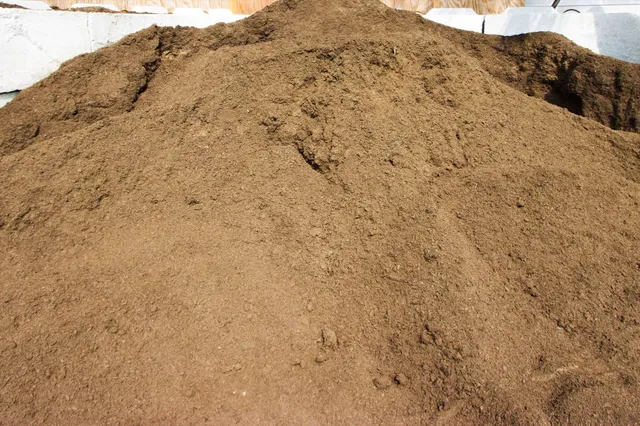
Topsoil
Lawn establishment & Garden beds
See delivered price
View product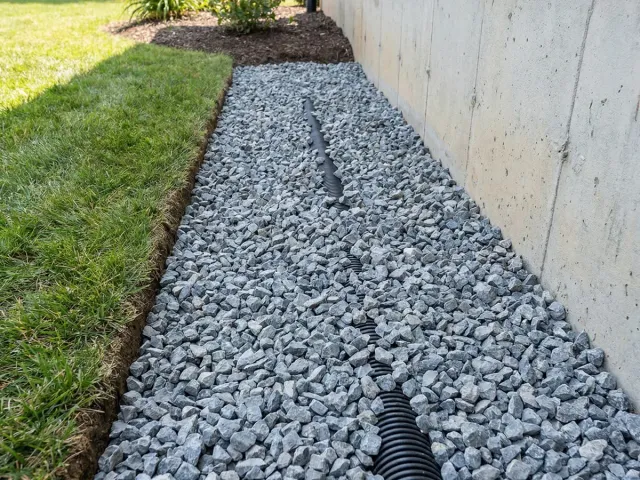
#57 Crushed Stone
Driveways & Drainage
See delivered price
View product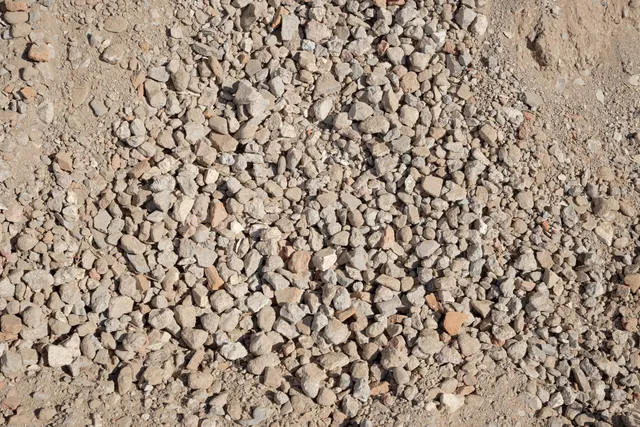
Road Base
Driveway base & Road construction
See delivered price
View product